Institute of Insect Sciences, College of Agriculture and Biotechnology, Zhejiang University, Hangzhou, 310058, China.
Ministry of Agriculture Key Lab of Molecular Biology of Crop Pathogens and Insect Pests, Zhejiang University, Hangzhou, 310058, China.
Nat Commun. 2022 Aug 2;13(1):4476. doi: 10.1038/s41467-022-32203-5.
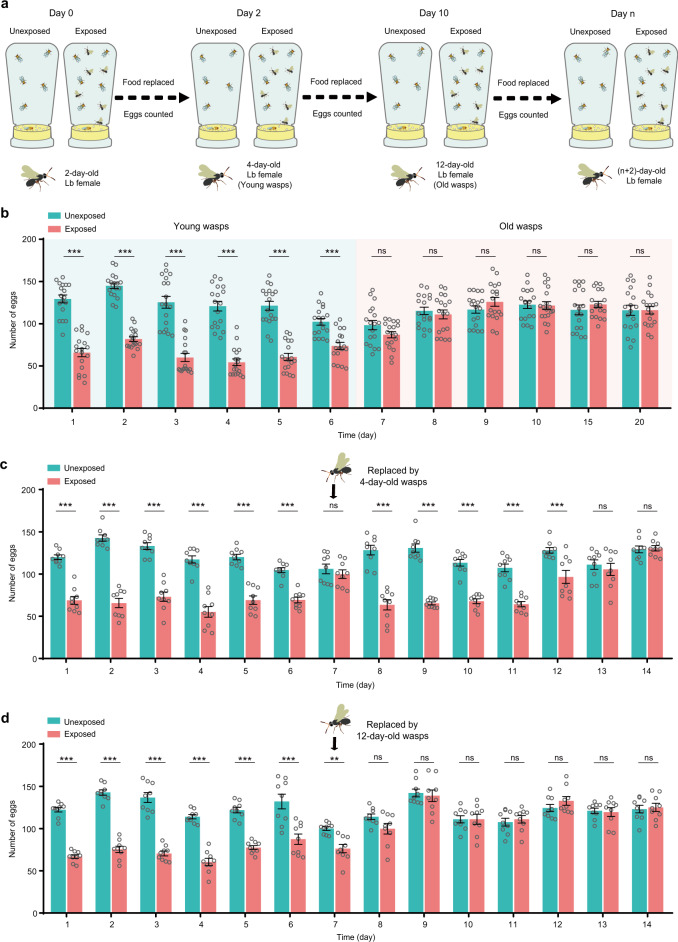
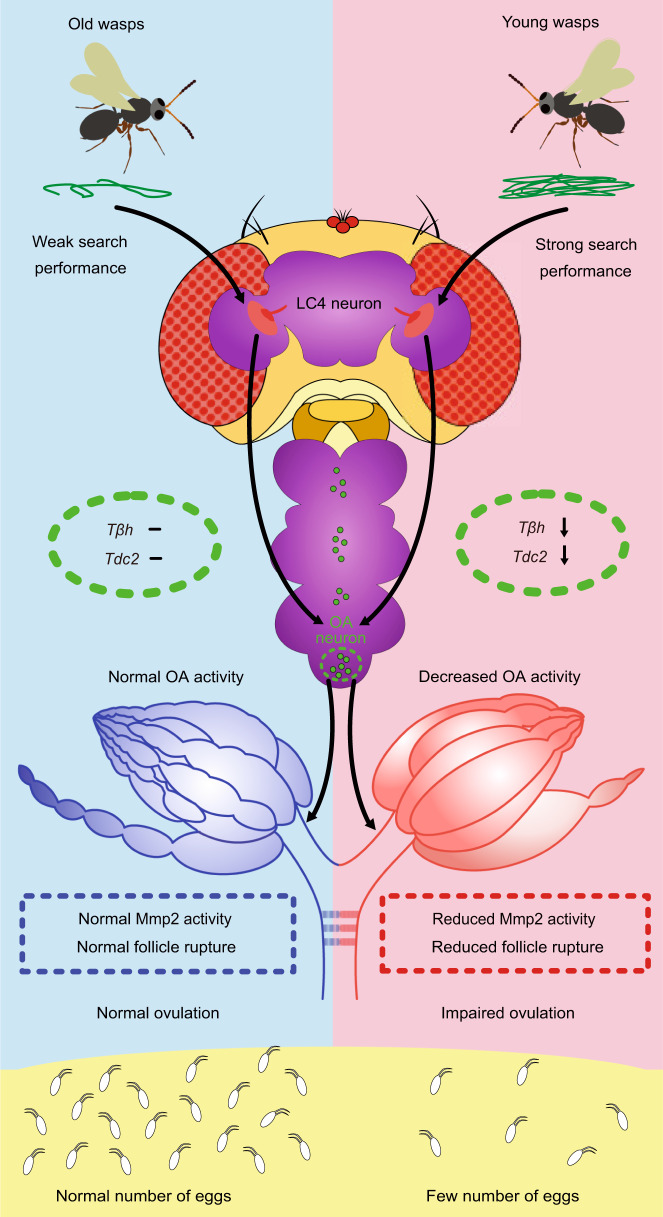
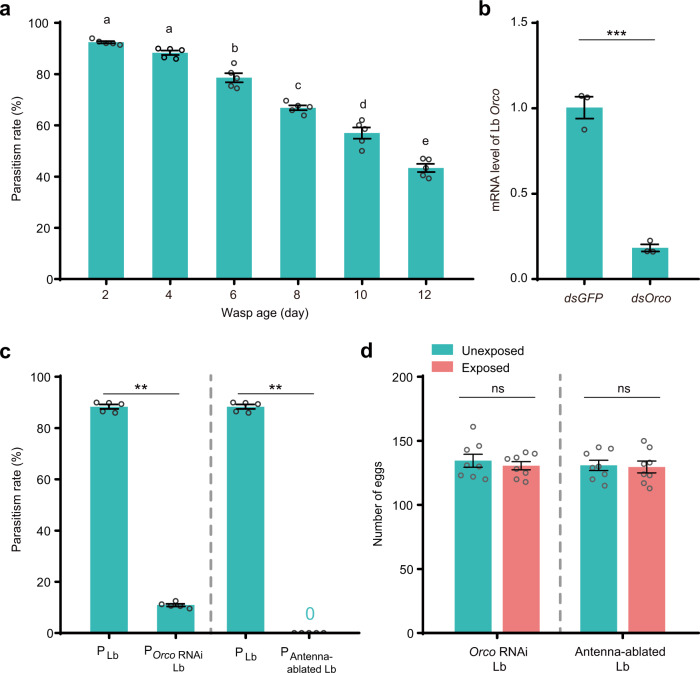
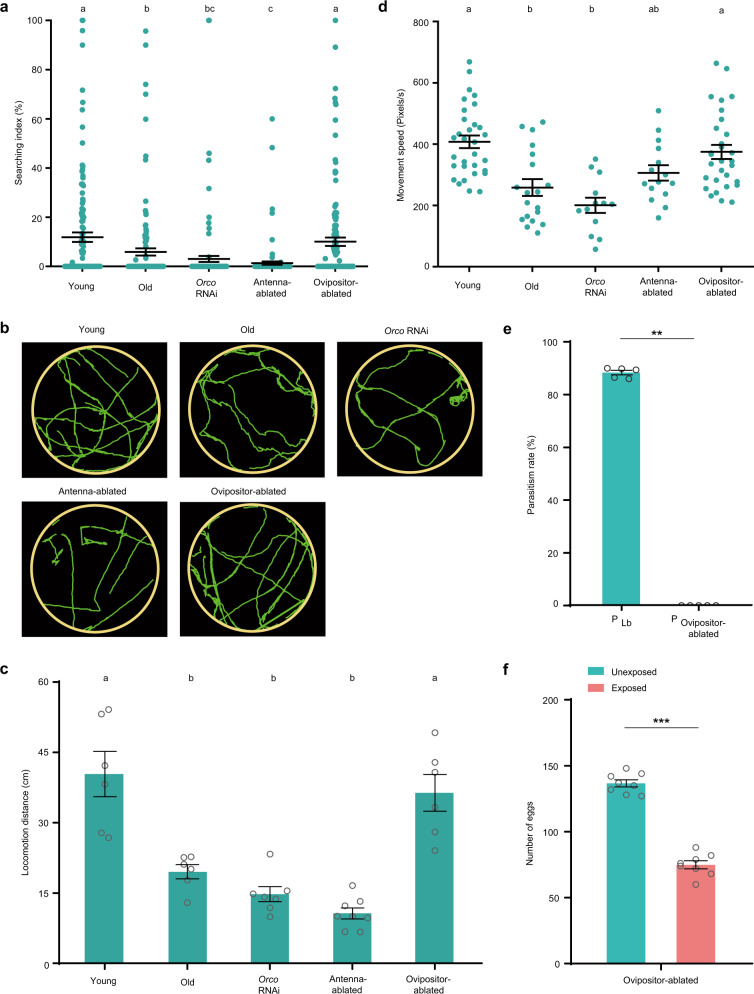
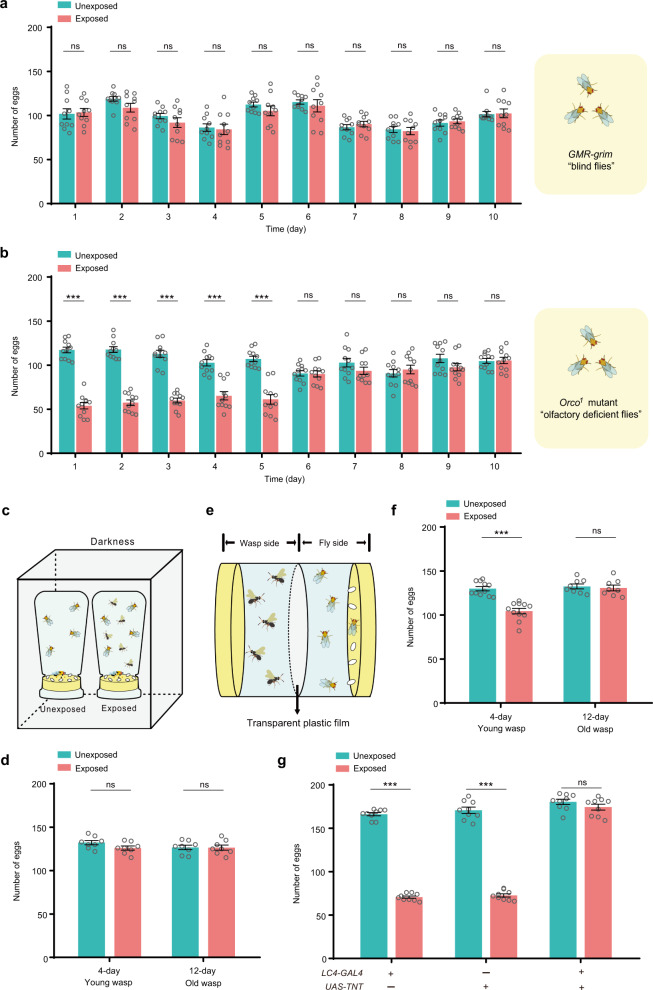
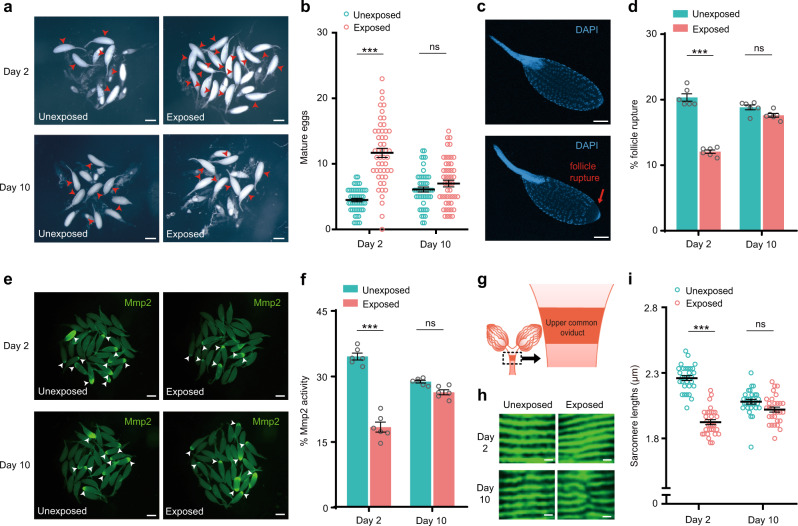
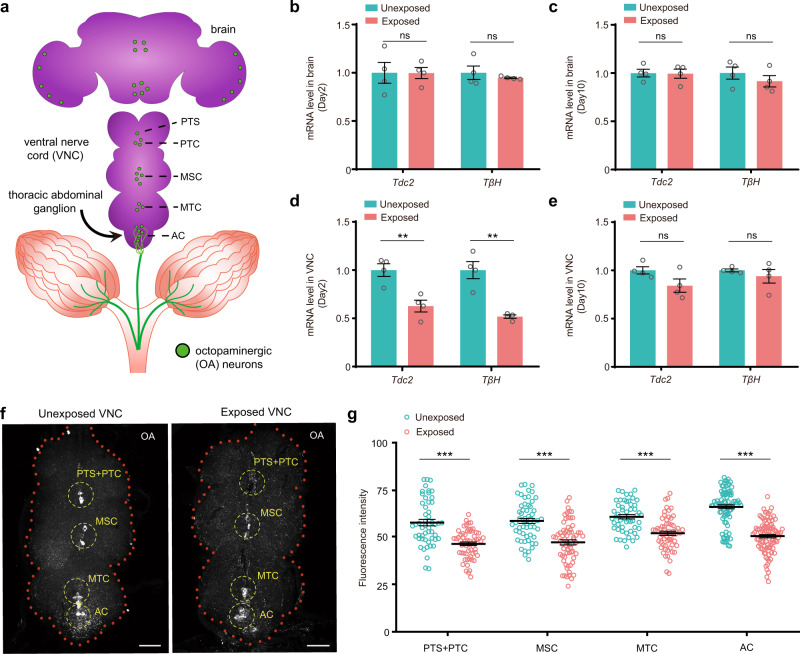
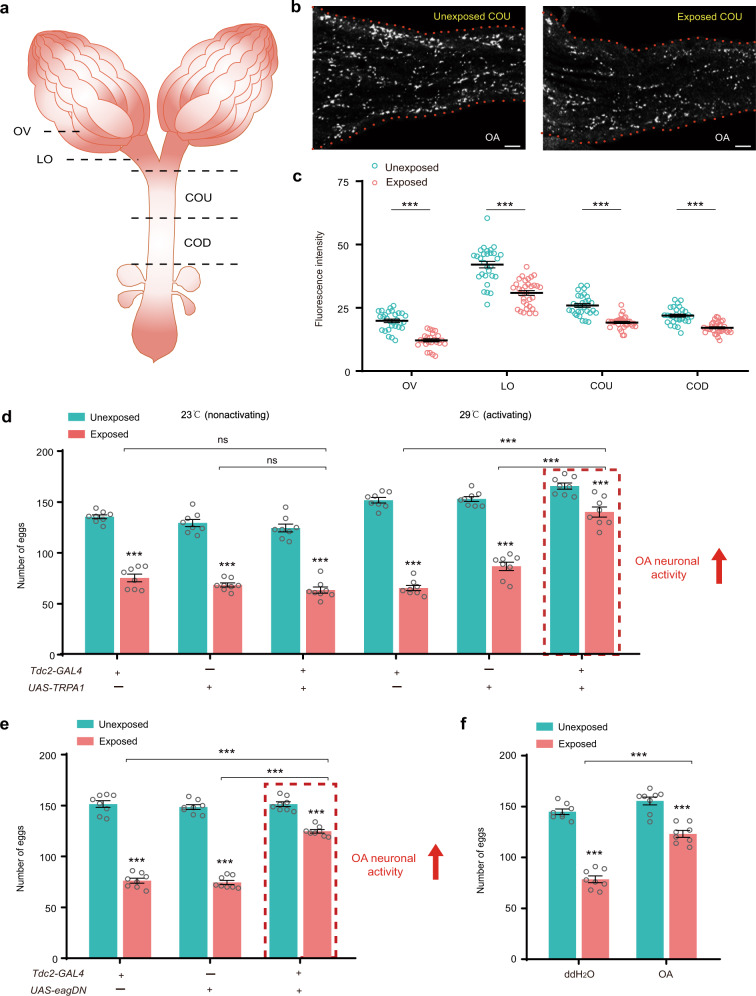
Making the appropriate responses to predation risk is essential for the survival of an organism; however, the underlying mechanisms are still largely unknown. Here, we find that Drosophila has evolved an adaptive strategy to manage the threat from its parasitoid wasp by manipulating the oviposition behavior. Through perception of the differences in host search performance of wasps, Drosophila is able to recognize younger wasps as a higher level of threat and consequently depress the oviposition. We further show that this antiparasitoid behavior is mediated by the regulation of the expression of Tdc2 and Tβh in the ventral nerve cord via LC4 visual projection neurons, which in turn leads to the dramatic reduction in octopamine and the resulting dysfunction of mature follicle trimming and rupture. Our study uncovers a detailed mechanism underlying the defensive behavior in insects that may advance our understanding of predator avoidance in animals.
对捕食风险做出适当的反应对于生物的生存至关重要;然而,其潜在机制在很大程度上仍不清楚。在这里,我们发现果蝇已经进化出一种适应性策略来应对寄生蜂的威胁,即通过操纵产卵行为来管理这种威胁。通过感知寄生蜂在宿主搜索性能上的差异,果蝇能够识别出年幼的寄生蜂是一种更高的威胁,并相应地抑制产卵。我们进一步表明,这种抗寄生行为是通过 LC4 视觉投射神经元调节腹神经索中 Tdc2 和 Tβh 的表达来介导的,这反过来又导致章鱼胺的显著减少,以及成熟滤泡修剪和破裂的功能障碍。我们的研究揭示了昆虫防御行为的一个详细机制,这可能有助于我们理解动物的捕食回避行为。