Sivera Francisca, Andres Mariano, Dalbeth Nicola
Rheumatology Unit, Hospital General Universitario Elda, Ctra Sax s/n, Elda 03600, Alicante, Spain.
Department Medicine, Universidad Miguel Hernandez, Elche, Spain.
Ther Adv Musculoskelet Dis. 2022 Jul 28;14:1759720X221114098. doi: 10.1177/1759720X221114098. eCollection 2022.
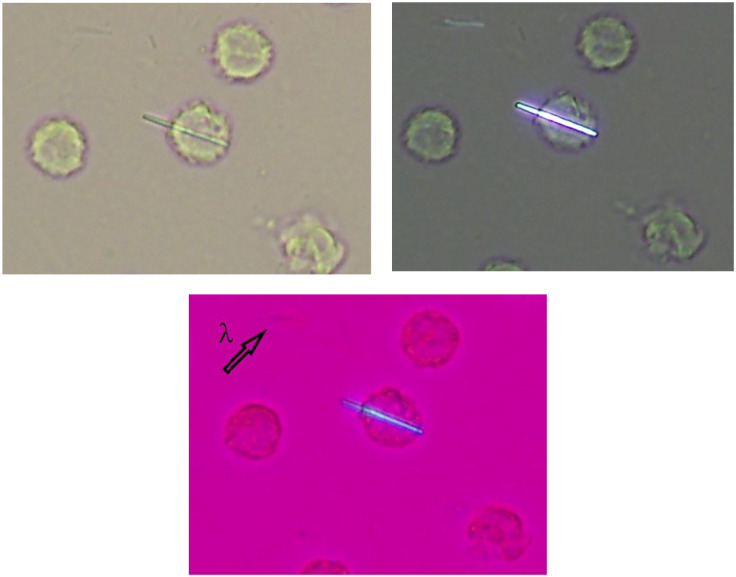
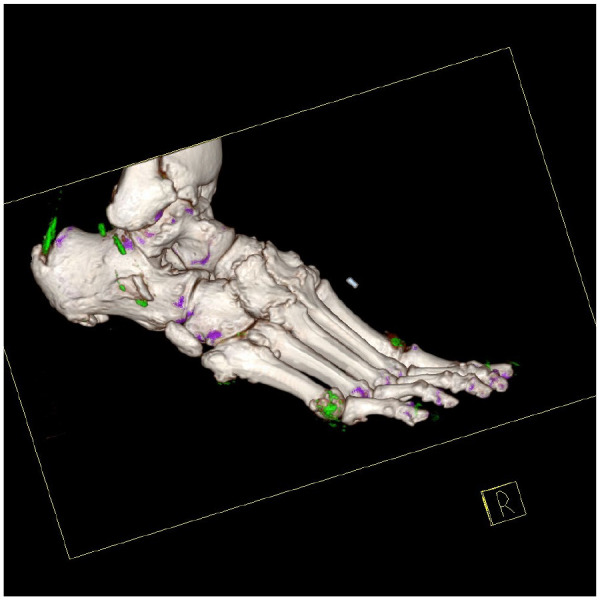
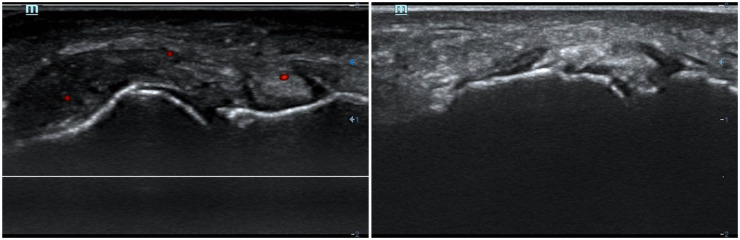
Gout is characterized by monosodium urate (MSU) crystal deposits in and within joints. These deposits result from persistent hyperuricaemia and most typically lead to recurrent acute inflammatory episodes (gout flares). Even though some aspects of gout are well characterized, uncertainties remain; this upcoming decade should provide further insights into many of these uncertainties. Synovial fluid analysis allows for the identification of MSU crystals and unequivocal diagnosis. Non-invasive methods for diagnosis are being explored, such as Raman spectroscopy and imaging modalities. Both ultrasound and dual-energy computed tomography (DECT) allow the detection of MSU crystals; this not only provides a mean of diagnosis, but also has furthered gout knowledge defining the presence of a preclinical deposition in asymptomatic hyperuricaemia. Scientific consensus establishes the beginning of gout as the beginning of symptoms (usually the first flare), but the concept is currently under review. For effective long-term gout management, the main goal is to promote crystal dissolution treatment by reducing serum urate below 6 mg/dL (or 5 mg/dL if faster crystal dissolution is required). Current urate-lowering therapies' (ULTs) options are limited, with allopurinol and febuxostat being widely available, and probenecid, benzbromarone, and pegloticase available in some regions. New xanthine oxidase inhibitors and, especially, uricosurics inhibiting urate transporter URAT1 are under development; it is probable that the new decade will see a welcomed increase in the gout therapeutic armamentarium. Cardiovascular and renal comorbidities are common in gout patients. Studies determining whether optimal treatment of gout will positively impact these comorbidities are currently lacking, but will hopefully be forthcoming. Overall, the single change that will most impact gout management is greater uptake of international rheumatology society recommendations. Innovative strategies, such as nurse-led interventions based on these recommendations have recently demonstrated treatment success for people with gout.
痛风的特征是关节内和关节周围有单钠尿酸盐(MSU)晶体沉积。这些沉积是由持续性高尿酸血症导致的,最典型的情况是引发反复发作的急性炎症发作(痛风发作)。尽管痛风的某些方面已得到充分认识,但仍存在一些不确定性;未来十年应能进一步深入了解其中许多不确定性。滑液分析有助于识别MSU晶体并做出明确诊断。目前正在探索非侵入性诊断方法,如拉曼光谱法和成像方式。超声和双能计算机断层扫描(DECT)都能检测到MSU晶体;这不仅提供了一种诊断手段,还增进了对痛风的认识,明确了无症状高尿酸血症中临床前期沉积的存在。科学共识将痛风的起始定义为症状出现(通常是首次发作),但这一概念目前正在重新审视。为了实现有效的痛风长期管理,主要目标是通过将血清尿酸水平降至6mg/dL以下(如果需要更快的晶体溶解,则降至5mg/dL)来促进晶体溶解治疗。目前降尿酸治疗(ULTs)的选择有限,别嘌醇和非布司他广泛可用,丙磺舒、苯溴马隆和聚乙二醇化尿酸酶在某些地区也有供应。新型黄嘌呤氧化酶抑制剂,尤其是抑制尿酸转运蛋白URAT1的促尿酸排泄药正在研发中;未来十年痛风治疗手段有望迎来令人欣喜的增加。心血管和肾脏合并症在痛风患者中很常见。目前缺乏确定痛风的最佳治疗是否会对这些合并症产生积极影响的研究,但有望在未来开展。总体而言,对痛风管理影响最大的单一改变是更多地采纳国际风湿病学会的建议。基于这些建议的由护士主导的干预等创新策略最近已证明对痛风患者的治疗取得了成功。