Kumar Ishan, Reza Syed O, Choudhary Sunil, Shukla Ram C, Mani Nilesh, Verma Ashish
Department of Radiodiagnosis, Institute of Medical Sciences, Banaras Hindu University, Varanasi, Uttar Pradesh, India.
Department of Radiation Medicine, Institute of Medical Sciences, Banaras Hindu University, Varanasi, Uttar Pradesh, India.
Indian J Radiol Imaging. 2022 Jul 30;32(2):151-158. doi: 10.1055/s-0042-1754315. eCollection 2022 Jun.
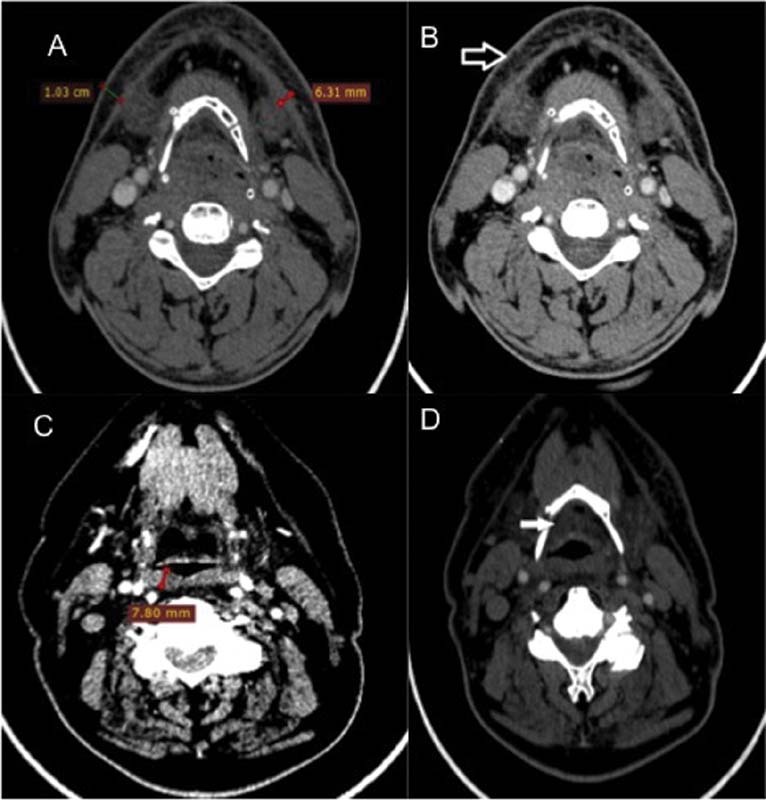
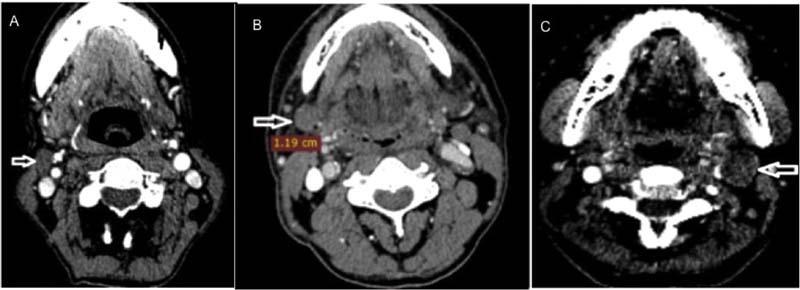
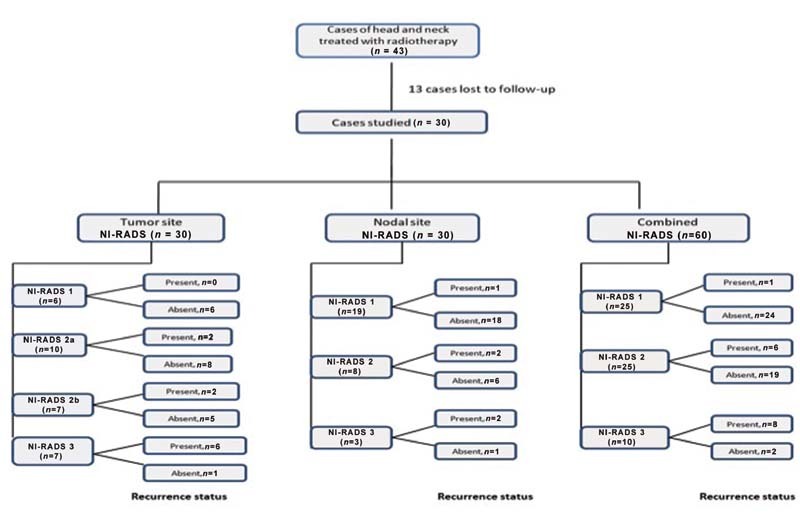
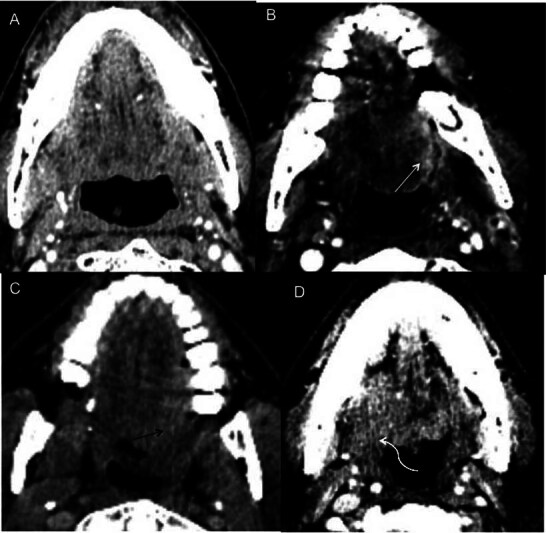
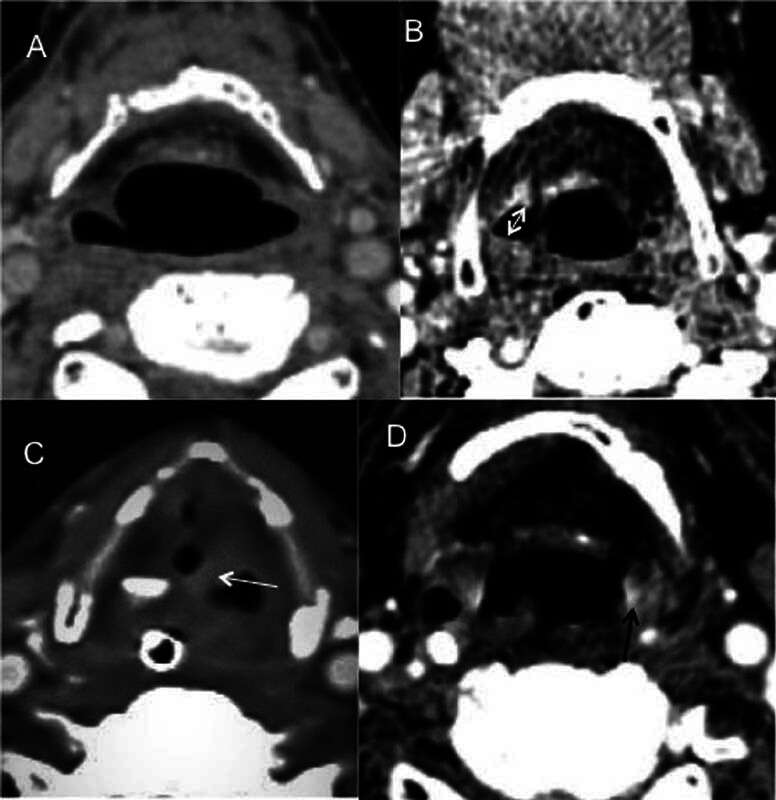
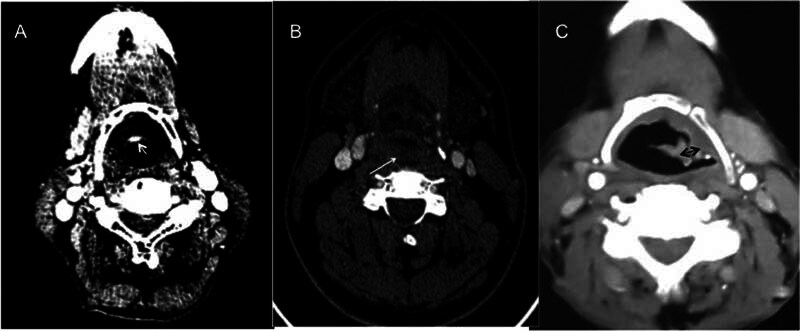
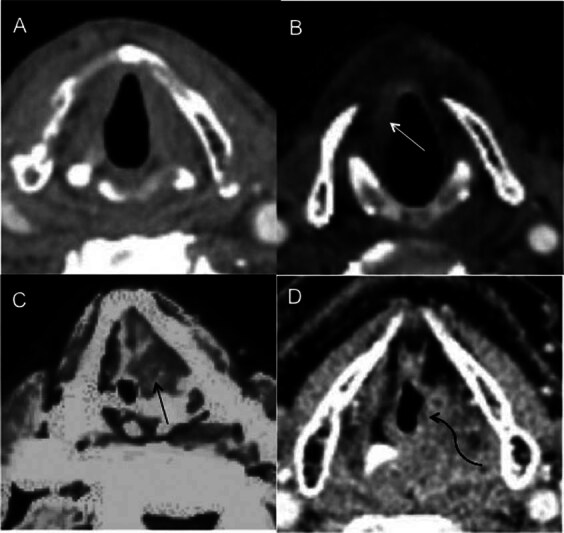
The Head and Neck Imaging Reporting and Data System (NI-RADS) is a standardized reporting format for the categorization of the degree of suspicion for recurrent head and neck malignancies on positron emission tomography/computed tomography. The purpose of our study was to analyze the efficacy of the NI-RADS rating scale and criteria for contrast-enhanced computed tomography (CECT) alone in predicting the local and regional recurrence of malignancies after chemoradiotherapy. CECT of the patients with head and neck cancers receiving radiotherapy and concurrent chemotherapy as a primary treatment was obtained 3 months after the completion of radiotherapy and NI-RADS scoring was done using components of Response Evaluation Criteria in Solid Tumors (RECIST 1.1) criteria. Their management was guided according to the recommendations based on their NI-RADS score. Thirty patients with squamous cell carcinoma of the neck were included in this study. The positive or negative status of the recurrent disease was based on biopsy results or follow-up protocol as recommended in NI-RADS rating scale. Fifteen patients had path proven recurrence at the primary tumor site. For primary tumor site, disease persistence rates of 4% for NI-RADS 1, 24% for NI-RADS 2, and 80% for NI-RADS 3 scores were seen. Five patients had recurrent lymph nodal disease. For lymph nodal assessment, NI-RADS categories 1, 2, and 3 revealed nodal disease recurrence rates of 5.3, 25, and 66.7%, respectively. CECT alone may be used to assign the NI-RADS rating scale using RECIST 1.1 criteria to predict the presence or absence of recurrent tumor in patients with neck malignancies.
头颈部影像报告和数据系统(NI-RADS)是一种标准化报告格式,用于对正电子发射断层扫描/计算机断层扫描上复发性头颈部恶性肿瘤的怀疑程度进行分类。我们研究的目的是分析NI-RADS分级量表和仅对比增强计算机断层扫描(CECT)标准在预测放化疗后恶性肿瘤局部和区域复发方面的有效性。对接受放疗和同步化疗作为主要治疗的头颈部癌患者,在放疗完成3个月后进行CECT检查,并使用实体瘤疗效评价标准(RECIST 1.1)标准的组成部分进行NI-RADS评分。根据基于其NI-RADS评分的建议指导他们的治疗。本研究纳入了30例颈部鳞状细胞癌患者。复发性疾病的阳性或阴性状态基于活检结果或NI-RADS分级量表中推荐的随访方案。15例患者在原发肿瘤部位有病理证实的复发。对于原发肿瘤部位,NI-RADS 1级的疾病持续率为4%,NI-RADS 2级为24%,NI-RADS 3级为80%。5例患者有复发性淋巴结疾病。对于淋巴结评估,NI-RADS 1、2和3类的淋巴结疾病复发率分别为5.3%、25%和66.7%。仅CECT可用于使用RECIST 1.1标准分配NI-RADS分级量表,以预测颈部恶性肿瘤患者是否存在复发性肿瘤。