Masira Research Institute, Medical School, University of Santander (UDES), Bucaramanga, Colombia; Centro Integral para la Prevención de las Enfermedades Cardiometabólicas, Floridablanca, Colombia.
Masira Research Institute, Medical School, University of Santander (UDES), Bucaramanga, Colombia; Centro Integral para la Prevención de las Enfermedades Cardiometabólicas, Floridablanca, Colombia ; Cardiology Unit, Hospital Universitario San Ignacio, Pontificia Universidad Javeriana, Bogotá, Colombia.
Anatol J Cardiol. 2022 Aug;26(8):598-607. doi: 10.5152/AnatolJCardiol.2022.1586.
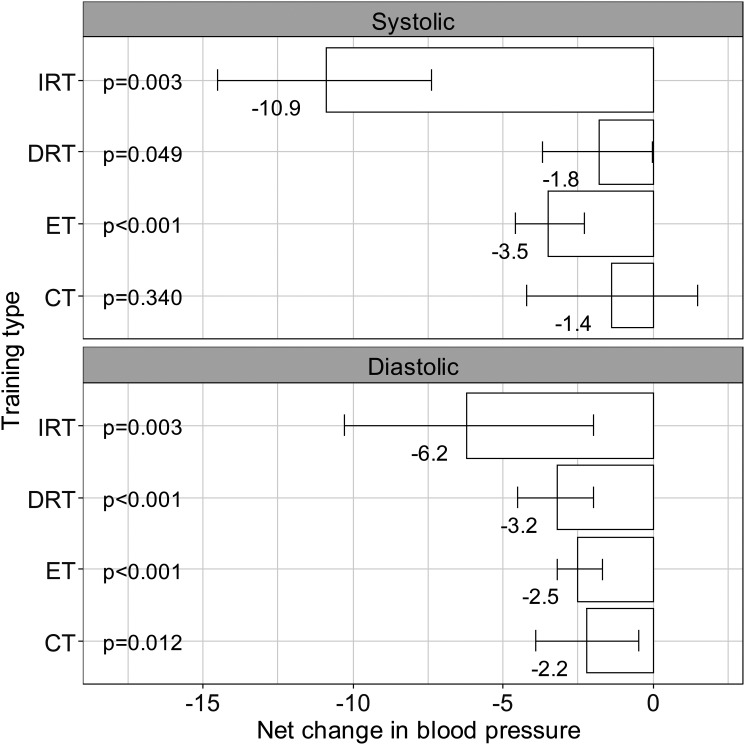
Cardiovascular disease is the leading cause of death globally, accounting for approximately 32% of all deaths in 2019. There has been increasing interest in understanding the role of low muscular strength as a risk factor for cardiovascular disease, given its association with other cardiovascular risk factors such as hypertension, diabetes mellitus, and metabolic syndrome. An inverse association between muscle strength, chronic disease, all-cause mortality, and cardiovascular-related death has been reported. Recent clinical trials have consistently shown that resistance exercise, which increases strength, and potentially muscle mass, significantly improves the control of known cardiovascular disease risk factors and reduces the risk of all-cause death and cardiovascular mortality. In the present article, we review the growing body of evidence that supports the need for future research to evaluate the potential of handgrip strength as a screening tool for cardiovascular disease and its risk factors in the clinical medical setting, as part of routine care using an affordable handgrip strength device. Moreover, it is crucial to devise largescale interventions driven by governmental health policies to educate the general population and healthcare professionals about the importance of muscular strengthening activities and to promote access to these activities to improve cardiometabolic health and reduce incidence of cardiovascular disease and mortality.
心血管疾病是全球范围内的主要死因,约占 2019 年所有死亡人数的 32%。鉴于低肌肉力量与高血压、糖尿病和代谢综合征等其他心血管危险因素有关,人们越来越关注理解其作为心血管疾病风险因素的作用。肌肉力量与慢性病、全因死亡率和心血管相关死亡率之间呈负相关。最近的临床试验一致表明,阻力运动可以增加力量和潜在的肌肉质量,显著改善已知心血管疾病风险因素的控制,并降低全因死亡和心血管死亡率的风险。在本文中,我们回顾了越来越多的证据,这些证据支持未来的研究需要评估握力作为心血管疾病及其危险因素的筛查工具的潜力,在临床医疗环境中,使用负担得起的握力设备作为常规护理的一部分。此外,至关重要的是制定由政府卫生政策驱动的大规模干预措施,以教育普通民众和医疗保健专业人员关于肌肉强化活动的重要性,并促进获得这些活动的机会,以改善心脏代谢健康并降低心血管疾病和死亡率的发生率。