Special Pathogens, National Microbiology Laboratory, Public Health Agency of Canadagrid.415368.d, Winnipeg, Manitoba, Canada.
Vaccine and Gene Therapy Institute, Oregon Health & Science University, Portland, Oregon, USA.
J Virol. 2022 Aug 24;96(16):e0072822. doi: 10.1128/jvi.00728-22. Epub 2022 Aug 4.
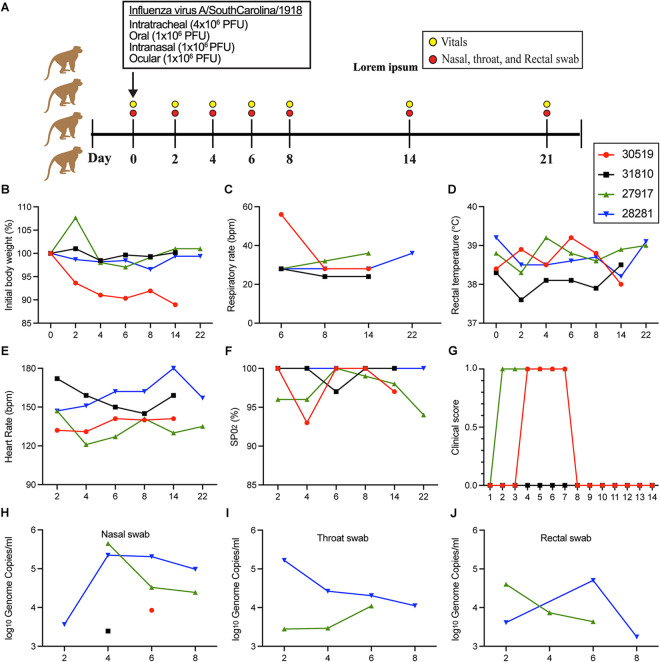
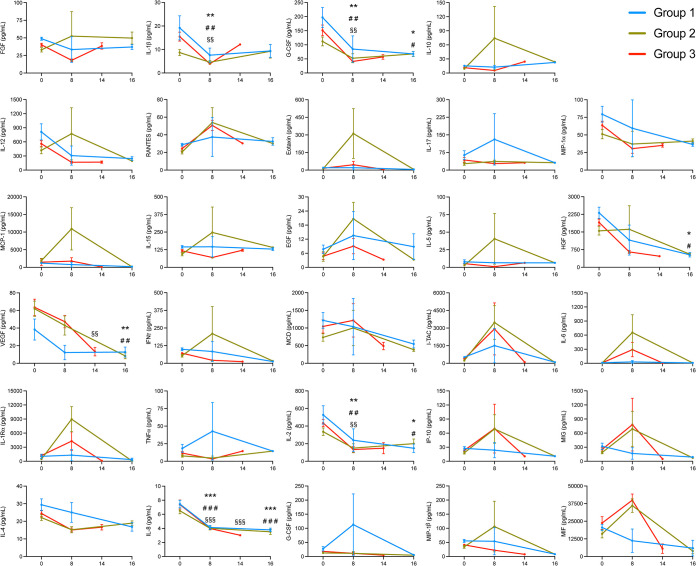
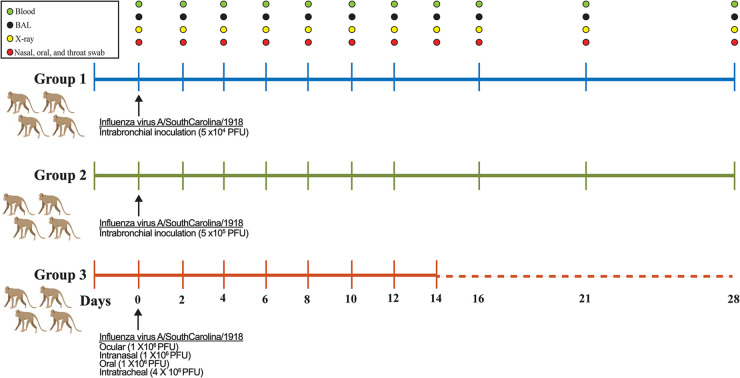
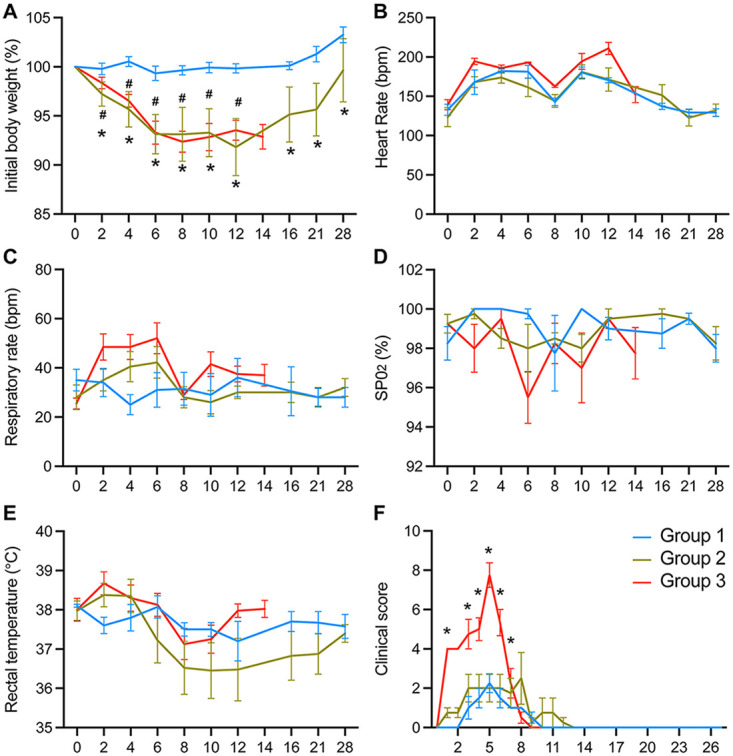
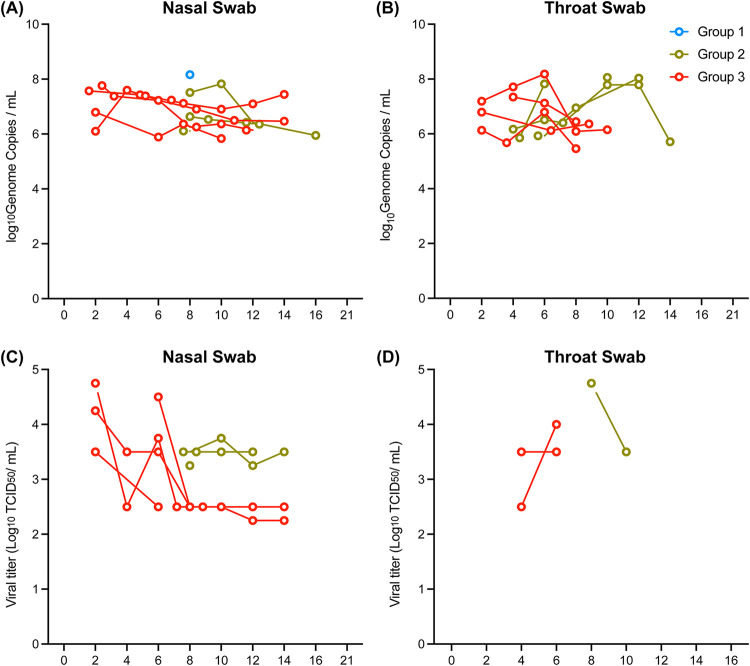
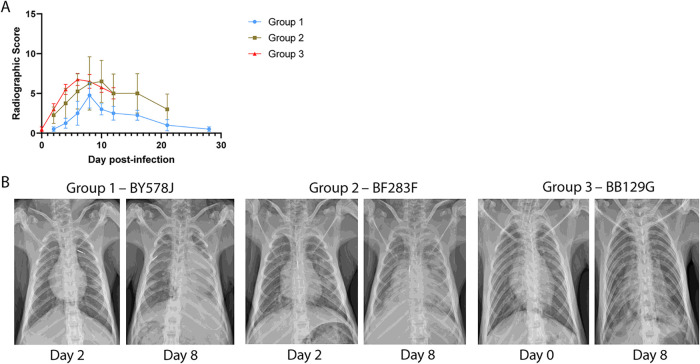
The 1918 H1N1 influenza pandemic was among the most severe in history, taking the lives of approximately 50 million people worldwide, and novel prophylactic vaccines are urgently needed to prevent another pandemic. Given that macaques are physiologically relevant preclinical models of human immunology that have advanced the clinical treatment of infectious diseases, a lethal pandemic influenza challenge model would provide a stringent platform for testing new influenza vaccine concepts. To this end, we infected rhesus macaques and Mauritian cynomolgus macaques with highly pathogenic 1918 H1N1 influenza virus and assessed pathogenesis and disease severity. Despite infection with a high dose of 1918 influenza delivered via multiple routes, rhesus macaques demonstrated minimal signs of disease, with only intermittent viral shedding. Cynomolgus macaques infected via intrabronchial instillation demonstrated mild symptoms, with disease severity depending on the infection dose. Cynomolgus macaques infected with a high dose of 1918 influenza delivered via multiple routes experienced moderate disease characterized by consistent viral shedding, pulmonary infiltrates, and elevated inflammatory cytokine levels. However, 1918 influenza was uniformly nonlethal in these two species, demonstrating that this isolate is insufficiently pathogenic in rhesus and Mauritian cynomolgus macaques to support testing novel prophylactic influenza approaches where protection from severe disease combined with a lethal outcome is desired as a highly stringent indication of vaccine efficacy. The world remains at risk of an influenza pandemic, and the development of new therapeutic and preventative modalities is critically important for minimizing human death and suffering during the next influenza pandemic. Animal models are central to the development of new therapies and vaccine approaches. In particular, nonhuman primates like rhesus and cynomolgus macaques are highly relevant preclinical models given their physiological and immunological similarities to humans. Unfortunately, there remains a scarcity of macaque models of pandemic influenza with which to test novel antiviral modalities. Here, we demonstrate that even at the highest doses tested, 1918 influenza was not lethal in these two macaque species, suggesting that they are not ideal for the development and testing of novel pandemic influenza-specific vaccines and therapies. Therefore, other physiologically relevant nonhuman primate models of pandemic influenza are needed.
1918 年 H1N1 流感大流行是历史上最严重的流感之一,导致全球约 5000 万人死亡,迫切需要新型预防性疫苗来预防另一场大流行。鉴于猕猴是具有生理相关性的人类免疫学临床前模型,已推进了传染病的临床治疗,因此致命的大流行性流感挑战模型将为测试新的流感疫苗概念提供一个严格的平台。为此,我们用高致病性 1918 年 H1N1 流感病毒感染恒河猴和食蟹猴,并评估了发病机制和疾病严重程度。尽管通过多种途径感染了高剂量的 1918 年流感,但恒河猴仅表现出间歇性病毒脱落,几乎没有疾病迹象。通过支气管内滴注感染的食蟹猴表现出轻度症状,疾病严重程度取决于感染剂量。通过多种途径感染高剂量 1918 年流感的食蟹猴出现中度疾病,特征为持续的病毒脱落、肺浸润和炎症细胞因子水平升高。然而,这两种物种中的 1918 年流感均无致死性,表明该分离株在恒河猴和食蟹猴中的致病性不足,无法支持测试新型预防性流感方法,这些方法需要在严重疾病得到保护的同时产生致死性结果,作为疫苗疗效的高度严格指标。世界仍然面临流感大流行的风险,开发新的治疗和预防方法对于最大限度地减少下一次流感大流行期间的人类死亡和痛苦至关重要。动物模型是开发新疗法和疫苗方法的核心。特别是,恒河猴和食蟹猴等非人类灵长类动物是高度相关的临床前模型,因为它们在生理和免疫学上与人类相似。不幸的是,目前用于测试新型抗病毒方法的大流行性流感猕猴模型仍然稀缺。在这里,我们证明即使在测试的最高剂量下,这两种猕猴物种中的 1918 年流感也不致命,这表明它们不适合开发和测试新型大流行性流感特异性疫苗和疗法。因此,需要其他具有生理相关性的大流行性流感非人类灵长类动物模型。