Moreno-Villena Jose J, Zhou Haoran, Gilman Ian S, Tausta S Lori, Cheung C Y Maurice, Edwards Erika J
Department of Ecology and Evolutionary Biology, Yale University, P.O. Box 208106, New Haven, CT 06520, USA.
School of Earth System Science, Tianjin University, Tianjin 300072, China.
Sci Adv. 2022 Aug 5;8(31):eabn2349. doi: 10.1126/sciadv.abn2349.
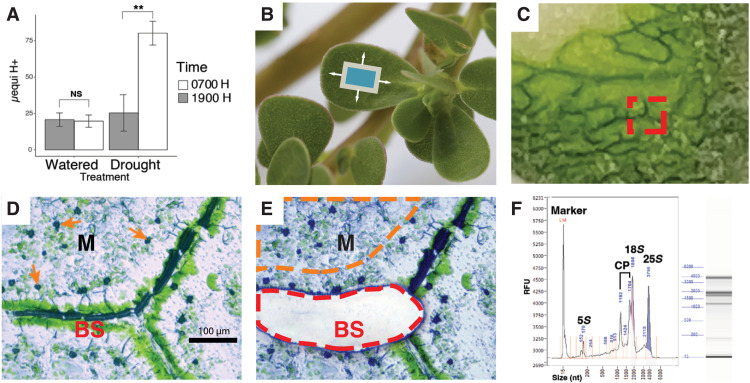
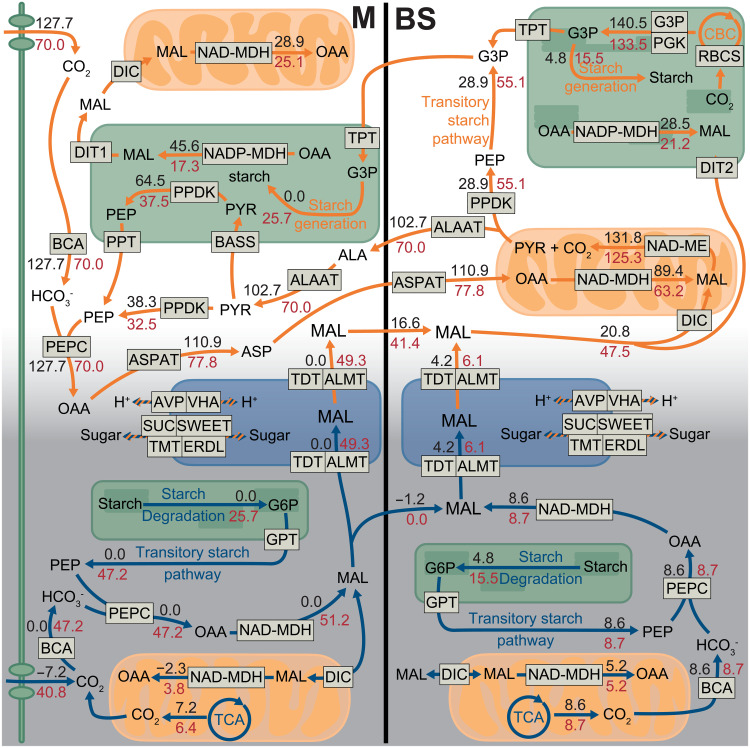
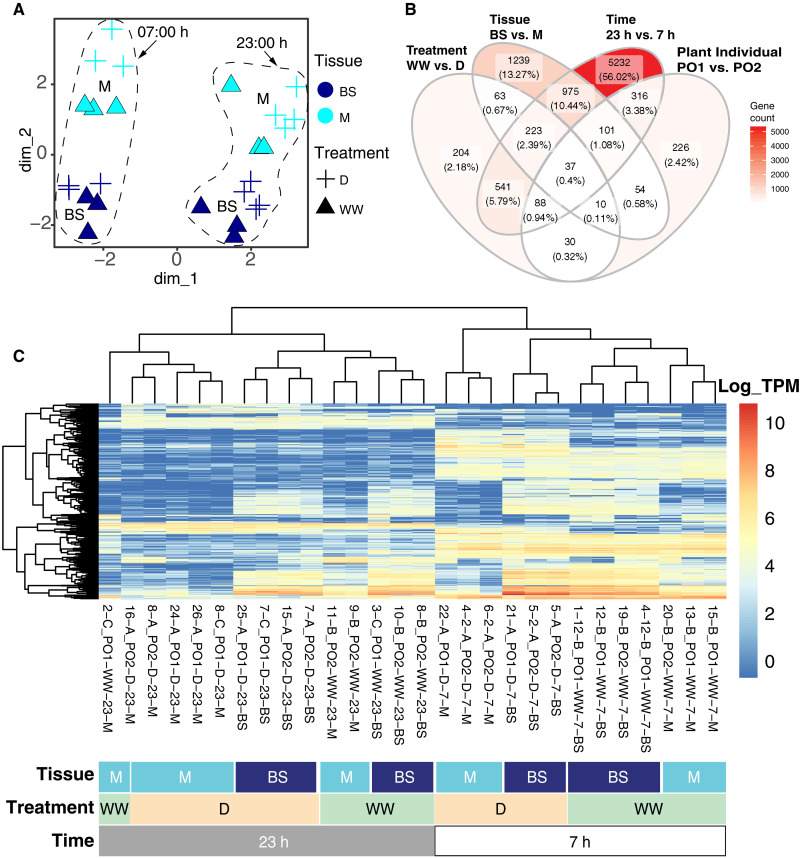
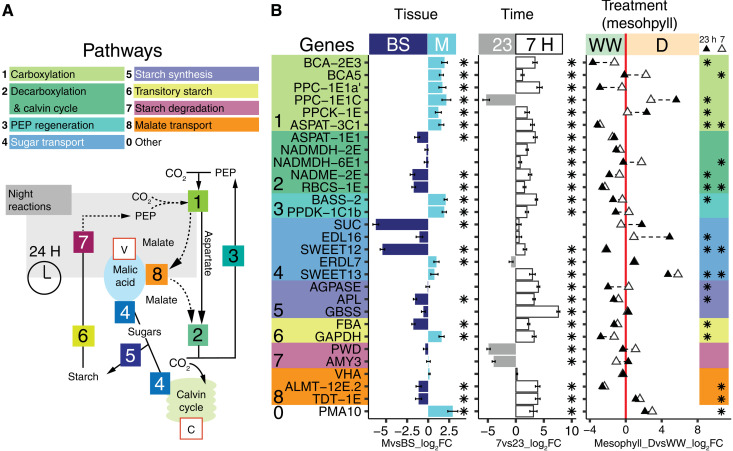
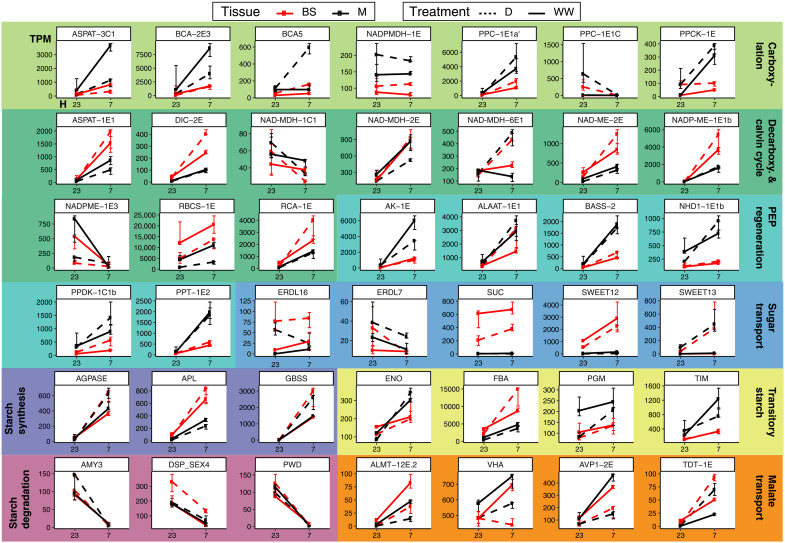
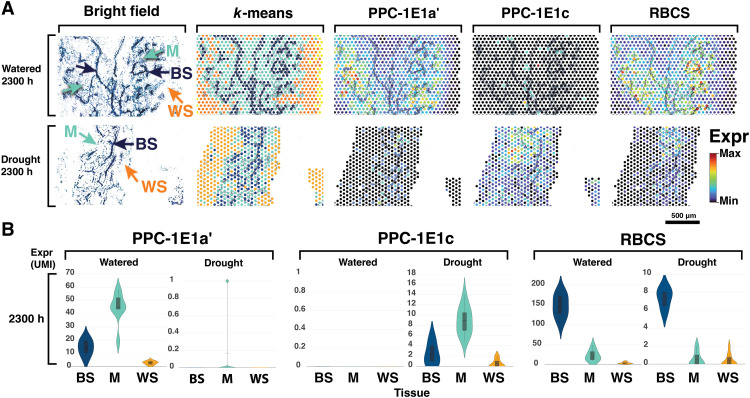
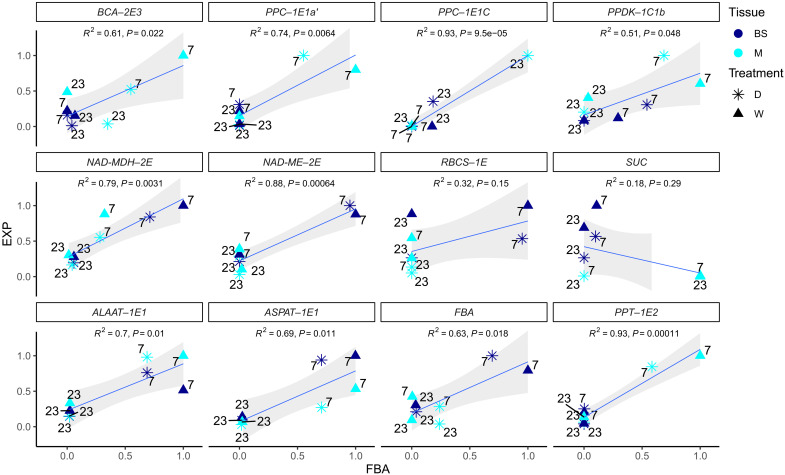
C and CAM photosynthesis have repeatedly evolved in plants over the past 30 million years. Because both repurpose the same set of enzymes but differ in their spatial and temporal deployment, they have long been considered as distinct and incompatible adaptations. contains multiple C species that perform CAM when droughted. Spatially explicit analyses of gene expression reveal that C and CAM systems are completely integrated in , with CAM and C carbon fixation occurring in the same cells and CAM-generated metabolites likely incorporated directly into the C cycle. Flux balance analysis corroborates the gene expression findings and predicts an integrated C+CAM system under drought. This first spatially explicit description of a C+CAM photosynthetic metabolism presents a potential new blueprint for crop improvement.
在过去3000万年里,C4和景天酸代谢(CAM)光合作用在植物中反复进化。由于二者都重新利用同一组酶,但在空间和时间分布上有所不同,长期以来它们被视为截然不同且不兼容的适应性特征。[植物名称]包含多个C4物种,在干旱时会进行CAM光合作用。对基因表达的空间明确分析表明,C4和CAM系统在[植物名称]中完全整合,CAM和C4碳固定在同一细胞中发生,CAM产生的代谢物可能直接并入C4循环。通量平衡分析证实了基因表达结果,并预测干旱条件下会形成一个整合的C4+CAM系统。这首次对C4+CAM光合代谢进行的空间明确描述为作物改良提供了一个潜在的新蓝图。