Department of Cell Biology, Yale School of Medicine, New Haven, CT 06520, USA.
Duncan and Nancy MacMillan Cancer Immunology and Metabolism Center of Excellence, Rutgers Cancer Institute of New Jersey, New Brunswick, NJ 08903, USA.
Sci Immunol. 2022 Aug 5;7(74):eabl3995. doi: 10.1126/sciimmunol.abl3995.
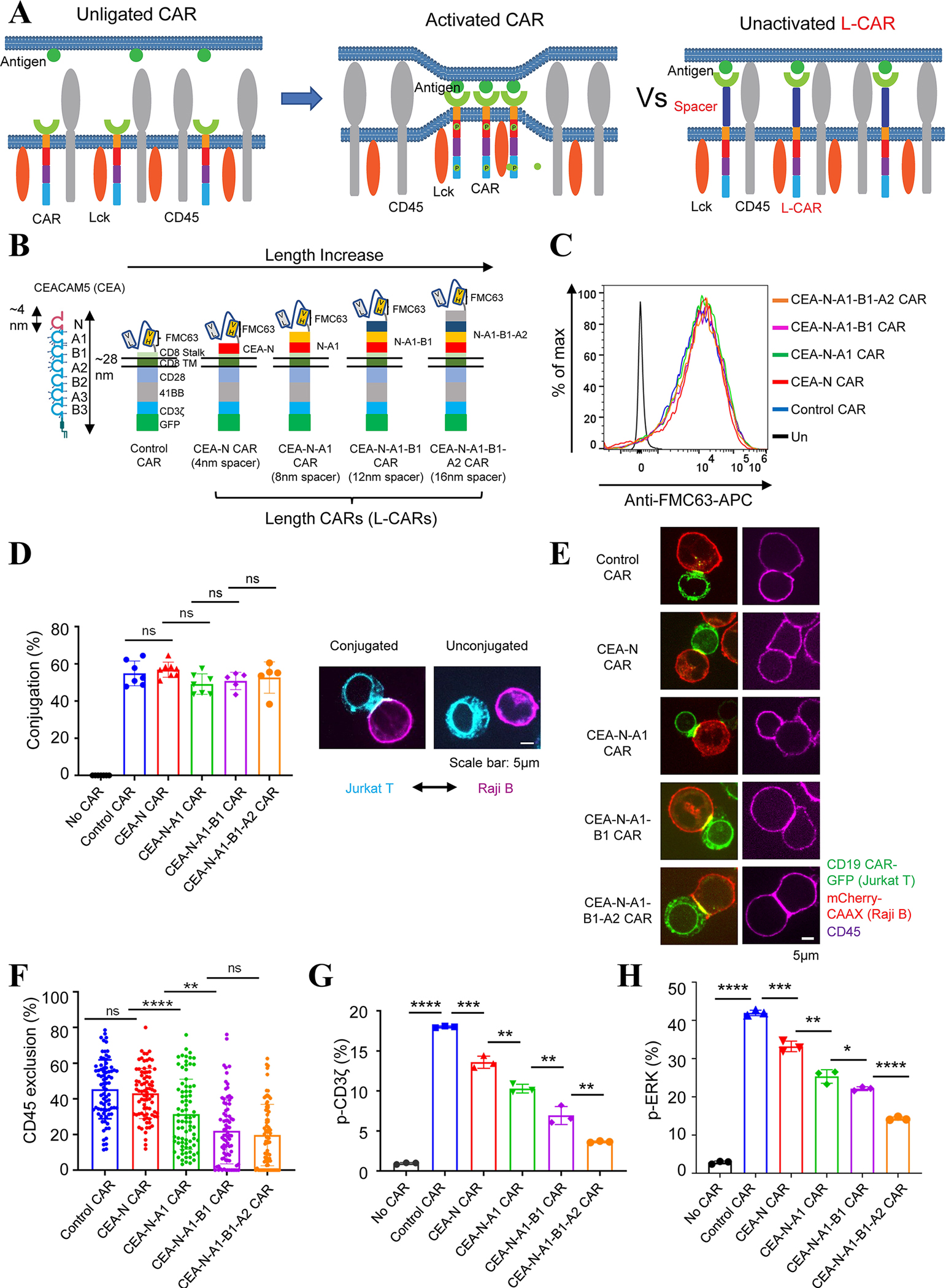
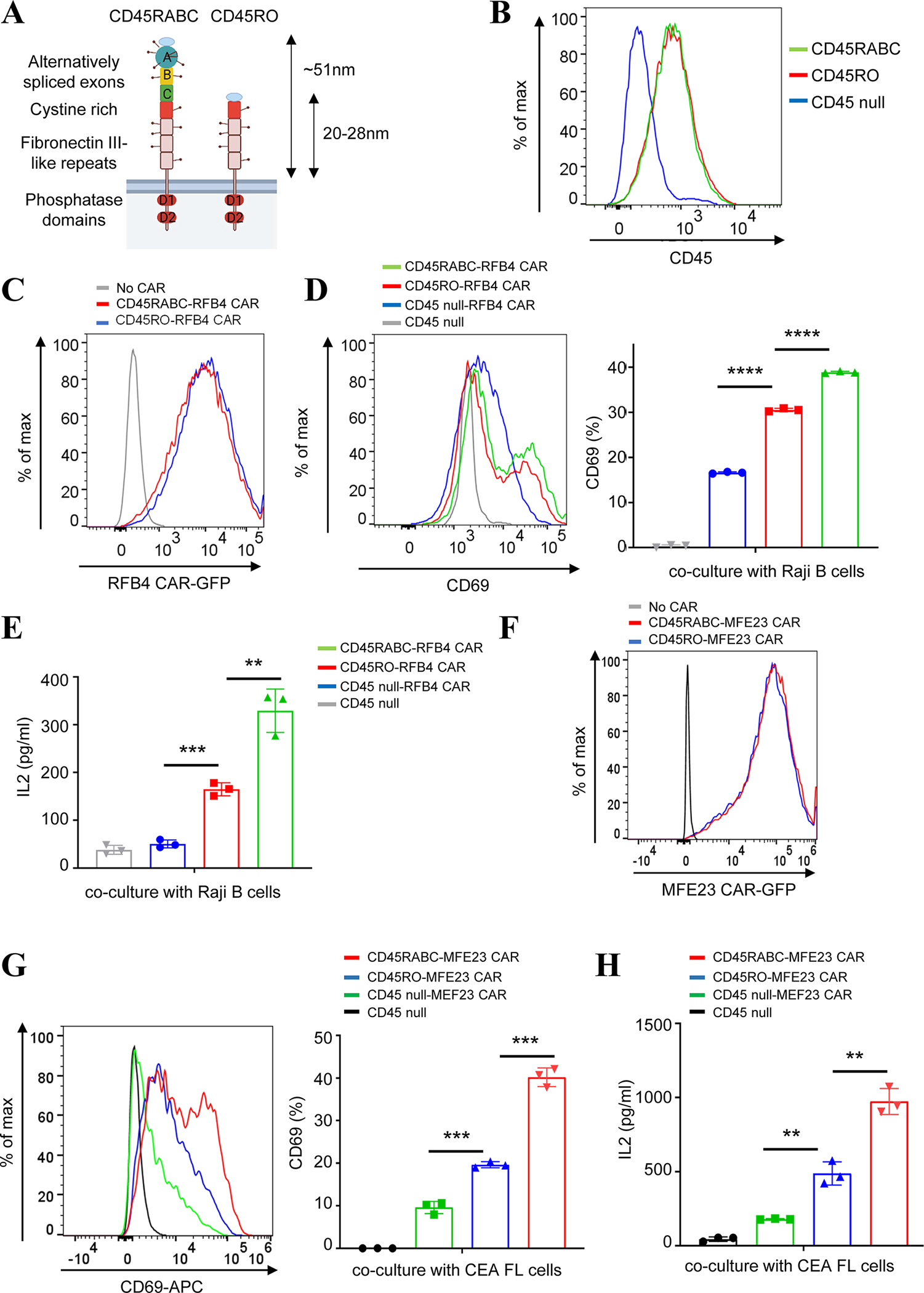
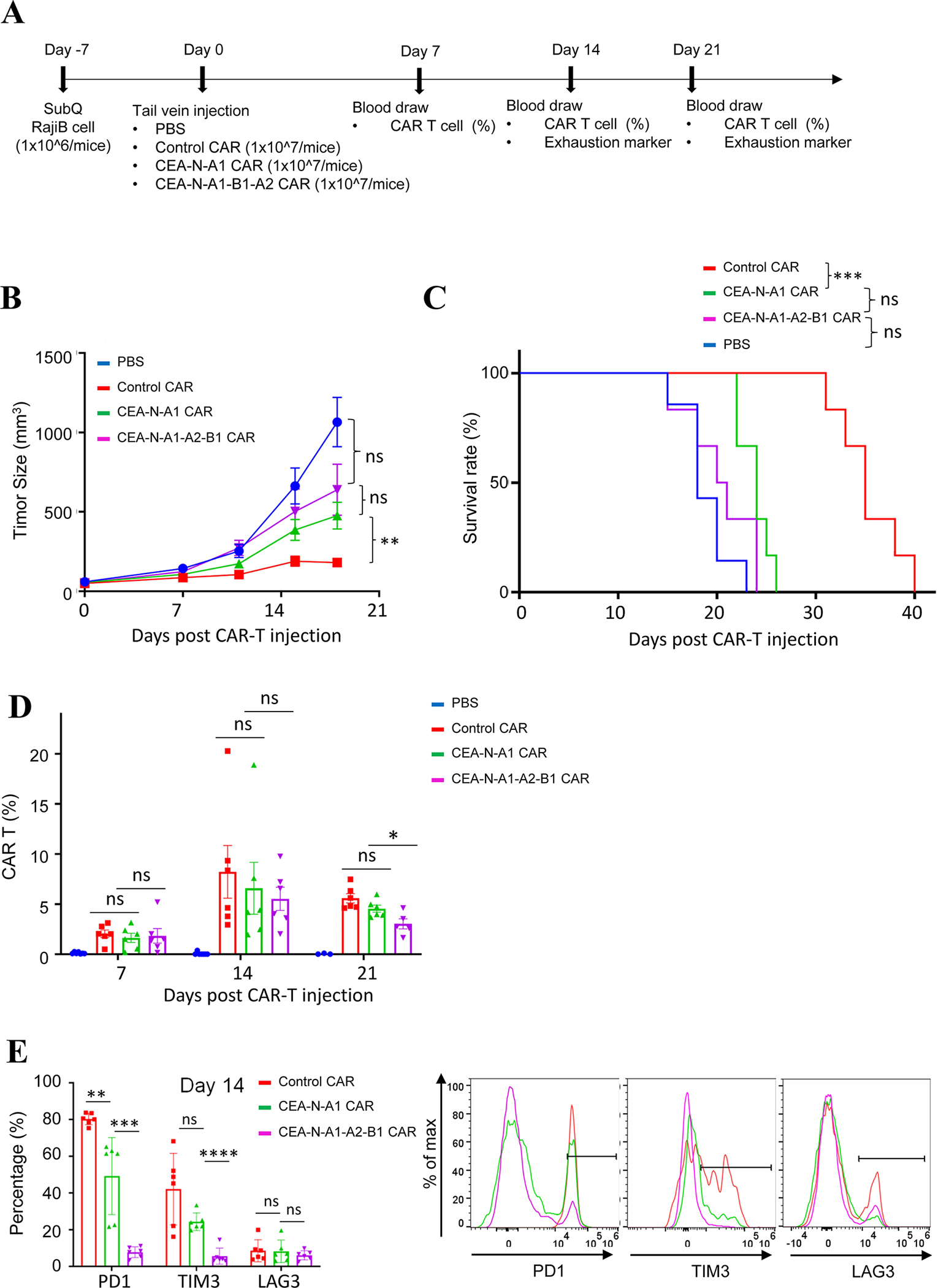
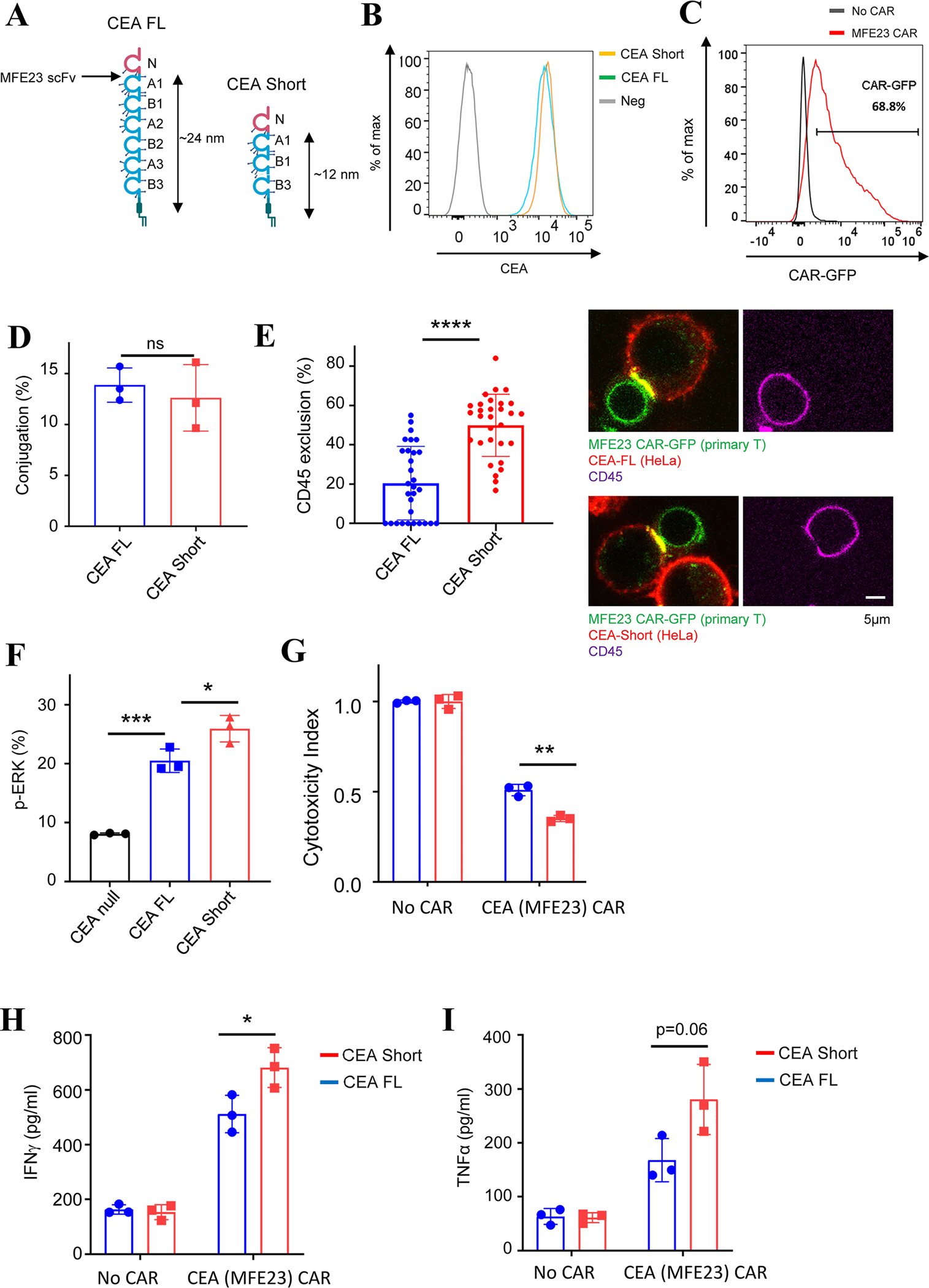
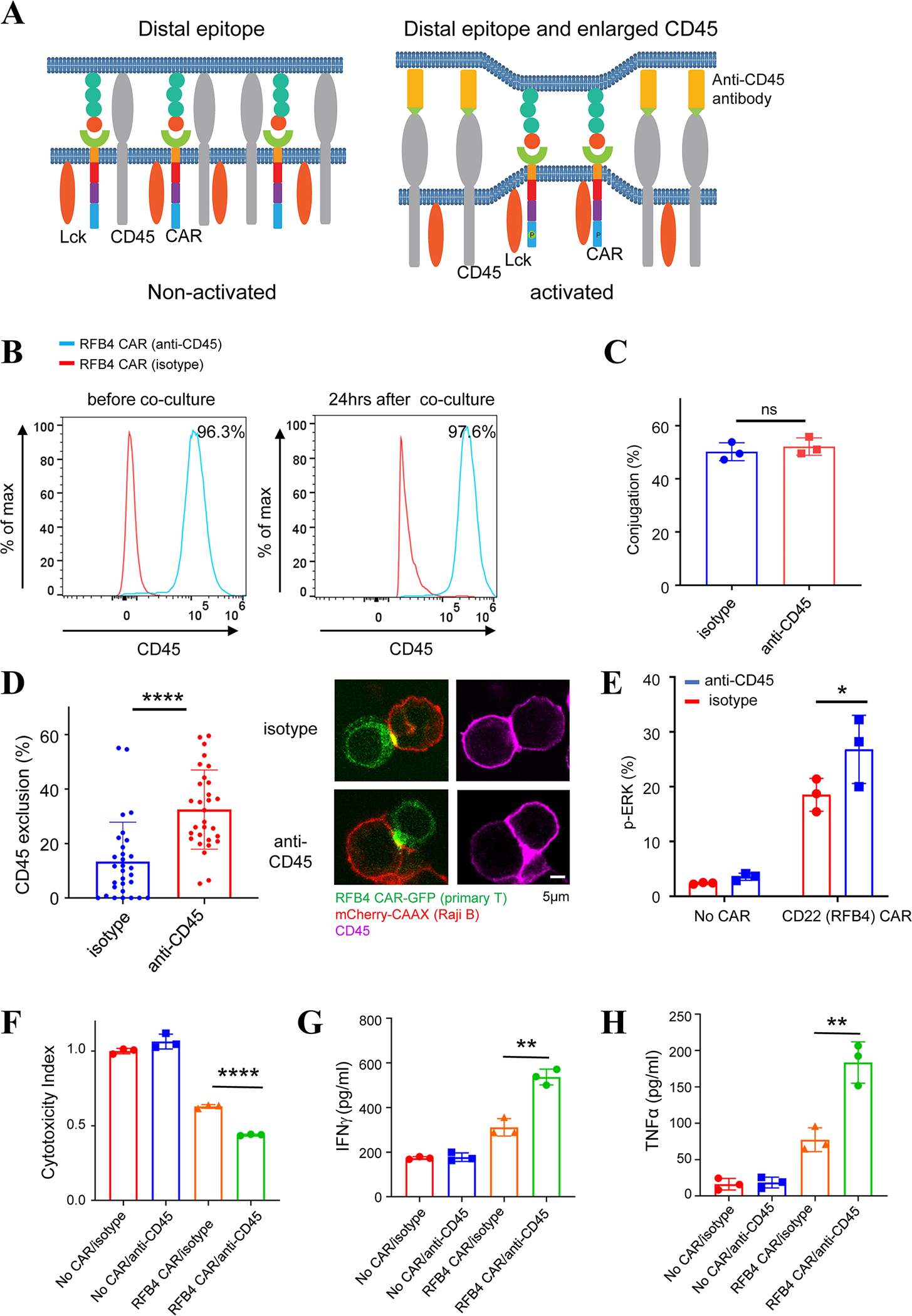
As the targets of chimeric antigen receptor (CAR)-T cells expand to a variety of cancers, autoimmune diseases, viral infections, and fibrosis, there is an increasing demand for identifying new antigens and designing new CARs that can be effectively activated. However, the rational selection of antigens and the design of CARs are limited by a lack of knowledge regarding the molecular mechanism by which CARs are activated by antigens. Here, we present data supporting a "size exclusion" model explaining how antigen signals are transmitted across the plasma membrane to activate the intracellular domains of CARs. In this model, antigen engagement with CAR results in a narrow intermembrane space that physically excludes CD45, a bulky phosphatase, out of the CAR zone, thus favoring CAR phosphorylation by kinases, which further triggers downstream pathways leading to T cell activation. Aligned with this model, increasing the size of CAR extracellular domains diminished CAR-T activation both in vitro and in a mouse lymphoma model; membrane-proximal epitopes activated CAR-Ts better than membrane-distal epitopes. Moreover, increasing the size of CD45 by antibody conjugation enhanced the activation of CARs that recognize membrane-distal epitopes. Consistently, CAR-Ts expressing CD45RABC, the larger isoform, were activated to a higher level than those expressing a smaller isoform CD45RO. Together, our work revealed that CAR-T activation depends on the size difference between the CAR-antigen pair and CD45; the size of CAR, antigen, and CD45 can thus be targets for tuning CAR-T activation.
随着嵌合抗原受体 (CAR)-T 细胞的靶点扩展到多种癌症、自身免疫性疾病、病毒感染和纤维化,人们对识别新抗原和设计新的能够有效激活的 CAR 的需求日益增加。然而,由于缺乏关于 CAR 通过抗原激活的分子机制的知识,抗原和 CAR 的合理选择受到限制。在这里,我们提供的数据支持一种“尺寸排除”模型,该模型解释了抗原信号如何穿过质膜传递以激活 CAR 的细胞内结构域。在该模型中,CAR 与抗原的结合导致质膜之间的空间变窄,从而将体积庞大的磷酸酶 CD45 排除在 CAR 区域之外,从而有利于激酶对 CAR 的磷酸化,这进一步触发下游途径导致 T 细胞激活。与该模型一致的是,增加 CAR 细胞外结构域的大小会在体外和小鼠淋巴瘤模型中均降低 CAR-T 的激活;靠近膜的表位比远离膜的表位更好地激活 CAR-T。此外,通过抗体缀合增加 CD45 的大小增强了对识别远离膜的表位的 CAR 的激活。一致地,表达更大的 CD45RABC 同工型的 CAR-T 比表达更小的 CD45RO 同工型的 CAR-T 被激活到更高的水平。总之,我们的工作揭示了 CAR-T 激活取决于 CAR-抗原对和 CD45 之间的大小差异;因此,CAR、抗原和 CD45 的大小可以成为调节 CAR-T 激活的目标。