Department of Genetics & Integrative Omics, State Key Laboratory of Proteomics, National Center for Protein Sciences, Beijing Institute of Radiation Medicine, 100850, Beijing, China.
Department of Hepatobiliary Surgery, Chinese PLA General Hospital, 100853, Beijing, China.
Nat Commun. 2022 Aug 6;13(1):4594. doi: 10.1038/s41467-022-32283-3.
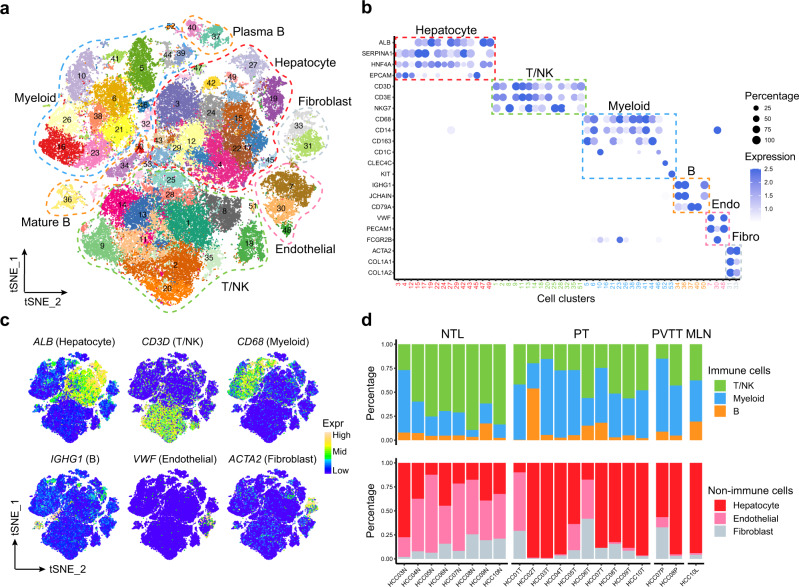
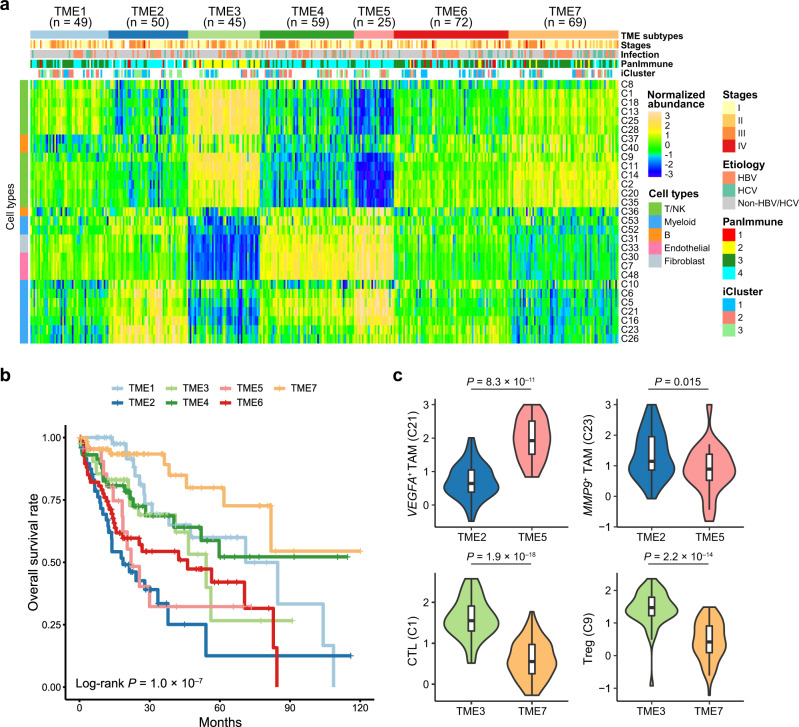
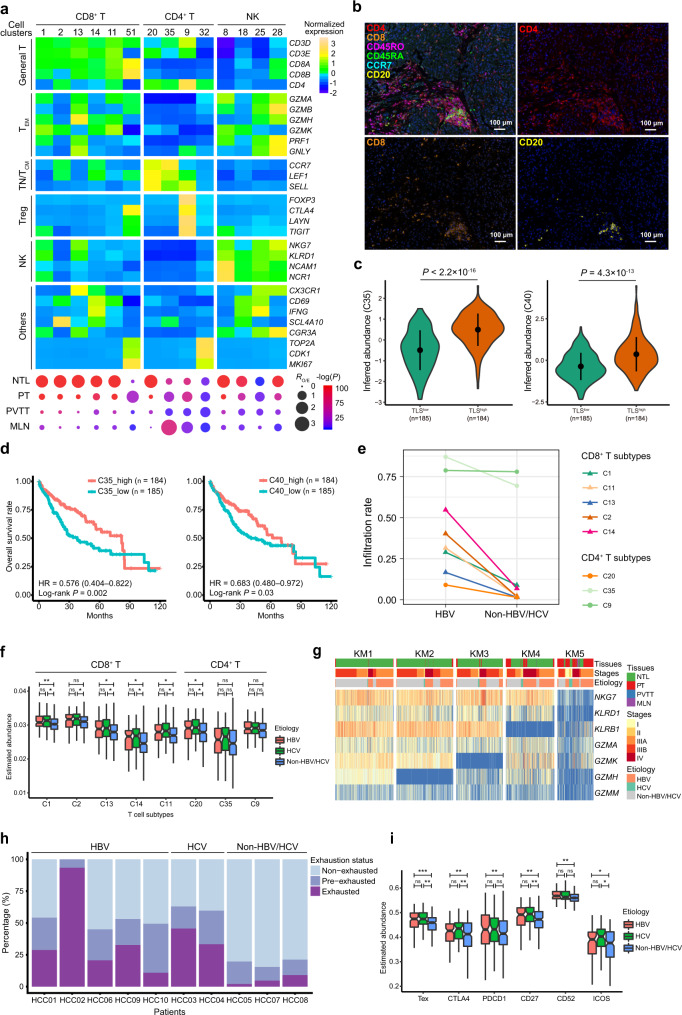
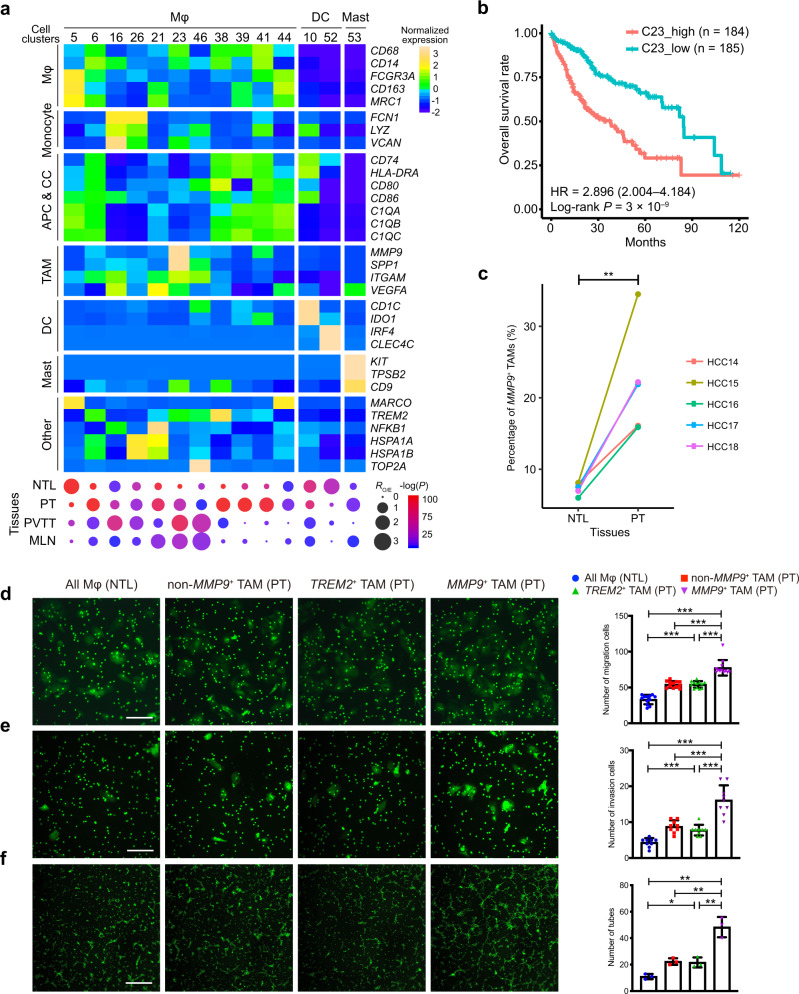
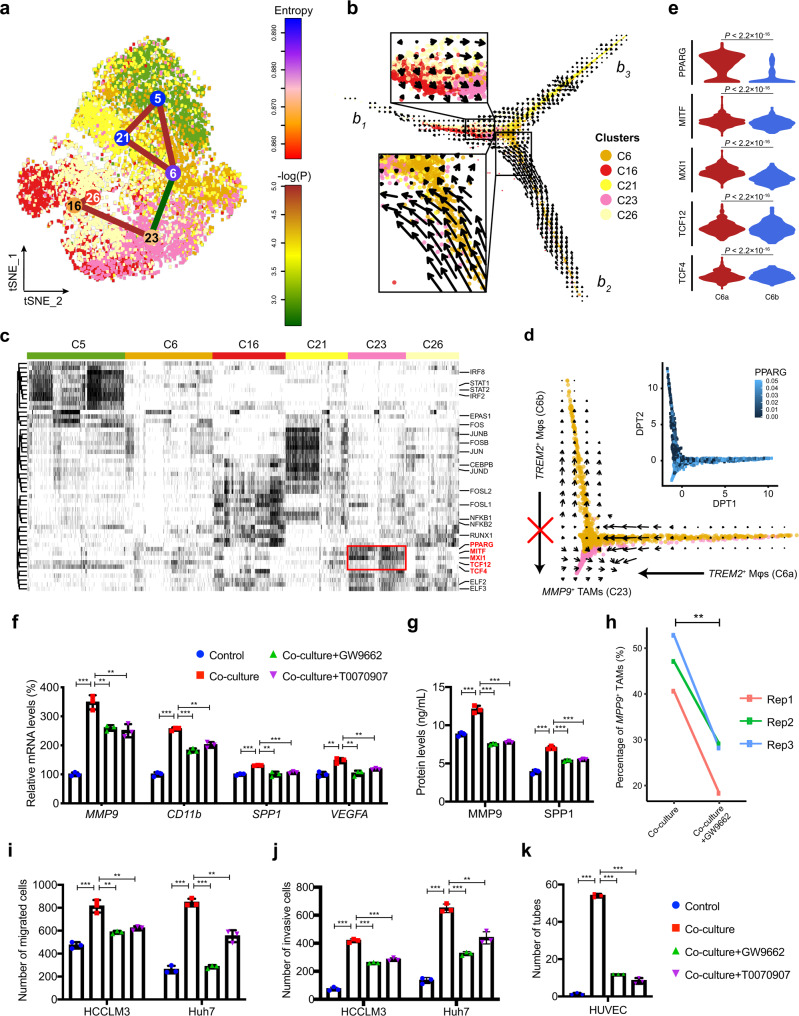
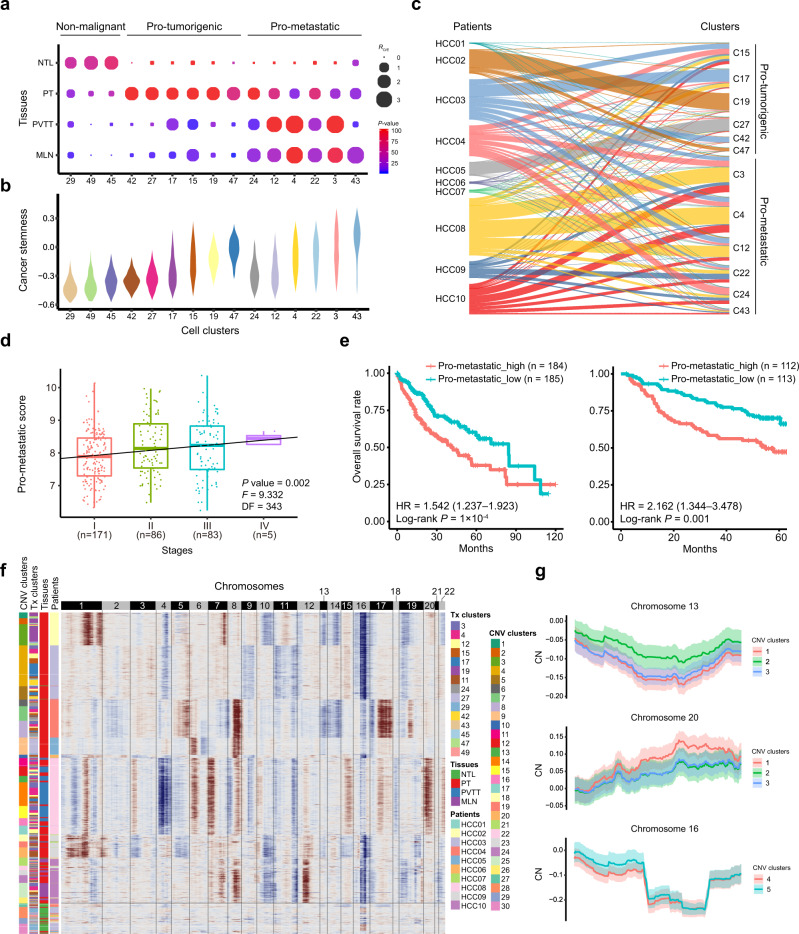
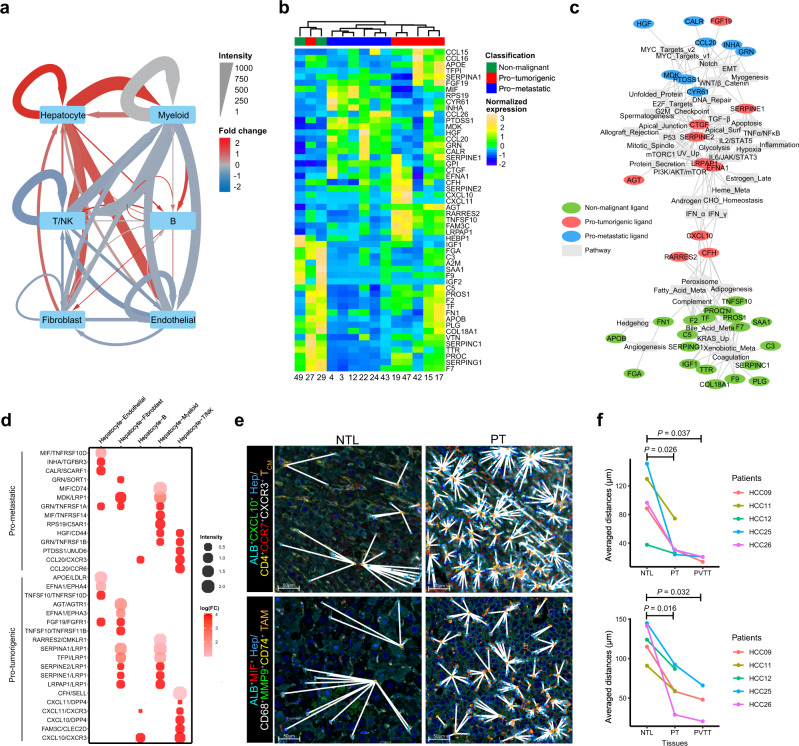
Hepatocellular carcinoma (HCC) represents a paradigm of the relation between tumor microenvironment (TME) and tumor development. Here, we generate a single-cell atlas of the multicellular ecosystem of HCC from four tissue sites. We show the enrichment of central memory T cells (T) in the early tertiary lymphoid structures (E-TLSs) in HCC and assess the relationships between chronic HBV/HCV infection and T cell infiltration and exhaustion. We find the MMP9 macrophages to be terminally differentiated tumor-associated macrophages (TAMs) and PPARγ to be the pivotal transcription factor driving their differentiation. We also characterize the heterogeneous subpopulations of malignant hepatocytes and their multifaceted functions in shaping the immune microenvironment of HCC. Finally, we identify seven microenvironment-based subtypes that can predict prognosis of HCC patients. Collectively, this large-scale atlas deepens our understanding of the HCC microenvironment, which might facilitate the development of new immune therapy strategies for this malignancy.
肝细胞癌 (HCC) 代表了肿瘤微环境 (TME) 与肿瘤发展之间关系的典范。在这里,我们从四个组织部位生成了 HCC 多细胞生态系统的单细胞图谱。我们显示了中央记忆 T 细胞 (T) 在 HCC 早期三级淋巴结构 (E-TLS) 中的富集,并评估了慢性 HBV/HCV 感染与 T 细胞浸润和耗竭之间的关系。我们发现 MMP9 巨噬细胞是终末分化的肿瘤相关巨噬细胞 (TAMs),PPARγ 是驱动其分化的关键转录因子。我们还描述了恶性肝细胞的异质亚群及其在塑造 HCC 免疫微环境中的多方面功能。最后,我们确定了七个基于微环境的亚型,这些亚型可以预测 HCC 患者的预后。总的来说,这个大规模图谱加深了我们对 HCC 微环境的理解,这可能有助于为这种恶性肿瘤开发新的免疫治疗策略。