Department of Emergency, Longhua Hospital, Shanghai University of Traditional Chinese Medicine, Shanghai 200032, China.
Acupuncture and Massage College, Shanghai University of Traditional Chinese Medicine, Shanghai 201203, China.
J Integr Med. 2022 Nov;20(6):561-574. doi: 10.1016/j.joim.2022.07.005. Epub 2022 Jul 28.
Severe cases of coronavirus disease 2019 (COVID-19) are expected to have a worse prognosis than mild cases. Shenhuang Granule (SHG) has been shown to be a safe and effective treatment for severe COVID-19 in a previous randomized clinical trial, but the active chemical constituents and underlying mechanisms of action remain unknown. The goal of this study is to explore the chemical basis and mechanisms of SHG in the treatment of severe COVID-19, using network pharmacology.
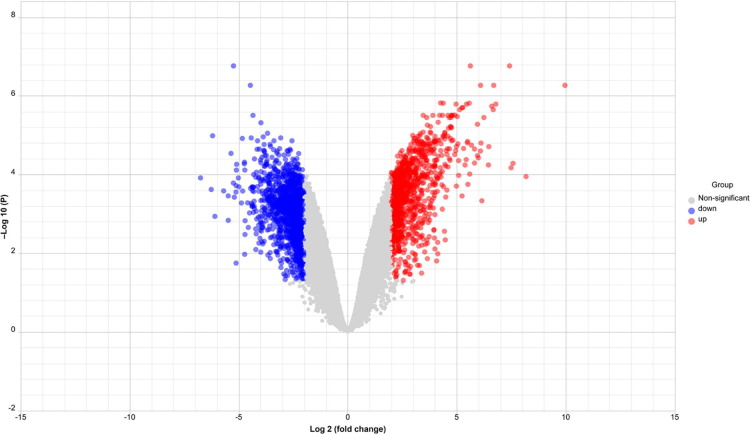
Ultra-performance liquid chromatography-quadrupole time-of-flight mass spectrometry was employed to screen chemical constituents of SHG. Putative therapeutic targets were predicted by searching traditional Chinese medicine system pharmacology database and analysis platform, SwissTargetPrediction, and Gene Expression Omnibus (GEO) databases. The target protein-protein interaction network and enrichment analysis were performed to investigate the hub genes and presumptive mechanisms. Molecular docking and molecular dynamics simulations were used to verify the stability and interaction between the key chemical constituents of SHG and COVID-19 protein targets.
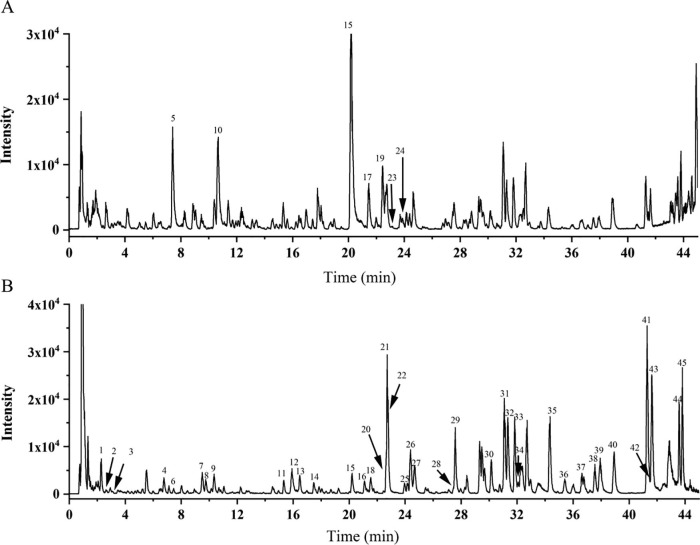
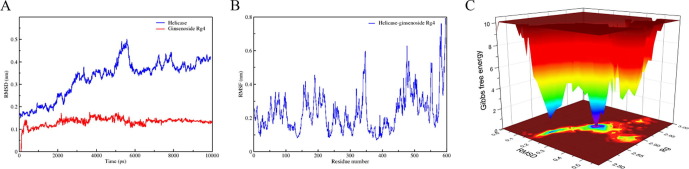
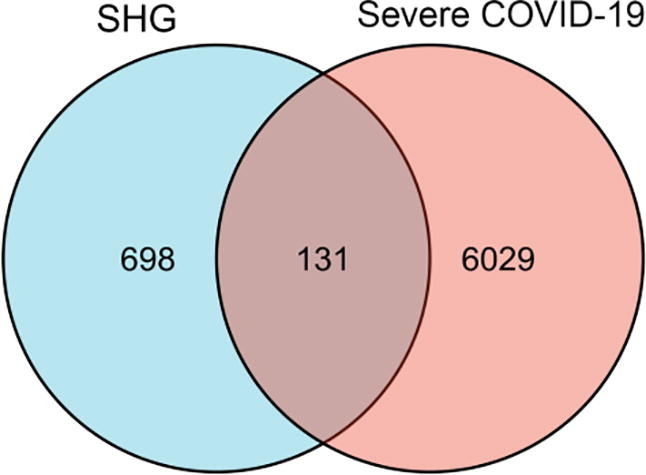
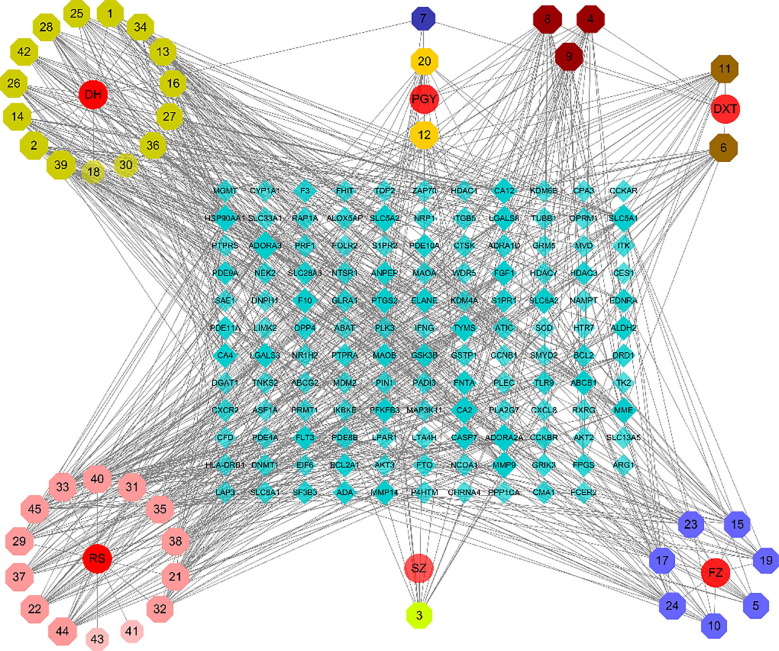
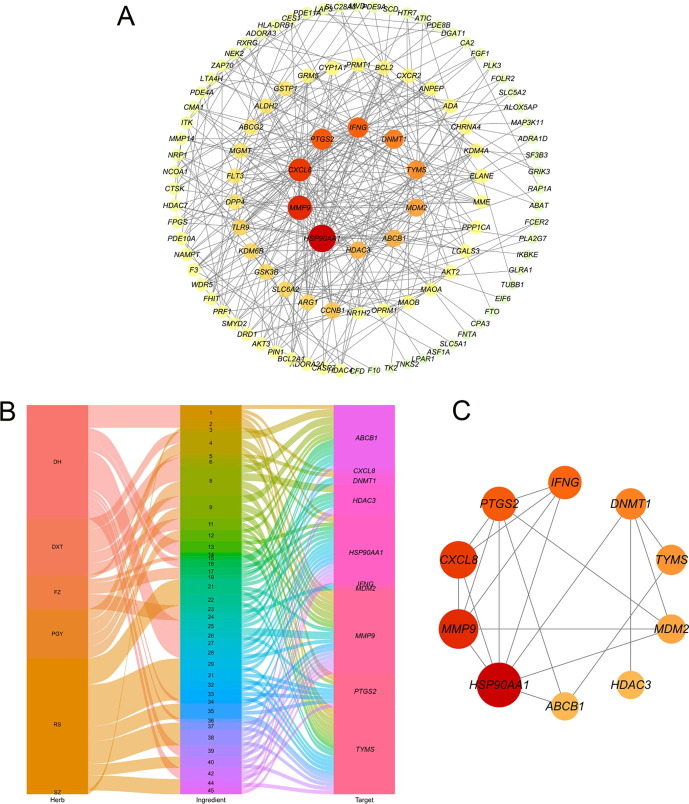
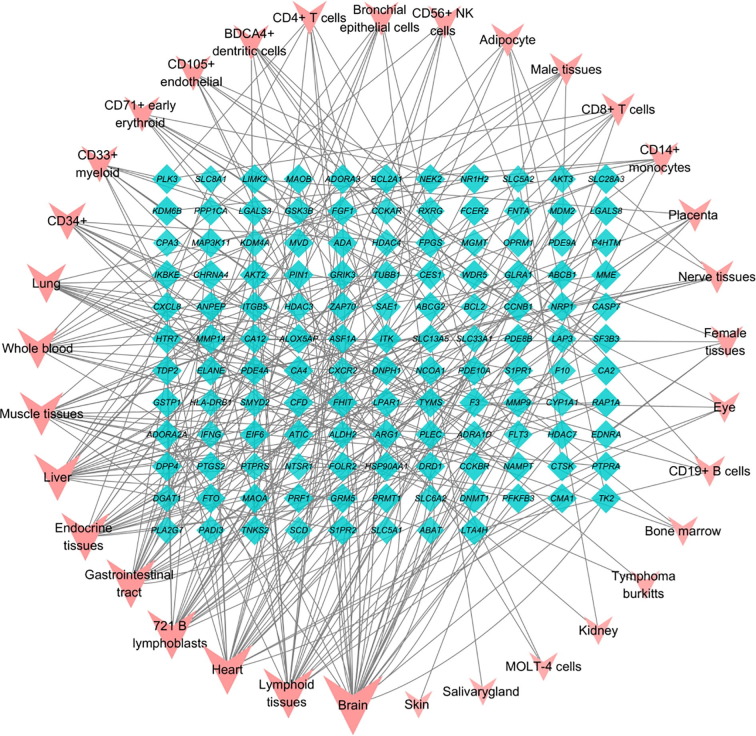
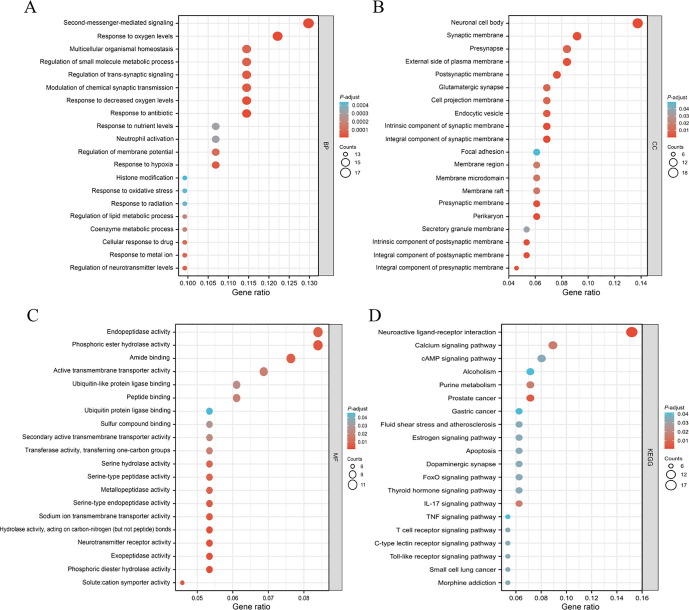
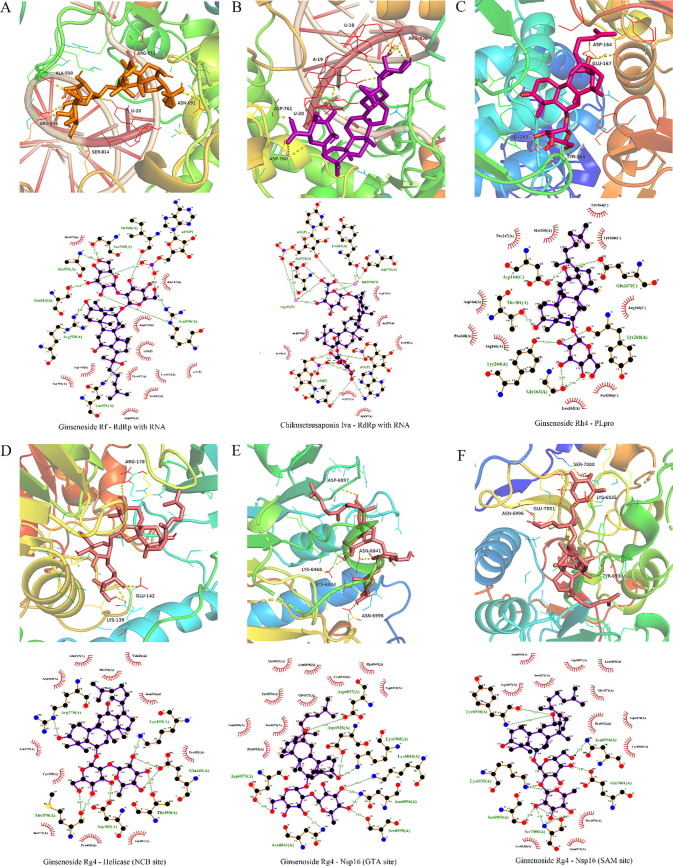
Forty-five chemical constituents of SHG were identified along with 131 corresponding therapeutic targets, including hub genes such as HSP90AA1, MMP9, CXCL8, PTGS2, IFNG, DNMT1, TYMS, MDM2, HDAC3 and ABCB1. Functional enrichment analysis indicated that SHG mainly acted on the neuroactive ligand-receptor interaction, calcium signaling pathway and cAMP signaling pathway. Molecular docking showed that the key constituents had a good affinity with the severe acute respiratory syndrome coronavirus 2 protein targets. Molecular dynamics simulations indicated that ginsenoside Rg4 formed a stable protein-ligand complex with helicase.
Multiple components of SHG regulated multiple targets to inhibit virus invasion and cytokine storm through several signaling pathways; this provides a scientific basis for clinical applications and further experiments.
预计 2019 年冠状病毒病(COVID-19)的严重病例比轻症病例预后更差。在之前的一项随机临床试验中,已证实肾黄颗粒(SHG)可安全有效地治疗重症 COVID-19,但活性化学成分和潜在作用机制仍不清楚。本研究旨在利用网络药理学探索 SHG 治疗重症 COVID-19 的化学基础和作用机制。
采用超高效液相色谱-四极杆飞行时间质谱法筛选 SHG 的化学成分。通过中药系统药理学数据库和分析平台、SwissTargetPrediction 和基因表达综合数据库(GEO)搜索预测潜在的治疗靶点。进行靶蛋白-蛋白相互作用网络和富集分析,以研究枢纽基因和假定机制。采用分子对接和分子动力学模拟验证 SHG 关键化学成分与 COVID-19 蛋白靶标的稳定性和相互作用。
鉴定出 SHG 的 45 种化学成分和 131 个相应的治疗靶点,包括 HSP90AA1、MMP9、CXCL8、PTGS2、IFNG、DNMT1、TYMS、MDM2、HDAC3 和 ABCB1 等枢纽基因。功能富集分析表明,SHG 主要作用于神经活性配体-受体相互作用、钙信号通路和 cAMP 信号通路。分子对接表明,关键成分与严重急性呼吸综合征冠状病毒 2 蛋白靶标具有良好的亲和力。分子动力学模拟表明,人参皂苷 Rg4 与解旋酶形成稳定的蛋白-配体复合物。
SHG 的多种成分通过多个信号通路调节多个靶点,抑制病毒入侵和细胞因子风暴;这为临床应用和进一步实验提供了科学依据。