Laboratory of Systems and Synthetic Biology, Wageningen University & Research, Wageningen, 6708 WE, The Netherlands.
Department of Life Sciences, Imperial College London, Exhibition Road, South Kensington, London, SW72BX, UK.
Microb Cell Fact. 2022 Aug 8;21(1):156. doi: 10.1186/s12934-022-01883-5.
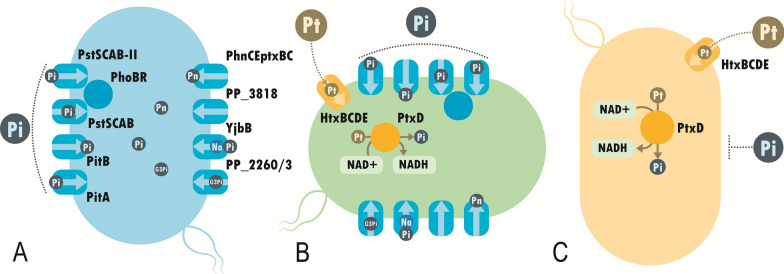
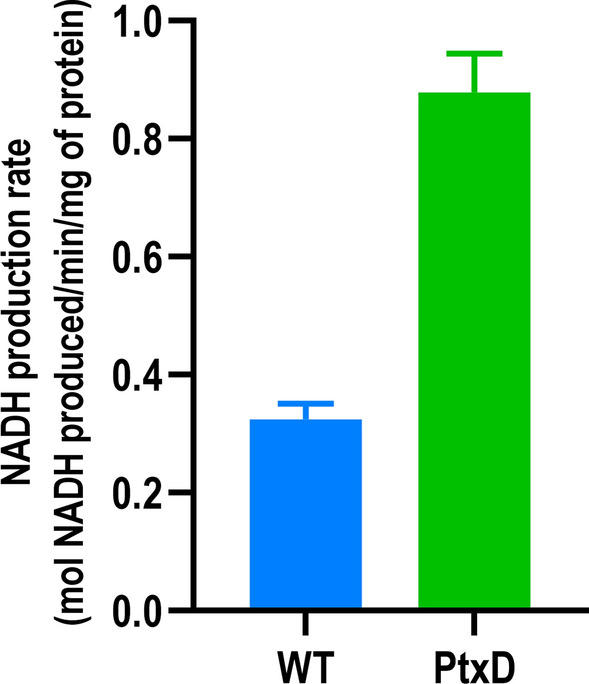
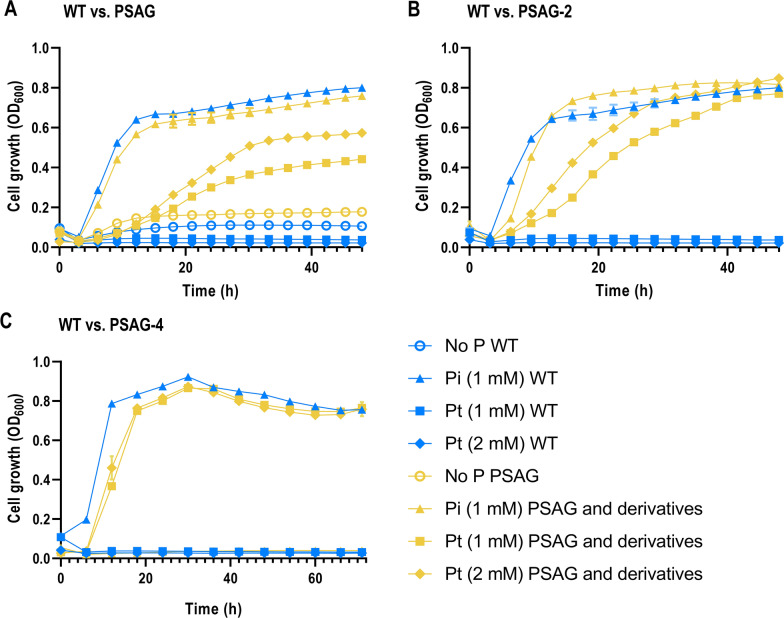
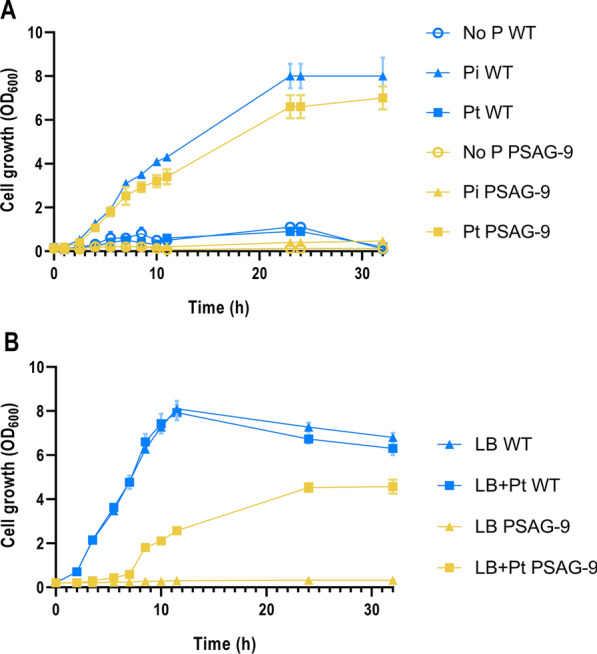
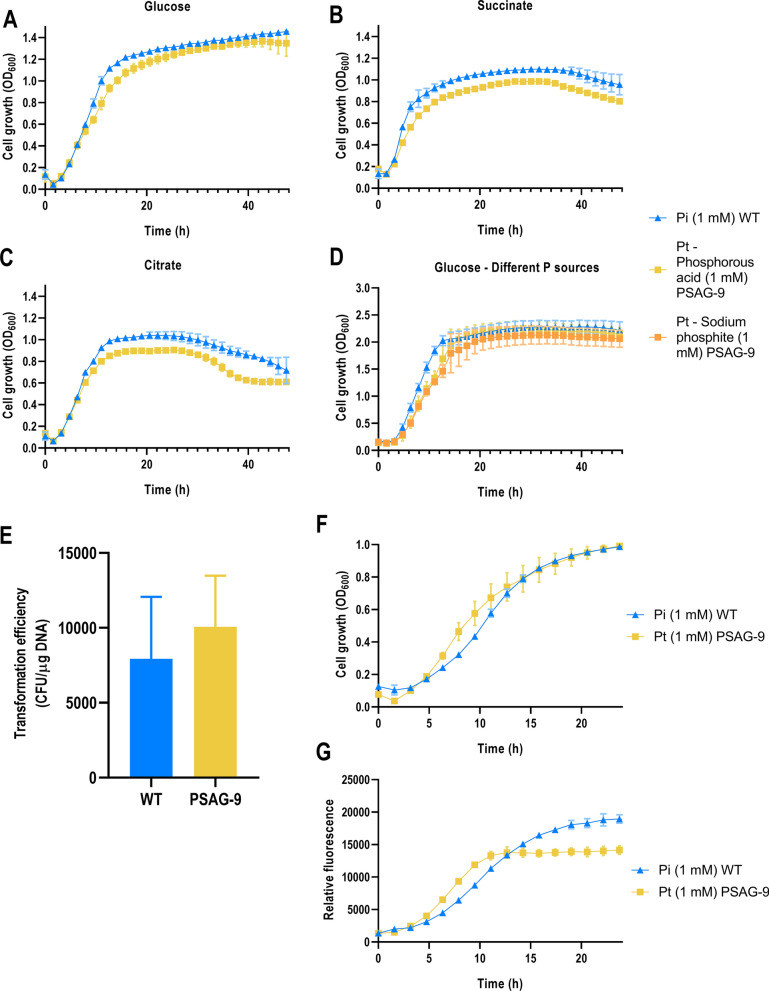
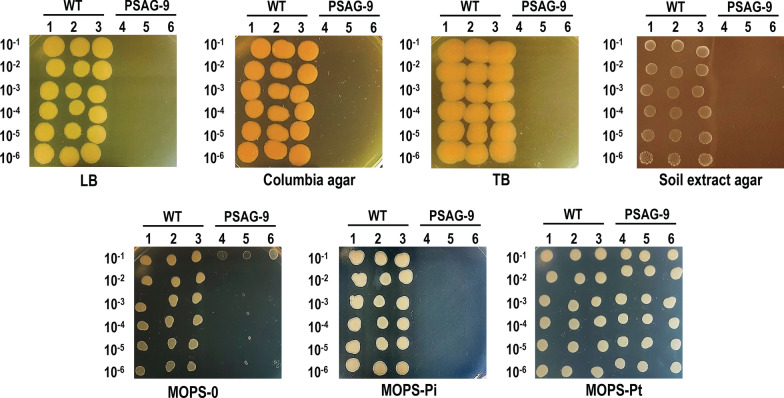
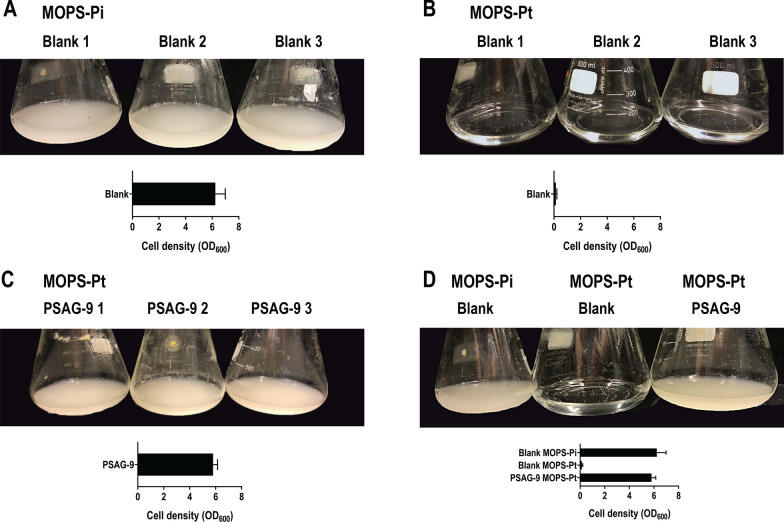
The inclusion of biosafety strategies into strain engineering pipelines is crucial for safe-by-design biobased processes. This in turn might enable a more rapid regulatory acceptance of bioengineered organisms in both industrial and environmental applications. For this reason, we equipped the industrially relevant microbial chassis Pseudomonas putida KT2440 with an effective biocontainment strategy based on a synthetic dependency on phosphite, which is generally not readily available in the environment. The produced PSAG-9 strain was first engineered to assimilate phosphite through the genome-integration of a phosphite dehydrogenase and a phosphite-specific transport complex. Subsequently, to deter the strain from growing on naturally assimilated phosphate, all native genes related to its transport were identified and deleted generating a strain unable to grow on media containing any phosphorous source other than phosphite. PSAG-9 exhibited fitness levels with phosphite similar to those of the wild type with phosphate, and low levels of escape frequency. Beyond biosafety, this strategy endowed P. putida with the capacity to be cultured under non-sterile conditions using phosphite as the sole phosphorous source with a reduced risk of contamination by other microbes, while displaying enhanced NADH regenerative capacity. These industrially beneficial features complement the metabolic advantages for which this species is known for, thereby strengthening it as a synthetic biology chassis with potential uses in industry, with suitability towards environmental release.
将生物安全策略纳入菌株工程管道对于安全设计的生物基工艺至关重要。这反过来又可能使经过生物工程改造的生物体在工业和环境应用中更快地获得监管部门的认可。出于这个原因,我们为工业相关微生物底盘假单胞菌 KT2440 配备了一种基于对亚磷酸有效生物控制的策略,亚磷酸在环境中通常不易获得。首先通过基因组整合亚磷酸脱氢酶和亚磷酸特异性运输复合物来设计 PSAG-9 菌株以同化亚磷酸。随后,为了阻止该菌株在自然同化的磷酸盐上生长,鉴定并删除了所有与其运输相关的天然基因,从而产生了一种不能在含有除亚磷酸以外的任何磷源的培养基上生长的菌株。PSAG-9 表现出的亚磷酸适应性与野生型在磷酸盐上的适应性相似,并且逃逸频率较低。除了生物安全之外,这种策略还使假单胞菌能够在非无菌条件下使用亚磷酸作为唯一的磷源进行培养,从而降低了被其他微生物污染的风险,同时显示出增强的 NADH 再生能力。这些工业有益的特征补充了该物种已知的代谢优势,从而使其成为具有潜在工业用途和适合环境释放的合成生物学底盘。