Wang Zhikun, Zhao Zhonghan, Gao Bo, Zhang Lingli
School of Kinesiology, Shanghai University of Sport, Shanghai, China.
Institute of Orthopedic Surgery, Xijing Hospital, Fourth Military Medical University, Xi'an, China.
Front Bioeng Biotechnol. 2022 Jul 22;10:953916. doi: 10.3389/fbioe.2022.953916. eCollection 2022.
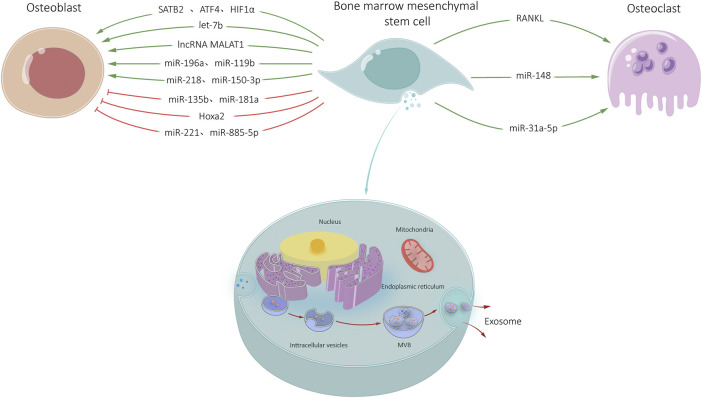
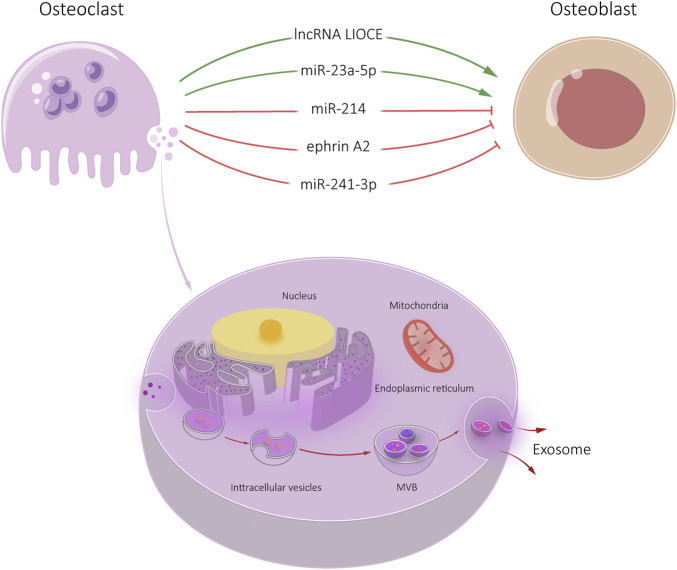
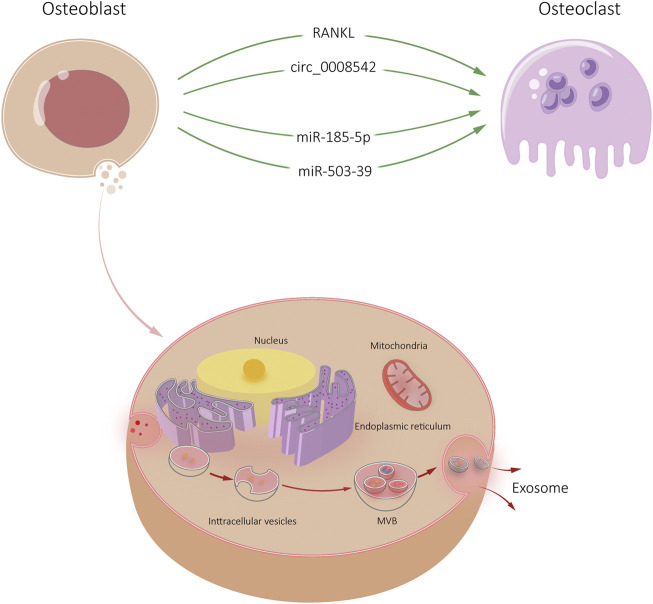
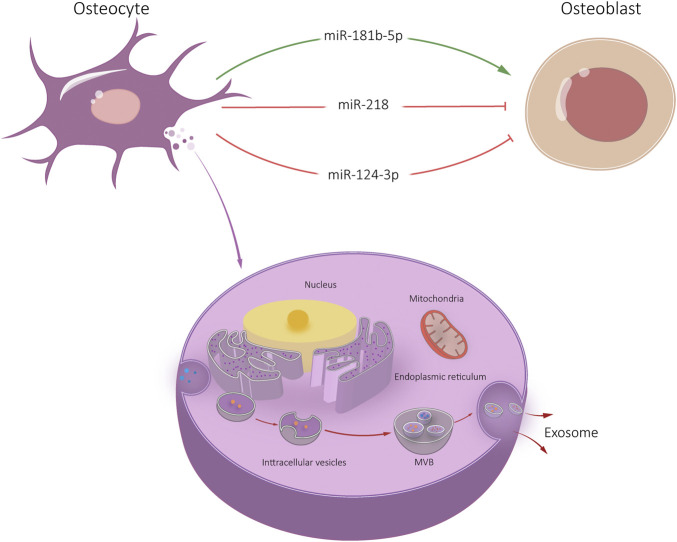
Exosomes are membranous lipid vesicles fused with intracellular multicellular bodies that are released into the extracellular environment. They contain bioactive substances, including proteins, RNAs, lipids, and cytokine receptors. Exosomes in the skeletal microenvironment are derived from a variety of cells such as bone marrow mesenchymal stem cells (BMSCs), osteoblasts, osteoclasts, and osteocytes. Their biological function is key in paracrine or endocrine signaling. Exosomes play a role in bone remodeling by regulating cell proliferation and differentiation. Genetic engineering technology combined with exosome-based drug delivery can therapy bone metabolic diseases. In this review, we summarized the pathways of exosomes derived from different skeletal cells (i.e., BMSCs, osteoblasts, osteocytes, and osteoclasts) regulate the skeletal microenvironment through proteins, mRNAs, and non-coding RNAs. By exploring the role of exosomes in the skeletal microenvironment, we provide a theoretical basis for the clinical treatment of bone-related metabolic diseases, which may lay the foundation to improve bone tumor microenvironments, alleviate drug resistance in patients.
外泌体是与细胞内多泡体融合的膜性脂质囊泡,释放到细胞外环境中。它们含有生物活性物质,包括蛋白质、RNA、脂质和细胞因子受体。骨骼微环境中的外泌体来源于多种细胞,如骨髓间充质干细胞(BMSC)、成骨细胞、破骨细胞和骨细胞。它们的生物学功能在旁分泌或内分泌信号传导中起关键作用。外泌体通过调节细胞增殖和分化在骨重塑中发挥作用。基因工程技术与基于外泌体的药物递送相结合可治疗骨代谢疾病。在本综述中,我们总结了来自不同骨骼细胞(即BMSC、成骨细胞、骨细胞和破骨细胞)的外泌体通过蛋白质、mRNA和非编码RNA调节骨骼微环境的途径。通过探索外泌体在骨骼微环境中的作用,我们为骨相关代谢疾病的临床治疗提供了理论依据,这可能为改善骨肿瘤微环境、减轻患者耐药性奠定基础。