Department of Stomatology, The Second Xiangya Hospital, Central South University, Changsha, China.
Hunan Key Laboratory of Oral Health Research, Hunan 3D Printing Engineering Research Center of Oral Care, Hunan Clinical Research Center of Oral Major Diseases and Oral Health, Xiangya Stomatological Hospital, Xiangya School of Stomatology, Central South University, Changsha, China.
Front Immunol. 2022 Jul 6;13:922195. doi: 10.3389/fimmu.2022.922195. eCollection 2022.
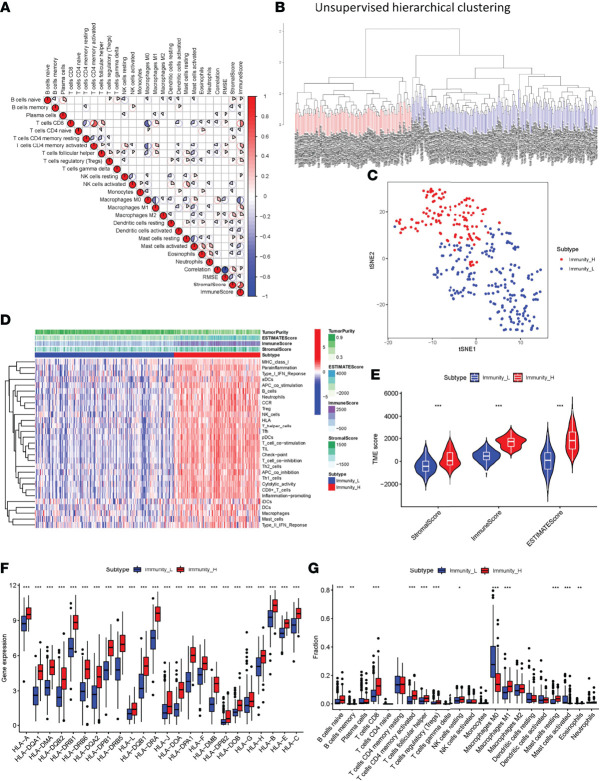
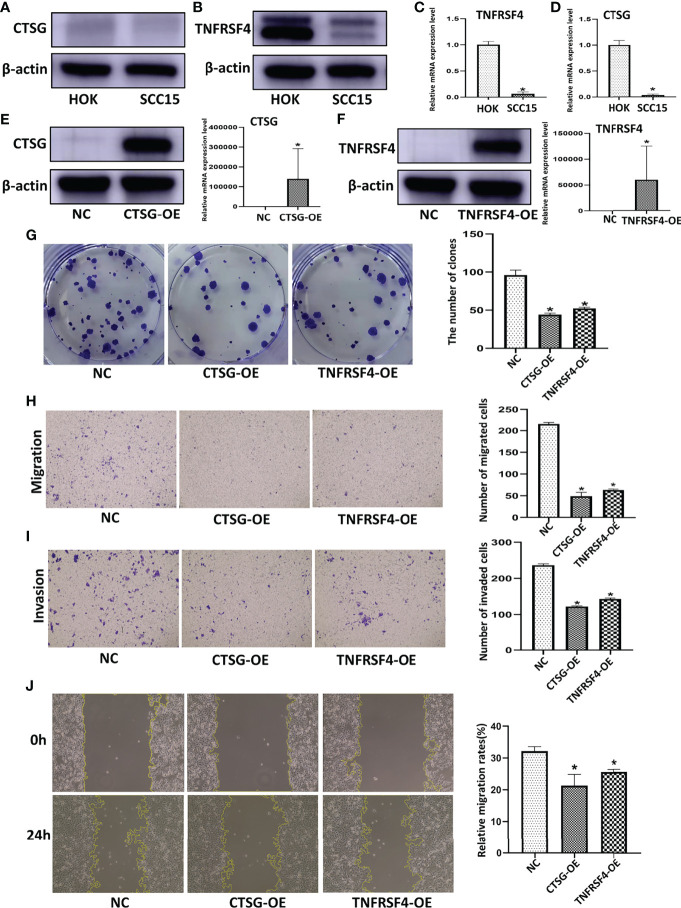
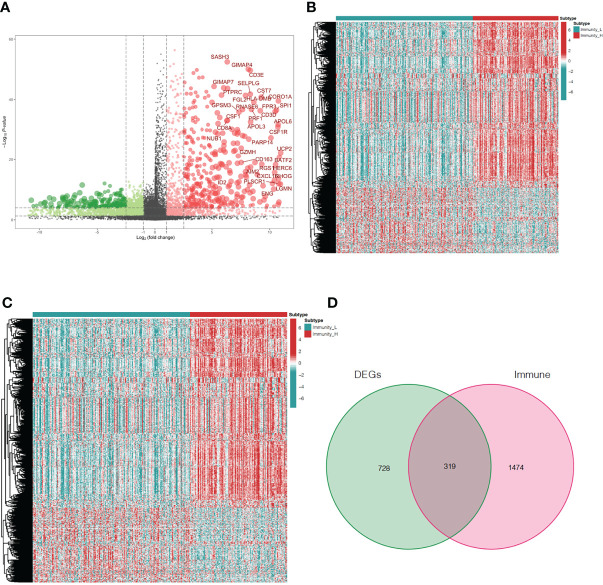
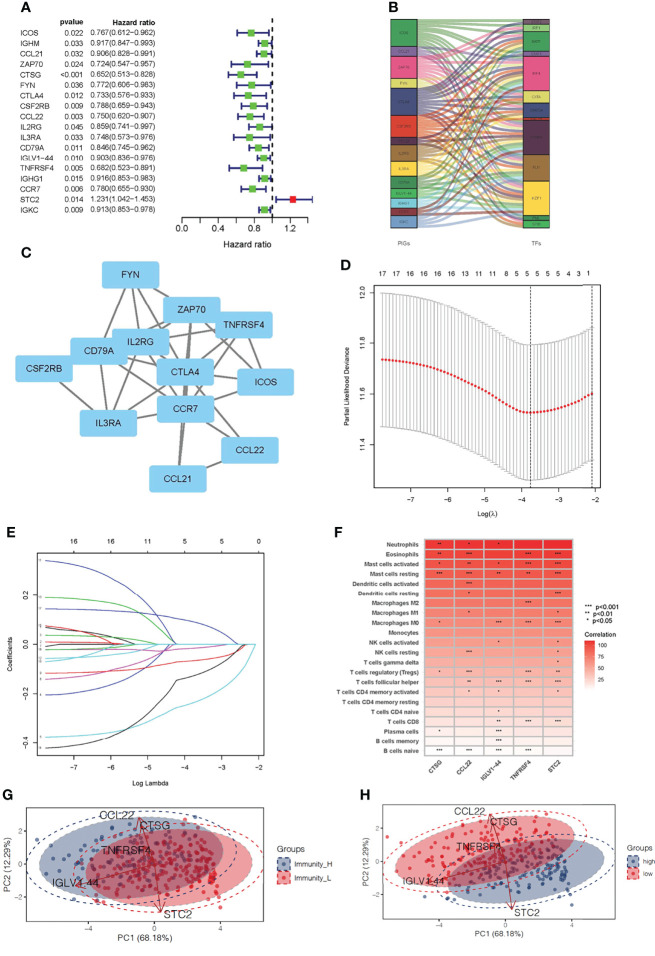
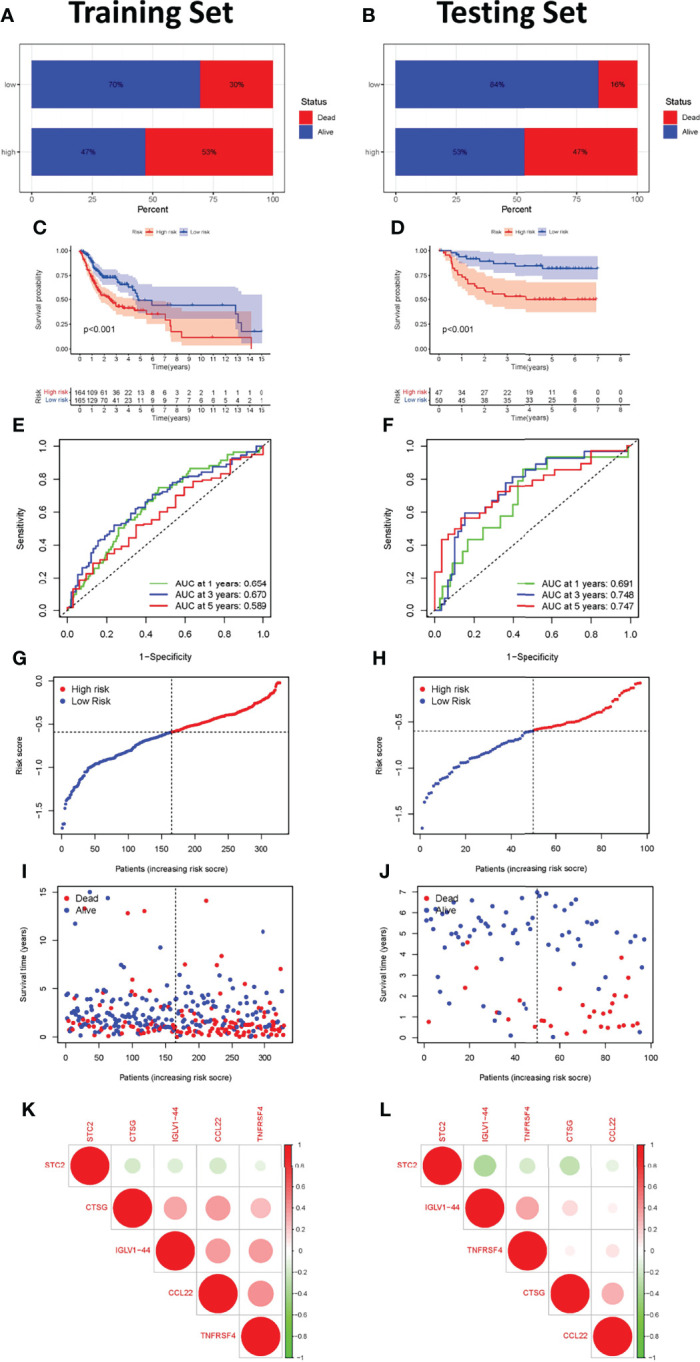
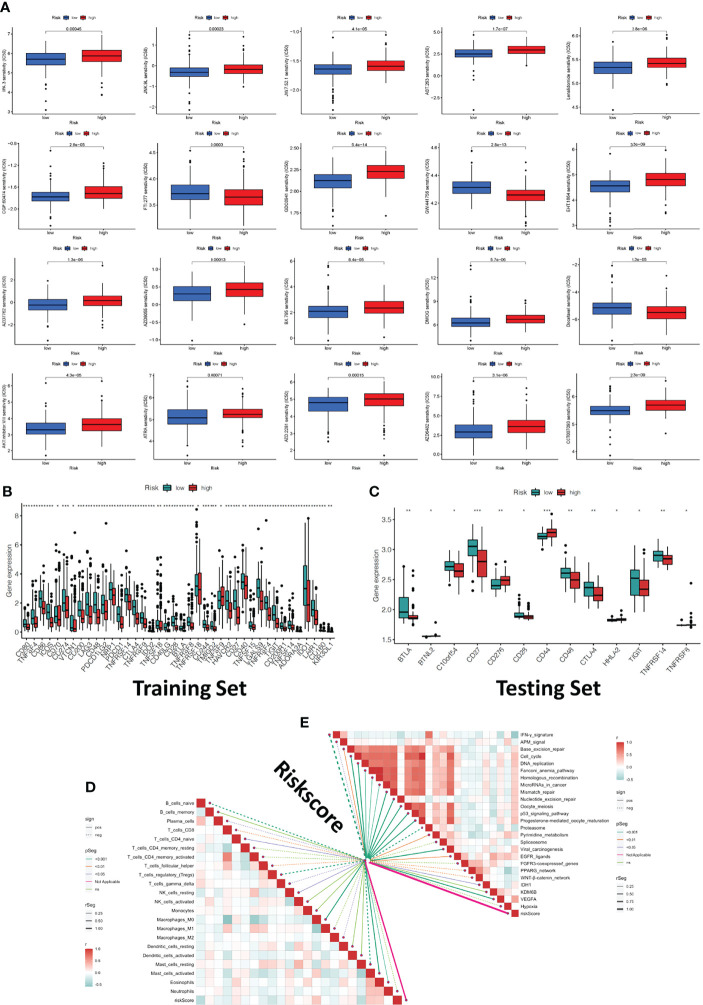
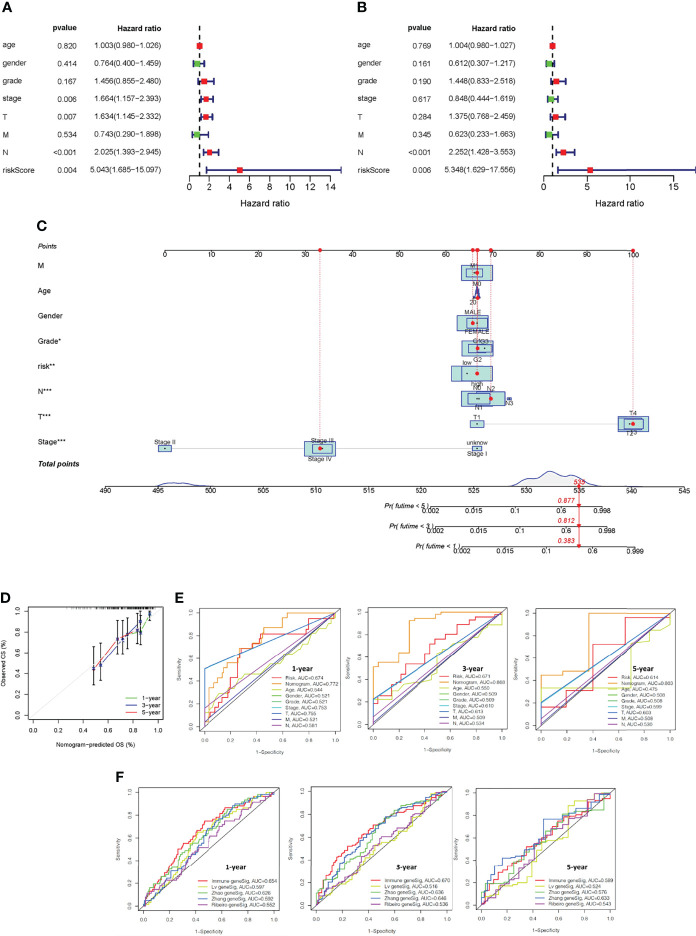
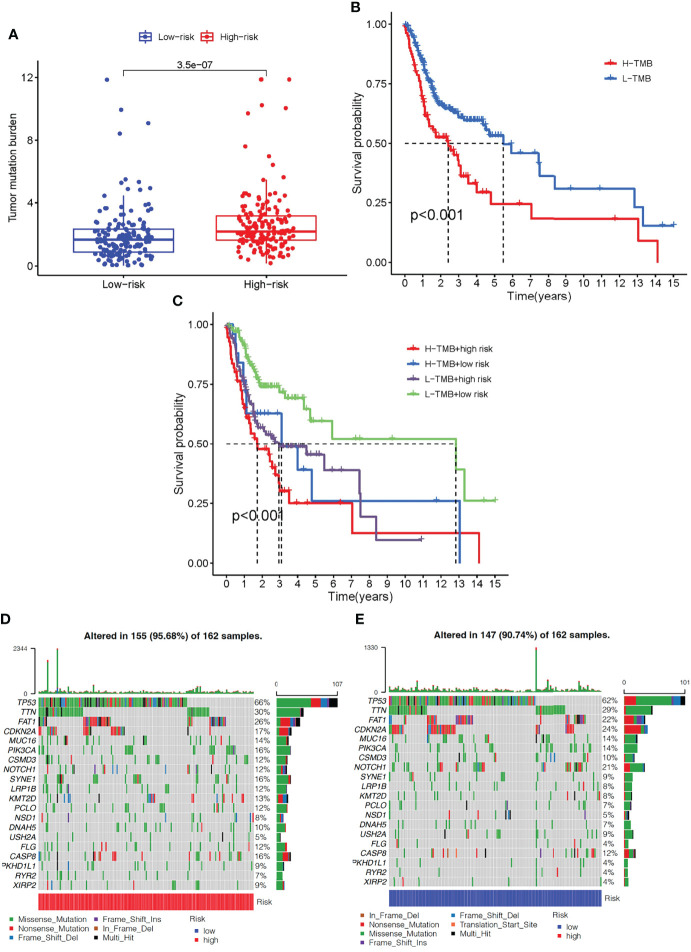
Oral squamous cell carcinoma (OSCC) is the most invasive oral malignancy in adults and is associated with a poor prognosis. Accurate prognostic models are urgently needed, however, knowledge of the probable mechanisms behind OSCC tumorigenesis and prognosis remain limited. The clinical importance of the interplay between the immune system and tumor microenvironment has become increasingly evident. This study explored immune-related alterations at the multi-omics level to extract accurate prognostic markers linked to the immune response and presents a more accurate landscape of the immune genomic map during OSCC. The Cancer Genome Atlas (TCGA) OSCC cohort (n = 329) was used to detect the immune infiltration pattern of OSCC and categorize patients into two immunity groups using single-sample gene set enrichment analysis (ssGSEA) and hierarchical clustering analysis. Multiple strategies, including lasso regression (LASSO), Cox proportional hazards regression, and principal component analysis (PCA) were used to screen clinically significant signatures and identify an incorporated prognosis model with robust discriminative power on the survival status of both the training and testing set. We identified two OSCC subtypes based on immunological characteristics: Immunity-high and immunity low, and verified that the categorization was accurate and repeatable. Immunity_ high cluster with a higher immunological and stromal score. 1047 differential genes (DEGs) integrate with immune genes to obtain 319 immue-related DEGs. A robust model with five signatures for OSCC patient prognosis was established. The GEO cohort (n = 97) were used to validate the risk model's predictive value. The low-risk group had a better overall survival (OS) than the high-risk group. Significant prognostic potential for OSCC patients was found using ROC analysis and immune checkpoint gene expression was lower in the low-risk group. We also investigated at the therapeutic sensitivity of a number of frequently used chemotherapeutic drugs in patients with various risk factors. The underlying biological behavior of the OSCC cell line was preliminarily validated. This study characterizes a reliable marker of OSCC disease progression and provides a new potential target for immunotherapy against this disease.
口腔鳞状细胞癌 (OSCC) 是成人中最具侵袭性的口腔恶性肿瘤,预后不良。然而,目前迫切需要准确的预后模型,而对 OSCC 肿瘤发生和预后的可能机制的了解仍然有限。免疫系统与肿瘤微环境之间相互作用的临床重要性变得越来越明显。本研究通过多组学水平探索了与免疫反应相关的改变,提取了与免疫反应相关的准确预后标志物,并呈现了 OSCC 中免疫基因组图谱的更准确景观。使用癌症基因组图谱 (TCGA) OSCC 队列 (n = 329) 检测 OSCC 的免疫浸润模式,并使用单样本基因集富集分析 (ssGSEA) 和层次聚类分析将患者分为两个免疫组。使用lasso 回归 (LASSO)、Cox 比例风险回归和主成分分析 (PCA) 等多种策略筛选具有临床意义的特征,并确定一个具有稳健判别能力的综合预后模型,可准确区分训练集和测试集的生存状态。我们根据免疫特征确定了两种 OSCC 亚型:免疫高和免疫低,并验证了分类是准确且可重复的。免疫高簇具有更高的免疫和基质评分。整合免疫基因得到 1047 个差异基因 (DEGs),获得 319 个免疫相关 DEGs。建立了一个具有 5 个 OSCC 患者预后特征的稳健模型。使用 GEO 队列 (n = 97) 验证风险模型的预测价值。低风险组的总体生存 (OS) 优于高风险组。ROC 分析发现了对 OSCC 患者有显著预后潜力,低风险组的免疫检查点基因表达较低。我们还研究了不同风险因素的患者对几种常用化疗药物的治疗敏感性。初步验证了 OSCC 细胞系的潜在生物学行为。本研究描述了一种可靠的 OSCC 疾病进展标志物,为针对这种疾病的免疫治疗提供了新的潜在靶点。