Qi Zongtai, Liu Yating, Mints Michael, Mullins Riley, Sample Reilly, Law Travis, Barrett Thomas, Mazul Angela L, Jackson Ryan S, Kang Stephen Y, Pipkorn Patrik, Parikh Anuraag S, Tirosh Itay, Dougherty Joseph, Puram Sidharth V
Department of Otolaryngology-Head and Neck Surgery, Washington University School of Medicine, St. Louis, MO 63110, USA.
Department of Genetics, Washington University School of Medicine, St. Louis, MO 63110, USA.
Cancers (Basel). 2021 Mar 11;13(6):1230. doi: 10.3390/cancers13061230.
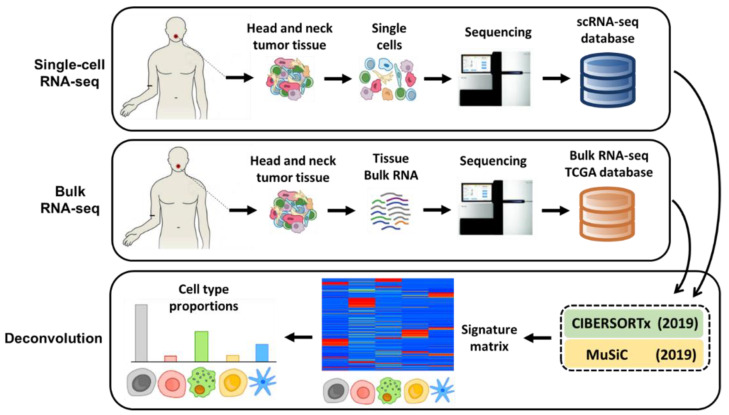
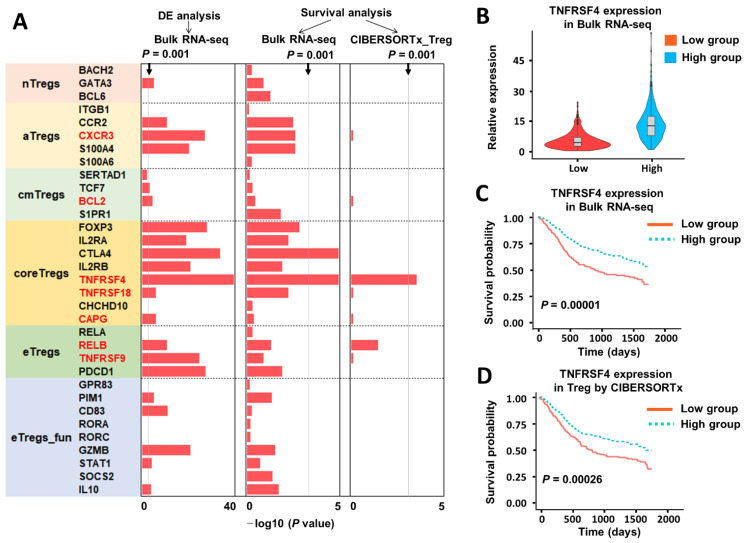
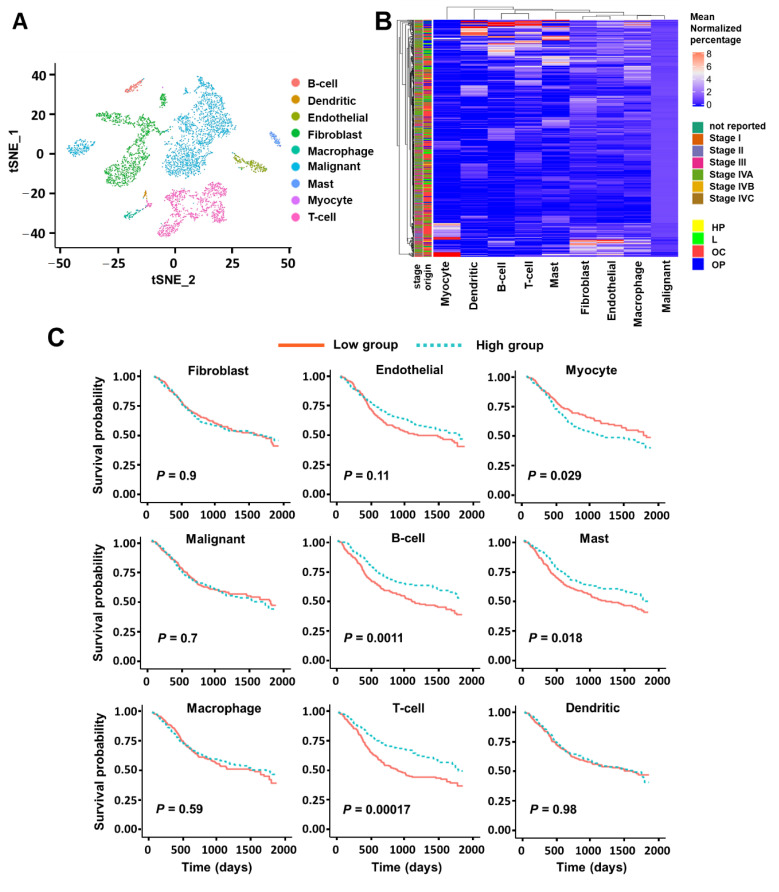
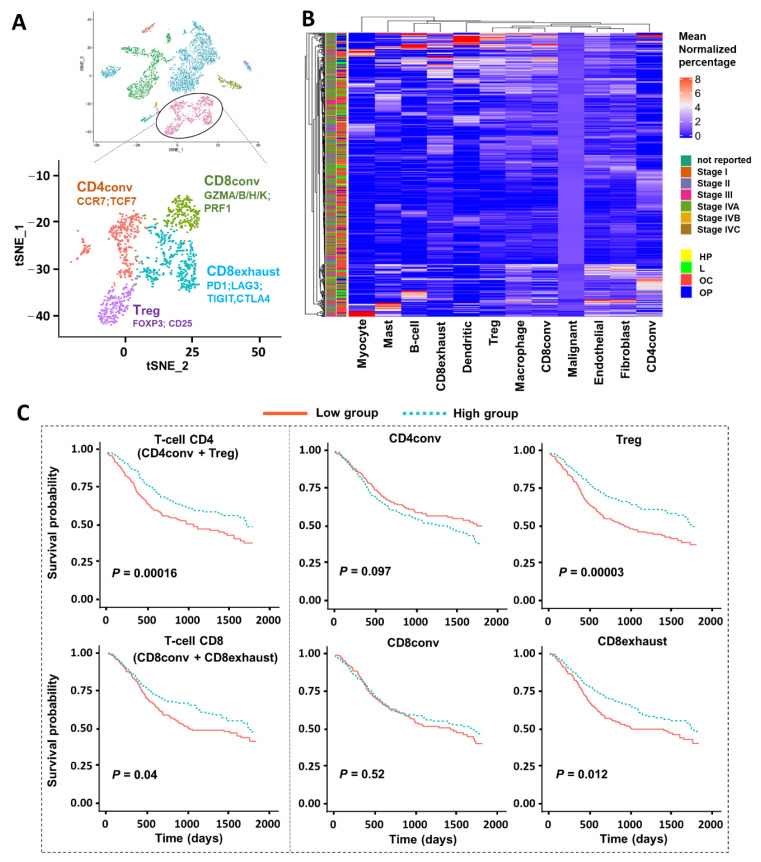
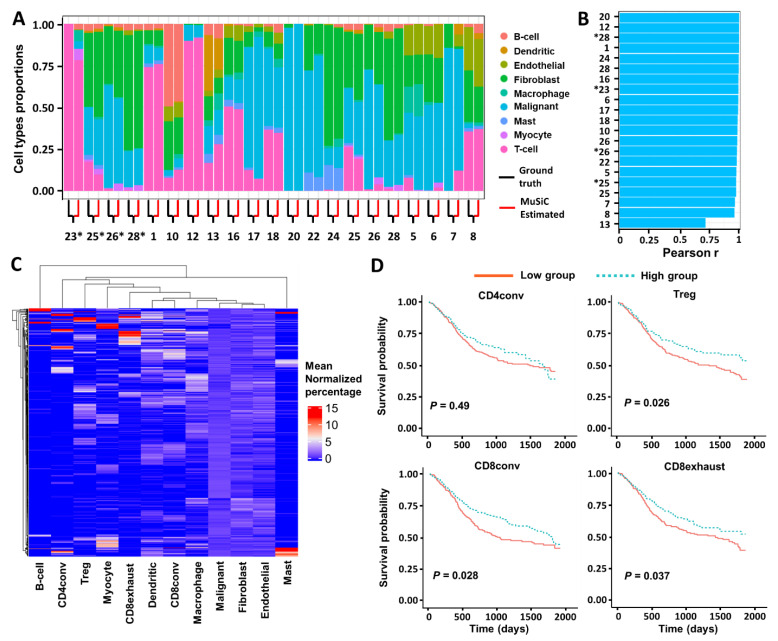
Complexities in cell-type composition have rightfully led to skepticism and caution in the interpretation of bulk transcriptomic analyses. Recent studies have shown that deconvolution algorithms can be utilized to computationally estimate cell-type proportions from the gene expression data of bulk blood samples, but their performance when applied to tumor tissues, including those from head and neck, remains poorly characterized. Here, we use single-cell data (~6000 single cells) collected from 21 head and neck squamous cell carcinoma (HNSCC) samples to generate cell-type-specific gene expression signatures. We leverage bulk RNA-seq data from >500 HNSCC samples profiled by The Cancer Genome Atlas (TCGA), and using single-cell data as a reference, apply two newly developed deconvolution algorithms (CIBERSORTx and MuSiC) to the bulk transcriptome data to quantitatively estimate cell-type proportions for each tumor in TCGA. We show that these two algorithms produce similar estimates of constituent/major cell-type proportions and that a high T-cell fraction correlates with improved survival. By further characterizing T-cell subpopulations, we identify that regulatory T-cells (T) were the major contributor to this improved survival. Lastly, we assessed gene expression, specifically in the T population, and found that TNFRSF4 (Tumor Necrosis Factor Receptor Superfamily Member 4) was differentially expressed in the core T subpopulation. Moreover, higher TNFRSF4 expression was associated with greater survival, suggesting that TNFRSF4 could play a key role in mechanisms underlying the contribution of T in HNSCC outcomes.
细胞类型组成的复杂性理所当然地导致了在对整体转录组分析的解释中产生怀疑和谨慎态度。最近的研究表明,反卷积算法可用于从大量血液样本的基因表达数据中通过计算估计细胞类型比例,但它们应用于肿瘤组织(包括头颈部肿瘤组织)时的性能仍缺乏充分表征。在这里,我们使用从21例头颈部鳞状细胞癌(HNSCC)样本中收集的单细胞数据(约6000个单细胞)来生成细胞类型特异性基因表达特征。我们利用来自癌症基因组图谱(TCGA)分析的500多个HNSCC样本的大量RNA测序数据,并以单细胞数据作为参考,将两种新开发的反卷积算法(CIBERSORTx和MuSiC)应用于大量转录组数据,以定量估计TCGA中每个肿瘤的细胞类型比例。我们表明,这两种算法对组成/主要细胞类型比例的估计相似,并且高T细胞分数与生存率提高相关。通过进一步表征T细胞亚群,我们确定调节性T细胞(Tregs)是生存率提高的主要贡献者。最后,我们评估了基因表达,特别是在Tregs群体中的表达,发现肿瘤坏死因子受体超家族成员4(TNFRSF4)在核心Tregs亚群中差异表达。此外,更高的TNFRSF4表达与更高的生存率相关,这表明TNFRSF4可能在Tregs对HNSCC预后贡献的潜在机制中起关键作用。