Cochin Institute, Department of Infection, Immunity and Inflammation, Inserm U1016, Paris Descartes Sorbonne Paris Cité University UMR-S1016, Centre National de la Recherche Scientifique (CNRS) UMR 8104, Paris, France.
Department of Pharmocology and Toxicology, Cochin Hospital, Assistance Publique des hôpitaux de Paris (APHP), Université de Paris, Paris, France.
Front Immunol. 2022 Jul 19;13:939213. doi: 10.3389/fimmu.2022.939213. eCollection 2022.
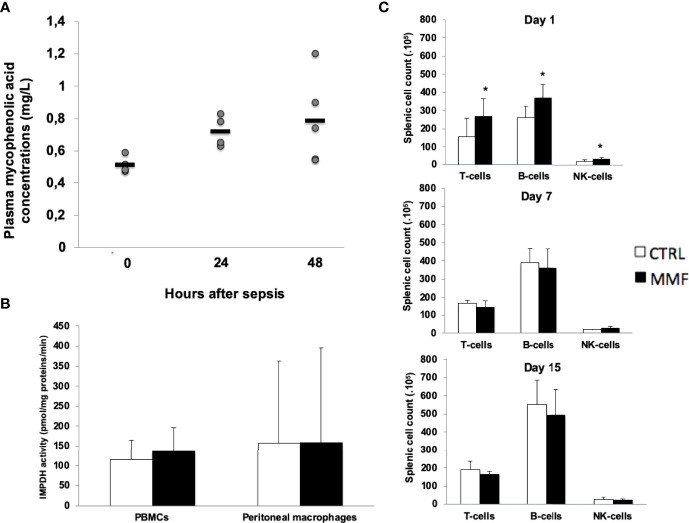
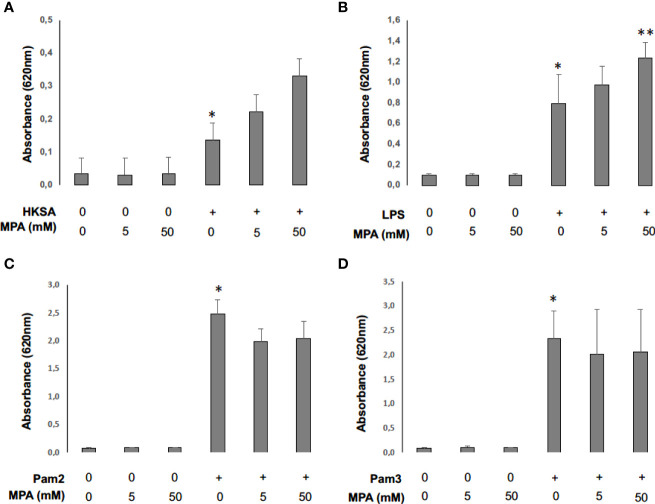
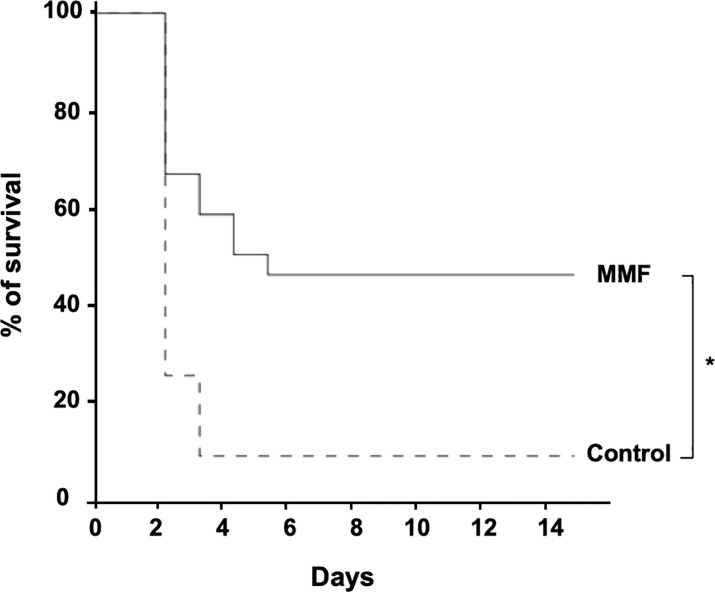
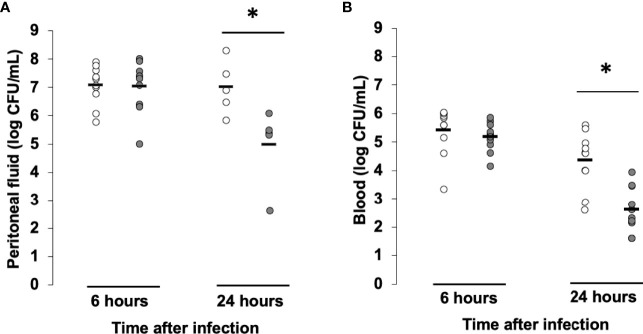
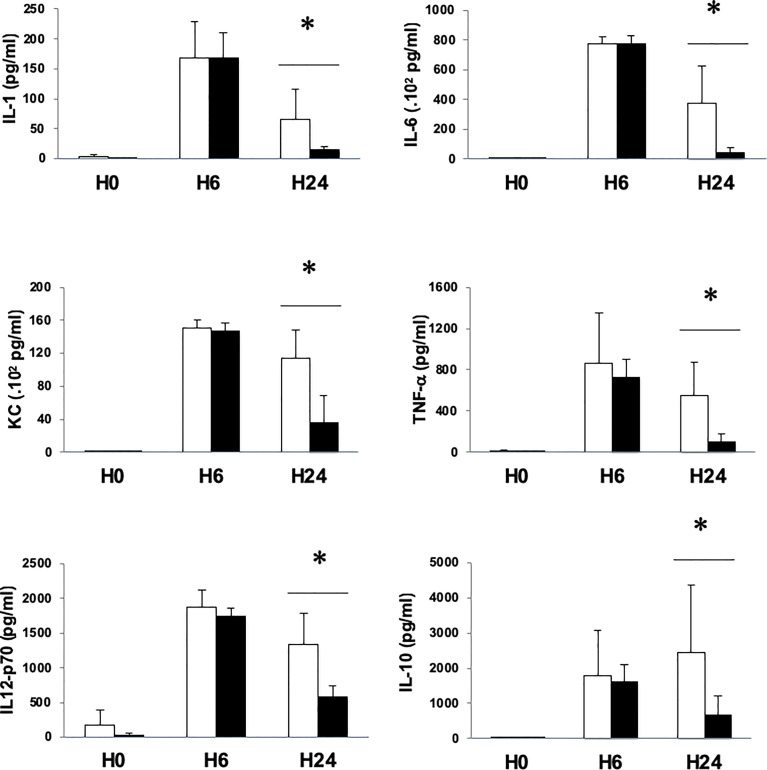
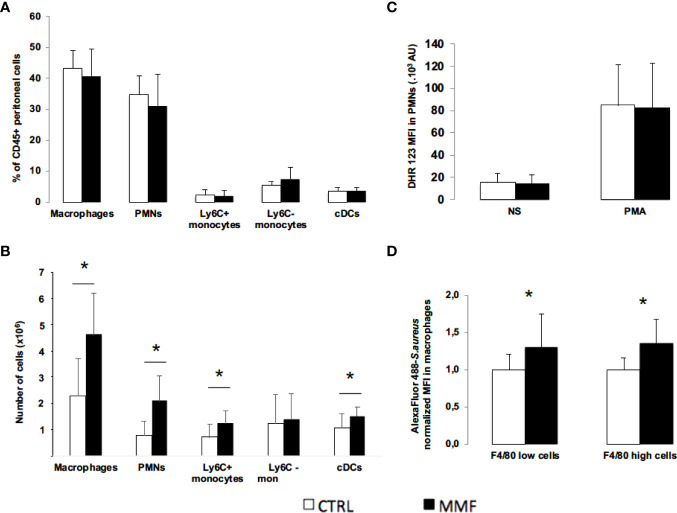
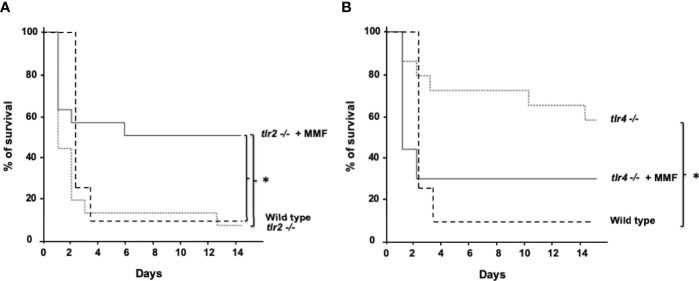
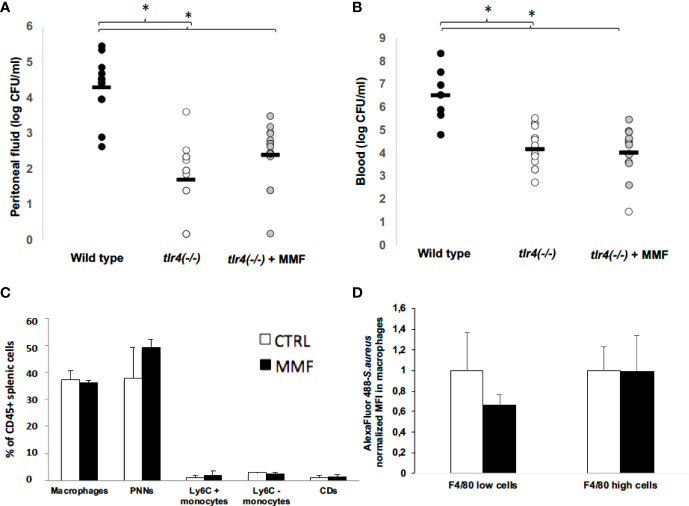
Regulators of TLRs signaling pathways play an important role in the control of the pro-inflammatory response that contributes to sepsis-induced tissue injury. Mycophenolate mofetil, an immunosuppressive drug inhibiting lymphocyte proliferation, has been reported to be a regulator of TLRs signaling pathways. Whether MMF used at infra-immunosuppressive doses has an impact on survival and on innate immune response in sepsis is unknown. C57BL/6J mice were infected intraperitoneally with 10 CFU , and treated or not with low-dose of MMF (20mg/kg/day during 4 days). Survival rate and bacterial clearance were compared. Cytokine levels, quantitative and qualitative cellular responses were assessed. - infected mice treated with MMF exhibited improved survival compared to non-treated ones (48% vs 10%, p<0.001). With the dose used for all experiments, MMF did not show any effect on lymphocyte proliferation. MMF treatment also improved local and systemic bacterial clearance, improved phagocytosis activity of peritoneal macrophages resulting in decreased inflammatory cytokines secretion. MMF-treated mice showed enhanced activation of NF-κB seemed with a suspected TLR4-dependent mechanism. These results suggest that infra-immunosuppressive doses of MMF improve host defense during sepsis and protects infected mice from fatal outcome by regulating innate immune responses. The signaling pathways involved could be TLR4-dependent. This work brings new perspectives in pathogenesis and therapeutic approaches of severe infections.
TLR 信号通路调节剂在控制促炎反应中发挥重要作用,促炎反应有助于导致脓毒症引起的组织损伤。霉酚酸酯,一种抑制淋巴细胞增殖的免疫抑制剂,已被报道是 TLR 信号通路的调节剂。在脓毒症中,亚免疫抑制剂量的 MMF 是否对生存和先天免疫反应有影响尚不清楚。C57BL/6J 小鼠经腹腔内感染 10 CFU ,并用或不用低剂量 MMF(4 天内每天 20mg/kg)治疗。比较存活率和细菌清除率。评估细胞因子水平、定量和定性细胞反应。-用 MMF 治疗的感染小鼠与未治疗的小鼠相比,存活率提高(48%比 10%,p<0.001)。在所有实验中使用的剂量下,MMF 对淋巴细胞增殖没有任何影响。MMF 治疗还改善了局部和全身细菌清除,增强了腹腔巨噬细胞的吞噬活性,导致炎症细胞因子分泌减少。用 MMF 治疗的小鼠显示 NF-κB 的激活增强,似乎与 TLR4 依赖性机制有关。这些结果表明,亚免疫抑制剂量的 MMF 在脓毒症期间改善宿主防御,并通过调节先天免疫反应来保护感染小鼠免受致命后果。涉及的信号通路可能依赖于 TLR4。这项工作为严重感染的发病机制和治疗方法带来了新的视角。