Deng Zhenhua, Kuo Su-Chiu, Carson Mike T, Hung Hsiao-Chun
Center for the Study of Chinese Archaeology, Peking University, Beijing, China.
School of Archaeology and Museology, Peking University, Beijing, China.
Front Plant Sci. 2022 Jul 22;13:962073. doi: 10.3389/fpls.2022.962073. eCollection 2022.
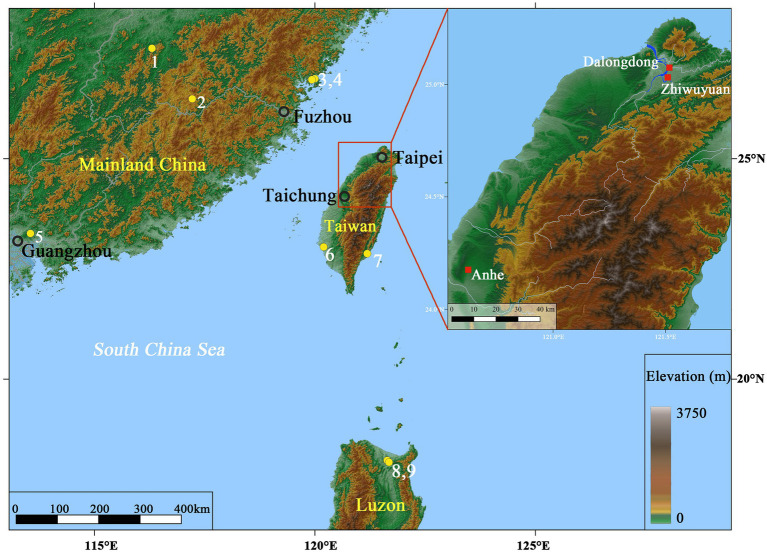
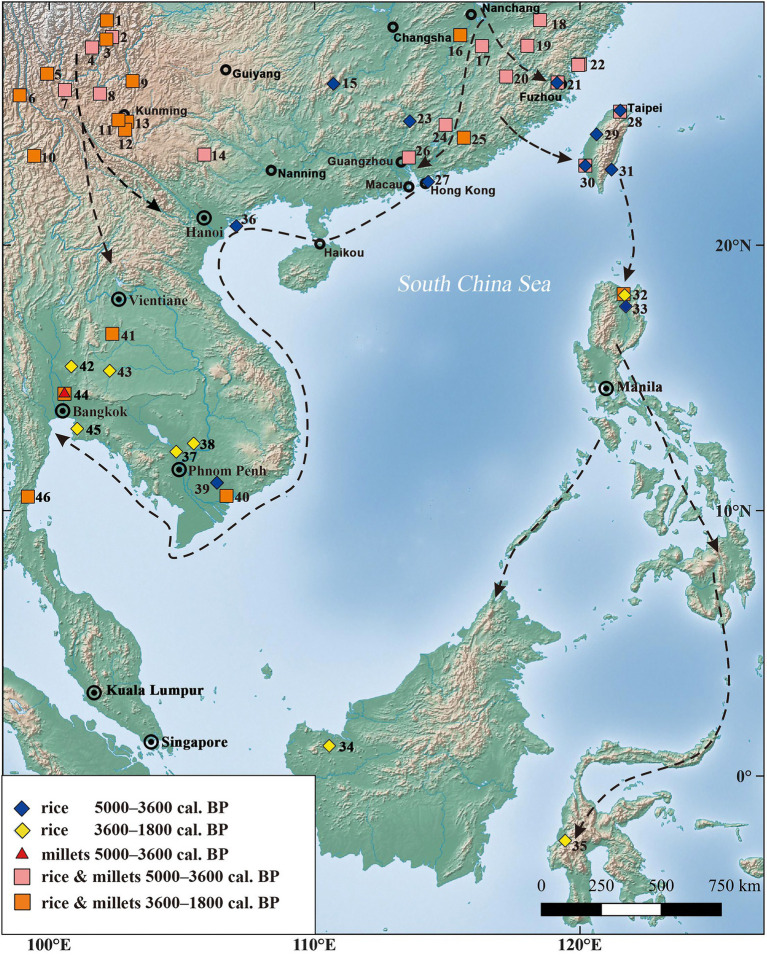
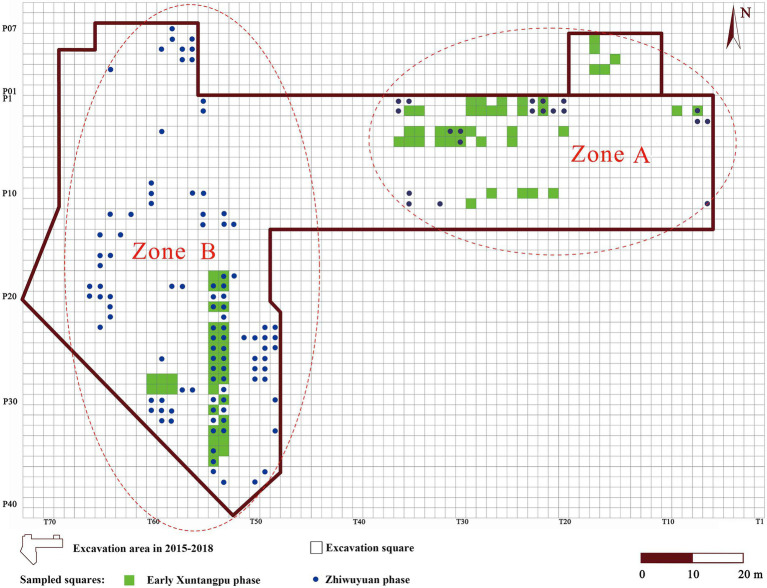
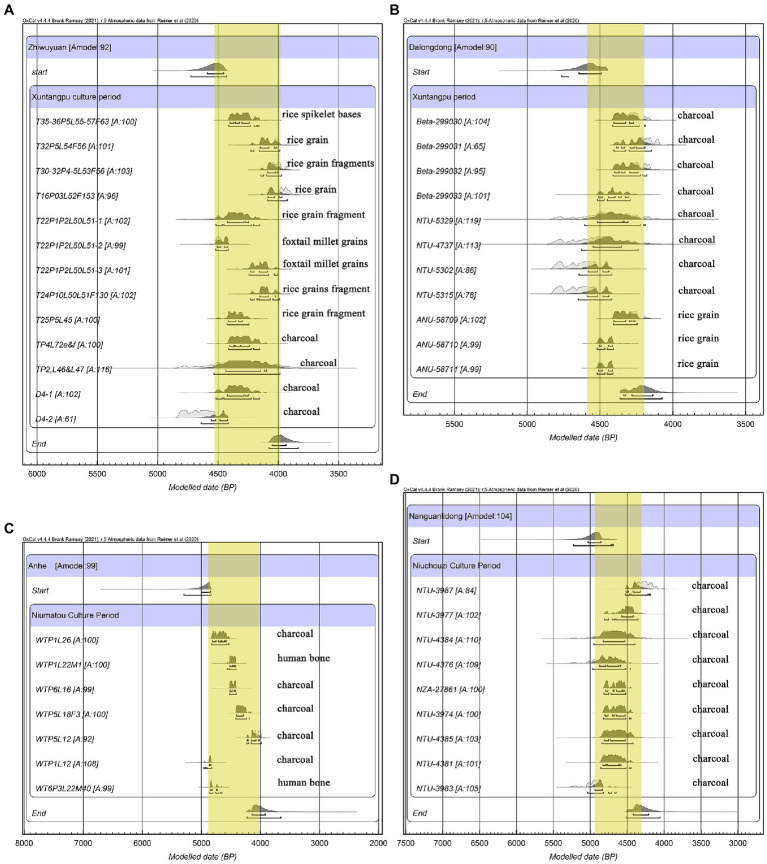
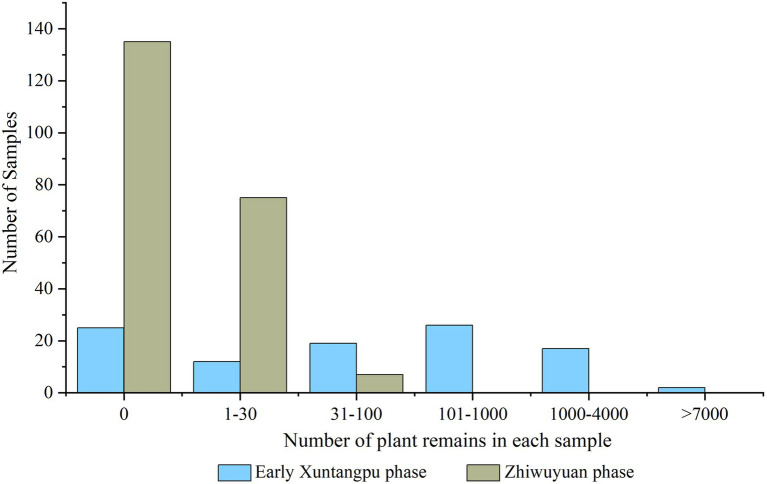
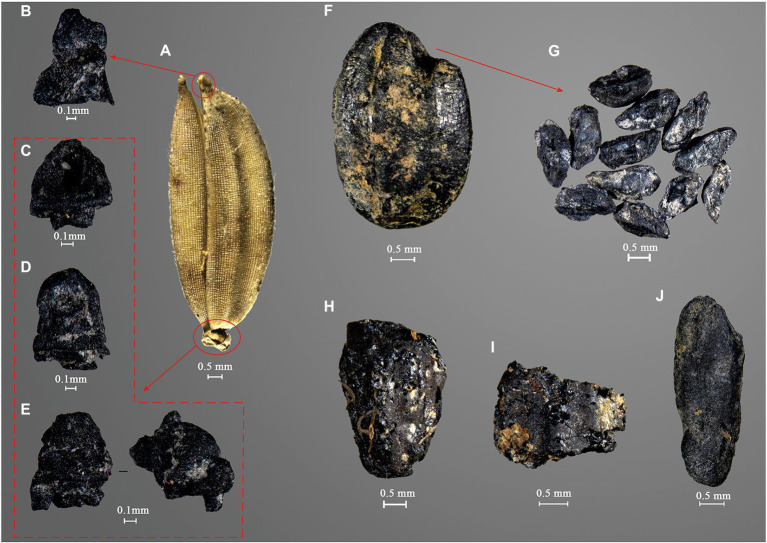
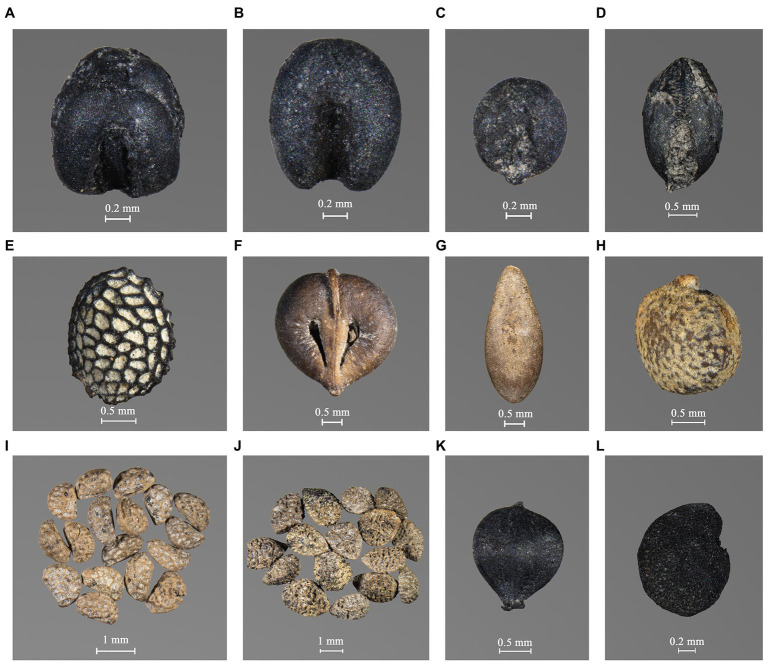
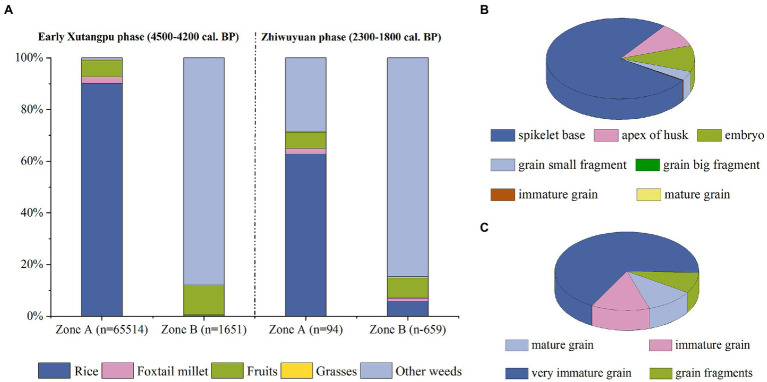
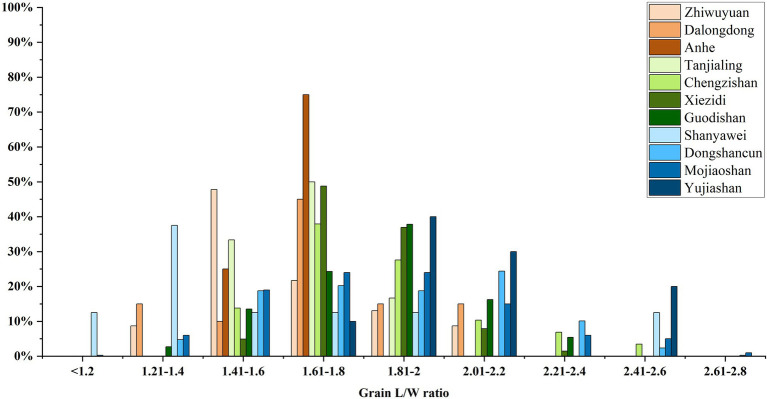
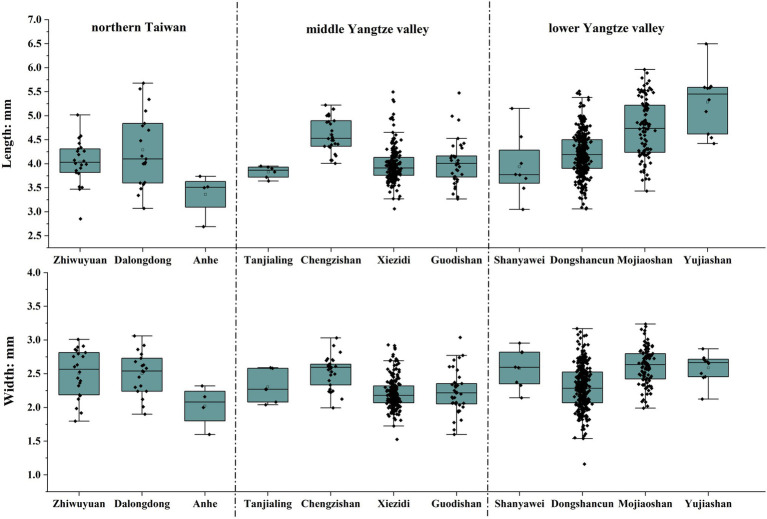
This study presents the first directly dated physical evidence of crop remains from the Early Neolithic archaeological layers in Taiwan. Systematic sampling and analysis of macro-plant remains suggested that Neolithic farmers at the Zhiwuyuan (Botanical Garden) site in Taipei, northern Taiwan, had cultivated rice and foxtail millet together at least 4,500 years ago. A more comprehensive review of all related radiocarbon dates suggests that agriculture emerged in Taiwan around 4,800-4,600 cal. BP, instead of the previous claim of 5,000 cal. BP. According to the rice grain metrics from three study sites of Zhiwuyuan, Dalongdong, and Anhe, the rice cultivated in northern and western-central Taiwan was mainly a short-grained type of the subspecies, similar to the discoveries from the southeast coast of mainland China and the middle Yangtze valley. These new findings support the hypothesis that the southeast coast of mainland China was the origin of proto-Austronesian people who brought their crops and other cultural traditions across the Taiwan Strait 4,800 years ago and eventually farther into Island Southeast Asia.
本研究首次提供了来自台湾新石器时代早期考古层作物遗存的直接测年实物证据。对大型植物遗存进行系统采样和分析表明,台湾北部台北芝山岩(植物园)遗址的新石器时代农民至少在4500年前就已同时种植水稻和粟。对所有相关放射性碳年代的更全面回顾表明,台湾农业出现于约公元前4800 - 4600年,而非之前所认为的公元前5000年。根据芝山岩、大隆洞和岸河三个研究地点的稻谷测量数据,台湾北部和中西部种植的水稻主要是该亚种的短粒型,这与中国大陆东南沿海和长江中游地区的发现相似。这些新发现支持了这样一种假说,即中国大陆东南沿海是南岛语系先民的起源地,他们在4800年前带着作物和其他文化传统穿越台湾海峡,最终深入到东南亚岛屿地区。