Department of Chemistry, Boston University, Boston, MA, 02215, USA.
David H. Koch Institute for Integrative Cancer Research, Massachusetts Institute of Technology, Cambridge, MA, 02139, USA.
Nat Commun. 2022 Aug 9;13(1):4661. doi: 10.1038/s41467-022-32346-5.
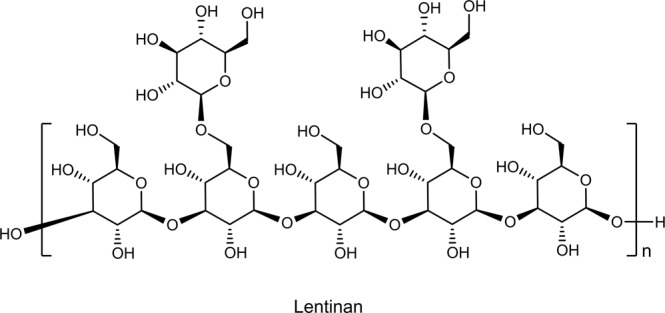
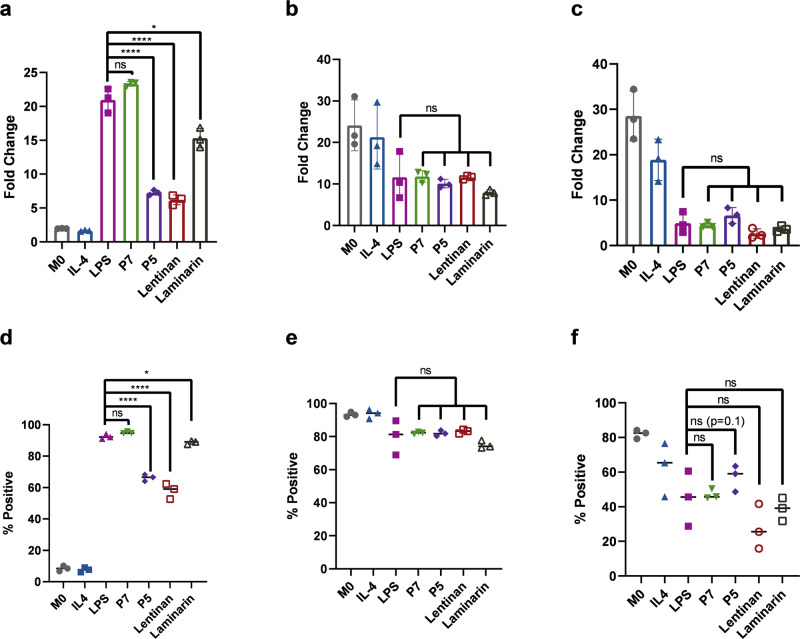
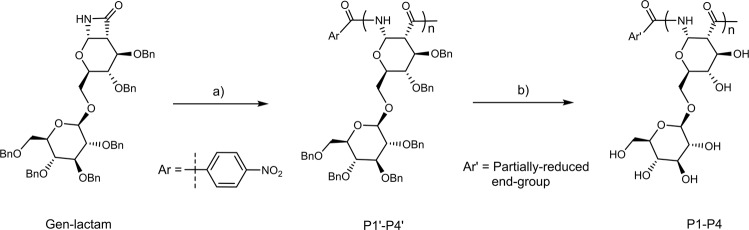
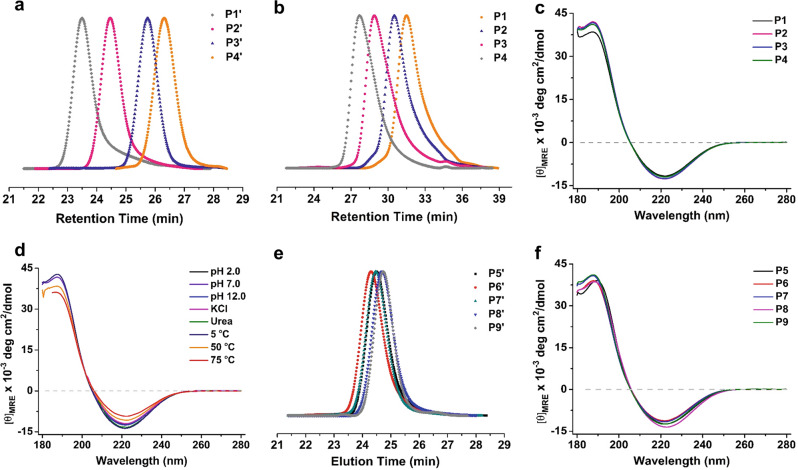
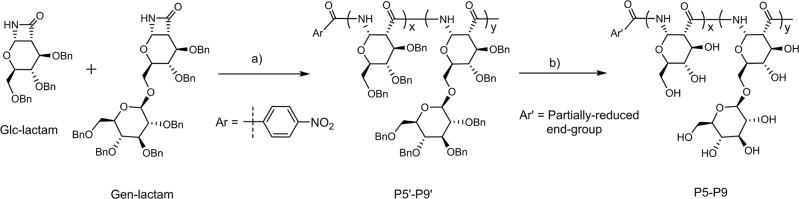
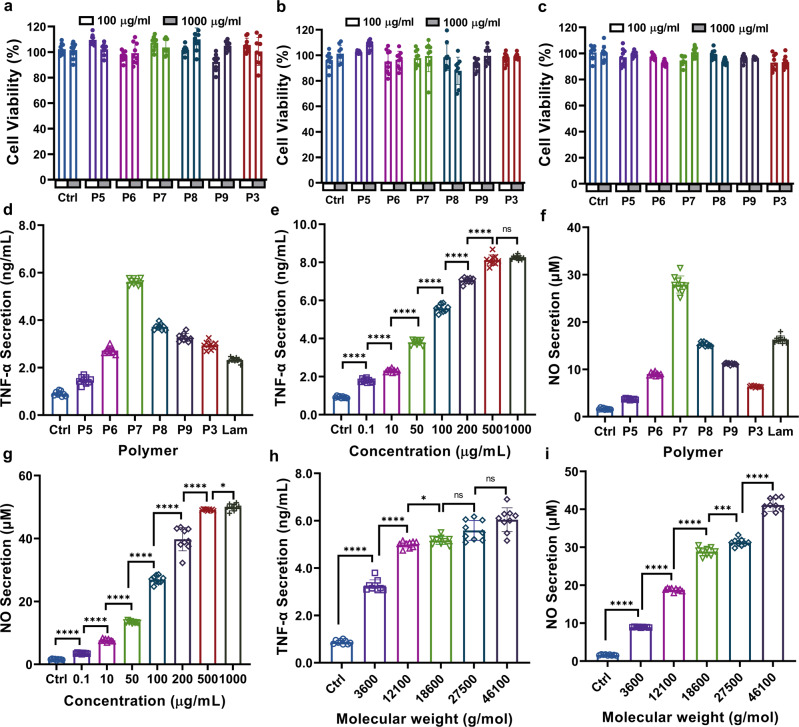
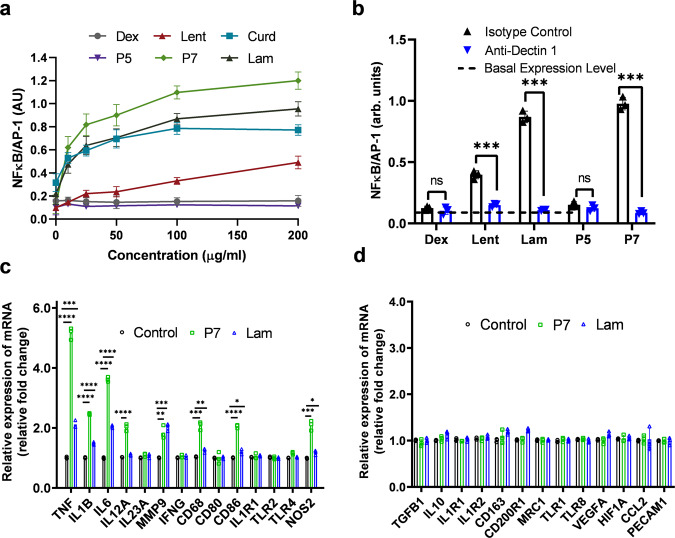
β-Glucans are of significant interest due to their potent antitumor and immunomodulatory activities. Nevertheless, the difficulty in purification, structural heterogenicity, and limited solubility impede the development of structure-property relationships and translation to therapeutic applications. Here, we report the synthesis of a new class of (1→6)-β-glucose-branched poly-amido-saccharides (PASs) as β-glucan mimetics by ring-opening polymerization of a gentiobiose-based disaccharide β-lactam and its copolymerization with a glucose-based β-lactam, followed by post-polymerization deprotection. The molecular weight (M) and frequency of branching (FB) of PASs is readily tuned by adjusting monomer-to-initiator ratio and mole fraction of gentiobiose-lactam in copolymerization. Branched PASs stimulate mouse macrophages, and enhance production of pro-inflammatory cytokines in a FB-, dose-, and M-dependent manner. The stimulation proceeds via the activation of NF-κB/AP-1 pathway in a Dectin-1-dependent manner, similar to natural β-glucans. The lead PAS significantly polarizes primary human macrophages towards M1 phenotype compared to other β-glucans such as lentinan, laminarin, and curdlan.
β-葡聚糖因其强大的抗肿瘤和免疫调节活性而备受关注。然而,由于其纯化困难、结构异质性和有限的溶解度,阻碍了结构-性质关系的发展及其向治疗应用的转化。在这里,我们报告了一类新型(1→6)-β-葡萄糖支化聚酰胺多糖(PAS)的合成,方法是通过开环聚合基于龙胆二糖的二糖β-内酰胺及其与基于葡萄糖的β-内酰胺的共聚,然后进行聚合后脱保护。通过调整单体与引发剂的比例和共聚物中龙胆二糖-内酰胺的摩尔分数,可以轻松调节 PAS 的分子量(M)和支化频率(FB)。支化 PAS 以 FB、剂量和 M 依赖性方式刺激小鼠巨噬细胞,并增强促炎细胞因子的产生。这种刺激通过 Dectin-1 依赖性方式激活 NF-κB/AP-1 途径进行,类似于天然β-葡聚糖。与其他β-葡聚糖(如香菇多糖、昆布多糖和云芝多糖)相比,先导 PAS 可显著将原代人巨噬细胞向 M1 表型极化。