Guangdong Provincial Engineering Center of Topical Precise Drug Delivery System, School of Pharmacy, Guangdong Pharmaceutical University, Guangzhou 510632, People's Republic of China.
Guangzhou Jinan Biomedicine Research and Development Center, Institute of Biomedicine, College of Life Science and Technology, Jinan University, Guangzhou 510632, People's Republic of China.
Int J Nanomedicine. 2020 Jul 14;15:5083-5095. doi: 10.2147/IJN.S258145. eCollection 2020.
β-glucans are chiral polysaccharides with well-defined immunological properties and supramolecular wrapping ability of its chiral feature. However, the exploitation of chiral properties of these nanoparticles in drug delivery systems was seldom conducted.
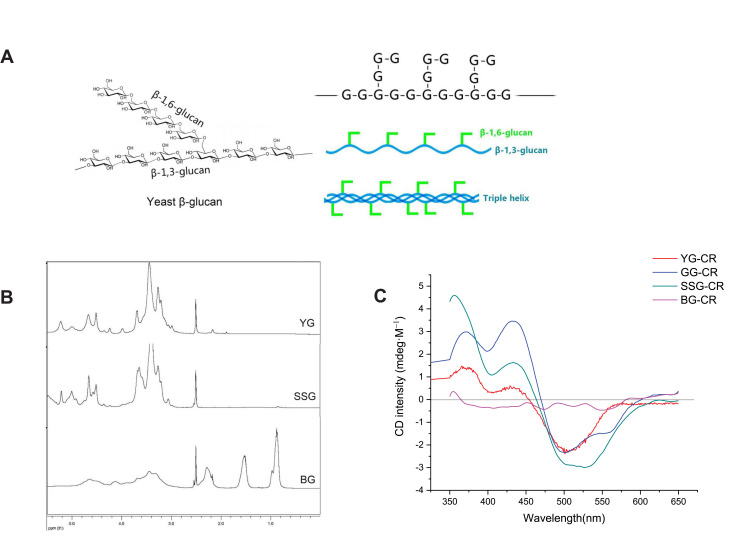
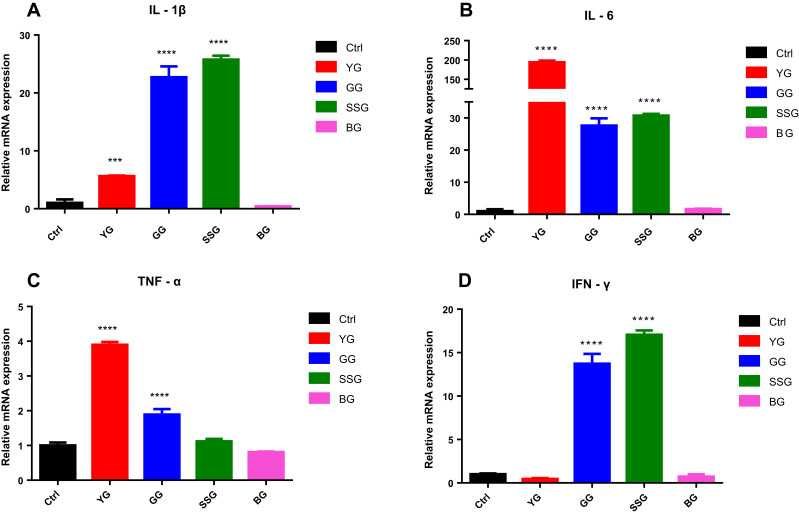
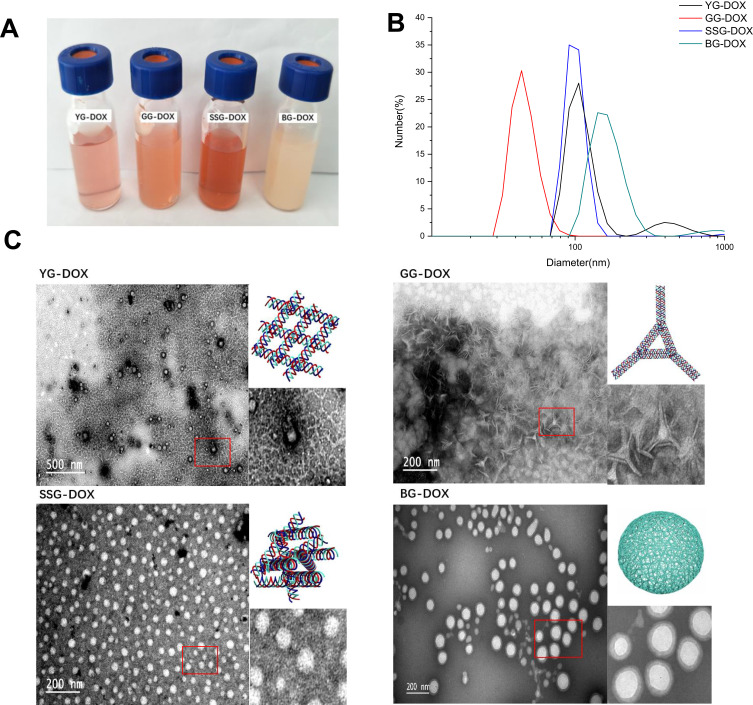
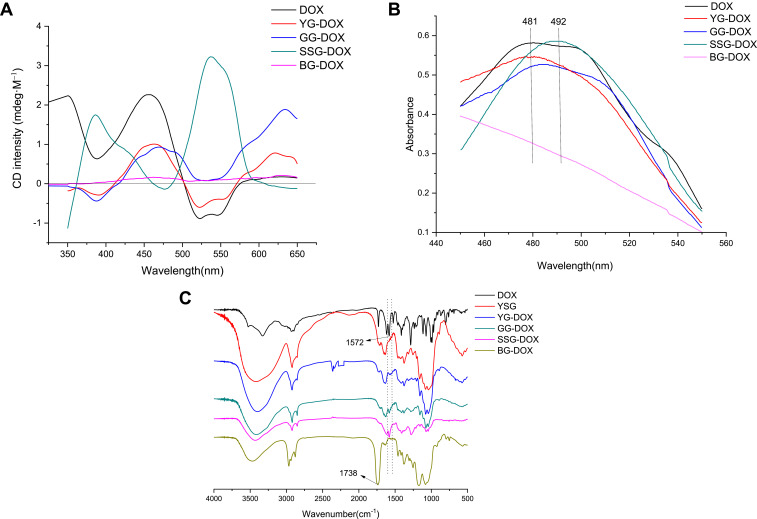
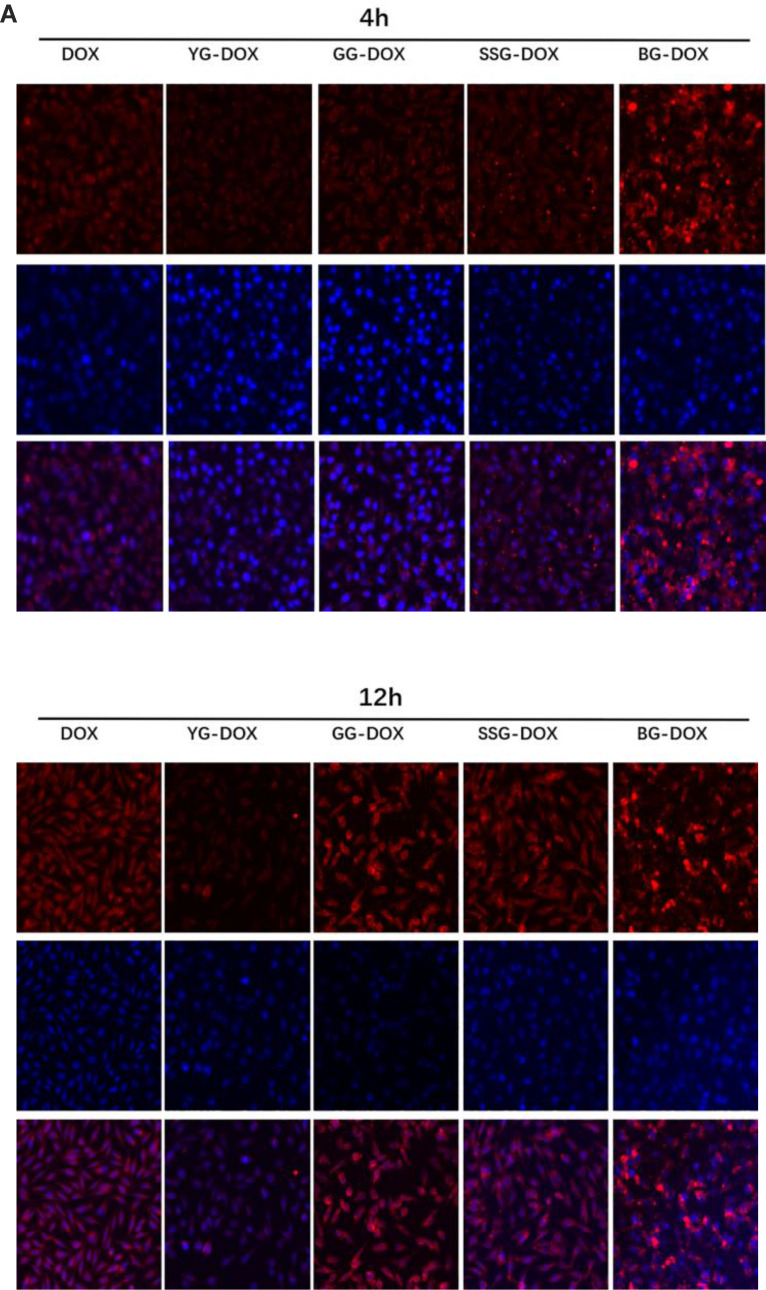
β-glucan molecules with different chain lengths were extracted from yeast and thereafter modified. In a conformation transition process, these β-glucan molecules were then self-assembled with anti-cancer drug doxorubicin into nanoparticles to construct drug delivery systems. The chiral interactions between the drug and carriers were revealed by circular dichroism spectra, ultraviolet and visible spectrum, fourier transform infrared spectroscopy, dynamic light scattering and transmission electron microscope. The immune-potentiation properties of modified β-glucan nanoparticles were evaluated by analysis of the mRNA expression in RAW264.7 cell model. Further, the antitumor efficacy of the nanoparticles against the human breast cancer were studied in MCF-7 cell model by cellular uptake and cytotoxicity experiments.
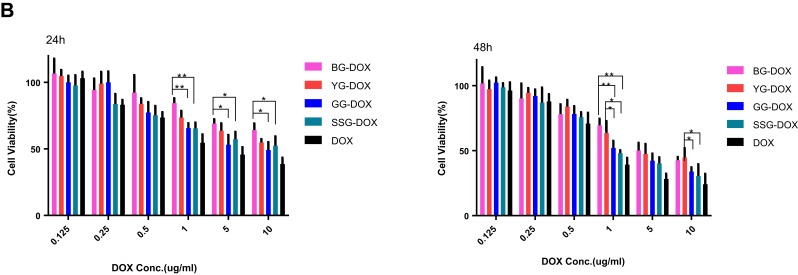
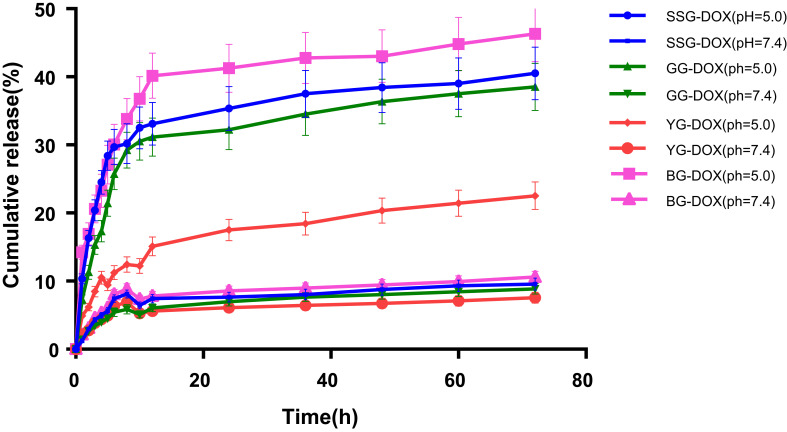
β-glucan nanoparticles can activate macrophages to produce immune enhancing cytokines (IL-1β, IL-6, TNF-α, IFN-γ). A special chirality of the carriers in diameter of 50~160 nm can also associate with higher drug loading ability of 13.9% ~38.2% and pH-sensitive release with a change of pH from 7.4 to 5.0. Cellular uptake and cytotoxicity experiments also prove that the chiral-active β-glucan nanoparticles can be used in anti-cancer nanomedicine.
This work demonstrates that β-glucans nanoparticles with special chiral feature which leading to strong immunopotentiation ability and high drug loading efficiency can be developed as a novel type of nanomedicine for anti-cancer treatment.
β-葡聚糖是具有明确免疫特性和超分子包裹能力的手性多糖,其手性特征。然而,这些纳米粒子的手性性质在药物传递系统中的开发很少进行。
从酵母中提取具有不同链长的β-葡聚糖分子,然后进行修饰。在构象转变过程中,这些β-葡聚糖分子与抗癌药物阿霉素自组装成纳米粒子,构建药物传递系统。通过圆二色光谱、紫外可见光谱、傅里叶变换红外光谱、动态光散射和透射电子显微镜揭示药物与载体之间的手性相互作用。通过 RAW264.7 细胞模型分析 mRNA 表达来评估修饰的β-葡聚糖纳米粒子的免疫增强特性。此外,通过细胞摄取和细胞毒性实验研究纳米粒子对 MCF-7 细胞模型的抗肿瘤功效。
β-葡聚糖纳米粒子可以激活巨噬细胞产生免疫增强细胞因子(IL-1β、IL-6、TNF-α、IFN-γ)。直径为 50160nm 的载体的特殊手性也可以与 13.9%38.2%的更高载药能力和 pH 敏感释放相结合,pH 值从 7.4 变为 5.0。细胞摄取和细胞毒性实验也证明,手性活性β-葡聚糖纳米粒子可用于抗癌纳米医学。
这项工作表明,具有特殊手性特征的β-葡聚糖纳米粒子具有很强的免疫增强能力和高载药效率,可以开发为新型抗癌治疗纳米医学。