Stern Shani, Lau Shong, Manole Andreea, Rosh Idan, Percia Menachem Mendel, Ben Ezer Ran, Shokhirev Maxim N, Qiu Fan, Schafer Simon, Mansour Abed AlFatah, Mangan Kile P, Stern Tchelet, Ofer Polina, Stern Yam, Diniz Mendes Ana Paula, Djamus Jose, Moore Lynne Randolph, Nayak Ritu, Laufer Sapir Havusha, Aicher Aidan, Rhee Amanda, Wong Thomas L, Nguyen Thao, Linker Sara B, Winner Beate, Freitas Beatriz C, Jones Eugenia, Sagi Irit, Bardy Cedric, Brice Alexis, Winkler Juergen, Marchetto Maria C, Gage Fred H
Laboratory of Genetics, Salk Institute for Biological Studies, La Jolla, CA, USA.
Sagol Department of Neurobiology, Faculty of Natural Sciences, University of Haifa, Haifa, Israel.
NPJ Parkinsons Dis. 2022 Aug 10;8(1):103. doi: 10.1038/s41531-022-00366-z.
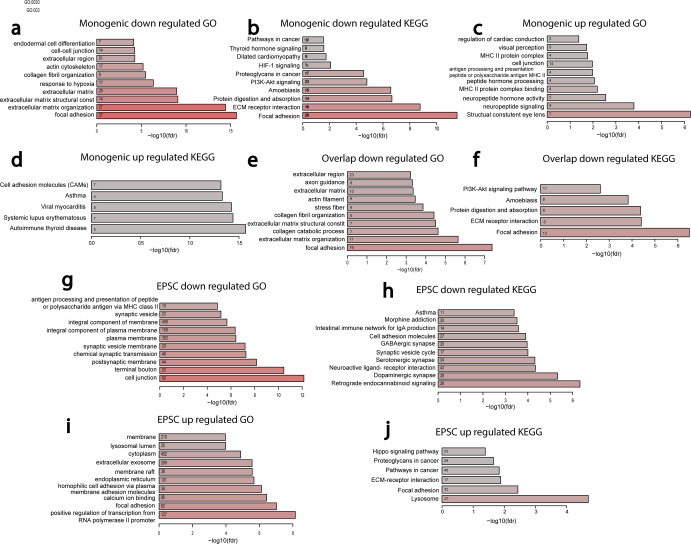
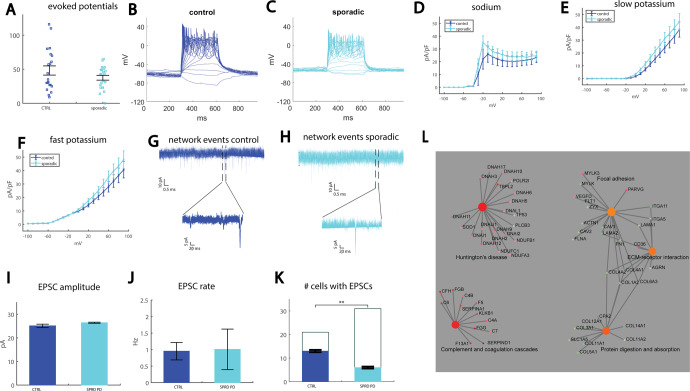
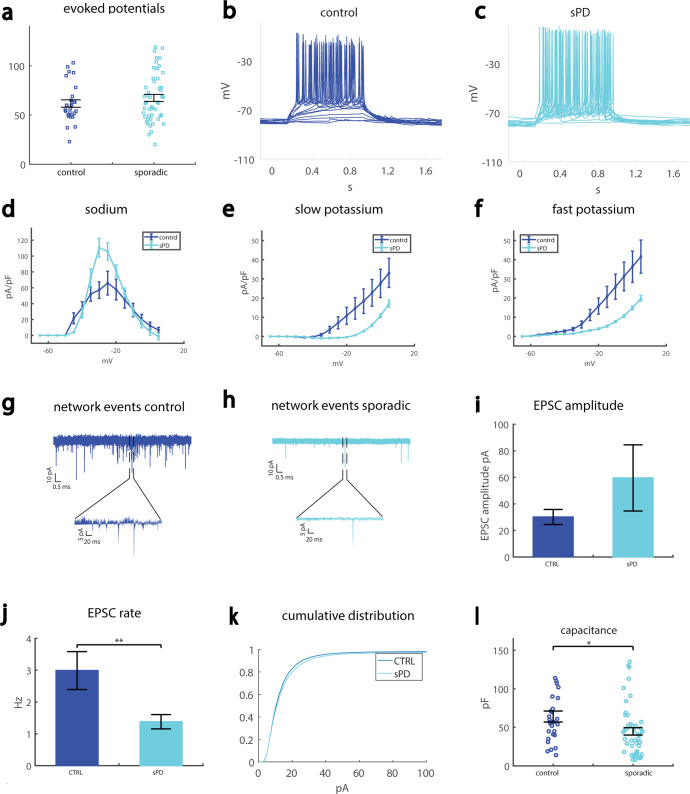
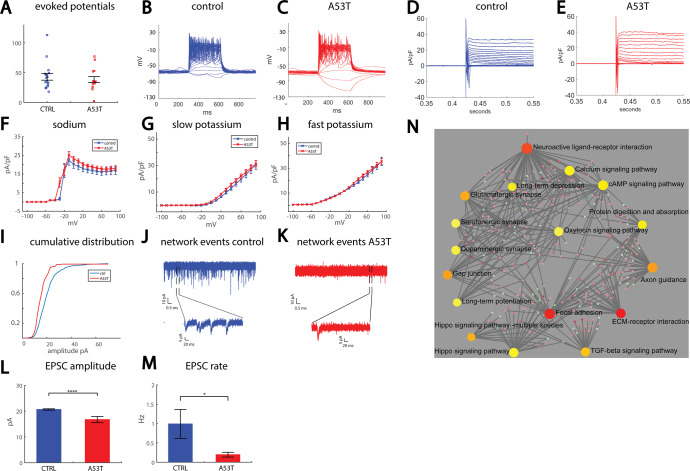
Several mutations that cause Parkinson's disease (PD) have been identified over the past decade. These account for 15-25% of PD cases; the rest of the cases are considered sporadic. Currently, it is accepted that PD is not a single monolithic disease but rather a constellation of diseases with some common phenotypes. While rodent models exist for some of the PD-causing mutations, research on the sporadic forms of PD is lagging due to a lack of cellular models. In our study, we differentiated PD patient-derived dopaminergic (DA) neurons from the induced pluripotent stem cells (iPSCs) of several PD-causing mutations as well as from sporadic PD patients. Strikingly, we observed a common neurophysiological phenotype: neurons derived from PD patients had a severe reduction in the rate of synaptic currents compared to those derived from healthy controls. While the relationship between mutations in genes such as the SNCA and LRRK2 and a reduction in synaptic transmission has been investigated before, here we show evidence that the pathogenesis of the synapses in neurons is a general phenotype in PD. Analysis of RNA sequencing results displayed changes in gene expression in different synaptic mechanisms as well as other affected pathways such as extracellular matrix-related pathways. Some of these dysregulated pathways are common to all PD patients (monogenic or idiopathic). Our data, therefore, show changes that are central and convergent to PD and suggest a strong involvement of the tetra-partite synapse in PD pathophysiology.
在过去十年中,已经鉴定出几种导致帕金森病(PD)的突变。这些突变导致的病例占PD病例的15%-25%;其余病例被认为是散发性的。目前,人们普遍认为PD不是单一的整体疾病,而是一组具有一些共同表型的疾病。虽然存在一些针对某些导致PD突变的啮齿动物模型,但由于缺乏细胞模型,对散发性PD形式的研究滞后。在我们的研究中,我们从几种导致PD突变的诱导多能干细胞(iPSC)以及散发性PD患者中分化出PD患者来源的多巴胺能(DA)神经元。令人惊讶的是,我们观察到一种共同的神经生理表型:与健康对照来源的神经元相比,PD患者来源的神经元突触电流速率严重降低。虽然之前已经研究了诸如SNCA和LRRK2等基因的突变与突触传递减少之间的关系,但在这里我们表明,神经元中突触的发病机制是PD的一种普遍表型。RNA测序结果分析显示,不同突触机制以及其他受影响途径(如细胞外基质相关途径)中的基因表达发生了变化。其中一些失调途径在所有PD患者(单基因或特发性)中是常见的。因此,我们的数据显示了与PD相关的核心和趋同变化,并表明四方突触在PD病理生理学中起着重要作用。