Department of Pharmacology, Addiction Science, Toxicology, University of Tennessee Health Science Center, College of Medicine, Memphis, TN, 38163, USA.
Department of Neurology, Fujian Provincial Hospital, Shengli Clinical Medical College of Fujian Medical University, Fuzhou, 350001, PR China.
Mol Psychiatry. 2022 Nov;27(11):4754-4769. doi: 10.1038/s41380-022-01701-9. Epub 2022 Aug 10.
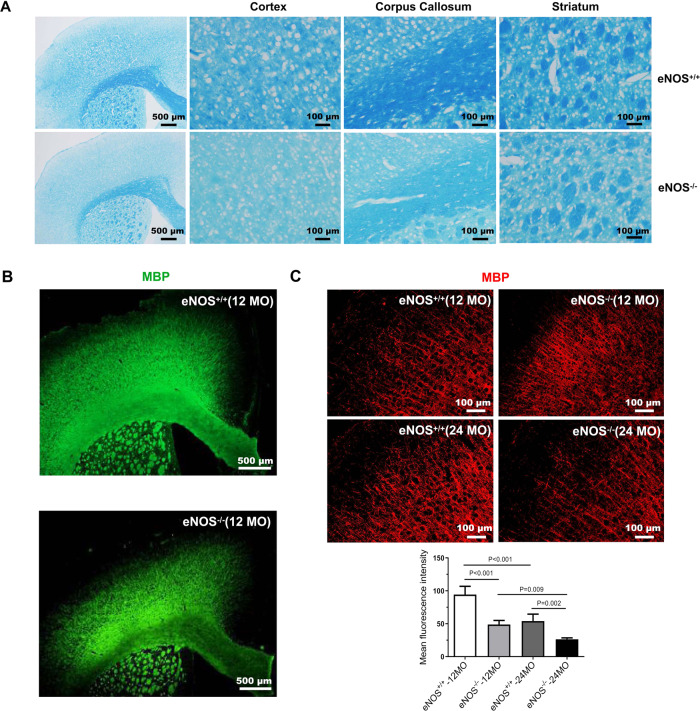
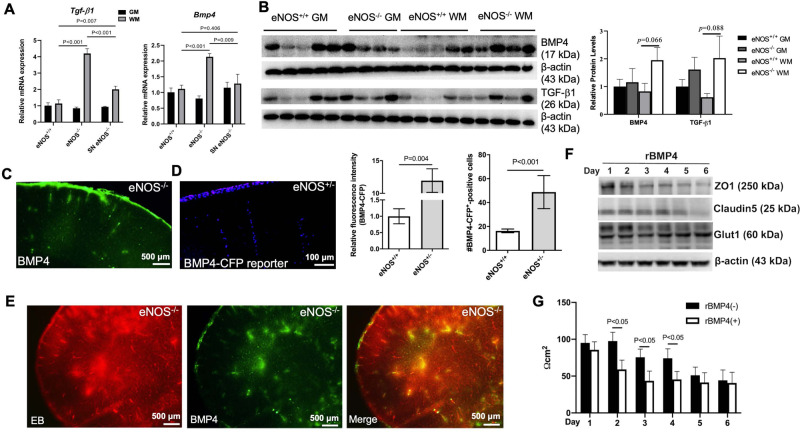
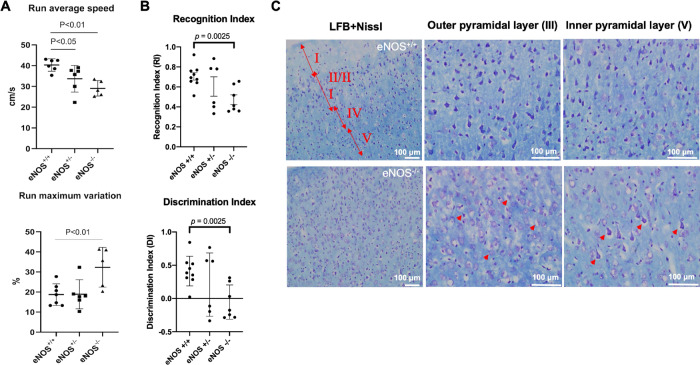
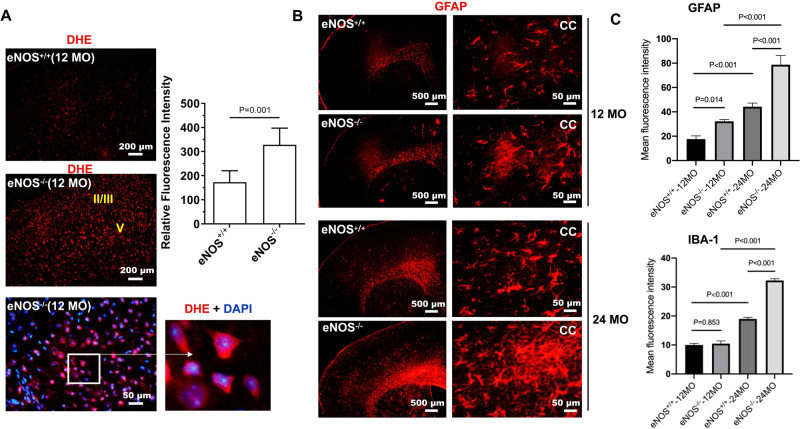
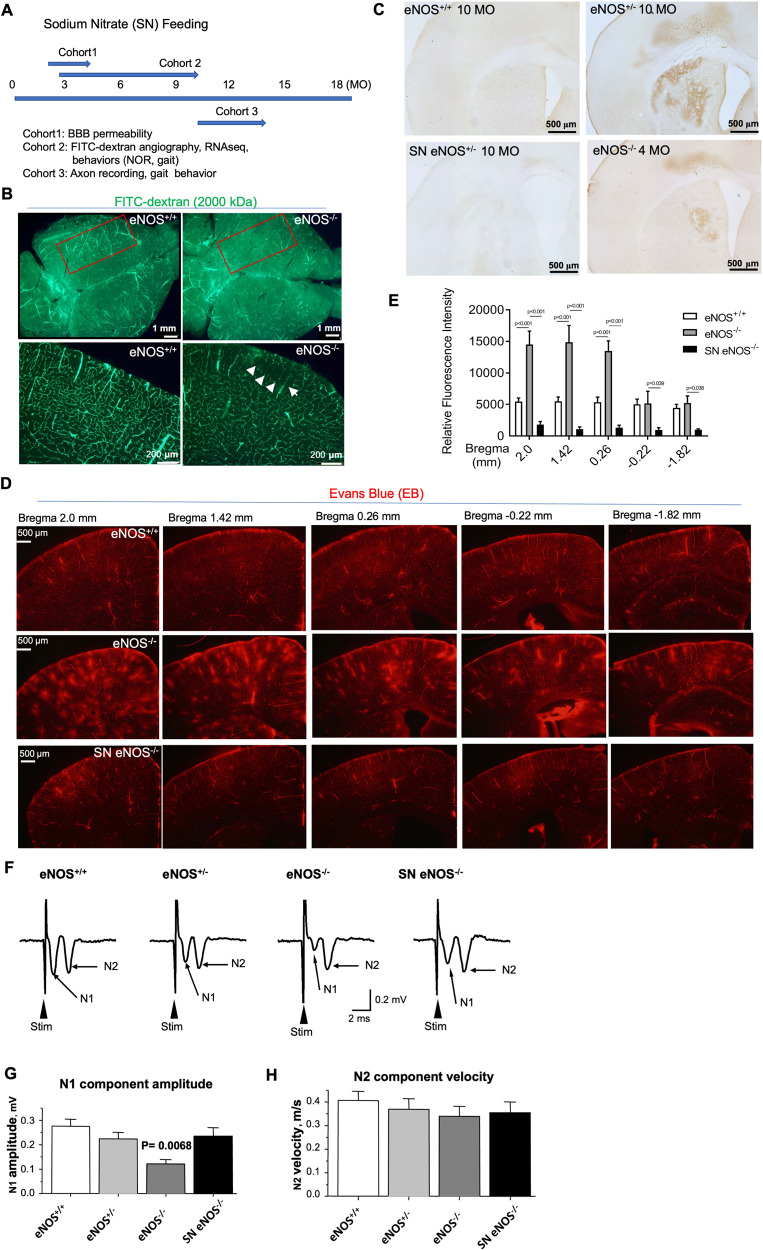
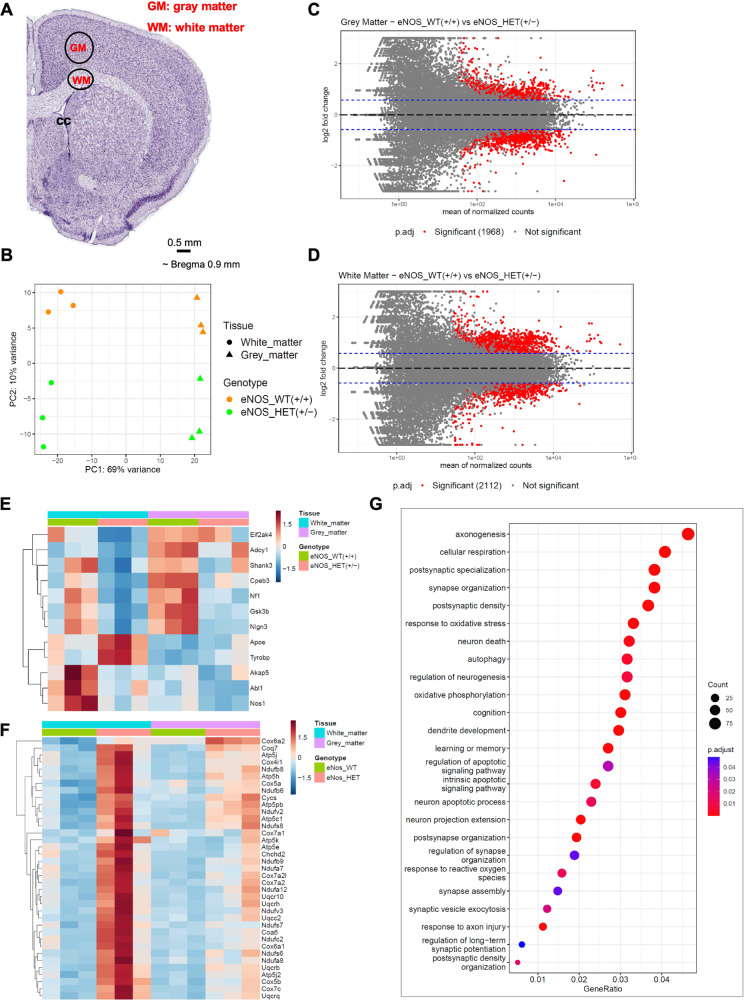
Vascular cognitive impairment and dementia (VCID) is the second most common form of dementia after Alzheimer's disease (AD). Currently, the mechanistic insights into the evolution and progression of VCID remain elusive. White matter change represents an invariant feature. Compelling clinical neuroimaging and pathological evidence suggest a link between white matter changes and neurodegeneration. Our prior study detected hypoperfused lesions in mice with partial deficiency of endothelial nitric oxide (eNOS) at very young age, precisely matching to those hypoperfused areas identified in preclinical AD patients. White matter tracts are particularly susceptible to the vascular damage induced by chronic hypoperfusion. Using immunohistochemistry, we detected severe demyelination in the middle-aged eNOS-deficient mice. The demyelinated areas were confined to cortical and subcortical areas including the corpus callosum and hippocampus. The intensity of demyelination correlated with behavioral deficits of gait and associative recognition memory performances. By Evans blue angiography, we detected blood-brain barrier (BBB) leakage as another early pathological change affecting frontal and parietal cortex in eNOS-deficient mice. Sodium nitrate fortified drinking water provided to young and middle-aged eNOS-deficient mice completely prevented non-perfusion, BBB leakage, and white matter pathology, indicating that impaired endothelium-derived NO signaling may have caused these pathological events. Furthermore, genome-wide transcriptomic analysis revealed altered gene clusters most related to mitochondrial respiratory pathways selectively in the white matter of young eNOS-deficient mice. Using eNOS-deficient mice, we identified BBB breakdown and hypoperfusion as the two earliest pathological events, resulting from insufficient vascular NO signaling. We speculate that the compromised BBB and mild chronic hypoperfusion trigger vascular damage, along with oxidative stress and astrogliosis, accounting for the white matter pathological changes in the eNOS-deficient mouse model. We conclude that eNOS-deficient mice represent an ideal spontaneous evolving model for studying the earliest events leading to white matter changes, which will be instrumental to future therapeutic testing of drug candidates and for targeting novel/specific vascular mechanisms contributing to VCID and AD.
血管性认知障碍和痴呆(VCID)是仅次于阿尔茨海默病(AD)的第二大常见痴呆类型。目前,对于 VCID 演变和进展的机制见解仍然难以捉摸。白质变化是一个不变的特征。引人注目的临床神经影像学和病理学证据表明,白质变化与神经退行性变之间存在联系。我们之前的研究在内皮型一氧化氮合酶(eNOS)部分缺乏的幼年小鼠中检测到灌注不足病变,与临床前 AD 患者中识别的那些灌注不足区域完全吻合。白质束特别容易受到慢性灌注不足引起的血管损伤。通过免疫组织化学,我们在中年 eNOS 缺乏的小鼠中检测到严重的脱髓鞘。脱髓鞘区域局限于皮质和皮质下区域,包括胼胝体和海马体。脱髓鞘的程度与步态和联想识别记忆表现的行为缺陷相关。通过 Evans 蓝血管造影术,我们检测到 eNOS 缺乏的小鼠的血脑屏障(BBB)渗漏作为另一种早期病理变化,影响额叶和顶叶皮层。向年轻和中年 eNOS 缺乏的小鼠提供富含硝酸钠的饮用水完全防止了非灌注、BBB 渗漏和白质病理学,表明受损的内皮衍生的 NO 信号可能导致了这些病理事件。此外,全基因组转录组分析显示,年轻 eNOS 缺乏小鼠的白质中与线粒体呼吸途径最相关的基因簇发生改变。使用 eNOS 缺乏的小鼠,我们确定 BBB 破裂和灌注不足是两种最早的病理事件,这是由于血管中缺乏 NO 信号引起的。我们推测,受损的 BBB 和轻度慢性灌注不足会引发血管损伤,以及氧化应激和星形胶质细胞增生,从而导致 eNOS 缺乏小鼠模型中的白质病理变化。我们得出结论,eNOS 缺乏的小鼠是研究导致白质变化的最早事件的理想自发演变模型,这对于未来药物候选物的治疗测试以及针对导致 VCID 和 AD 的新型/特异性血管机制具有重要意义。