Mohd Fadzil Nur Izzati, Abd Hamid Abbas, Muhammed Julieana, Hashim Hanizasurana
Department of Ophthalmology, Selayang Hospital, Selangor, MYS.
Department of Ophthalmology and Visual Science, School of Medical Sciences, University of Science Malaysia, Kelantan, MYS.
Cureus. 2022 Jul 8;14(7):e26655. doi: 10.7759/cureus.26655. eCollection 2022 Jul.
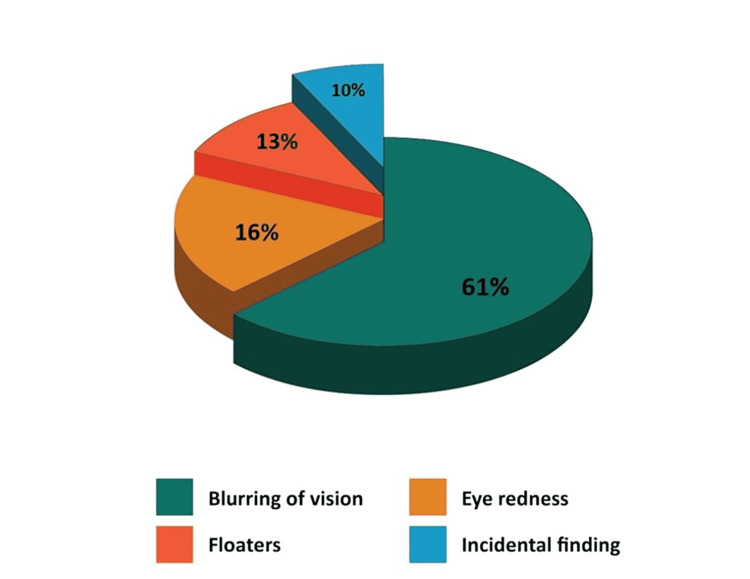
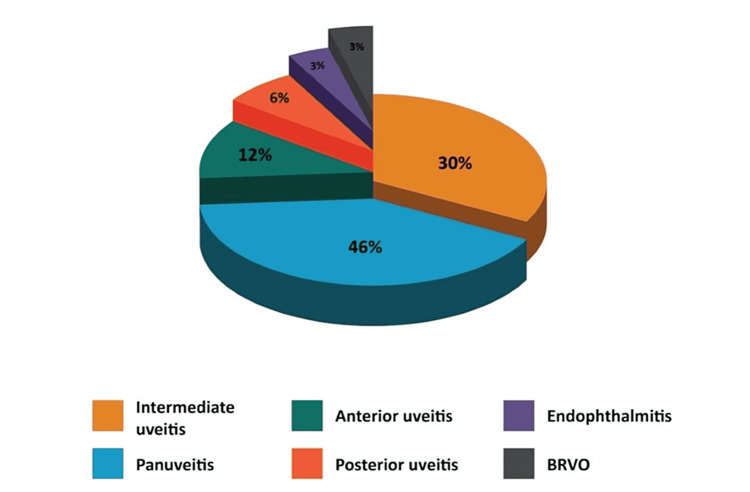
This study aims to describe the demographic features, clinical profile, Human Immunodeficiency Virus (HIV) status, and visual outcome after completing treatment in patients diagnosed with uveitic syphilis. Methods: A retrospective review was conducted of all cases diagnosed with ocular syphilis from January 2014 to December 2019 at the ophthalmology clinic of Selayang Hospital, Selangor, Malaysia. A total of 31 cases were reviewed, and the collected data included demographic features, history of high-risk behavior, ocular symptoms and signs, visual acuity at presentation and after completing treatment, treatment received, complications, and HIV status. Serology tests to confirm the diagnosis were also included, such as the rapid plasma reagin (RPR), venereal disease research laboratory test (VDRL) titer, and treponema pallidum hemagglutination (TPHA) tests, and some cases also included the VDRL cerebrospinal fluid (CSF) test. Results: A total of 31 patients with ocular syphilis were identified within the study period. Male patients comprised the majority with 27 cases. Nineteen patients were below the age of 50. The majority were ethnic Malay (21 patients). Seventeen patients were identified to have HIV co-infection. Twenty patients reported high-risk behaviors, and among them, six cases were HIV-infected homosexuals. The commonest symptom was blurring of vision (61%), followed by eye redness (16%), floaters (13%), and incidental findings (10%). There were 18 bilateral cases and 13 unilateral cases. The larger share presented as panuveitis (14 cases), followed by intermediate uveitis (nine cases), anterior uveitis (four cases), posterior uveitis (two cases), endophthalmitis (one case), and branch retinal vein occlusion (one case). RPR and TPHA tests were done for all patients. Only 12 patients consented to lumbar puncture for a CSF VDRL test, and one tested positive. All patients received intravenous (IV) administration of 3.0 to 4.0 million units of benzylpenicillin every four hours for 14 days. All cases reported a good outcome with an improvement in visual acuity of at least two Snellen lines after treatment. Conclusion: Early detection and treatment of ocular syphilis will usually preserve visual acuity and ocular function. This study highlights the need for a high degree of suspicion of HIV co-infection, as the majority of our patients were discovered to be HIV-seropositive. Thus, HIV screening is mandatory in all patients presenting with syphilitic uveitis.
本研究旨在描述被诊断为葡萄膜炎性梅毒的患者在完成治疗后的人口统计学特征、临床概况、人类免疫缺陷病毒(HIV)状态及视觉预后。方法:对2014年1月至2019年12月在马来西亚雪兰莪州士拉央医院眼科诊所诊断为眼梅毒的所有病例进行回顾性研究。共回顾了31例病例,收集的数据包括人口统计学特征、高危行为史、眼部症状和体征、就诊时及完成治疗后的视力、接受的治疗、并发症及HIV状态。还包括用于确诊的血清学检测,如快速血浆反应素(RPR)、性病研究实验室试验(VDRL)滴度及梅毒螺旋体血凝试验(TPHA),部分病例还包括VDRL脑脊液(CSF)检测。结果:在研究期间共识别出31例眼梅毒患者。男性患者居多,有27例。19例患者年龄在50岁以下。大多数为马来族(21例患者)。17例患者被确定合并感染HIV。20例患者报告有高危行为,其中6例为HIV感染的同性恋者。最常见的症状是视力模糊(61%),其次是眼红(16%)、飞蚊症(13%)和偶然发现(10%)。有18例双侧病例和13例单侧病例。较大比例表现为全葡萄膜炎(14例),其次是中间葡萄膜炎(9例)、前葡萄膜炎(4例)、后葡萄膜炎(2例)、眼内炎(1例)和视网膜分支静脉阻塞(1例)。所有患者均进行了RPR和TPHA检测。仅12例患者同意进行腰椎穿刺以检测CSF VDRL,1例检测呈阳性。所有患者均接受静脉注射,每4小时注射300万至400万单位苄星青霉素,持续14天。所有病例报告预后良好,治疗后视力至少提高两行。结论:眼梅毒的早期检测和治疗通常可保留视力和眼功能。本研究强调了高度怀疑合并HIV感染的必要性,因为我们的大多数患者被发现HIV血清学呈阳性。因此,所有患有梅毒性葡萄膜炎的患者都必须进行HIV筛查。