First Department of Medicine, Faculty of Medicine, University Medical Centre Mannheim (UMM), University of Heidelberg, 68167 Mannheim, Germany.
DZHK (German Center for Cardiovascular Research), Partner Site, 68167 Mannheim, Germany.
Int J Mol Sci. 2022 Jul 27;23(15):8313. doi: 10.3390/ijms23158313.
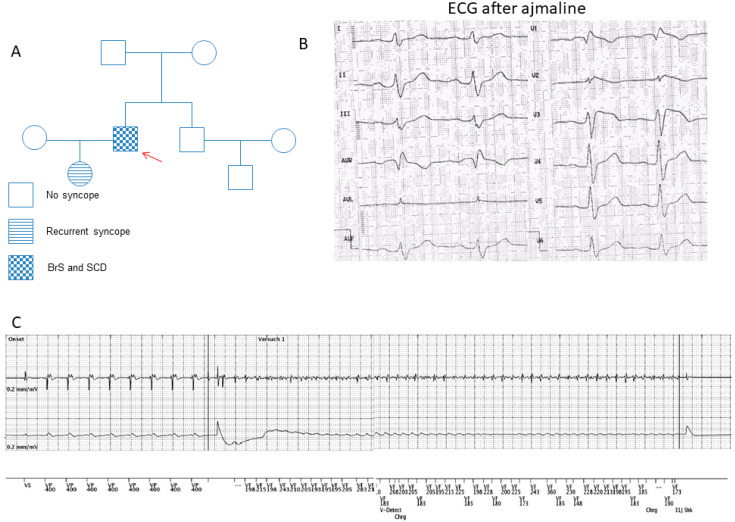
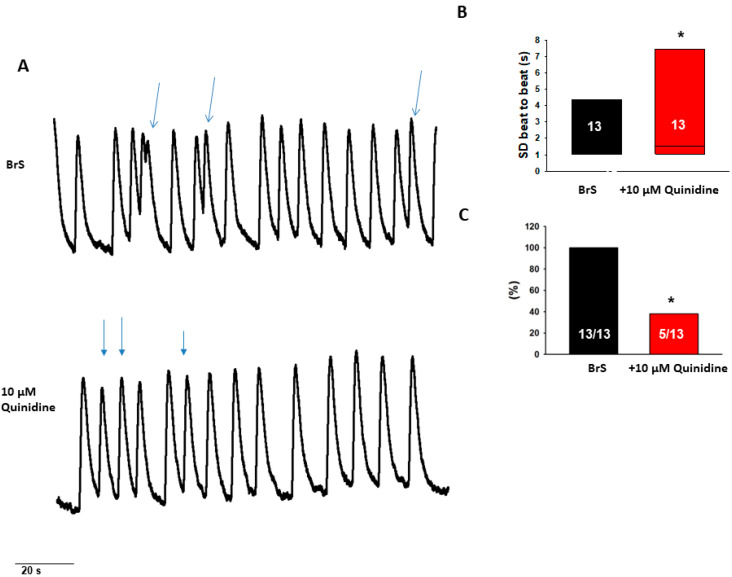
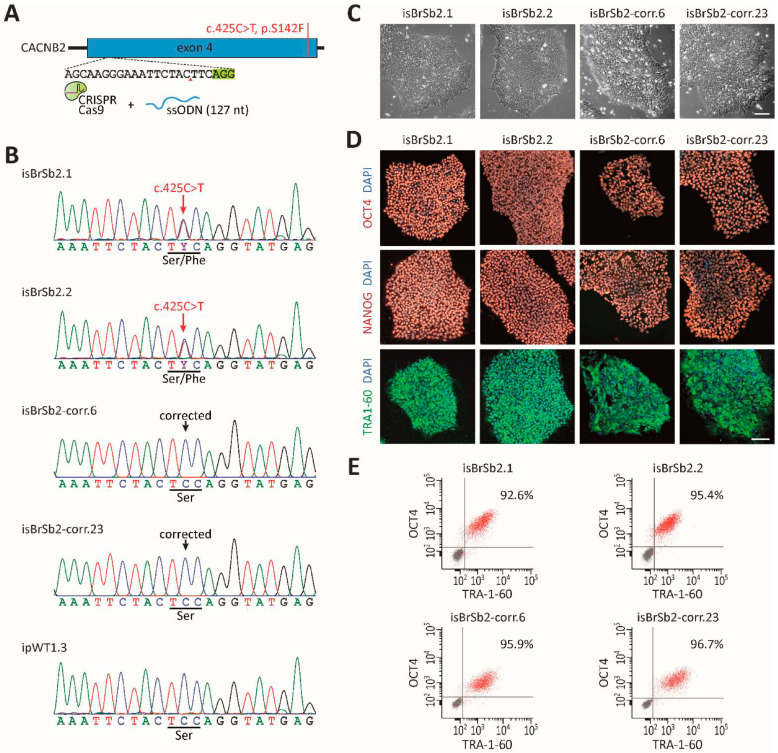
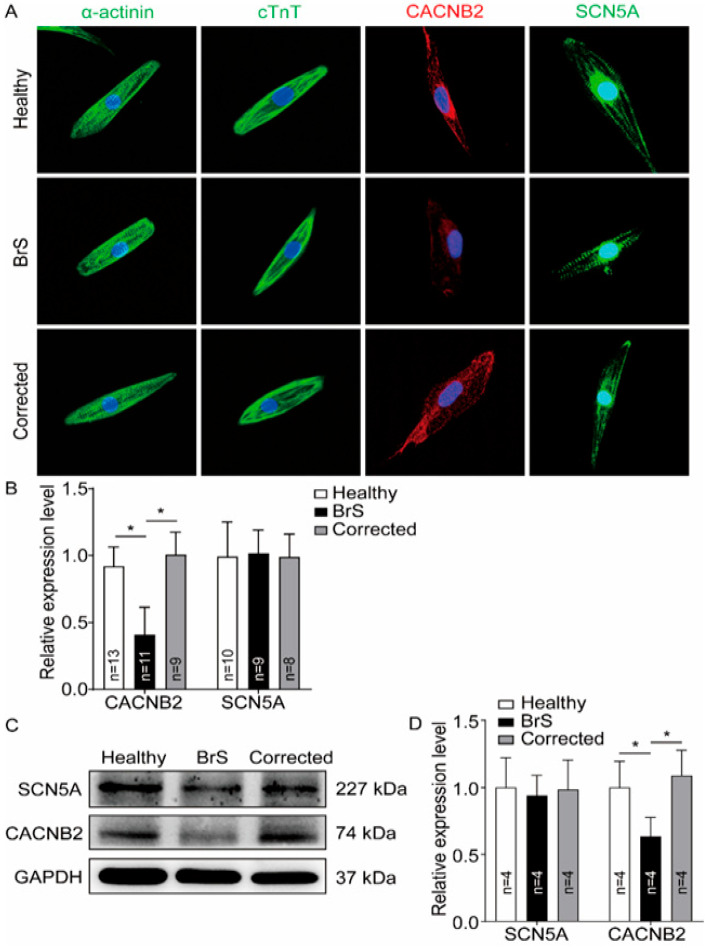
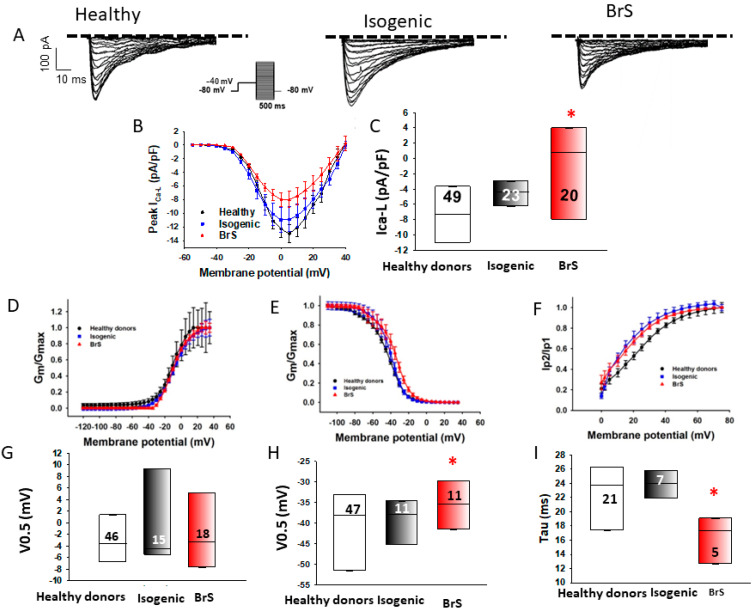
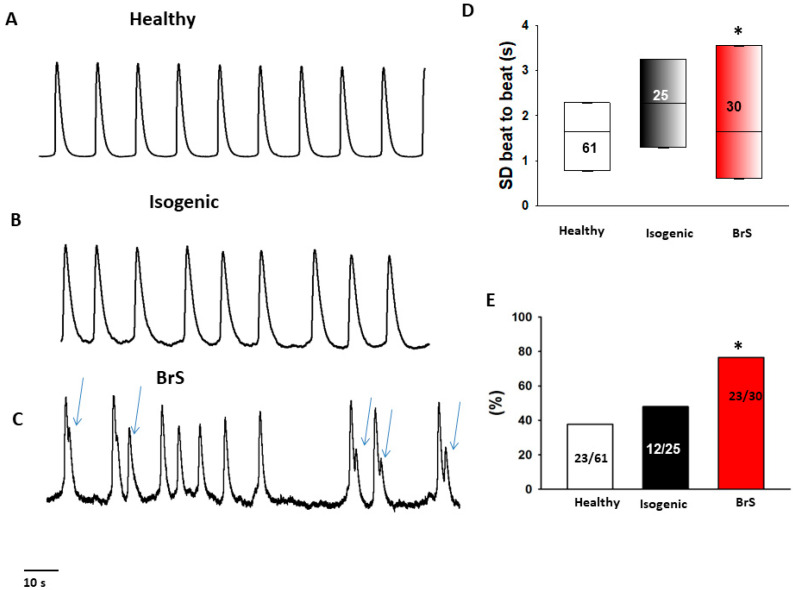
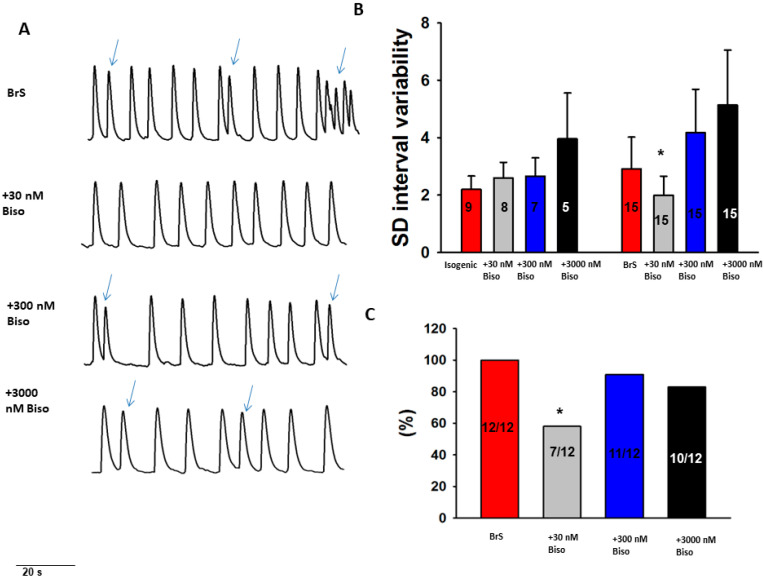
Aims: Some gene variants in the sodium channels, as well as calcium channels, have been associated with Brugada syndrome (BrS). However, the investigation of the human cellular phenotype and the use of drugs for BrS in presence of variant in the calcium channel subunit is still lacking. Objectives: The objective of this study was to establish a cellular model of BrS in the presence of a CACNB2 variant of uncertain significance (c.425C > T/p.S142F) using human-induced pluripotent stem cell-derived cardiomyocytes (hiPSC-CMs) and test drug effects using this model. Methods and results: This study recruited cells from a patient with Brugada syndrome (BrS) and recurrent ventricular fibrillation carrying a missense variant in CACNB2 as well as from three healthy independent persons. These cells (hiPSC-CMs) generated from skin biopsies of healthy persons and the BrS patient (BrS-hiPSC-CMs) as well as CRISPR/Cas9 corrected cells (isogenic control, site-variant corrected) were used for this study. The hiPSC-CMs from the BrS patient showed a significantly reduced L-type calcium channel current (ICa-L) compared with the healthy control hiPSC-CMs. The inactivation curve was shifted to a more positive potential and the recovery from inactivation was accelerated. The protein expression of CACNB2 of the hiPSC-CMs from the BrS-patient was significantly decreased compared with healthy hiPSC-CMs. Moreover, the correction of the CACNB2 site-variant rescued the changes seen in the hiPSC-CMs of the BrS patient to the normal state. These data indicate that the CACNB2 gene variant led to loss-of-function of L-type calcium channels in hiPSC-CMs from the BrS patient. Strikingly, arrhythmia events were more frequently detected in BrS-hiPSC-CMs. Bisoprolol (beta-blockers) at low concentration and quinidine decreased arrhythmic events. Conclusions: The CACNB2 variant (c.425C > T/p.S142F) causes a loss-of-function of L-type calcium channels and is pathogenic for this type of BrS. Bisoprolol and quinidine may be effective for treating BrS with this variant.
钠离子通道和钙通道中的一些基因变异与 Brugada 综合征(BrS)有关。然而,在钙通道亚基存在变异的情况下,对 BrS 的人类细胞表型和药物研究仍有待进一步探索。目的:本研究旨在使用人诱导多能干细胞衍生的心肌细胞(hiPSC-CMs)建立存在不确定意义的 CACNB2 变异(c.425C>T/p.S142F)的 BrS 细胞模型,并使用该模型测试药物的效果。方法和结果:本研究招募了一名携带 CACNB2 错义变异的 Brugada 综合征(BrS)伴反复室性心动过速的患者以及三名健康独立个体的细胞。这些细胞(hiPSC-CMs)由健康个体和 BrS 患者的皮肤活检产生(BrS-hiPSC-CMs)以及通过 CRISPR/Cas9 校正的细胞(同源对照,位点变异校正)。与健康对照 hiPSC-CMs 相比,来自 BrS 患者的 hiPSC-CMs 的 L 型钙通道电流(ICa-L)明显降低。失活曲线向更正的电位移动,失活恢复加快。与健康 hiPSC-CMs 相比,来自 BrS 患者的 hiPSC-CMs 的 CACNB2 蛋白表达显著降低。此外,CACNB2 位点变异的校正将 BrS 患者 hiPSC-CMs 中的变化纠正为正常状态。这些数据表明,CACNB2 基因变异导致 BrS 患者的 hiPSC-CMs 中的 L 型钙通道功能丧失。引人注目的是,在 BrS-hiPSC-CMs 中更频繁地检测到心律失常事件。低浓度的比索洛尔(β受体阻滞剂)和奎尼丁可减少心律失常事件。结论:CACNB2 变异(c.425C>T/p.S142F)导致 L 型钙通道功能丧失,是这种类型的 BrS 的致病因素。比索洛尔和奎尼丁可能对治疗该变异引起的 BrS 有效。