Vessel-Organ Interaction Research Center, College of Pharmacy, Kyungpook National University, Daegu 41566, Korea.
Research Institute of Pharmaceutical Sciences, College of Pharmacy, Kyungpook National University, Daegu 41566, Korea.
Int J Mol Sci. 2022 Aug 1;23(15):8529. doi: 10.3390/ijms23158529.
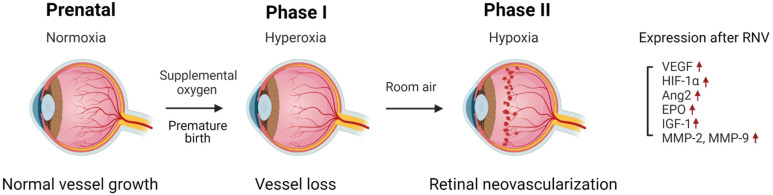
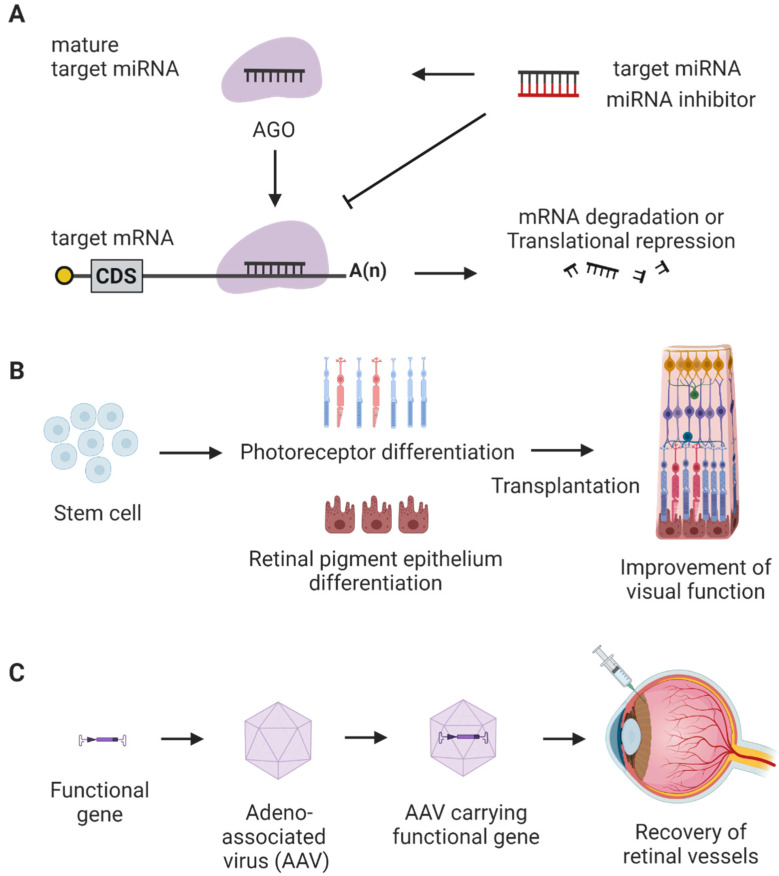
Retinopathy of prematurity (ROP) is a rare proliferative ocular disorder in preterm infants. Because of the advancements in neonatal care, the incidence of ROP has increased gradually. Now, ROP is one of the leading causes of blindness in children. Preterm infants with immature retinal development are exposed to supplemental oxygen inside an incubator until their cardiopulmonary system is adequately developed. Once they are returned to room air, the relatively low oxygen level stimulates various angiogenesis factors initiating retinal neovascularization. If patients with ROP are not offered adequate and timely treatment, they can experience vision loss that may ultimately lead to permanent blindness. Although laser therapy and anti-vascular endothelial growth factor agents are widely used to treat ROP, they have limitations. Thus, it is important to identify novel therapeutics with minimal adverse effects for the treatment of ROP. To date, various pharmacologic and non-pharmacologic therapies have been assessed as treatments for ROP. In this review, the major molecular factors involved in the pathogenesis of ROP, currently offered therapies, therapies under investigation, and emerging novel therapeutics of ROP are discussed.
早产儿视网膜病变(ROP)是一种罕见的早产儿增殖性眼部疾病。由于新生儿护理的进步,ROP 的发病率逐渐增加。现在,ROP 是儿童失明的主要原因之一。早产儿的视网膜发育不成熟,在保温箱中需要补充氧气,直到他们的心肺系统发育成熟。一旦他们回到室内空气环境中,相对较低的氧气水平会刺激各种血管生成因子,引发视网膜新生血管形成。如果 ROP 患者没有得到足够和及时的治疗,他们可能会经历视力丧失,最终导致永久性失明。虽然激光治疗和抗血管内皮生长因子药物被广泛用于治疗 ROP,但它们存在局限性。因此,寻找具有最小不良反应的新型治疗药物对于 ROP 的治疗非常重要。迄今为止,已经评估了各种药物和非药物疗法作为 ROP 的治疗方法。在这篇综述中,讨论了 ROP 发病机制中的主要分子因素、目前提供的治疗方法、正在研究的治疗方法以及 ROP 的新兴新型治疗方法。