Xing Jiahua, Jia Ziqi, Li Yan, Han Yan
Department of Plastic and Reconstructive Surgery, The First Medical Center, Chinese PLA General Hospital, Beijing, China.
School of Medicine, Nankai University, Tianjin, China.
Front Oncol. 2022 Jul 25;12:939385. doi: 10.3389/fonc.2022.939385. eCollection 2022.
Cutaneous melanoma (CM), a kind of skin cancer with a high rate of advanced mortality, exhibits a wide variety of driver and transmitter gene alterations in the immunological tumor microenvironment (TME) associated with tumor cell survival and proliferation.
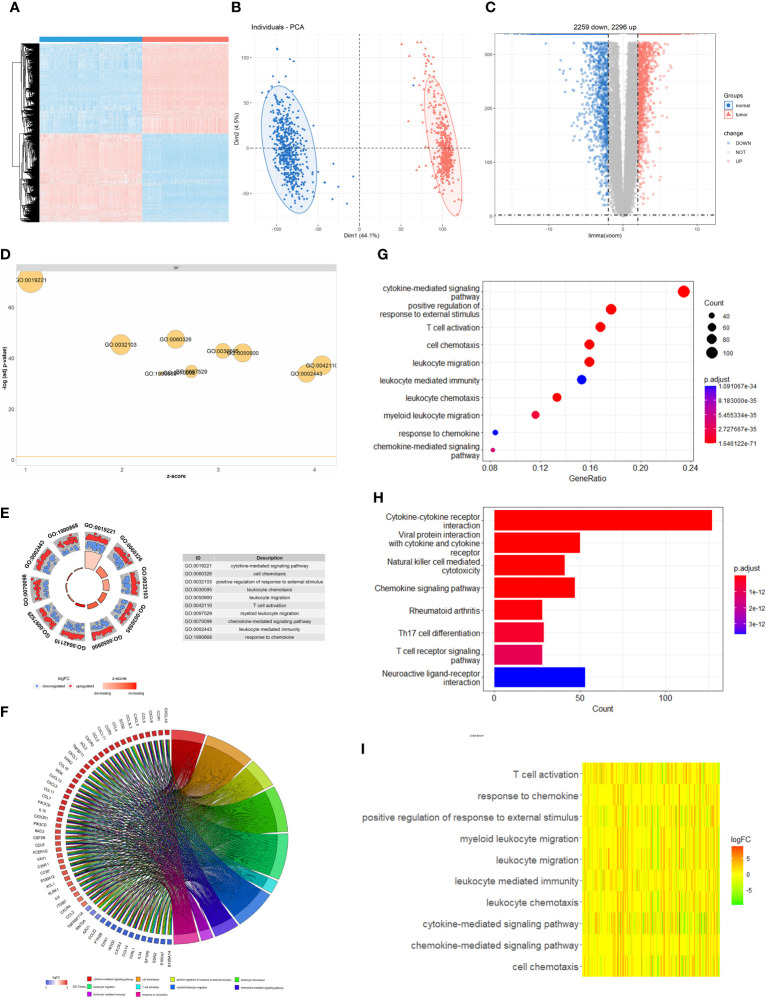
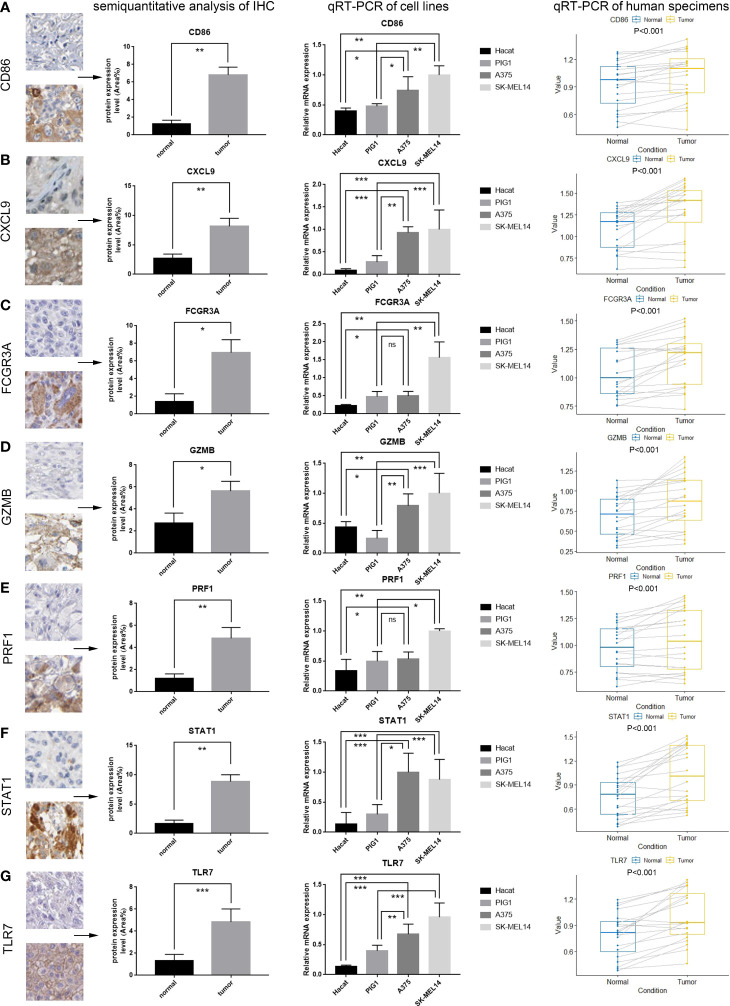
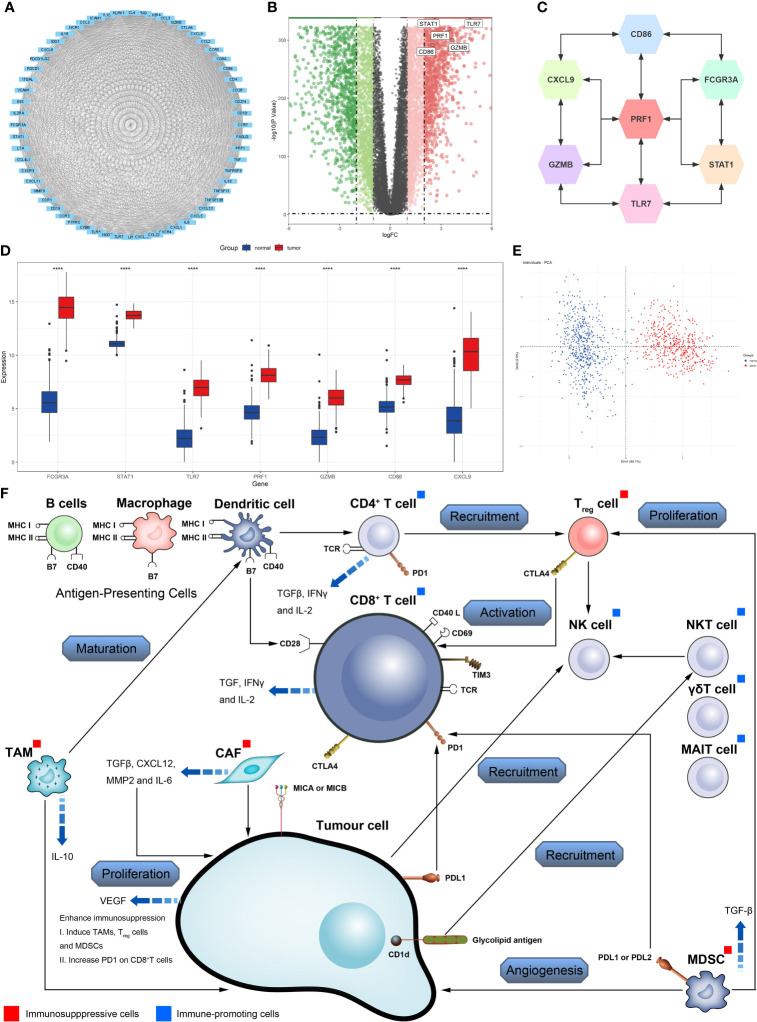
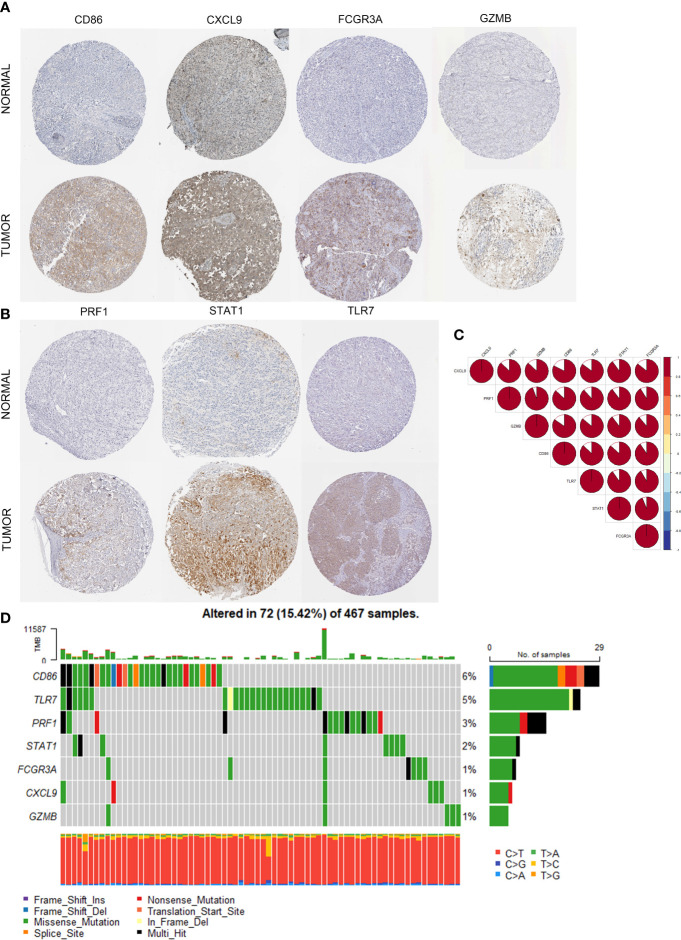
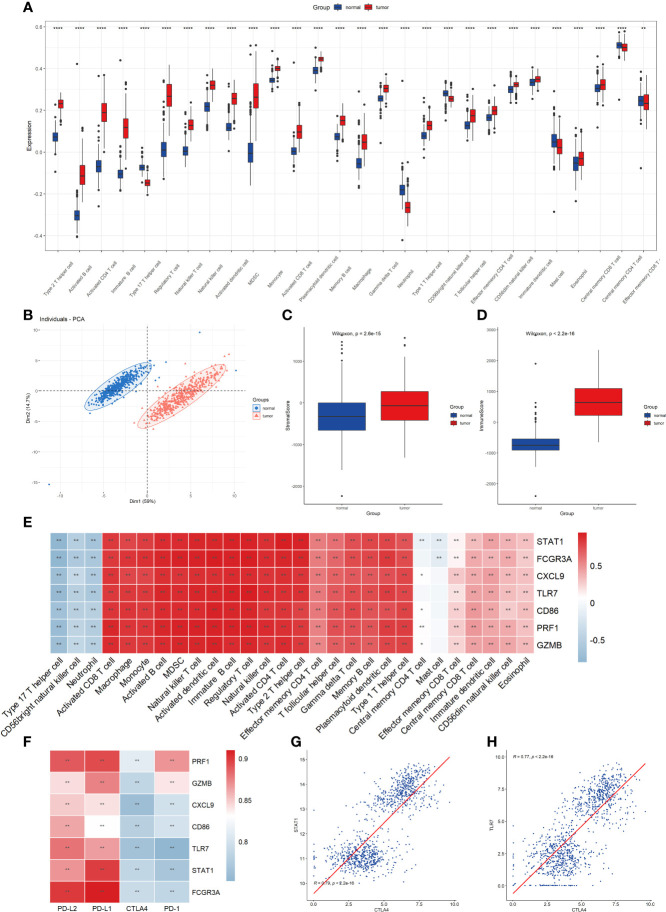
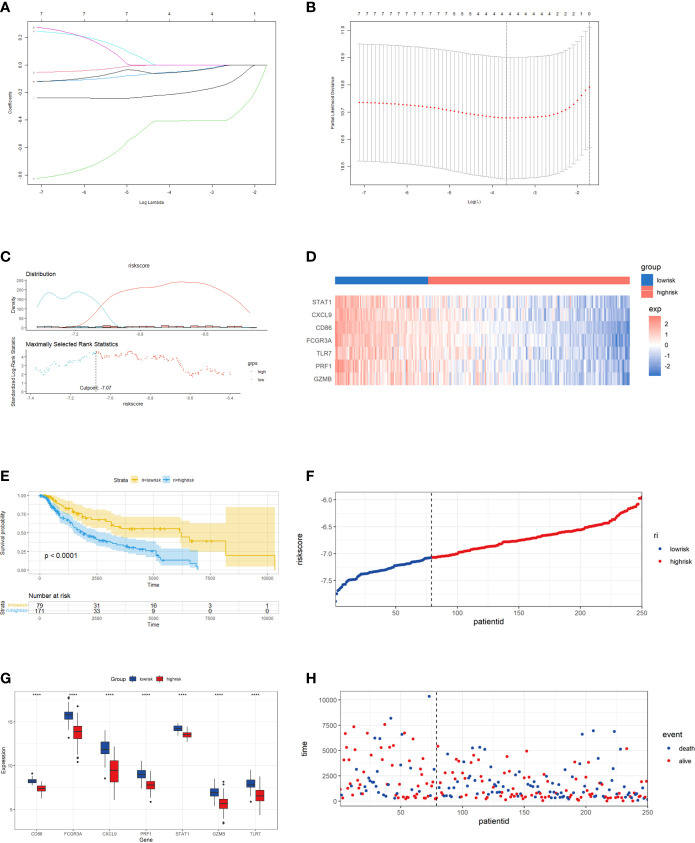
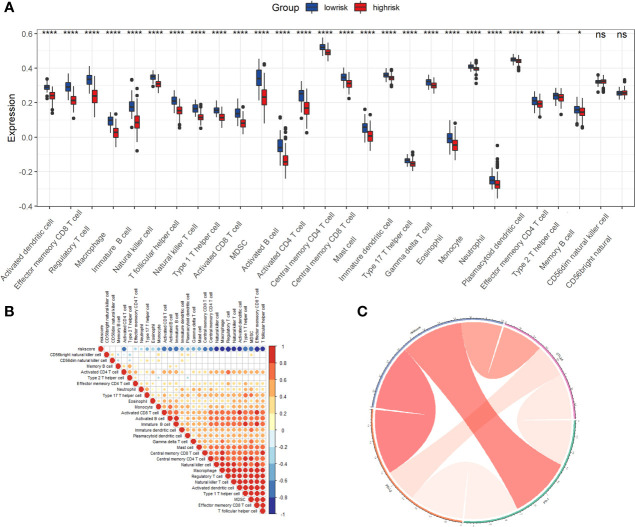
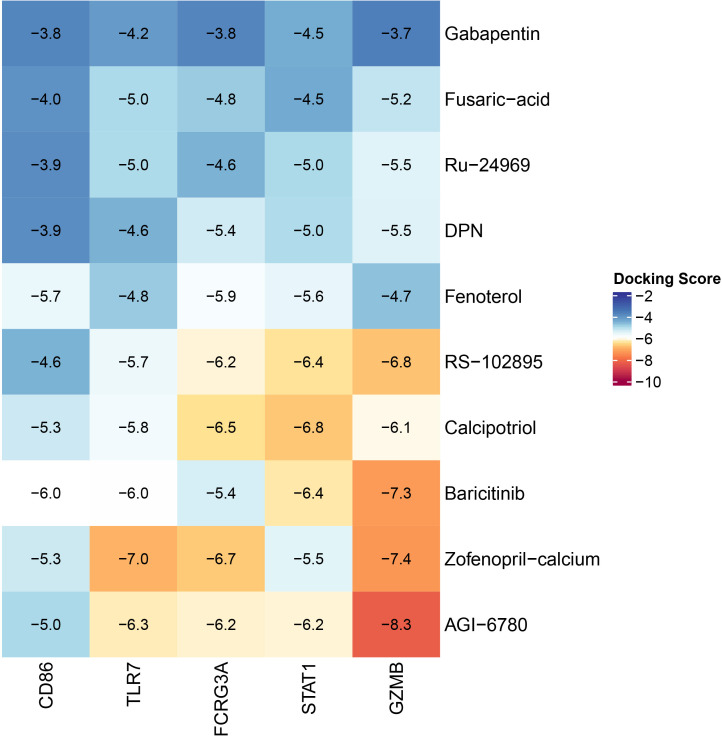
We analyzed the immunological infiltration of TME cells in normal and malignant tissues using 469 CM and 556 normal skin samples. We used a single sample gene set enrichment assay (ssGSEA) to quantify the relative abundance of 28 cells, then used the LASSO COX regression model to develop a riskScore prognostic model, followed by a small molecule drug screening and molecular docking validation, which was then validated using qRT-PCR and IHC.
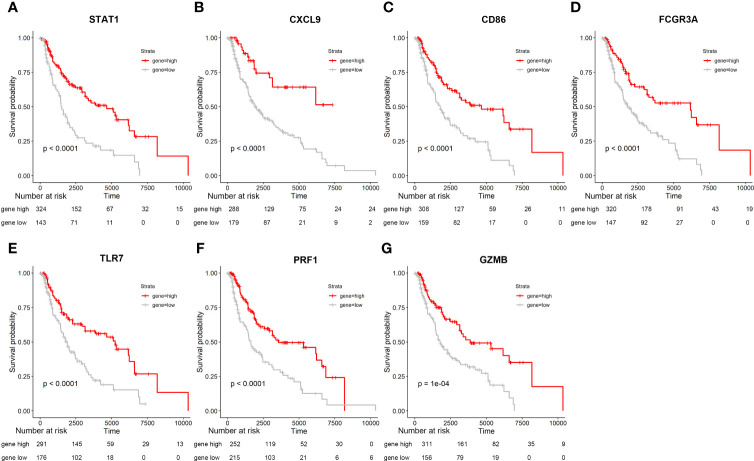
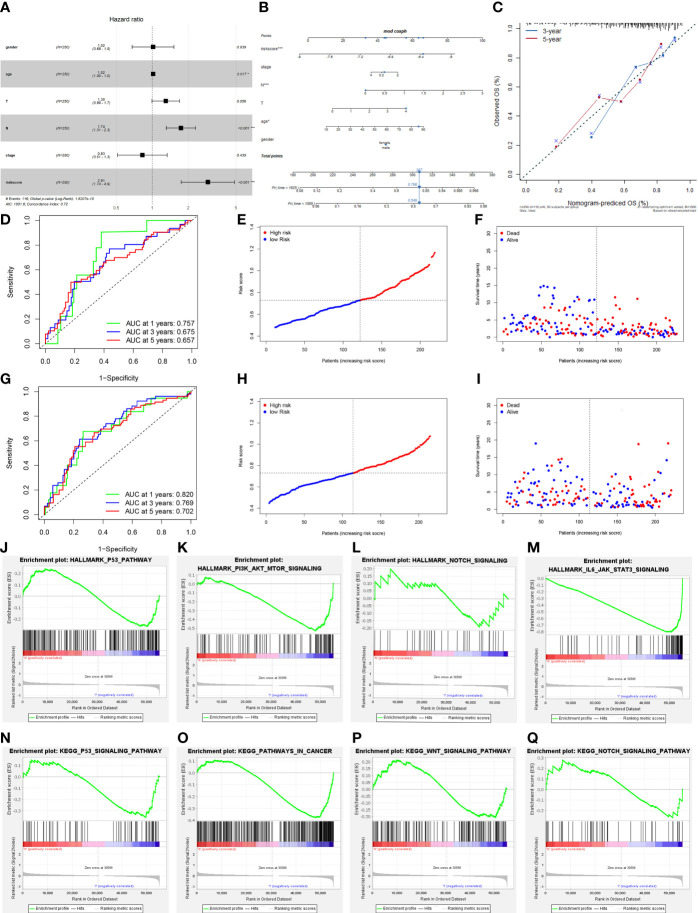
We developed a prognosis model around seven essential protective genes for the first time, dramatically elevated in tumor tissues, as did immune cell infiltration. Multivariate Cox regression results indicated that riskScore is an independent and robust prognostic indicator, and its predictive value in immunotherapy was verified. Additionally, we identified Gabapentin as a possible small molecule therapeutic for CM.
A riskScore model was developed in this work to analyze patient prognosis, TME cell infiltration features, and treatment responsiveness. The development of this model not only aids in predicting patient response to immunotherapy but also has significant implications for the development of novel immunotherapeutic agents and the promotion of tailored treatment regimens.
皮肤黑色素瘤(CM)是一种晚期死亡率很高的皮肤癌,在与肿瘤细胞存活和增殖相关的免疫肿瘤微环境(TME)中表现出多种驱动基因和传递基因改变。
我们使用469份CM样本和556份正常皮肤样本分析了正常组织和恶性组织中TME细胞的免疫浸润情况。我们使用单样本基因集富集分析(ssGSEA)来量化28种细胞的相对丰度,然后使用LASSO COX回归模型建立风险评分预后模型,接着进行小分子药物筛选和分子对接验证,随后使用qRT-PCR和免疫组化进行验证。
我们首次围绕七个关键保护基因建立了预后模型,这些基因在肿瘤组织中显著升高,免疫细胞浸润情况也是如此。多变量Cox回归结果表明,风险评分是一个独立且可靠的预后指标,其在免疫治疗中的预测价值得到了验证。此外,我们确定加巴喷丁为CM可能的小分子治疗药物。
本研究建立了一个风险评分模型,用于分析患者预后、TME细胞浸润特征和治疗反应性。该模型的建立不仅有助于预测患者对免疫治疗的反应,还对新型免疫治疗药物的开发和个性化治疗方案的推广具有重要意义。