Xu Yujian, Chen Youbai, Niu Zehao, Xing Jiahua, Yang Zheng, Yin Xiangye, Guo Lingli, Zhang Qixu, Qiu Haixia, Han Yan
Department of Plastic and Reconstructive Surgery, The First Medical Center of Chinese PLA General Hospital, Beijing, China.
Department of Plastic Surgery, The University of Texas MD Anderson Cancer Center, Houston, TX, United States.
Front Med (Lausanne). 2022 Apr 15;9:841568. doi: 10.3389/fmed.2022.841568. eCollection 2022.
The purpose of this study was to construct a gene signature comprising genes related to both inflammation and pyroptosis (GRIPs) to predict the prognosis of patients with cutaneous melanoma patients and the efficacy of immunotherapy, chemotherapy, and targeted therapy in these patients.
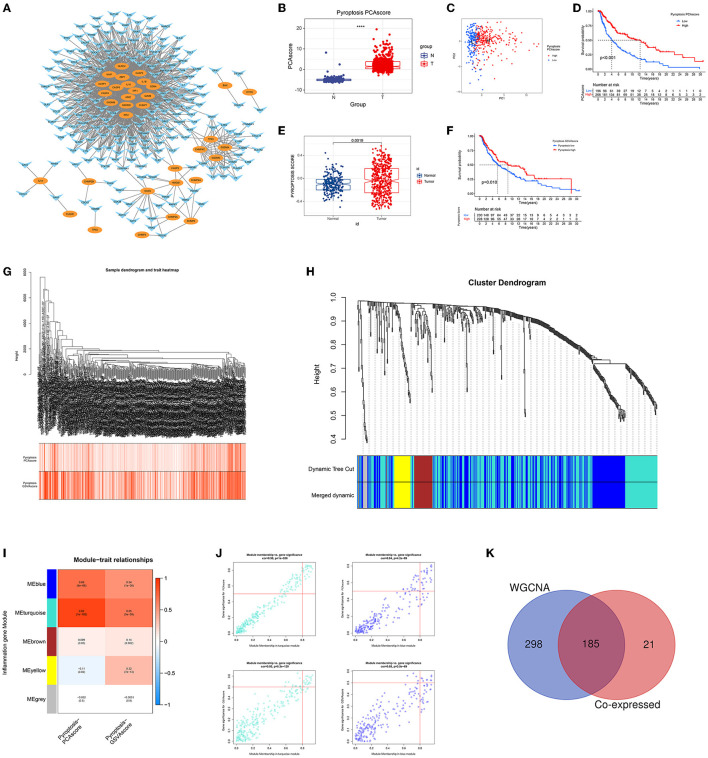
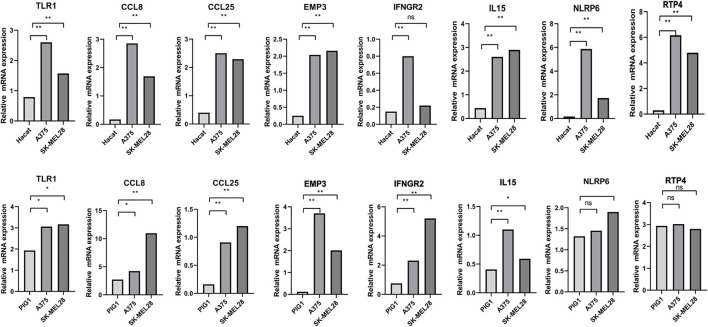
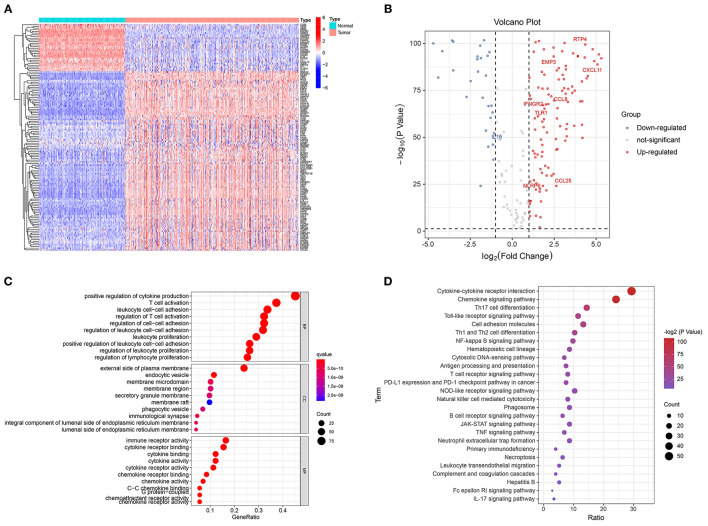
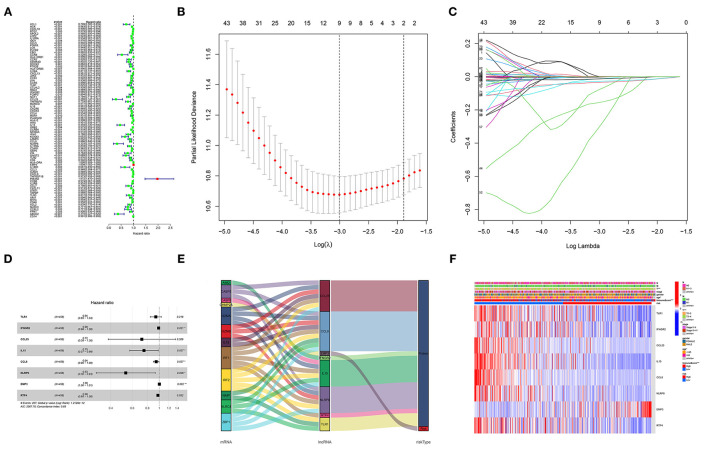
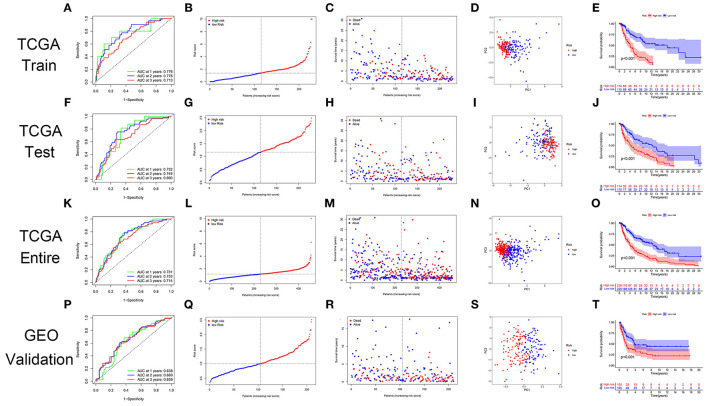
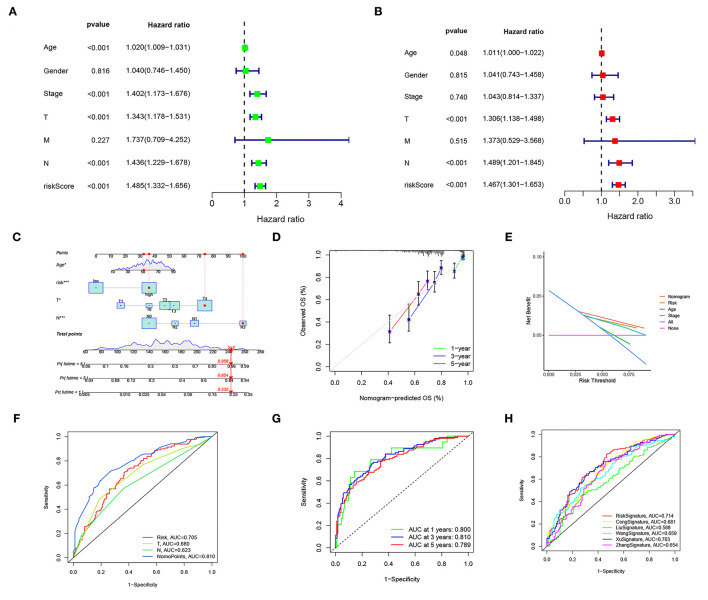
Gene expression profiles were collected from The Cancer Genome Atlas. Weighted gene co-expression network analysis was performed to identify GRIPs. Univariable Cox regression and Lasso regression further selected key prognostic genes. Multivariable Cox regression was used to construct a risk score, which stratified patients into high- and low-risk groups. Areas under the ROC curves (AUCs) were calculated, and Kaplan-Meier analyses were performed for the two groups, following validation in an external cohort from Gene Expression Omnibus (GEO). A nomogram including the GRIP signature and clinicopathological characteristics was developed for clinical use. Gene set enrichment analysis illustrated differentially enriched pathways. Differences in the tumor microenvironment (TME) between the two groups were assessed. The efficacies of immune checkpoint inhibitors (ICIs), chemotherapeutic agents, and targeted agents were predicted for both groups. Immunohistochemical analyses of the GRIPs between the normal and CM tissues were performed using the Human Protein Atlas data. The qRT-PCR experiments validated the expression of genes in CM cell lines, Hacat, and PIG1 cell lines.
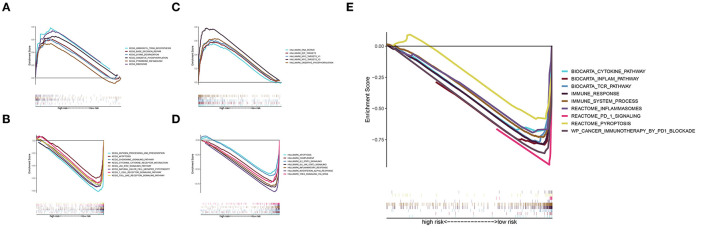
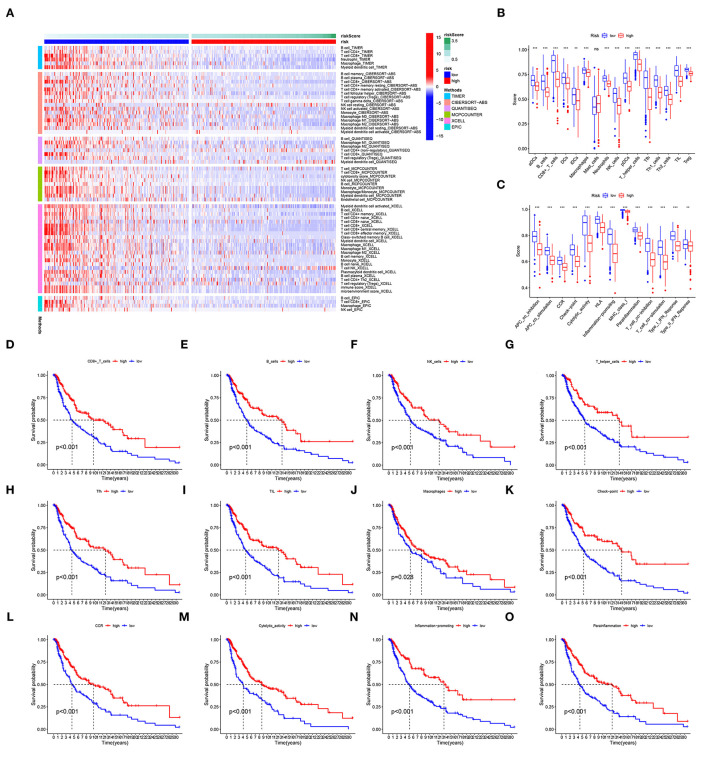
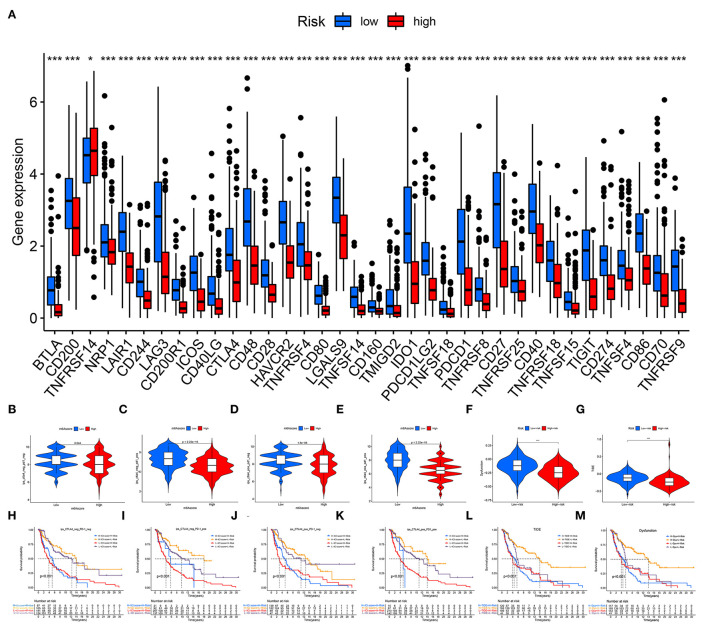
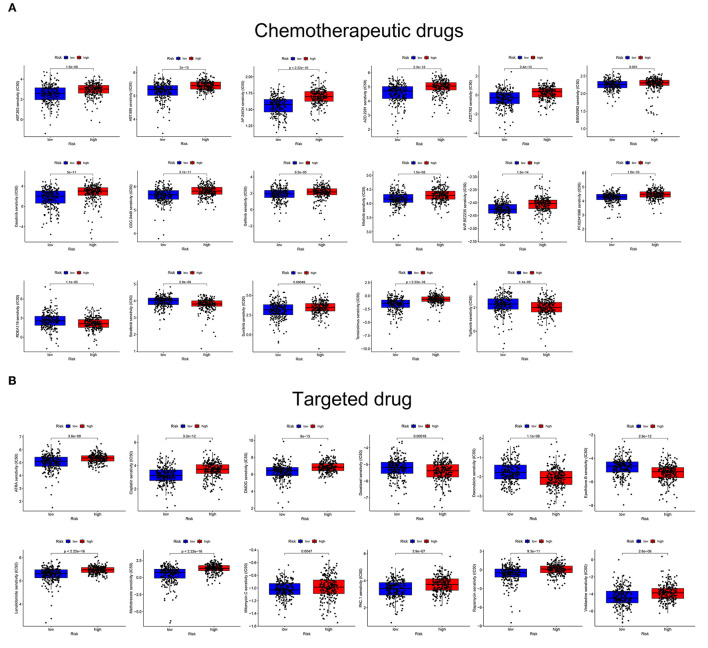
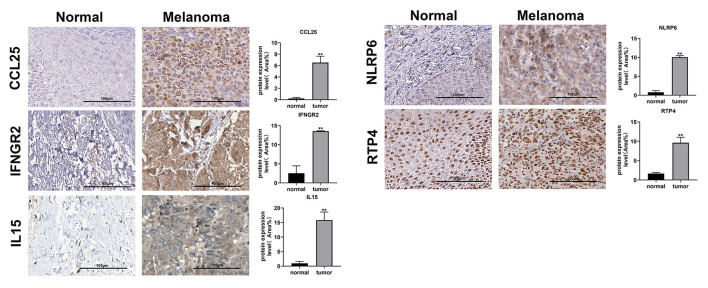
A total of 185 GRIPs were identified. A novel gene signature comprising eight GRIPs (TLR1, CCL8, EMP3, IFNGR2, CCL25, IL15, RTP4, and NLRP6) was constructed. The signature had AUCs of 0.714 and 0.659 for predicting 3-year overall survival (OS) in the TCGA entire and GEO validation cohorts, respectively. Kaplan-Meier analyses revealed that the high-risk group had a poorer prognosis. Multivariable Cox regression showed that the GRIP signature was an independent predictor of OS with higher accuracy than traditional clinicopathological features. The nomogram showed good accuracy and reliability in predicting 3-year OS (AUC = 0.810). GSEA and TME analyses showed that the high-risk group had lower levels of pyroptosis, inflammation, and immune response, such as lower levels of CD8+ T-cell infiltration, CD4+ memory-activated T-cell infiltration, and ICI. In addition, low-risk patients whose disease expressed or were likely to respond better to ICIs, and several chemotherapeutic and targeted agents. Immunohistochemical analysis confirmed the distinct expression of five out of the eight GRIPs between normal and CM tissues.
Our novel 8-GRIP signature can accurately predict the prognosis of patients with CM and the efficacies of multiple anticancer therapies. These GRIPs might be potential prognostic biomarkers and therapeutic targets for CM.
本研究的目的是构建一个包含与炎症和细胞焦亡相关基因(GRIPs)的基因特征,以预测皮肤黑色素瘤患者的预后以及这些患者免疫治疗、化疗和靶向治疗的疗效。
从癌症基因组图谱收集基因表达谱。进行加权基因共表达网络分析以鉴定GRIPs。单变量Cox回归和Lasso回归进一步选择关键预后基因。多变量Cox回归用于构建风险评分,将患者分为高风险和低风险组。计算ROC曲线下面积(AUC),并对两组进行Kaplan-Meier分析,随后在来自基因表达综合数据库(GEO)的外部队列中进行验证。开发了一个包含GRIP特征和临床病理特征的列线图以供临床使用。基因集富集分析说明了差异富集的通路。评估两组之间肿瘤微环境(TME)的差异。预测两组免疫检查点抑制剂(ICIs)、化疗药物和靶向药物的疗效。使用人类蛋白质图谱数据对正常组织和CM组织之间的GRIPs进行免疫组织化学分析。qRT-PCR实验验证了CM细胞系、Hacat和PIG1细胞系中基因的表达。
共鉴定出185个GRIPs。构建了一个包含8个GRIPs(TLR1、CCL8、EMP3、IFNGR2、CCL25、IL15、RTP4和NLRP6)的新型基因特征。该特征在预测TCGA全部队列和GEO验证队列中3年总生存期(OS)时的AUC分别为0.714和0.659。Kaplan-Meier分析显示高风险组预后较差。多变量Cox回归表明GRIP特征是OS的独立预测因子,其准确性高于传统临床病理特征。列线图在预测3年OS时显示出良好的准确性和可靠性(AUC = 0.810)。GSEA和TME分析表明,高风险组的细胞焦亡、炎症和免疫反应水平较低,如CD8 + T细胞浸润、CD4 + 记忆激活T细胞浸润和ICI水平较低。此外,疾病表达 或 的低风险患者可能对ICIs以及几种化疗和靶向药物反应更好。免疫组织化学分析证实了正常组织和CM组织之间8个GRIPs中有5个表达不同。
我们新的8-GRIP特征可以准确预测CM患者的预后以及多种抗癌治疗的疗效。这些GRIPs可能是CM潜在的预后生物标志物和治疗靶点。