College of Medicine and Health Sciences, University of Rwanda, Kigali, Rwanda.
African Center of Excellence in Data Science, University of Rwanda, Kigali, Rwanda.
BMC Med Inform Decis Mak. 2022 Aug 12;22(1):214. doi: 10.1186/s12911-022-01965-9.
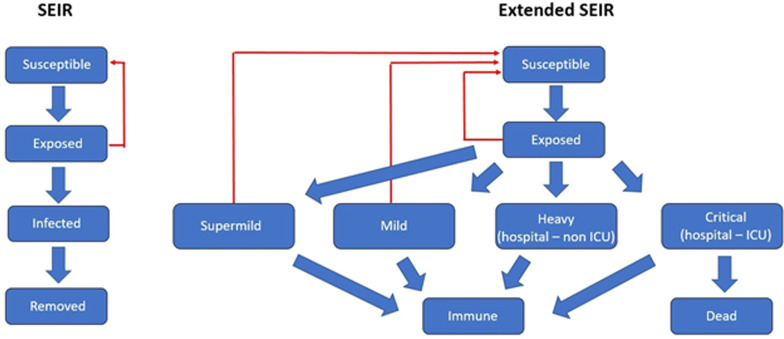
Since the outbreak of COVID-19 pandemic in Rwanda, a vast amount of SARS-COV-2/COVID-19-related data have been collected including COVID-19 testing and hospital routine care data. Unfortunately, those data are fragmented in silos with different data structures or formats and cannot be used to improve understanding of the disease, monitor its progress, and generate evidence to guide prevention measures. The objective of this project is to leverage the artificial intelligence (AI) and data science techniques in harmonizing datasets to support Rwandan government needs in monitoring and predicting the COVID-19 burden, including the hospital admissions and overall infection rates.
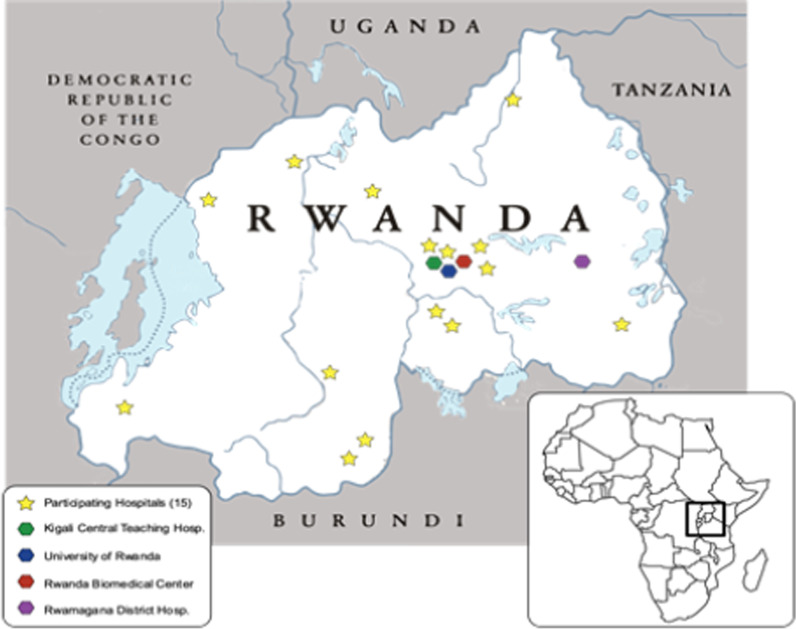
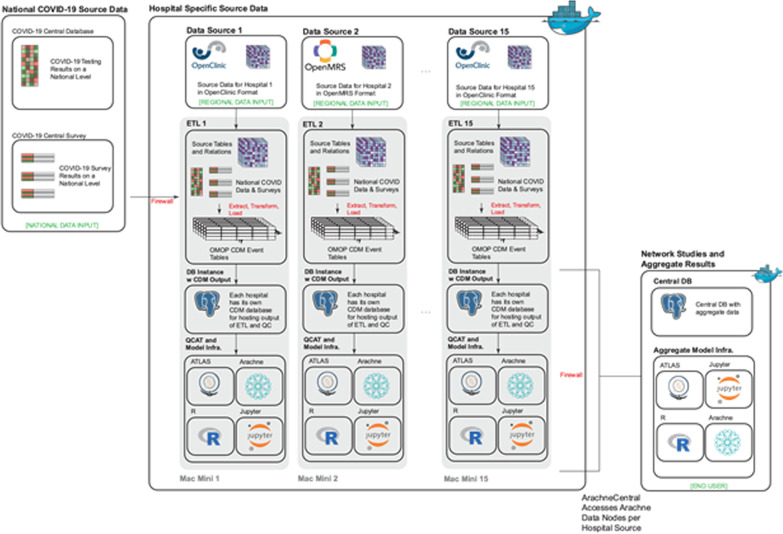
The project will gather the existing data including hospital electronic health records (EHRs), the COVID-19 testing data and will link with longitudinal data from community surveys. The open-source tools from Observational Health Data Sciences and Informatics (OHDSI) will be used to harmonize hospital EHRs through the Observational Medical Outcomes Partnership (OMOP) Common Data Model (CDM). The project will also leverage other OHDSI tools for data analytics and network integration, as well as R Studio and Python. The network will include up to 15 health facilities in Rwanda, whose EHR data will be harmonized to OMOP CDM.
This study will yield a technical infrastructure where the 15 participating hospitals and health centres will have EHR data in OMOP CDM format on a local Mac Mini ("data node"), together with a set of OHDSI open-source tools. A central server, or portal, will contain a data catalogue of participating sites, as well as the OHDSI tools that are used to define and manage distributed studies. The central server will also integrate the information from the national Covid-19 registry, as well as the results of the community surveys. The ultimate project outcome is the dynamic prediction modelling for COVID-19 pandemic in Rwanda.
The project is the first on the African continent leveraging AI and implementation of an OMOP CDM based federated data network for data harmonization. Such infrastructure is scalable for other pandemics monitoring, outcomes predictions, and tailored response planning.
自 COVID-19 疫情在卢旺达爆发以来,已收集了大量与 SARS-CoV-2/COVID-19 相关的数据,包括 COVID-19 检测和医院常规护理数据。不幸的是,这些数据被分割在不同数据结构或格式的孤岛中,无法用于增进对疾病的了解、监测其进展并生成证据以指导预防措施。本项目的目的是利用人工智能 (AI) 和数据科学技术来协调数据集,以支持卢旺达政府监测和预测 COVID-19 负担的需求,包括住院和总感染率。
该项目将收集现有的数据,包括医院电子健康记录 (EHR)、COVID-19 检测数据,并将其与社区调查的纵向数据进行链接。将使用观察性健康数据科学与信息学 (OHDSI) 的开源工具通过观察性医疗结果伙伴关系 (OMOP) 通用数据模型 (CDM) 来协调医院 EHR。该项目还将利用其他 OHDSI 工具进行数据分析和网络集成,以及 R Studio 和 Python。网络将包括卢旺达的 15 家卫生机构,这些机构的 EHR 数据将被协调到 OMOP CDM 中。
本研究将产生一个技术基础设施,其中 15 家参与医院和医疗中心将在本地 Mac Mini(“数据节点”)上拥有 OMOP CDM 格式的 EHR 数据,以及一套 OHDSI 开源工具。中央服务器或门户将包含参与站点的数据目录,以及用于定义和管理分布式研究的 OHDSI 工具。中央服务器还将整合来自国家 COVID-19 注册中心以及社区调查的结果的信息。最终项目成果是卢旺达 COVID-19 大流行的动态预测模型。
该项目是非洲大陆上第一个利用人工智能和实施基于 OMOP CDM 的联邦数据网络进行数据协调的项目。这种基础设施可扩展用于其他大流行监测、结果预测和定制响应规划。