Department of Radiology, University of Groningen, University Medical Center Groningen, Groningen, the Netherlands.
Data Science in Health (DASH), University of Groningen, University Medical Center Groningen, Groningen, the Netherlands.
Respirology. 2022 Oct;27(10):818-833. doi: 10.1111/resp.14344. Epub 2022 Aug 14.
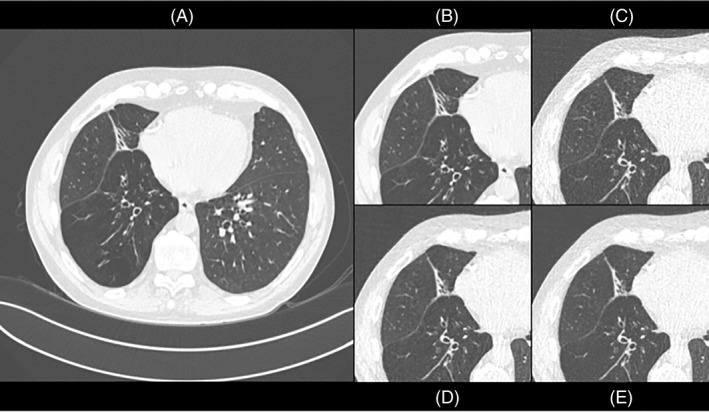
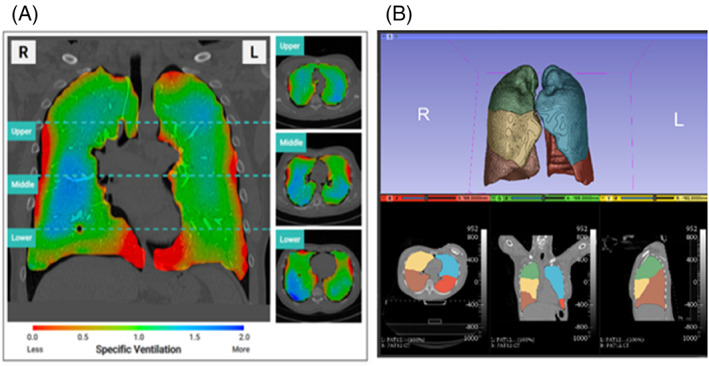
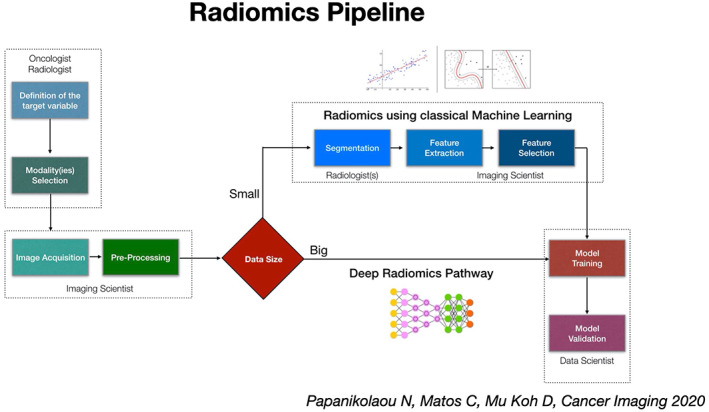
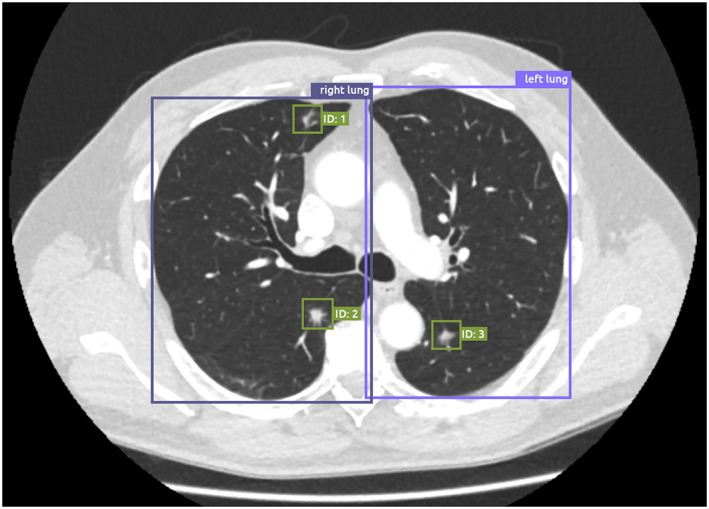
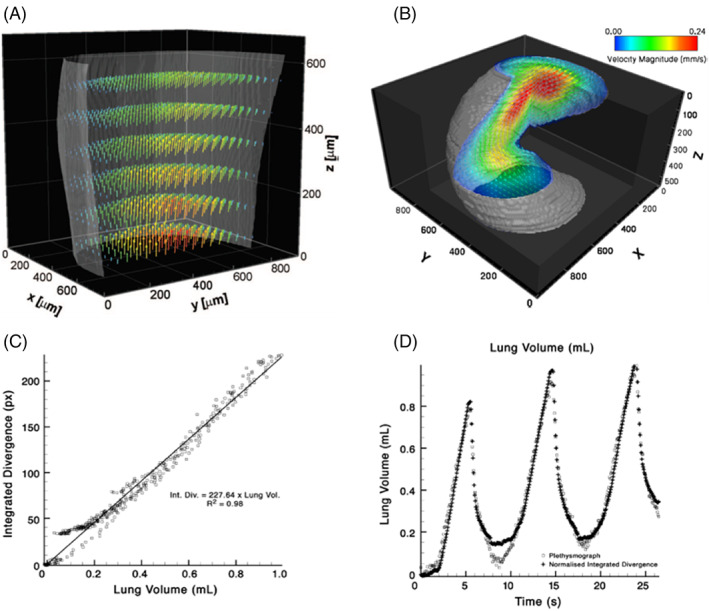
In recent years, pulmonary imaging has seen enormous progress, with the introduction, validation and implementation of new hardware and software. There is a general trend from mere visual evaluation of radiological images to quantification of abnormalities and biomarkers, and assessment of 'non visual' markers that contribute to establishing diagnosis or prognosis. Important catalysts to these developments in thoracic imaging include new indications (like computed tomography [CT] lung cancer screening) and the COVID-19 pandemic. This review focuses on developments in CT, radiomics, artificial intelligence (AI) and x-ray velocimetry for imaging of the lungs. Recent developments in CT include the potential for ultra-low-dose CT imaging for lung nodules, and the advent of a new generation of CT systems based on photon-counting detector technology. Radiomics has demonstrated potential towards predictive and prognostic tasks particularly in lung cancer, previously not achievable by visual inspection by radiologists, exploiting high dimensional patterns (mostly texture related) on medical imaging data. Deep learning technology has revolutionized the field of AI and as a result, performance of AI algorithms is approaching human performance for an increasing number of specific tasks. X-ray velocimetry integrates x-ray (fluoroscopic) imaging with unique image processing to produce quantitative four dimensional measurement of lung tissue motion, and accurate calculations of lung ventilation.
近年来,肺部影像学取得了巨大的进展,新的硬件和软件不断被引入、验证和应用。目前的趋势是从单纯的影像学图像的视觉评估,转变为对异常和生物标志物进行量化,以及评估有助于建立诊断或预后的“非视觉”标志物。推动这些胸部影像学发展的重要因素包括新的适应症(如 CT 肺癌筛查)和 COVID-19 大流行。本综述重点介绍了 CT、放射组学、人工智能 (AI) 和 X 射线流速测量在肺部成像中的进展。CT 的最新进展包括对肺结节进行超低剂量 CT 成像的可能性,以及基于光子计数探测器技术的新一代 CT 系统的问世。放射组学在预测和预后任务中表现出潜力,尤其是在肺癌方面,这是以前放射科医生仅凭视觉检查无法实现的,它利用了医学成像数据中的高维模式(主要与纹理有关)。深度学习技术彻底改变了人工智能领域,其结果是,人工智能算法在越来越多的特定任务中的性能正在接近人类水平。X 射线流速测量将 X 射线(透视)成像与独特的图像处理相结合,对肺组织运动进行定量的四维测量,并对肺通气进行精确计算。