Nalbandian Lucia
Canada Excellence Research Chair in Migration and Integration Program at Toronto Metropolitan University (formerly Ryerson University), Toronto, Canada.
Comp Migr Stud. 2022;10(1):32. doi: 10.1186/s40878-022-00305-0. Epub 2022 Aug 3.
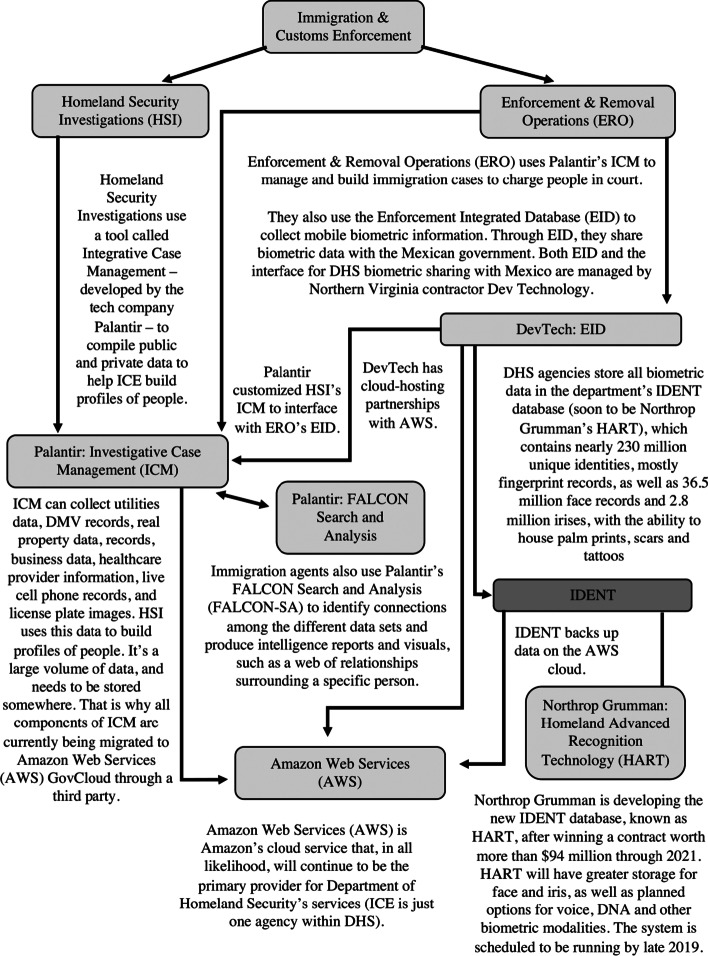
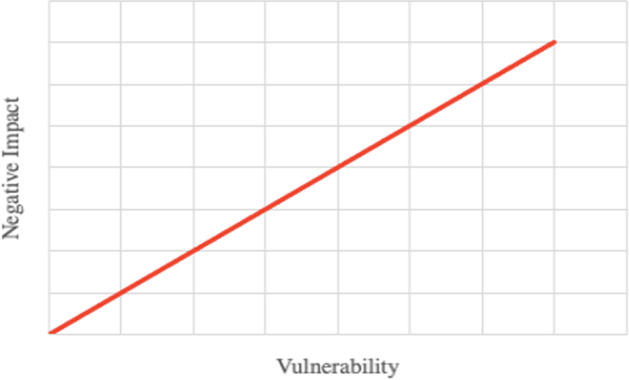
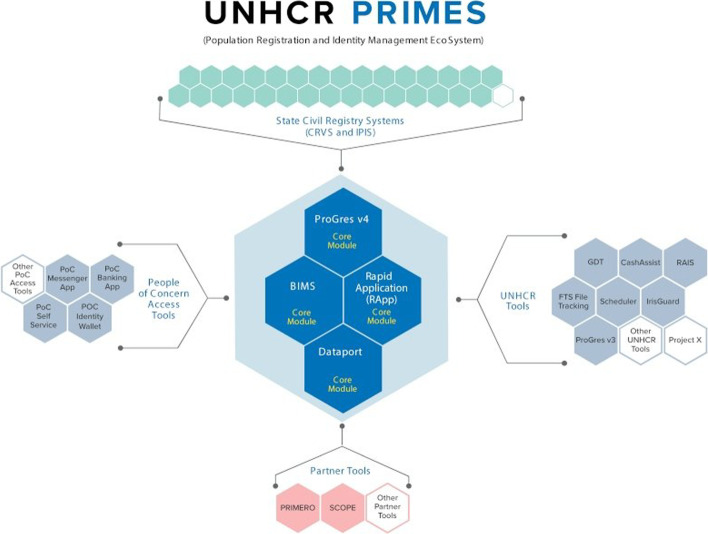
The promise of artificial intelligence has been originally to put technology at the service of people utilizing powerful information processors and 'smart' algorithms to quickly perform time-consuming data analysis. It soon though became apparent that the capacity of artificial intelligence to scrape and analyze big data would be particularly useful in surveillance policies. In the wider areas of migration and asylum management, increasingly sophisticated artificial intelligence tools have been used to register and manage vulnerable populations without much concern about the potential misuses of the data collected and the overall ethical and legal underpinnings of these operations. This article examines three cases in point. The first case investigates the United Nations High Commissioner for Refugees' decision to deploy a biometric matching engine engaging artificial intelligence to make accessing identification documents easier for both refugees and asylum seekers and the states and organizations they interact with. The second case focuses on the New Zealand government's introduction of artificial intelligence to improve border security and streamline immigration. The third case looks at data scraping and biometric recognition tools implemented by the United States government to track (and eventually deport) undocumented migrants. The article first shows how states and international organizations are increasingly turning to artificial intelligence tools to support the implementation of their immigration policies and programs. Subsequently, the article also outlines how even despite well-intentioned efforts, the decision to use artificial intelligence tools to increase efficiency and support the implementation of migration or asylum management policies and programs often involves jeopardizing or altogether sacrificing individuals' human rights, including privacy and security, and raises concerns about vulnerability and transparency.
人工智能的初衷是利用强大的信息处理器和“智能”算法,让技术服务于人们,以便快速完成耗时的数据 分析。然而,很快就显而易见的是,人工智能收集和分析大数据的能力在监控政策中会特别有用。在移民和庇护管理的更广泛领域,越来越复杂的人工智能工具被用来登记和管理弱势群体,而不太关注所收集数据的潜在滥用以及这些行动的整体伦理和法律基础。本文将研究三个相关案例。第一个案例调查联合国难民事务高级专员决定部署一个采用人工智能的生物特征匹配引擎,以便让难民和寻求庇护者以及他们与之互动的国家和组织更容易获取身份证件。第二个案例聚焦于新西兰政府引入人工智能以加强边境安全并简化移民程序。第三个案例审视美国政府实施的数据收集和生物特征识别工具,以追踪(并最终驱逐)无证移民。本文首先展示各国和国际组织如何越来越多地借助人工智能工具来支持其移民政策和计划的实施。随后,本文还概述了即便出于善意的努力,使用人工智能工具来提高效率并支持移民或庇护管理政策及计划的实施这一决定,往往涉及危及或完全牺牲个人人权,包括隐私和安全,并引发对脆弱性和透明度的担忧。