KU-KIST Graduate School of Converging Science and Technology, Korea University, Seoul, 02841, Korea.
Department of Chemistry, Rice University, 6100 Main Street, Houston, Texas, 77005, United States.
Adv Sci (Weinh). 2022 Oct;9(30):e2202399. doi: 10.1002/advs.202202399. Epub 2022 Aug 17.
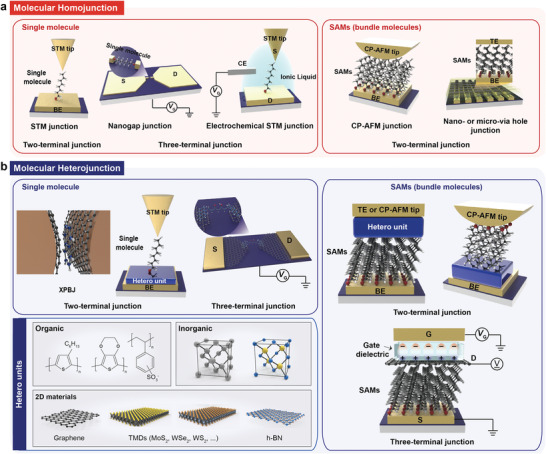
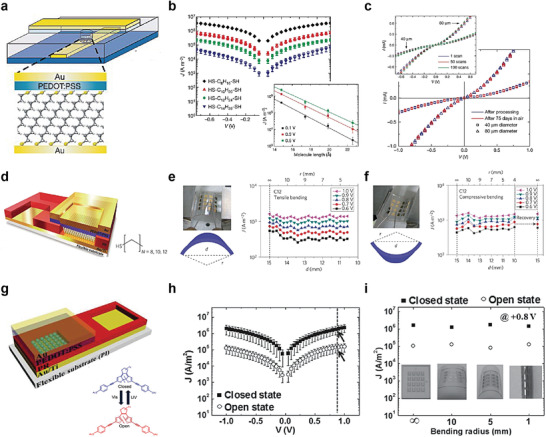
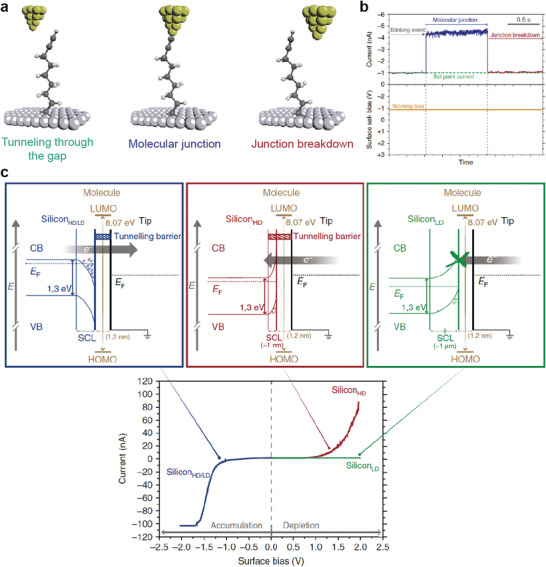
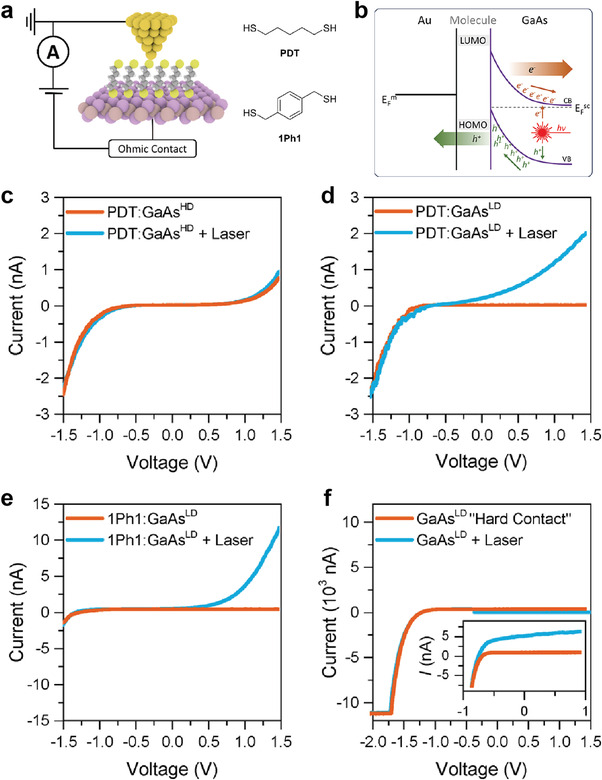
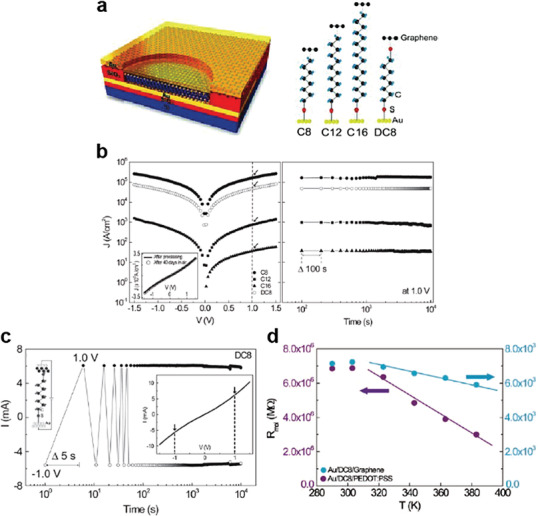
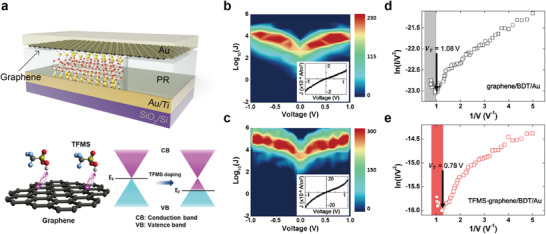
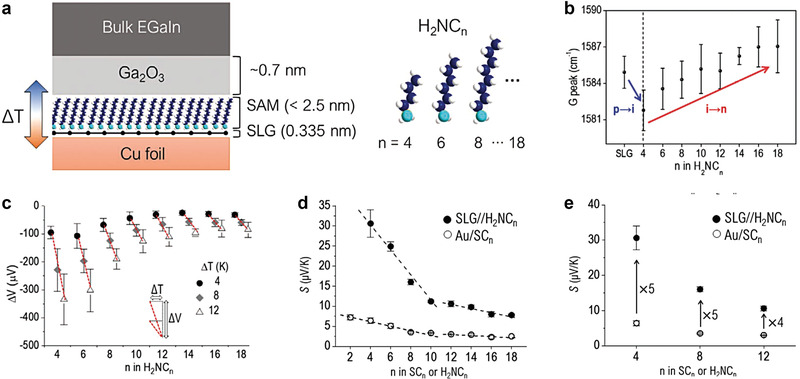
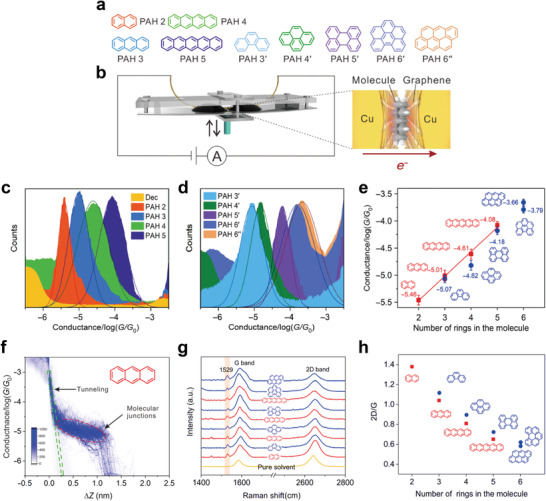
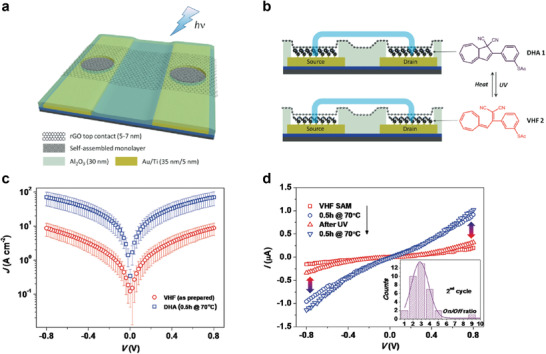
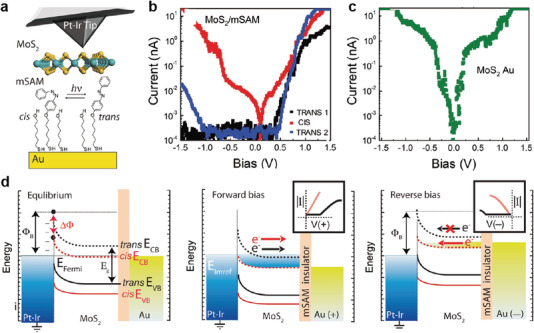
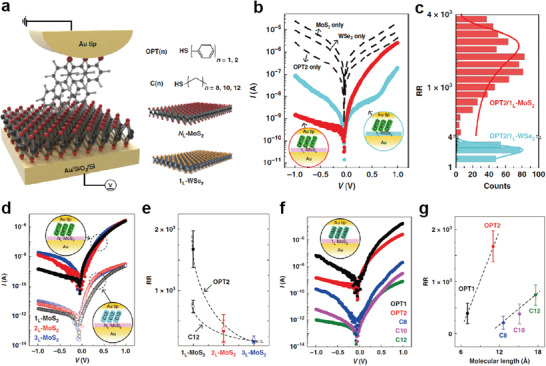
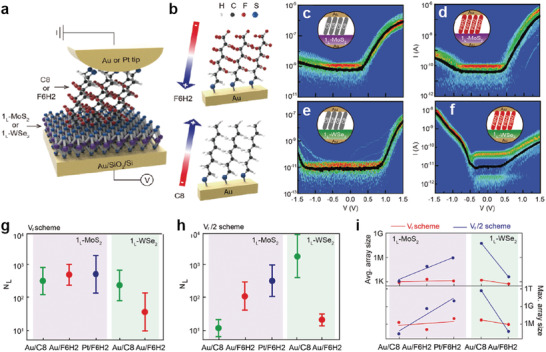
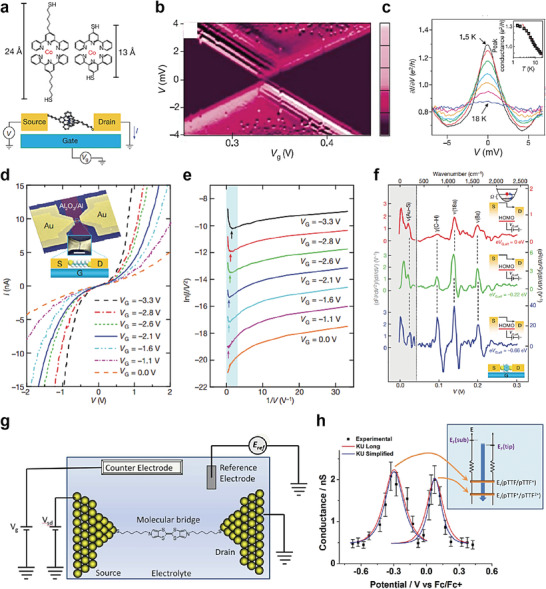
Molecular electronics that can produce functional electronic circuits using a single molecule or molecular ensemble remains an attractive research field because it not only represents an essential step toward realizing ultimate electronic device scaling but may also expand our understanding of the intrinsic quantum transports at the molecular level. Recently, in order to overcome the difficulties inherent in the conventional approach to studying molecular electronics and developing functional device applications, this field has attempted to diversify the electrical characteristics and device architectures using various types of heterogeneous structures in molecular junctions. This review summarizes recent efforts devoted to functional devices with molecular heterostructures. Diverse molecules and materials can be combined and incorporated in such two- and three-terminal heterojunction structures, to achieve desirable electronic functionalities. The heterojunction structures, charge transport mechanisms, and possible strategies for implementing electronic functions using various hetero unit materials are presented sequentially. In addition, the applicability and merits of molecular heterojunction structures, as well as the anticipated challenges associated with their implementation in device applications are discussed and summarized. This review will contribute to a deeper understanding of charge transport through molecular heterojunction, and it may pave the way toward desirable electronic functionalities in molecular electronics applications.
使用单个分子或分子聚集体来产生功能电子电路的分子电子学仍然是一个有吸引力的研究领域,因为它不仅代表着实现最终电子器件缩放到关键步骤,而且还可能扩展我们对分子水平固有量子输运的理解。最近,为了克服传统分子电子学研究方法和功能性器件应用开发中固有的困难,该领域试图通过在分子结中使用各种类型的异质结构来多样化电特性和器件结构。本综述总结了在具有分子异质结构的功能器件方面的最新进展。不同的分子和材料可以组合并纳入这种二端和三端异质结结构中,以实现理想的电子功能。依次介绍了异质结结构、电荷输运机制以及使用各种异质单元材料实现电子功能的可能策略。此外,还讨论和总结了分子异质结结构的适用性和优点,以及在器件应用中实现它们所面临的预期挑战。本综述将有助于深入了解通过分子异质结的电荷输运,并为分子电子学应用中的理想电子功能铺平道路。