Department of Preventive Medicine, School of Public Health, Fujian Medical University, Fuzhou 350122, China.
Department of Pharmaceutical Analysis, School of Pharmacy, Fujian Medical University, Fuzhou 350122, China.
Oxid Med Cell Longev. 2022 Aug 8;2022:8619275. doi: 10.1155/2022/8619275. eCollection 2022.
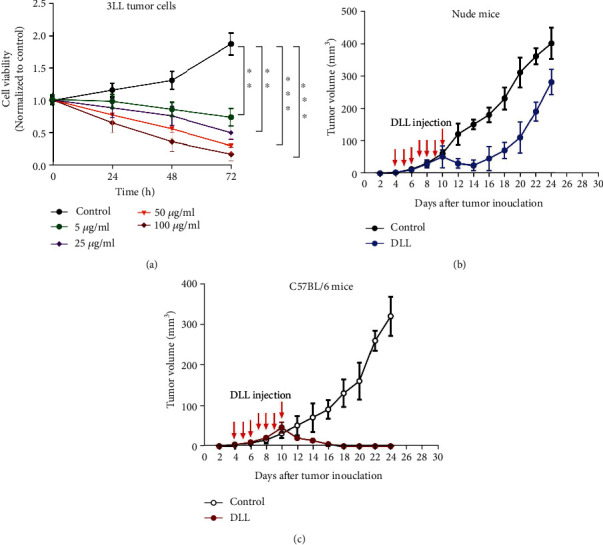
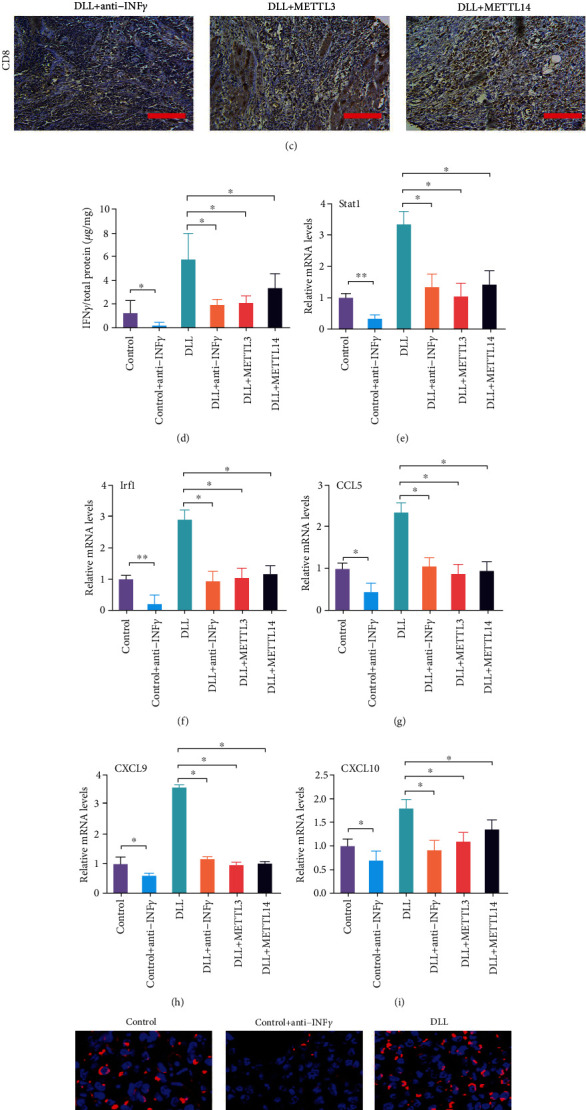
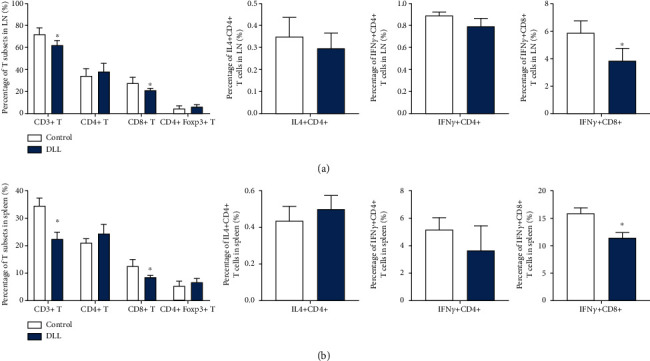
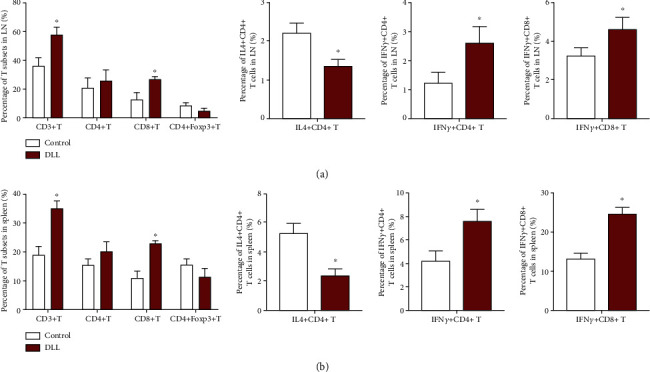
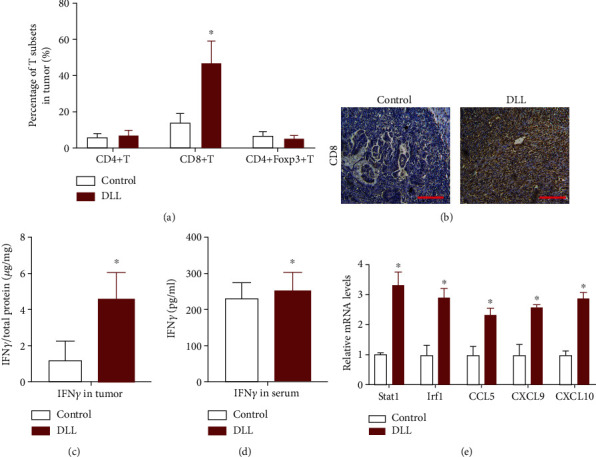
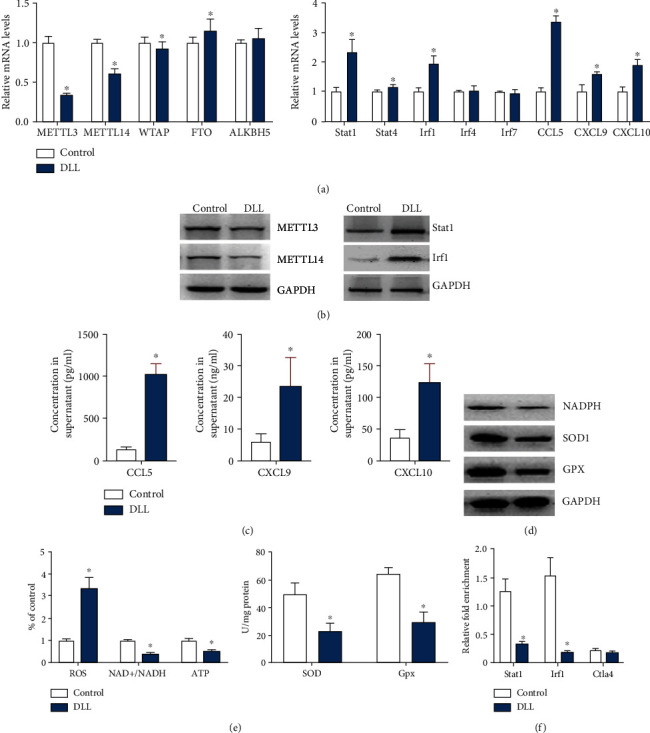
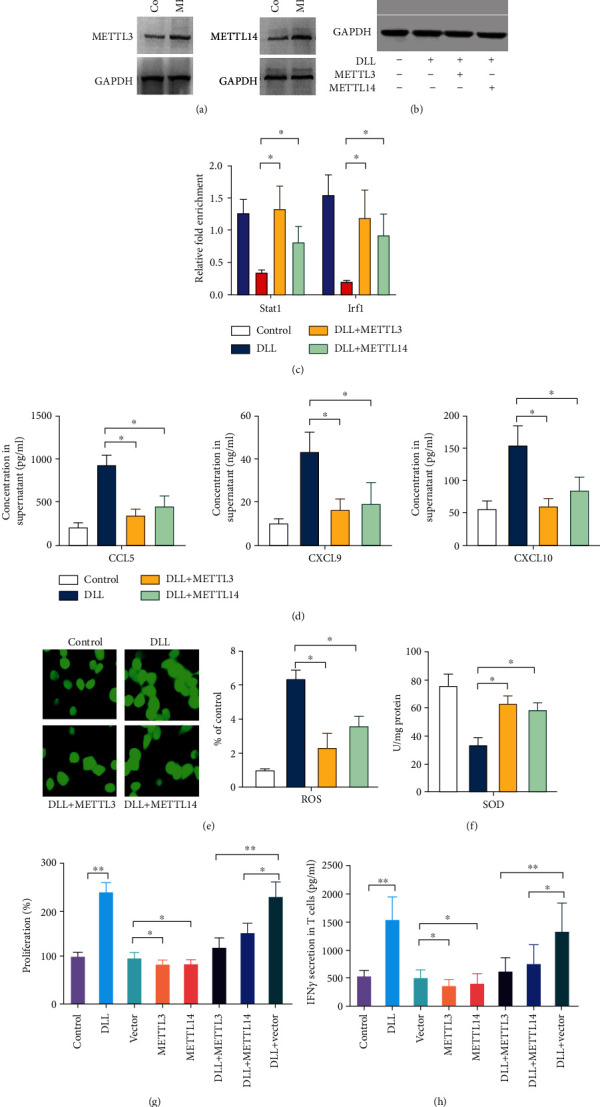
Our previous studies have shown that delicaflavone (DLL), a biocomponent extracted from Hieron, has antitumor activity. However, the role of DLL in the antitumor immune response is unknown. In this study, we tested the potential roles of DLL in antitumor immune response. An animal tumor model with Lewis lung cancer cell line (3LL) in C57BL/6 mice was established to determine whether DLL induced the tumor-bearing host's antitumor immune response. m6A-MeRIP-qPCR, western blot, and flow cytometry were performed to explore the underlying mechanisms. DLL inhibited the proliferation of 3LL lung cancer cells and and induced tumor cell oxidative stress. DLL significantly inhibited tumor growth in immunocompetent mice compared with nude mice. DLL treatment significantly increased Th1 cytokine production and CD8+ T cell infiltration into tumor tissues in tumor-bearing mice. DLL-mediated antitumor immune effects were reversed by overexpression of the N6-methyladenosine (m6A) transferase Mettl3/Mettl14. Mechanistically, DLL upregulated the expression of Stat1 and Irf1 and the secretion of cytokines by inhibiting Mettl3 and Mettl14 in lung cancer cells. In conclusion, DLL inhibited lung cancer cell growth by suppressing Mettl3/Mettl14 to activate antitumor immunity. These findings provided an opportunity to enhance lung cancer immunotherapy.
我们之前的研究表明,从延龄草中提取的生物成分-delicaflavone(DLL)具有抗肿瘤活性。然而,DLL 在抗肿瘤免疫反应中的作用尚不清楚。在这项研究中,我们测试了 DLL 在抗肿瘤免疫反应中的潜在作用。我们建立了带有 Lewis 肺癌细胞系(3LL)的 C57BL/6 小鼠动物肿瘤模型,以确定 DLL 是否诱导荷瘤宿主的抗肿瘤免疫反应。采用 m6A-MeRIP-qPCR、western blot 和流式细胞术来探讨潜在的机制。DLL 抑制 3LL 肺癌细胞的增殖,并诱导肿瘤细胞氧化应激。与裸鼠相比,DLL 治疗在免疫功能正常的小鼠中显著抑制肿瘤生长。DLL 处理显著增加荷瘤小鼠 Th1 细胞因子的产生和 CD8+T 细胞浸润到肿瘤组织中。过表达 N6-甲基腺苷(m6A)转移酶 Mettl3/Mettl14 逆转了 DLL 介导的抗肿瘤免疫效应。从机制上讲,DLL 通过抑制 Mettl3/Mettl14 来上调 Stat1 和 Irf1 的表达以及细胞因子的分泌,从而抑制肺癌细胞的生长。总之,DLL 通过抑制 Mettl3/Mettl14 来抑制肺癌细胞的生长,从而激活抗肿瘤免疫。这些发现为增强肺癌免疫治疗提供了机会。