University of Pittsburgh Medical Center, Children's Hospital of Pittsburgh, PA, United States.
Department of Pediatrics, University of Pittsburgh, PA, United States.
Front Endocrinol (Lausanne). 2022 Aug 5;13:937093. doi: 10.3389/fendo.2022.937093. eCollection 2022.
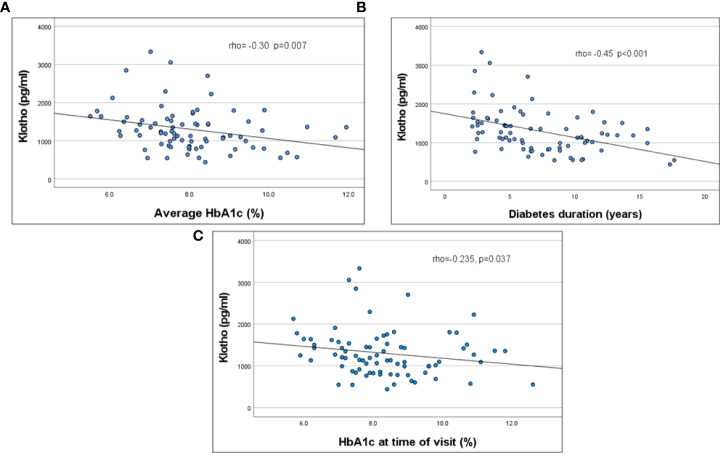
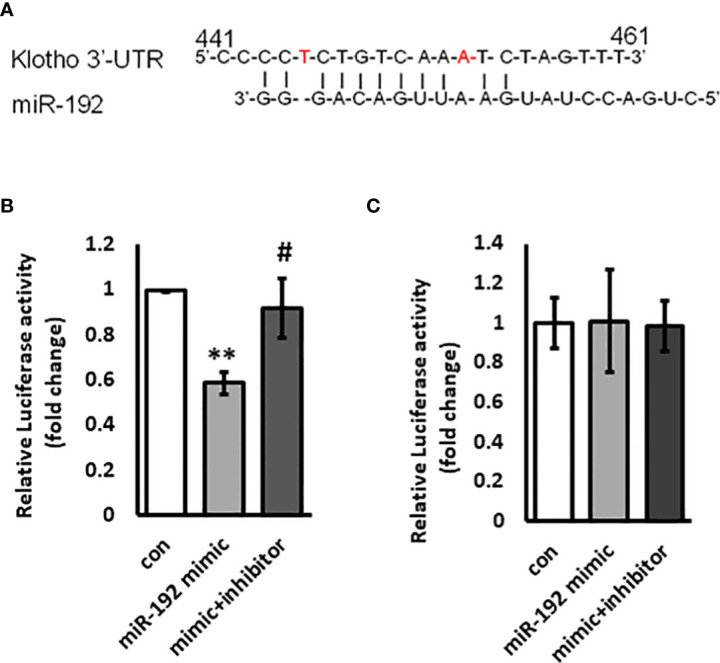
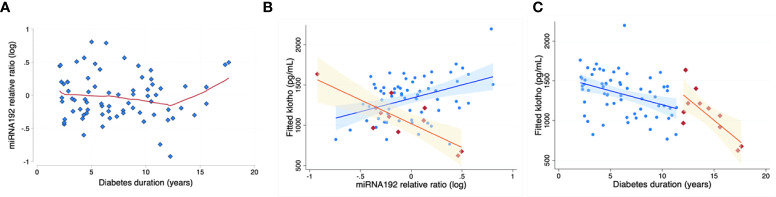
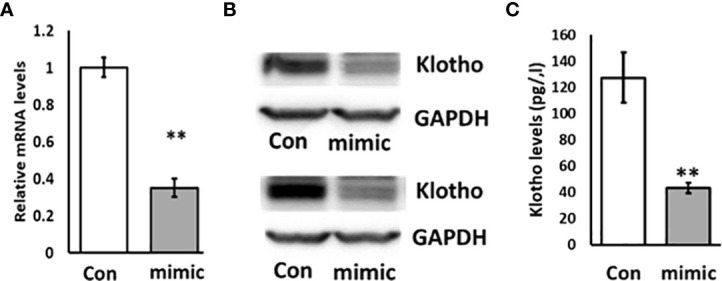
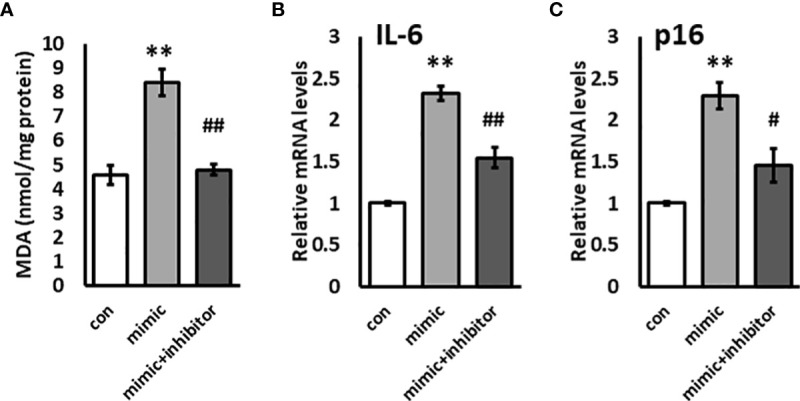
Despite the wealth of information on biomarkers of diabetes complications in adults with type 1 diabetes, data in the pediatric population is limited. Diabetic nephropathy (DN), the leading cause of mortality in type 1 diabetes T1D), could be potentially missed in youth, as albuminuria, the current "gold" standard, may be transient and may not reflect permanent renal impairment. Soluble alpha KL has emerged as a potential marker of early diabetic nephropathy. Seventy-nine pediatric patients with type 1 diabetes meeting ISPAD criteria for nephropathy screening were consecutively recruited (90% Caucasian, 51% male, mean age 16.1 ± 3.1 years, duration of T1D 7.2 ± 3.9 years, 2-year average HbA1c 8.0 ± 1.3%, and serum and urine samples were collected for analysis. Serum Klotho (KL) and circulating miRNA levels of select miRNA involved in the pathogenesis of DN were estimated. KL had a strong inverse correlation with diabetes duration and HbA1c, two important risk factors in the development of diabetes complications. Serum miR-192 were negatively associated with KL among children with prolonged duration of diabetes (≥12 years) after adjustment for age and sex. In cell culture, overexpression of miR-192 significantly downregulated KL mRNA and protein levels, and reduced KL levels in the media. miR-192 mimic reduced luciferase activity in a reporter containing the KL 3' UTR (60% compared to controls, p<0.01), and the inhibitor rescued it. Deletion of a potential binding site for miR-192 in the KL 3'UTR completely abolished the effect of miR-192 in the reporter assay, suggesting that KL is a direct target gene of miR-192. Overexpression of miR-192 significantly increased oxidative stress (MDA) and expression of inflammatory and senescence markers IL-6 and p16. Inhibition of miR-192 significantly reduced levels of MDA, IL-6 and p16. In summary, we demonstrate an increase in miR-192 and a decrease in KL levels in children with prolonged duration of T1D. We demonstrate a novel role for miR-192 in directly regulating KL levels, and through that, senescence and oxidative stress, key pathological processes in the development of DN. miR-192 and/or KL levels are altered with severity and duration of diabetes and could serve as early biomarkers for DN.
尽管有大量关于 1 型糖尿病患者糖尿病并发症生物标志物的信息,但儿科人群的数据有限。糖尿病肾病 (DN) 是 1 型糖尿病 (T1D) 的主要死亡原因,在年轻人中可能会被遗漏,因为白蛋白尿是目前的“金标准”,可能是短暂的,并且可能无法反映永久性的肾脏损害。可溶性 α KL 已成为早期糖尿病肾病的潜在标志物。连续招募了 79 名符合 ISPAD 肾病筛查标准的儿科 1 型糖尿病患者(90%为白种人,51%为男性,平均年龄 16.1±3.1 岁,T1D 病程 7.2±3.9 年,2 年平均 HbA1c 8.0±1.3%,采集血清和尿液样本进行分析。估计了血清 Klotho(KL)和参与 DN 发病机制的选定 miRNA 的循环 miRNA 水平。KL 与糖尿病病程和 HbA1c 呈强烈负相关,这是糖尿病并发症发展的两个重要危险因素。在调整年龄和性别后,血清 miR-192 与病程较长(≥12 年)的儿童的 KL 呈负相关。在细胞培养中,miR-192 的过表达显著下调 KL mRNA 和蛋白水平,并降低培养基中的 KL 水平。miR-192 模拟物使包含 KL 3'UTR 的报告基因的荧光素酶活性降低 60%(与对照组相比,p<0.01),而抑制剂则使其恢复正常。KL 3'UTR 中 miR-192 潜在结合位点的缺失完全消除了 miR-192 在报告基因检测中的作用,表明 KL 是 miR-192 的直接靶基因。miR-192 的过表达显著增加了氧化应激(MDA)和炎症和衰老标志物 IL-6 和 p16 的表达。miR-192 抑制剂的抑制显著降低了 MDA、IL-6 和 p16 的水平。总之,我们在病程较长的 T1D 儿童中发现 miR-192 增加和 KL 水平降低。我们证明了 miR-192 在直接调节 KL 水平方面的新作用,并且通过这种作用,调节衰老和氧化应激,这是 DN 发展的关键病理过程。miR-192 和/或 KL 水平随着糖尿病的严重程度和病程而改变,可作为 DN 的早期生物标志物。