Xu Zhiyuan, Chen Qiuli, Shu Lilu, Zhang Chunye, Liu Wenjun, Wang Peter
Department of Gastric Surgery, the Cancer Hospital of the University of Chinese Academy of Sciences (Zhejiang Cancer Hospital), Institutes of Basic Medicine and Cancer (IBMC), Chinese Academy of Sciences, Hangzhou, China.
Key Laboratory of Prevention, Diagnosis and Therapy of Upper Gastrointestinal Cancer of Zhejiang Province, Hangzhou, China.
Front Oncol. 2022 Aug 8;12:970367. doi: 10.3389/fonc.2022.970367. eCollection 2022.
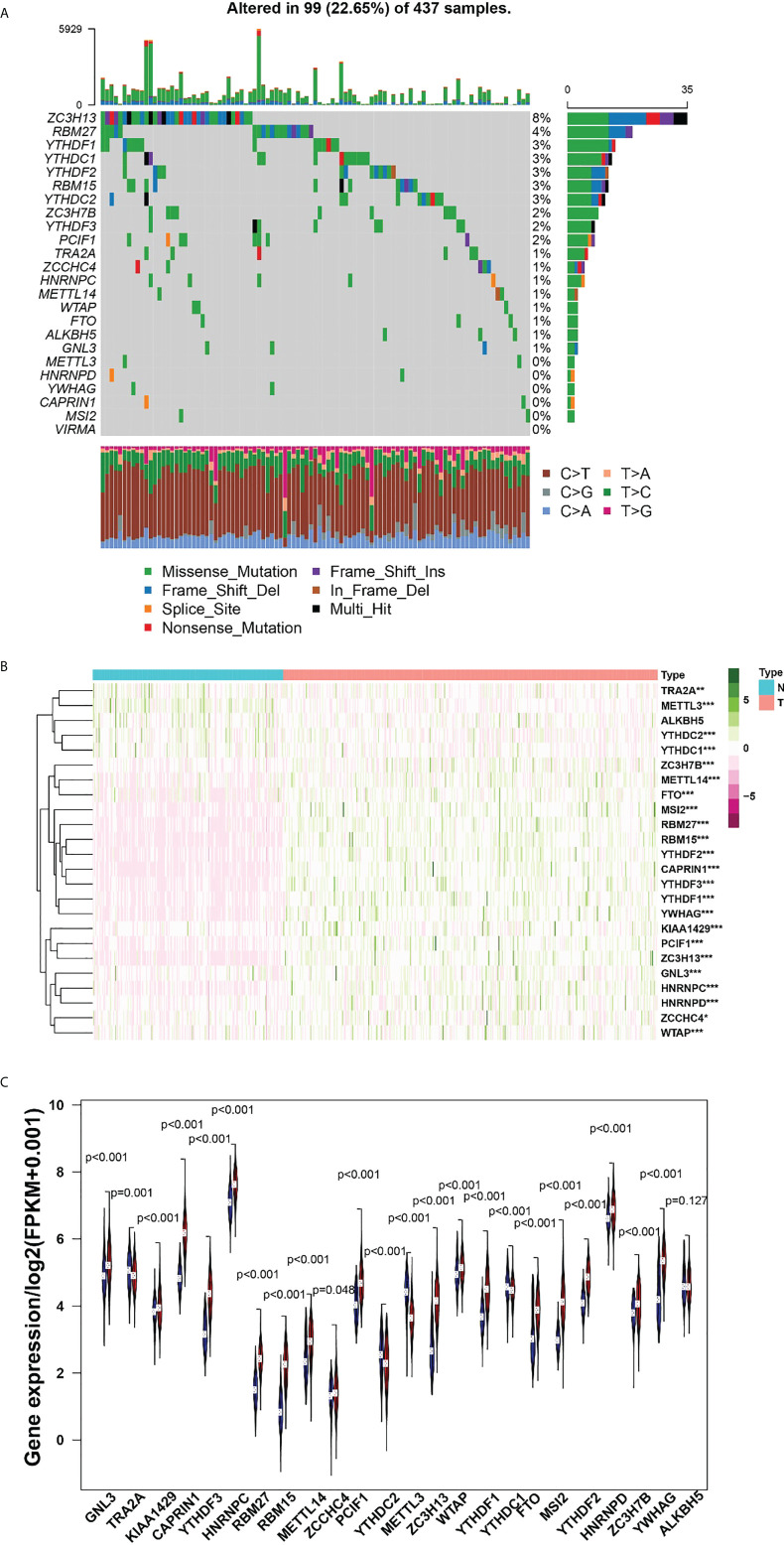
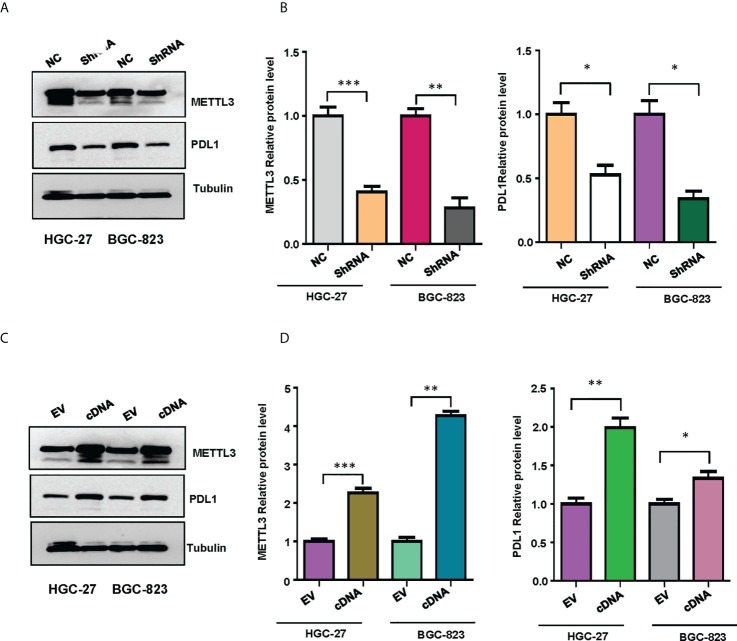
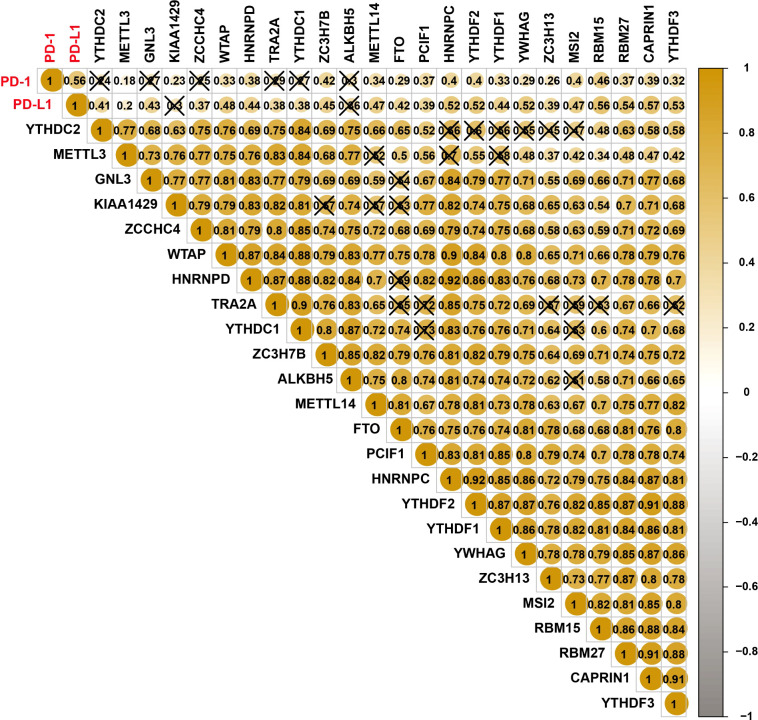
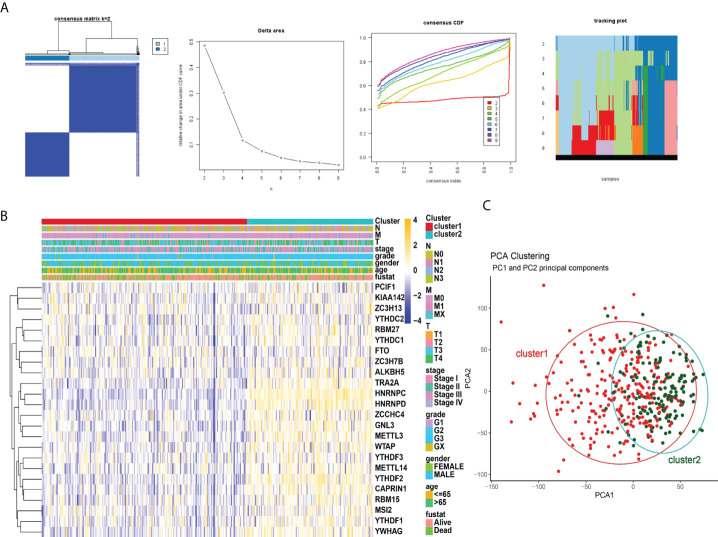
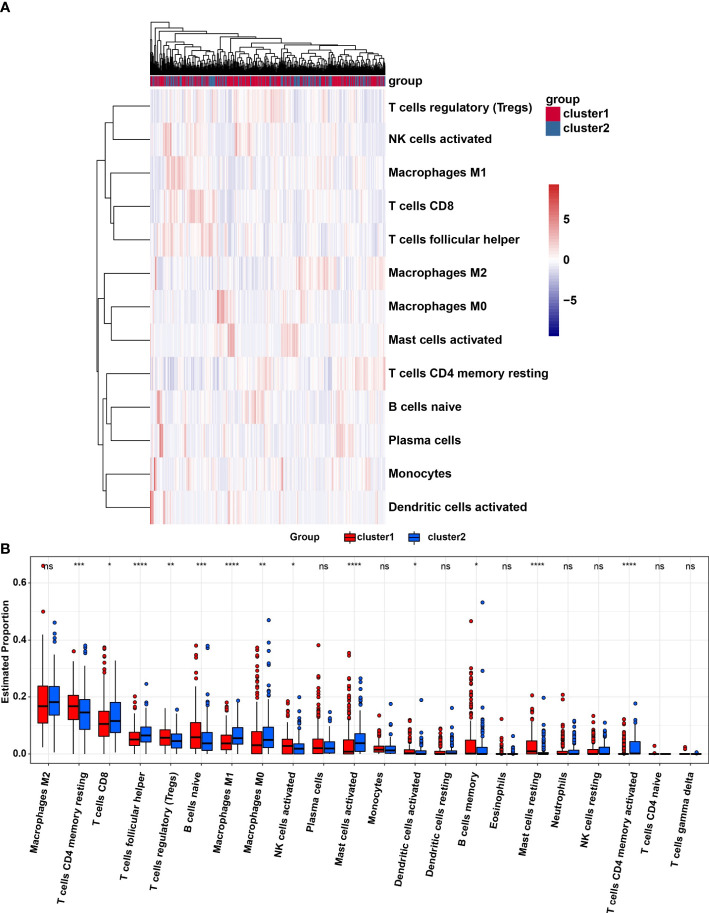
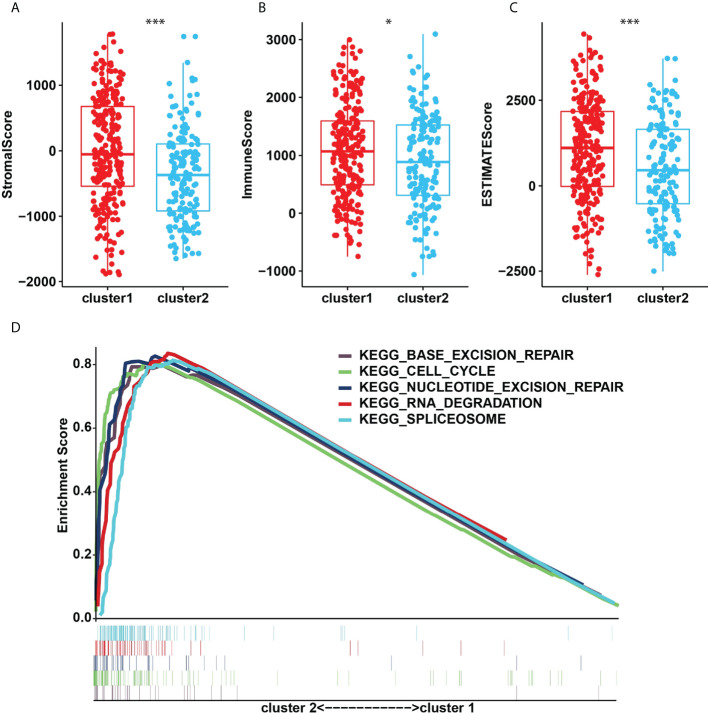
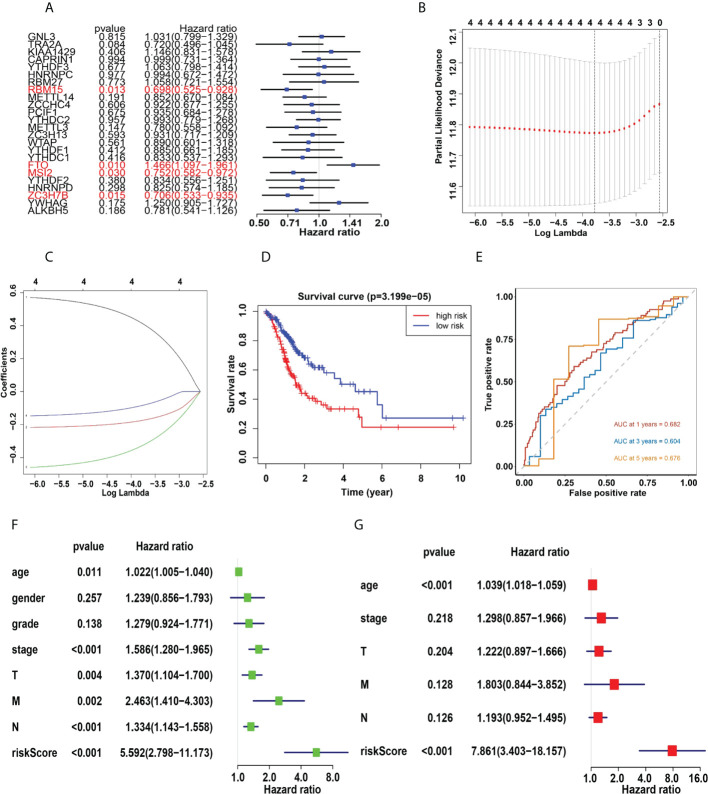
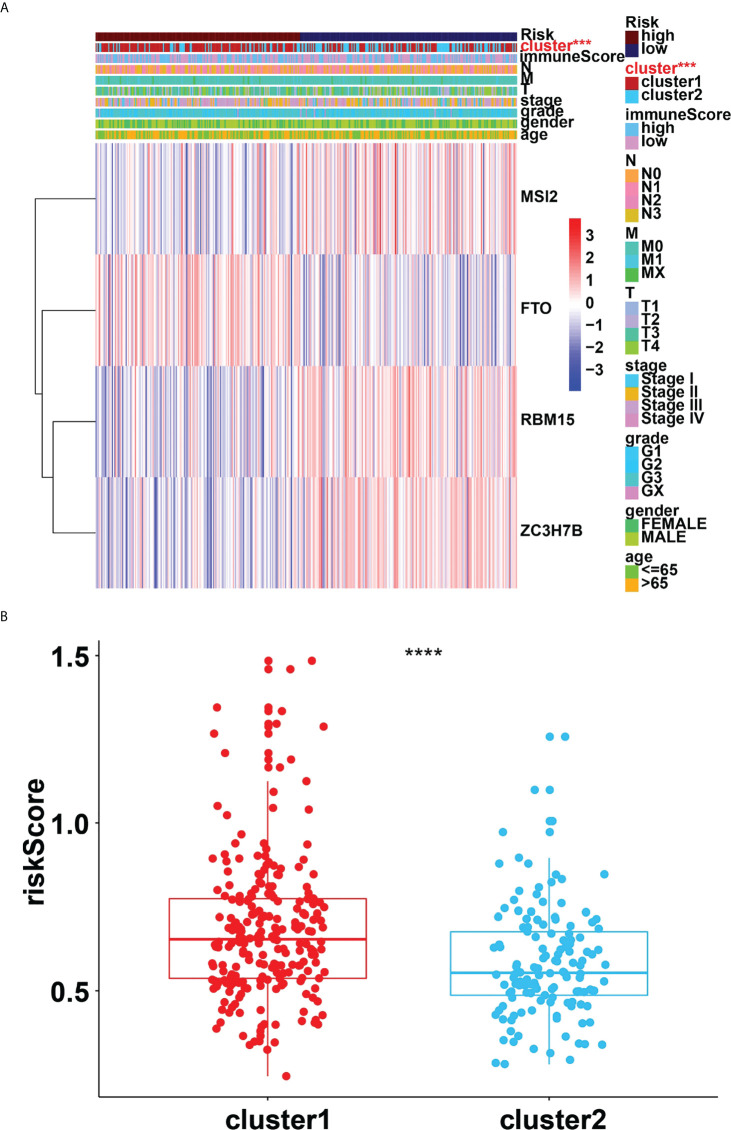
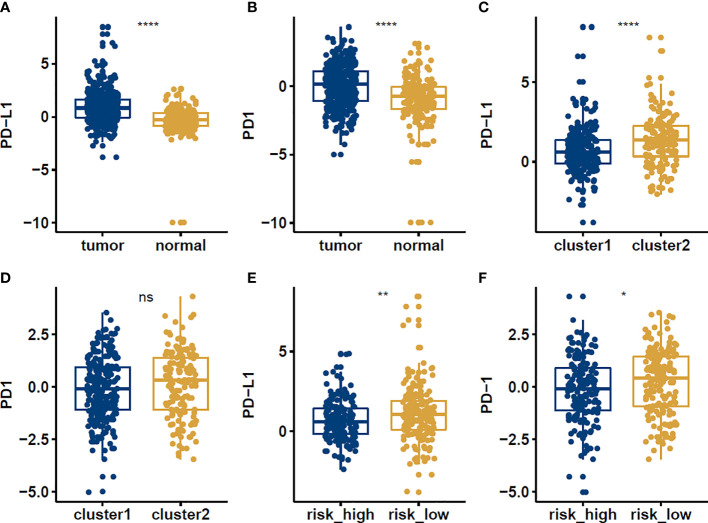
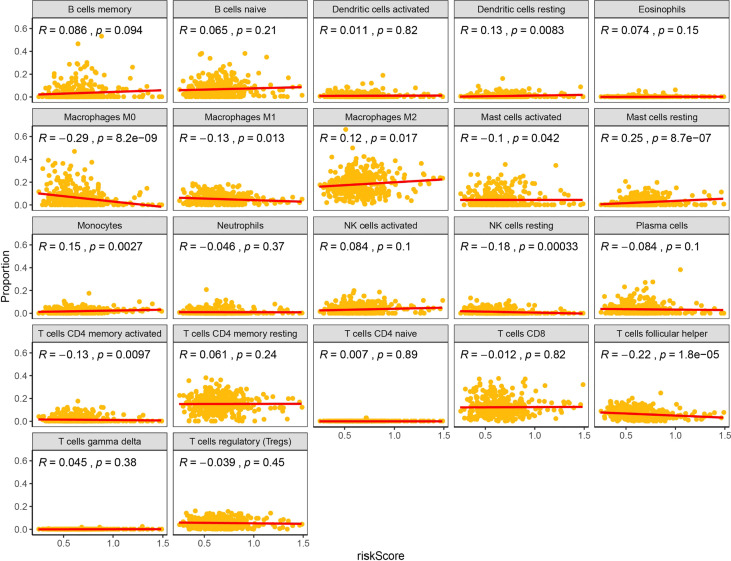
Gastric cancer is the fourth most frequent cancer and has a high death rate. Immunotherapy represented by PD-1 has brought hope for the treatment of advanced gastric cancer. Methylation of the m6A genes is linked to the onset and progression of numerous cancers, but there are few studies on gastric cancer. The main purpose of this study aims to analyze the relationship between m6A RNA methylation regulators, PD-L1, prognosis and tumor immune microenvironment (TIME) in gastric cancer. The Cancer Genome Atlas (TCGA) and Genotype Tissue Expression (GTEx) databases were used to acquire transcriptomic data and clinical information from gastric cancer patients. The changes in m6A regulator expression levels in gastric cancer tissues and normal tissues were studied. Consensus clustering analysis was used to separate gastric cancer samples into two categories. We employed Least Absolute Shrinkage, Selection Operator (LASSO) Cox regression analysis, Gene Set Enrichment Analysis (GSEA), and cBioPortal to analyze the m6A regulators, PD-L1 and TIME in gastric cancer. In gastric cancer tissues, the majority of m6A regulatory factors are considerably overexpressed. Two gastric cancer subgroups (Cluster1/2) based on consensus clustering of 21 m6A regulators. PD-L1 and PD-1 expression levels were significantly higher in gastric cancer tissues, and they were significantly linked with METTL3, WTAP, HNRNPD, ZC3H7B, METTL14, FTO, PCIF1, HNRNPC, YTHDF1 and YTDHF2. Cluster1 showed a large increase in resting memory CD4 T cells, regulatory T cells, naïve B cells, active NK cells, and resting Mast cells. Cluster1 and Cluster2 were shown to be involved in numerous critical signaling pathways, including base excision repair, cell cycle, nucleotide excision repair, RNA degradation, and spliceosome pathways. Gastric cancer RiskScores based on prognostic factors have been found as independent prognostic indicators. The amount of tumor-infiltrating immune cells is dynamically affected by changes in the copy number of m6A methylation regulators associated with TIME.
胃癌是第四大常见癌症,死亡率很高。以PD - 1为代表的免疫疗法为晚期胃癌的治疗带来了希望。m6A基因的甲基化与多种癌症的发生和进展有关,但关于胃癌的研究较少。本研究的主要目的是分析m6A RNA甲基化调节因子、PD - L1、预后与胃癌肿瘤免疫微环境(TIME)之间的关系。利用癌症基因组图谱(TCGA)和基因型组织表达(GTEx)数据库获取胃癌患者的转录组数据和临床信息。研究了胃癌组织和正常组织中m6A调节因子表达水平的变化。采用一致性聚类分析将胃癌样本分为两类。我们使用最小绝对收缩和选择算子(LASSO)Cox回归分析、基因集富集分析(GSEA)和cBioPortal来分析胃癌中的m6A调节因子、PD - L1和TIME。在胃癌组织中,大多数m6A调节因子显著过表达。基于21个m6A调节因子的一致性聚类将胃癌分为两个亚组(Cluster1/2)。胃癌组织中PD - L1和PD - 1表达水平显著更高,且它们与METTL3、WTAP、HNRNPD、ZC3H7B、METTL14、FTO、PCIF1、HNRNPC、YTHDF1和YTDHF2显著相关。Cluster1显示静息记忆CD4 T细胞、调节性T细胞、幼稚B细胞、活性NK细胞和静息肥大细胞大幅增加。Cluster1和Cluster2参与了许多关键信号通路,包括碱基切除修复、细胞周期、核苷酸切除修复、RNA降解和剪接体通路。基于预后因素的胃癌风险评分已被发现为独立的预后指标。与TIME相关的m6A甲基化调节因子拷贝数的变化动态影响肿瘤浸润免疫细胞的数量。