Fallon Ann M
Department of Entomology, University of Minnesota, 1980 Folwell Ave., St Paul, MN 55108, USA.
Insects. 2022 Aug 22;13(8):756. doi: 10.3390/insects13080756.
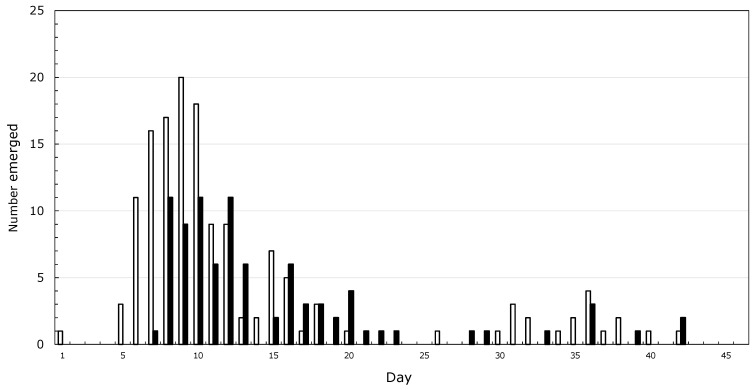
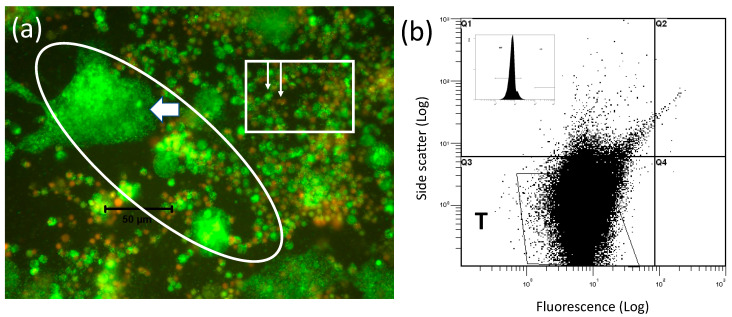
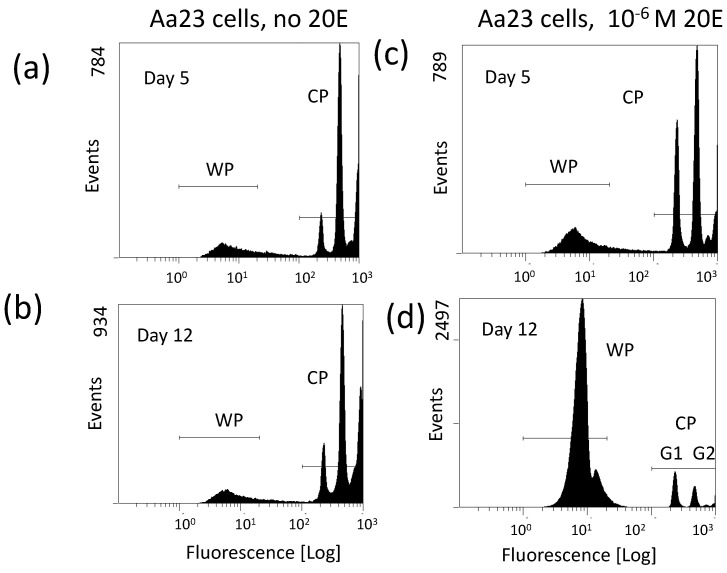
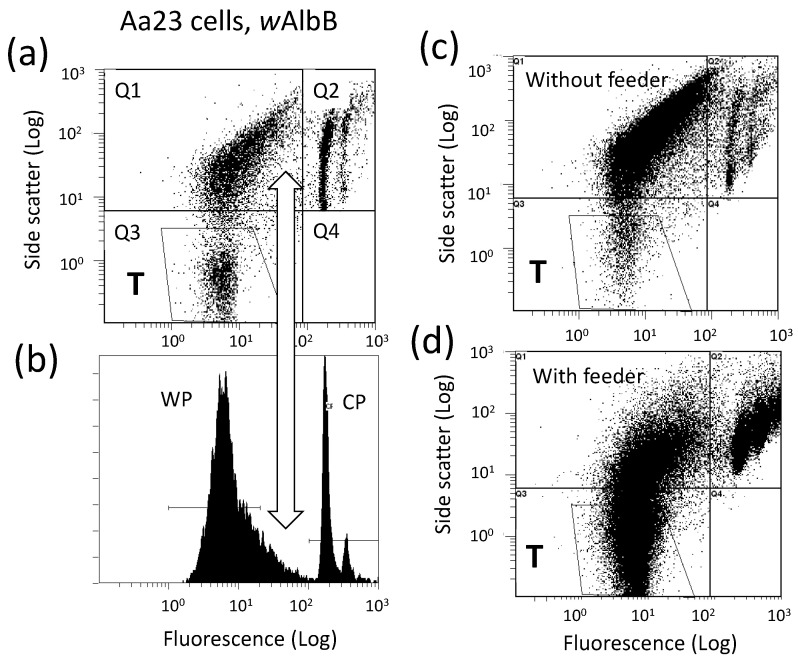
In anautogenous mosquitoes, synchronous development of terminal ovarian follicles after a blood meal provides an important model for studies on insect reproduction. Removal and implantation of ovaries, in vitro culture of dissected tissues and immunological assays for vitellogenin synthesis by the fat body showed that the (L.) (Diptera, Culicidae) mosquito ovary produces a factor essential for egg production. The discovery that the ovarian factor was the insect steroid hormone, ecdysone, provided a model for co-option of the larval hormones as reproductive hormones in adult insects. In later work on cultured mosquito cells, ecdysone was shown to arrest the cell cycle, resulting in an accumulation of diploid cells in G1, prior to initiation of DNA synthesis. Some mosquito species, such as L. (Diptera, Culicidae), harbor the obligate intracellular bacterium, Hertig (Rickettsiales, Anaplasmataceae), in their reproductive tissues. When maintained in mosquito cell lines, abundance increases in ecdysone-arrested cells. This observation facilitated the recovery of high levels of from cultured cells for microinjection and genetic manipulation. In female , it will be of interest to explore how hormonal cues that support initiation and progression of the vitellogenic cycle influence replication and transmission to subsequent generations via infected eggs.
在自体繁殖的蚊子中,吸食血液后卵巢终末卵泡的同步发育为昆虫繁殖研究提供了一个重要模型。卵巢的切除与移植、解剖组织的体外培养以及对脂肪体合成卵黄蛋白原的免疫测定表明,蚊属蚊子的卵巢产生了卵子生成所必需的一种因子。卵巢因子是昆虫类固醇激素蜕皮激素这一发现,为幼虫激素在成年昆虫中作为生殖激素的转借提供了一个模型。在后来对培养的蚊子细胞的研究中,蜕皮激素被证明会使细胞周期停滞,导致在DNA合成开始之前,二倍体细胞在G1期积累。一些蚊子物种,如蚊属,在其生殖组织中携带有专性细胞内细菌沃巴赫氏体。当在蚊子细胞系中培养时,[沃巴赫氏体]在蜕皮激素停滞的细胞中的丰度会增加。这一观察结果有助于从培养细胞中回收高水平的[沃巴赫氏体]用于显微注射和基因操作。在雌性[蚊子]中,探究支持卵黄发生周期启动和进展的激素信号如何影响[沃巴赫氏体]的复制以及通过受感染的卵子传递给后代将是很有意义的。