Troha Kaja, Božanić Urbančič Nina, Korva Miša, Avšič-Županc Tatjana, Battelino Saba, Vozel Domen
Department of Otorhinolaryngology and Cervicofacial Surgery, University Medical Centre Ljubljana, 1000 Ljubljana, Slovenia.
Faculty of Medicine, University of Ljubljana, 1000 Ljubljana, Slovenia.
Trop Med Infect Dis. 2022 Aug 16;7(8):189. doi: 10.3390/tropicalmed7080189.
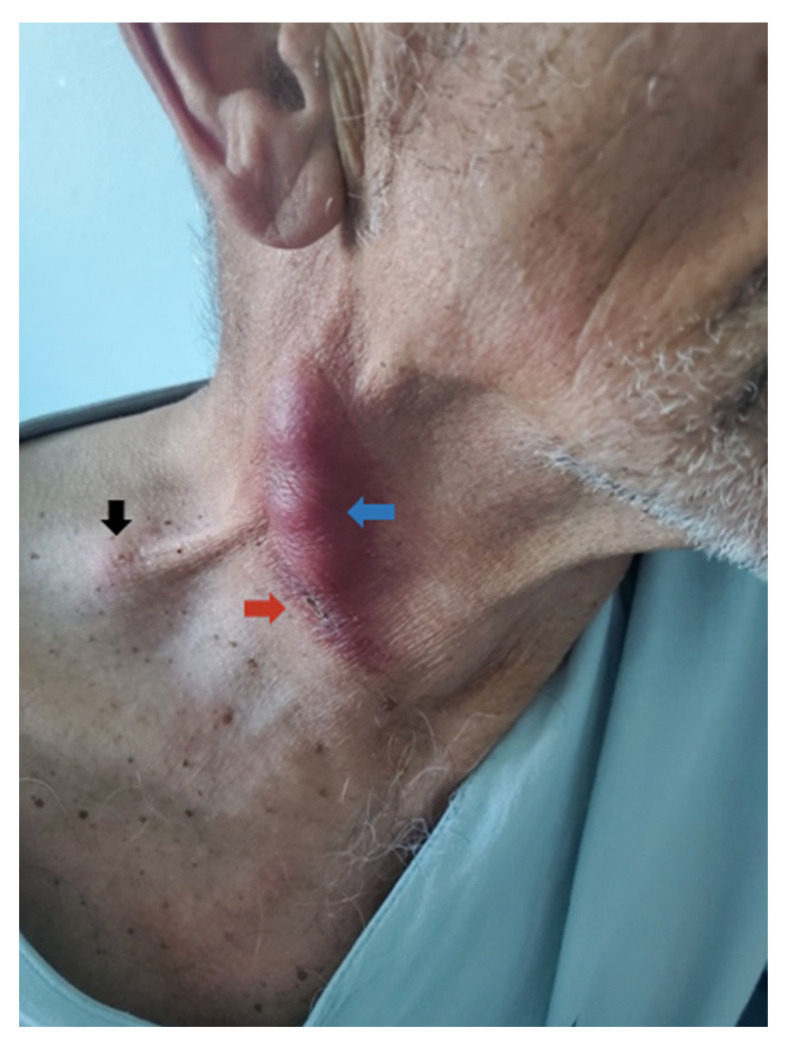
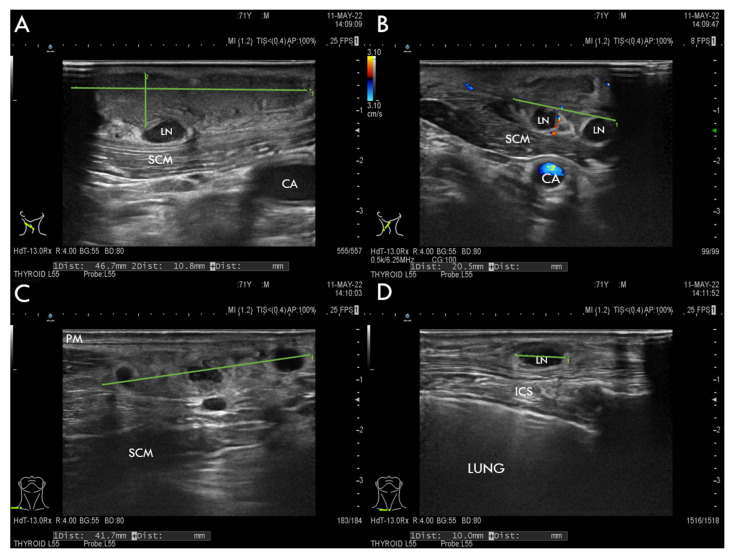
Tularemia is a zoonosis caused by the highly invasive bacterium . It is transmitted to humans by direct contact with infected animals or by vectors, such as ticks, mosquitos, and flies. Even though it is well-known as a tick-borne disease, it is usually not immediately recognised after a tick bite. In Slovenia, tularemia is rare, with 1-3 cases reported annually; however, the incidence seems to be increasing. Ulceroglandular tularemia is one of its most common forms, with cervical colliquative lymphadenopathy as a frequent manifestation. The diagnosis of tularemia largely relies on epidemiological information, clinical examination, imaging, and molecular studies. Physicians should consider this disease a differential diagnosis for a neck mass, especially after a tick bite, as its management significantly differs from that of other causes. Tularemia-associated lymphadenitis is treated with antibiotics and surgical drainage of the colliquated lymph nodes. Additionally, tularemia should be noted for its potential use in bioterrorism on behalf of the causative agents' low infectious dose, possible aerosol formation, no effective vaccine at disposal, and the ability to produce severe disease. This article reviews the recent literature on tularemia and presents a case of an adult male with tick-borne cervical ulceroglandular tularemia.
兔热病是一种由极具侵袭性的细菌引起的人畜共患病。它通过直接接触受感染动物或通过蜱、蚊子和苍蝇等媒介传播给人类。尽管它作为一种蜱传疾病广为人知,但蜱叮咬后通常不会立即被识别出来。在斯洛文尼亚,兔热病很罕见,每年报告1至3例;然而,发病率似乎在上升。溃疡腺型兔热病是其最常见的形式之一,宫颈液化性淋巴结病是常见表现。兔热病的诊断很大程度上依赖于流行病学信息、临床检查、影像学检查和分子研究。医生应将这种疾病视为颈部肿块的鉴别诊断,尤其是在蜱叮咬后,因为其治疗方法与其他病因有很大不同。兔热病相关的淋巴结炎用抗生素治疗,并对液化的淋巴结进行手术引流。此外,由于致病因子感染剂量低、可能形成气溶胶、没有可用的有效疫苗以及能够引发严重疾病,兔热病应因其在生物恐怖主义中的潜在用途而受到关注。本文综述了关于兔热病的最新文献,并介绍了一例成年男性蜱传宫颈溃疡腺型兔热病病例。