Tsermpini Evangelia Eirini, Glamočlija Una, Ulucan-Karnak Fulden, Redenšek Trampuž Sara, Dolžan Vita
Pharmacogenetics Laboratory, Institute of Biochemistry and Molecular Genetics, Faculty of Medicine, University of Ljubljana, 1000 Ljubljana, Slovenia.
Faculty of Pharmacy, University of Sarajevo, 71000 Sarajevo, Bosnia and Herzegovina.
Antioxidants (Basel). 2022 Aug 19;11(8):1609. doi: 10.3390/antiox11081609.
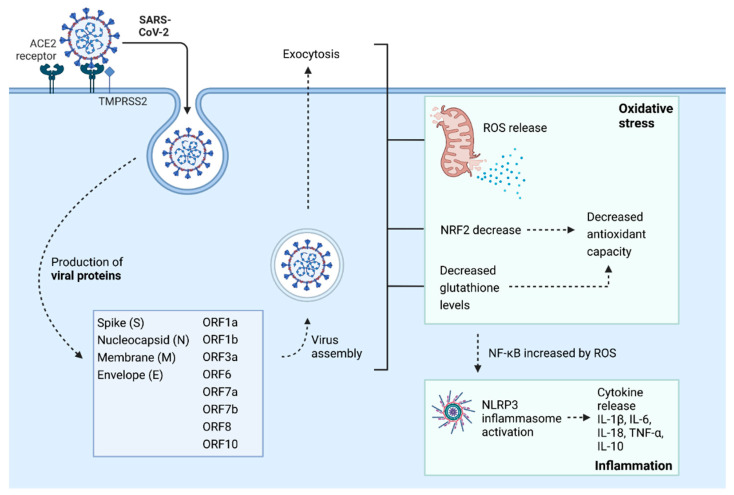
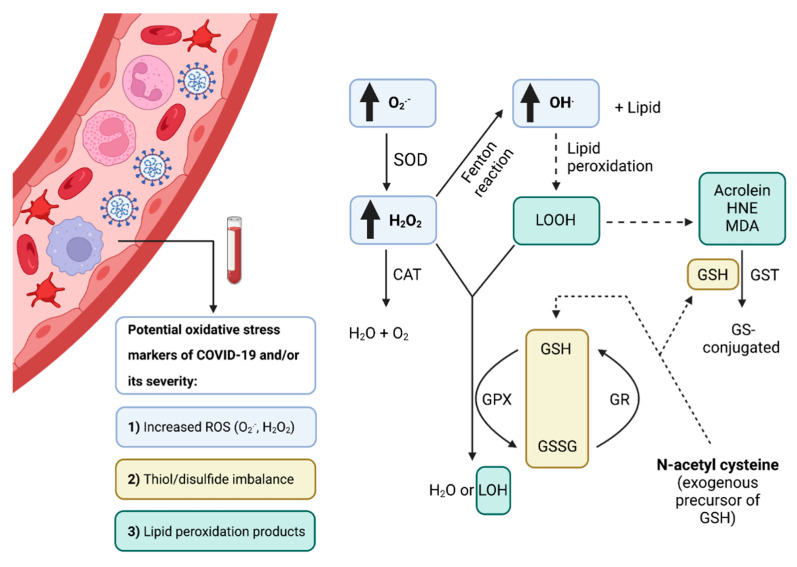
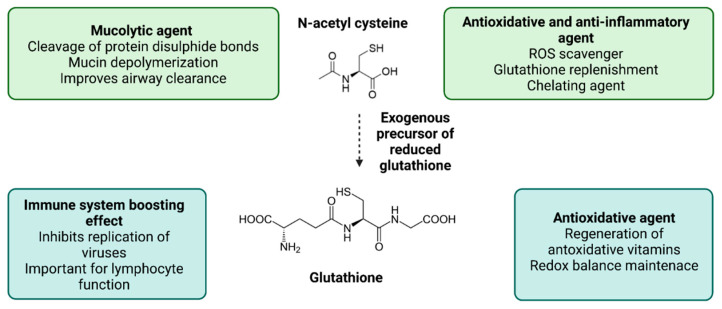
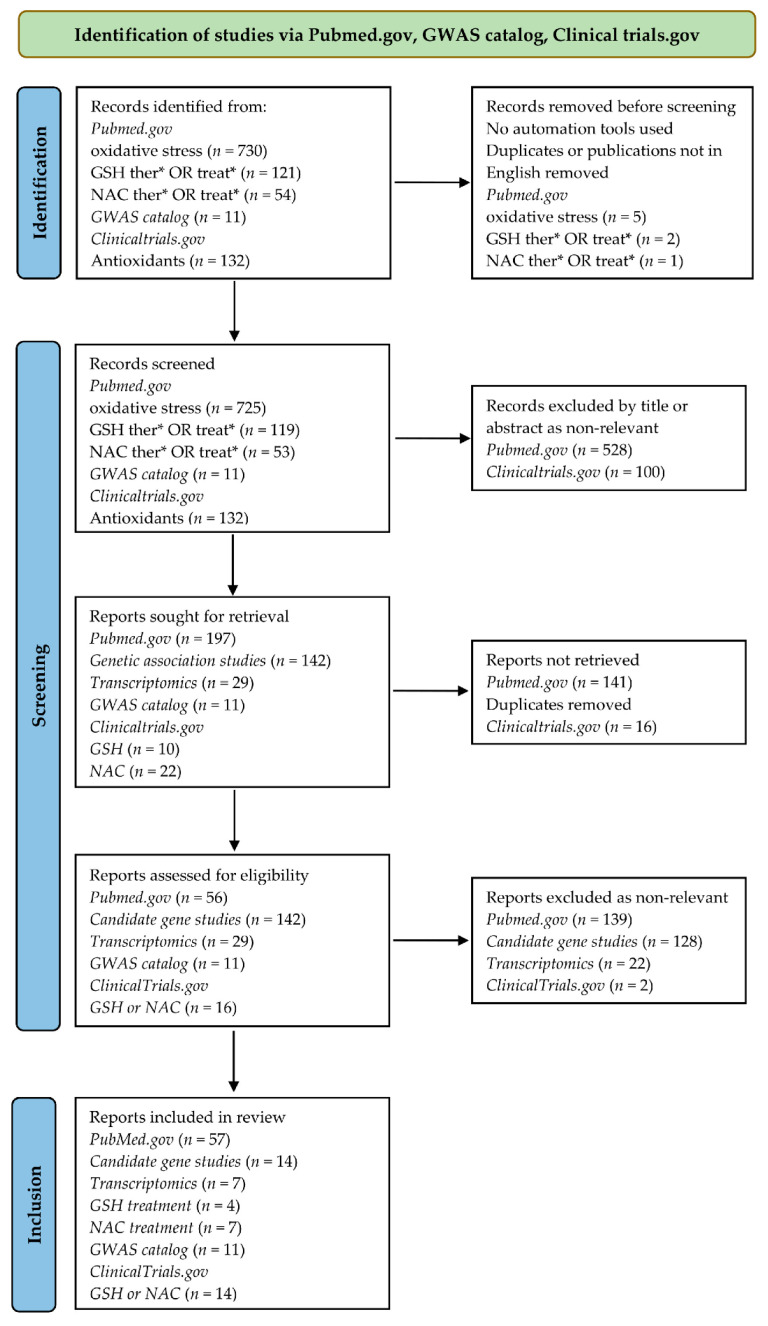
The coronavirus disease (COVID-19) pandemic is a leading global health and economic challenge. What defines the disease's progression is not entirely understood, but there are strong indications that oxidative stress and the defense against reactive oxygen species are crucial players. A big influx of immune cells to the site of infection is marked by the increase in reactive oxygen and nitrogen species. Our article aims to highlight the critical role of oxidative stress in the emergence and severity of COVID-19 and, more importantly, to shed light on the underlying molecular and genetic mechanisms. We have reviewed the available literature and clinical trials to extract the relevant genetic variants within the oxidative stress pathway associated with COVID-19 and the anti-oxidative therapies currently evaluated in the clinical trials for COVID-19 treatment, in particular clinical trials on glutathione and N-acetylcysteine.
冠状病毒病(COVID-19)大流行是全球主要的健康和经济挑战。该疾病的进展情况尚未完全明了,但有充分迹象表明氧化应激以及对活性氧的防御起着关键作用。免疫细胞大量涌入感染部位的特征是活性氧和氮物种增加。我们的文章旨在强调氧化应激在COVID-19的发生和严重程度中的关键作用,更重要的是,阐明其潜在的分子和遗传机制。我们回顾了现有文献和临床试验,以提取与COVID-19相关的氧化应激途径中的相关基因变异,以及目前在COVID-19治疗临床试验中评估的抗氧化疗法,特别是关于谷胱甘肽和N-乙酰半胱氨酸的临床试验。