Li Xiude, Teng Wendi, Liu Guangmin, Guo Fengyu, Xing Hanzhu, Zhu Yahui, Li Jinwang
School of Food and Health, Beijing Technology and Business University, Beijing 100048, China.
Key Laboratory of Functional Dairy, Ministry of Education, Department of Nutrition and Health, China Agricultural University, No. 17 Qinghua East Road, Haidian District, Beijing 100083, China.
Foods. 2022 Aug 10;11(16):2394. doi: 10.3390/foods11162394.
Acrylamide is formed during food heating and is neurotoxic to animals and potentially carcinogenic to humans. It is important to reduce acrylamide content during food processing. Researchers have suggested that garlic powder could reduce acrylamide content, but the key substance and acrylamide reduction pathway of garlic powder was unclear.
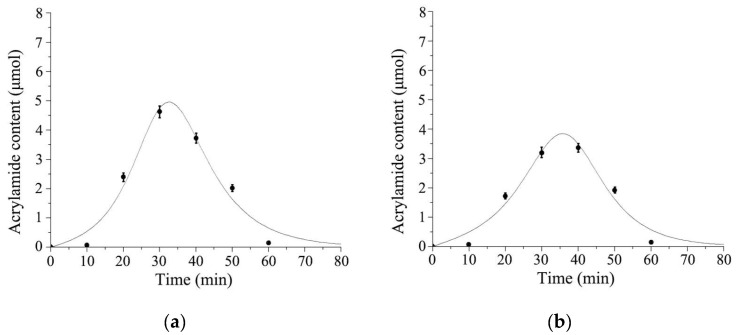
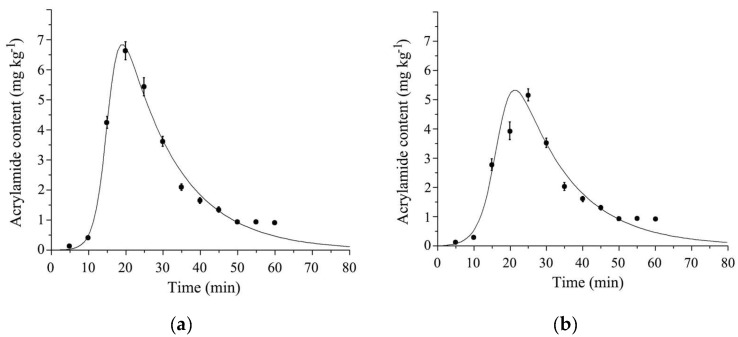
The inhibitory effect of garlic powder on acrylamide in asparagine/glucose solution and a fried potato model system were firstly evaluated. Furthermore, the effect of allicin on the amount of produced acrylamide in the asparagine/glucose solution model system and fried potatoes was studied with kinetic analysis.
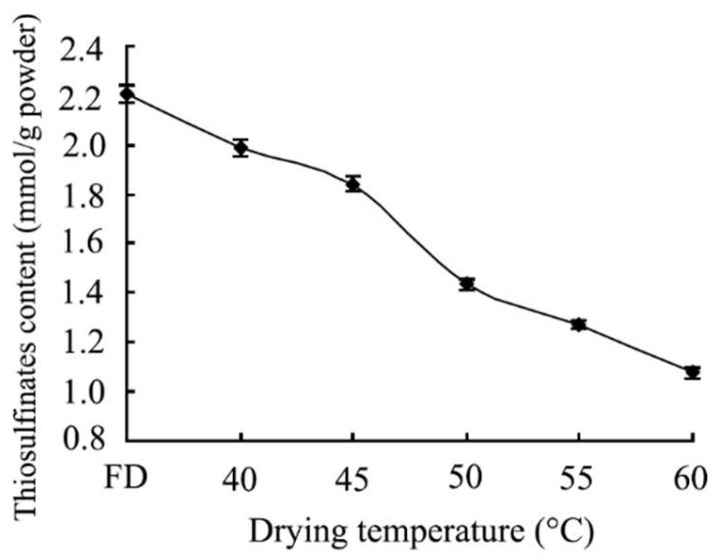
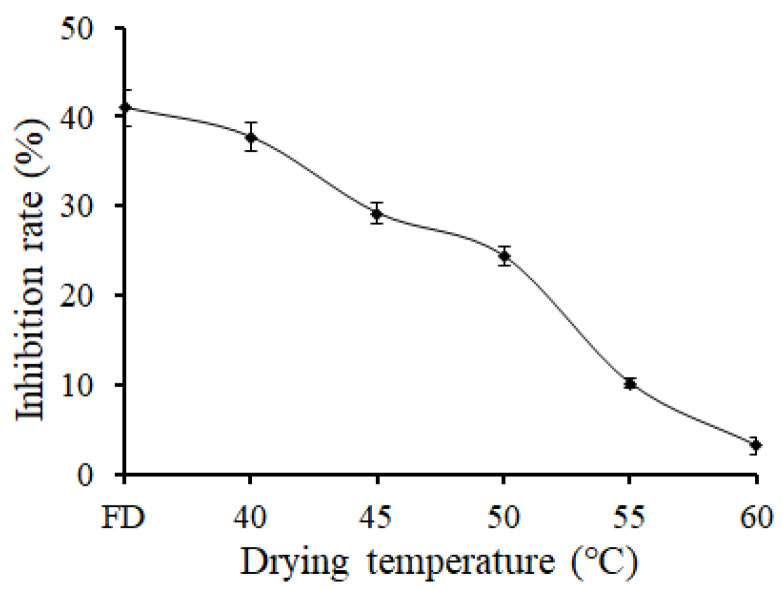
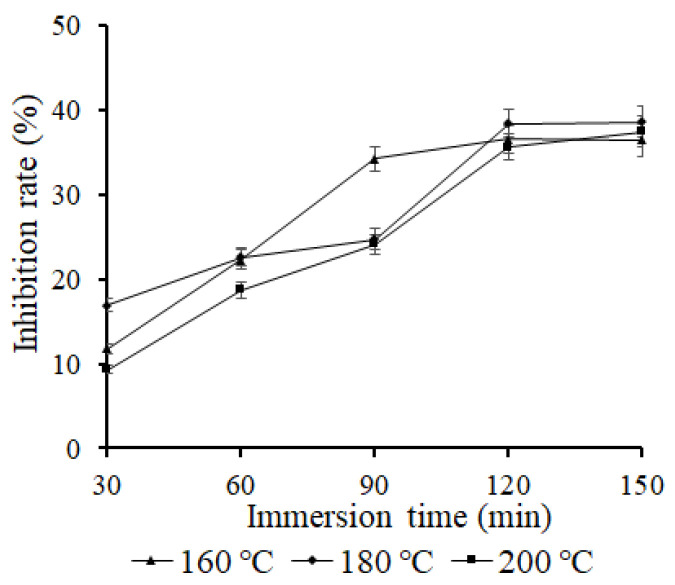
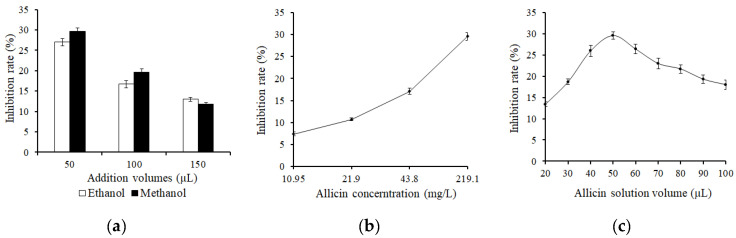
The freeze-dried garlic powder had a higher inhibition rate (41.0%) than oven-dried garlic powder (maximum inhibition rate was 37.3%), and allicin had a 71.3% attribution to the reduction of acrylamide content. Moreover, the inhibition rate of allicin had a nonlinear relationship with the addition level increase. The kinetic analysis indicated that garlic powder and allicin could reduce acrylamide content through the AA formation stage, but not the decomposition stage.
Allicin was the key component of garlic powder in reducing acrylamide content during acrylamide formation stage. This research could provide a new method to reduce acrylamide content during food processing and expand the application area of garlic.
丙烯酰胺在食物加热过程中形成,对动物具有神经毒性,对人类可能具有致癌性。在食品加工过程中降低丙烯酰胺含量很重要。研究人员曾提出蒜粉可以降低丙烯酰胺含量,但蒜粉降低丙烯酰胺的关键物质及途径尚不清楚。
首先评估了蒜粉对天冬酰胺/葡萄糖溶液及油炸马铃薯模型体系中丙烯酰胺的抑制作用。此外,通过动力学分析研究了大蒜素对天冬酰胺/葡萄糖溶液模型体系及油炸马铃薯中丙烯酰胺生成量的影响。
冻干蒜粉的抑制率(41.0%)高于烘干蒜粉(最大抑制率为37.3%),大蒜素对丙烯酰胺含量降低的贡献率为71.3%。此外,大蒜素的抑制率与添加量增加呈非线性关系。动力学分析表明,蒜粉和大蒜素可在丙烯酰胺生成阶段而非分解阶段降低丙烯酰胺含量。
大蒜素是蒜粉在丙烯酰胺生成阶段降低丙烯酰胺含量的关键成分。本研究可为食品加工过程中降低丙烯酰胺含量提供新方法,并拓展大蒜的应用领域。