Department of Biochemistry, Faculty of Medicine, Chulalongkorn University, Bangkok 10330, Thailand.
Center of Excellence in Hepatitis and Liver Cancer, Faculty of Medicine, Chulalongkorn University, Bangkok 10330, Thailand.
Int J Mol Sci. 2022 Aug 19;23(16):9380. doi: 10.3390/ijms23169380.
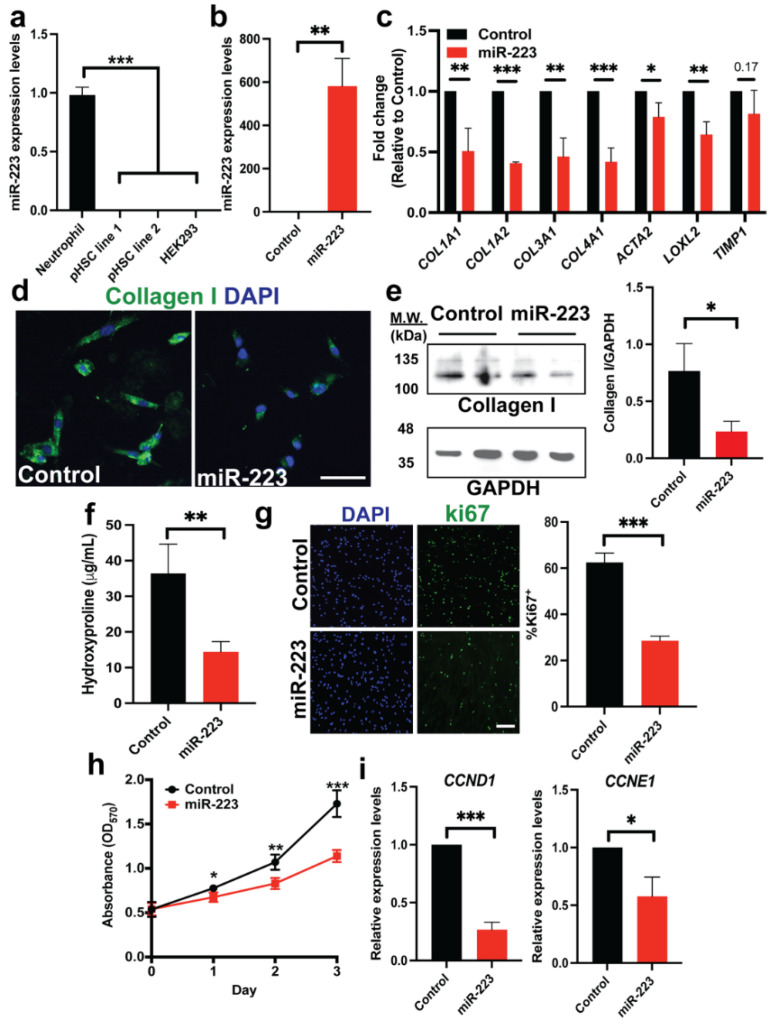
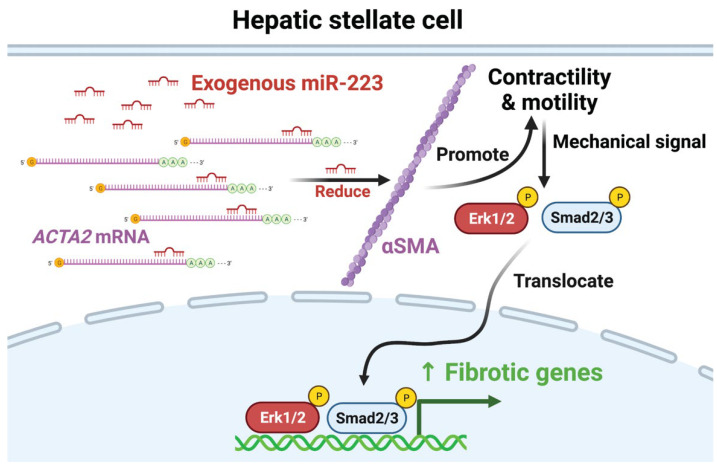
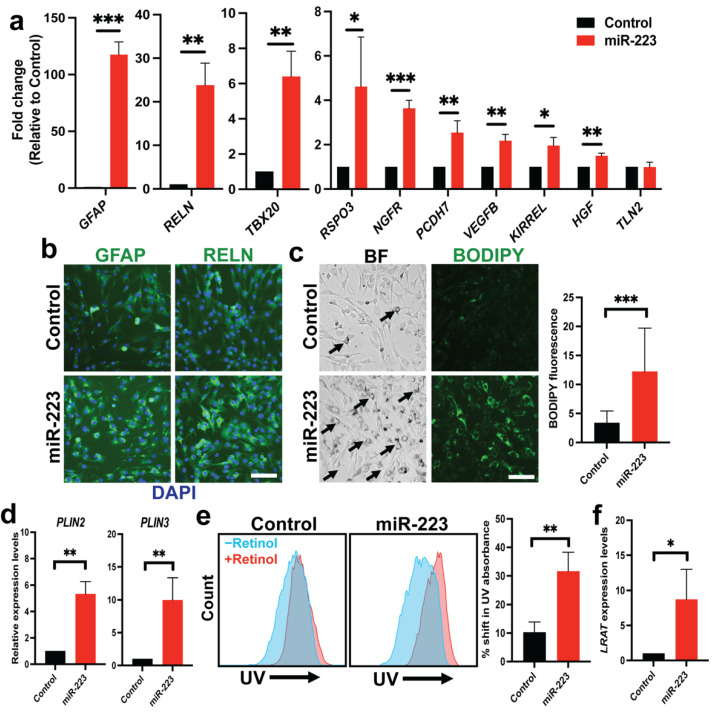
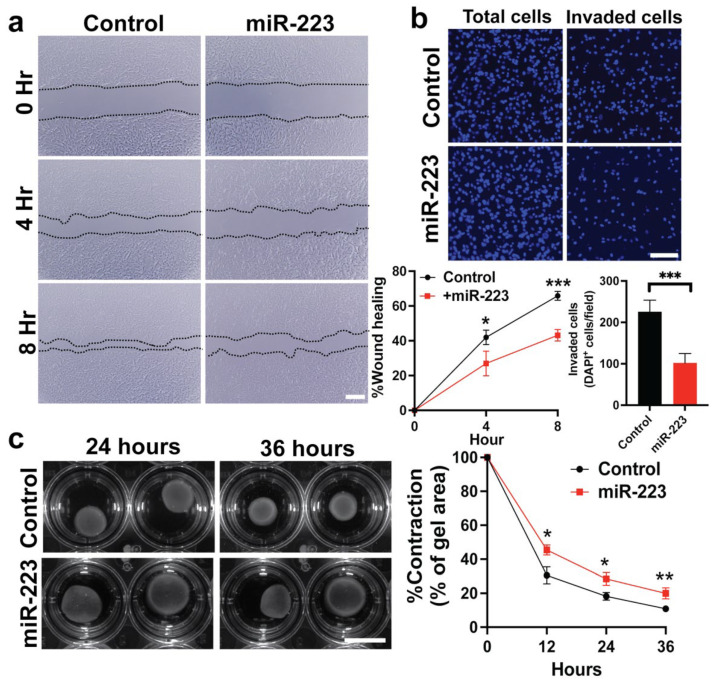
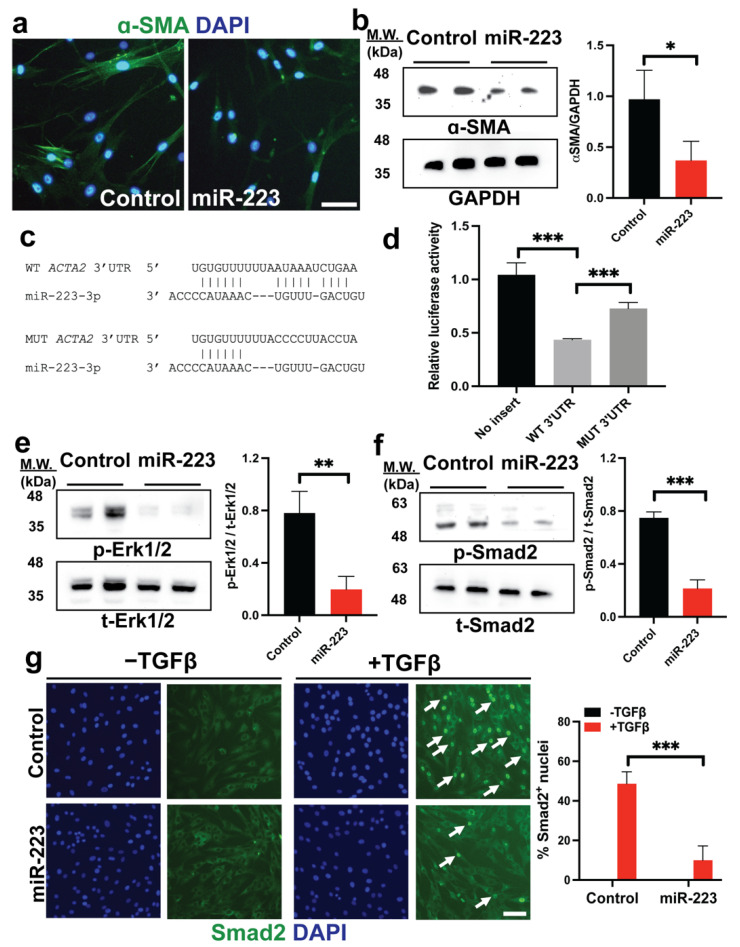
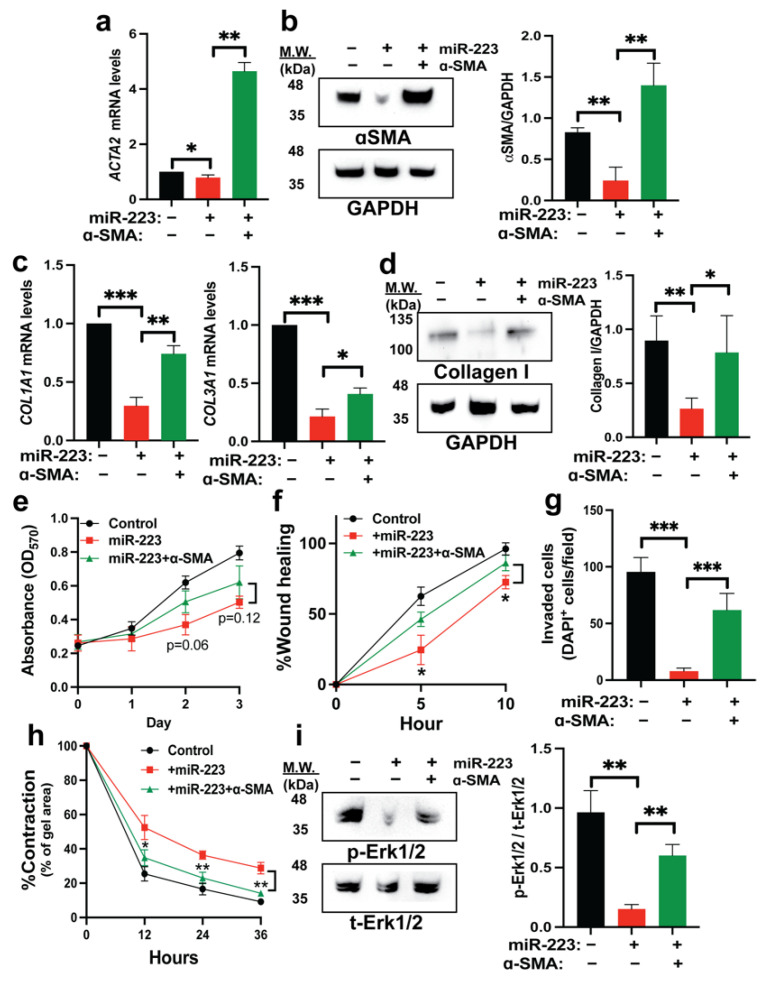
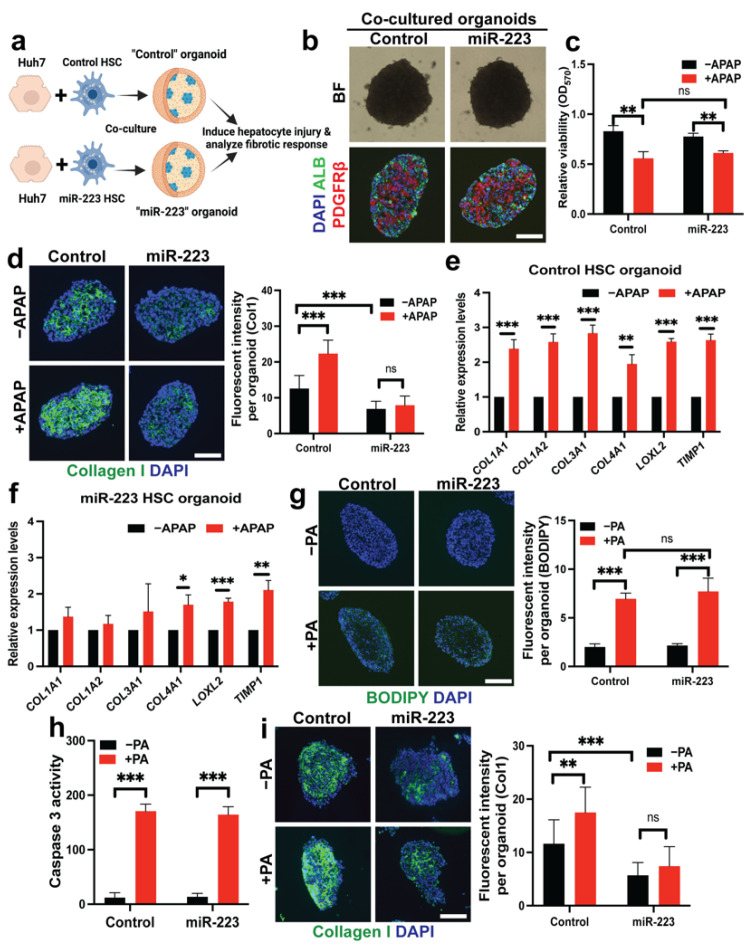
MicroRNAs (miRNAs) are small, non-coding RNAs that negatively regulate target mRNA expression, and altered expression of miRNAs is associated with liver pathological conditions. Recent studies in animal models have shown neutrophil/myeloid-specific microRNA-223 (miR-223) as a key regulator in the development of various liver diseases including fibrosis, where hepatic stellate cells (HSCs) are the key player in pathogenesis. However, the precise roles of miR-223 in human HSCs and its therapeutic potential to control fibrosis remain largely unexplored. Using primary human HSCs, we demonstrated that miR-223 suppressed the fibrogenic program and cellular proliferation while promoting features of quiescent HSCs including lipid re-accumulation and retinol storage. Furthermore, induction of miR-223 in HSCs decreased cellular motility and contraction. Mechanistically, miR-223 negatively regulated expression of smooth muscle α-actin (α-SMA) and thus reduced cytoskeletal activity, which is known to promote amplification of fibrogenic signals. Restoration of α-SMA in miR-223-overexpressing HSCs alleviated the antifibrotic effects of miR-223. Finally, to explore the therapeutic potential of miR-233 in liver fibrosis, we generated co-cultured organoids of HSCs with Huh7 hepatoma cells and challenged them with acetaminophen (APAP) or palmitic acid (PA) to induce hepatotoxicity. We showed that ectopic expression of miR-223 in HSCs attenuated fibrogenesis in the two human organoid models of liver injury, suggesting its potential application in antifibrotic therapy.
微小 RNA(miRNA)是一种小的非编码 RNA,可负调控靶 mRNA 的表达,miRNA 的表达改变与肝脏病理状况有关。最近在动物模型中的研究表明,中性粒细胞/髓系特异性 microRNA-223(miR-223)是包括纤维化在内的各种肝脏疾病发展的关键调节因子,肝星状细胞(HSCs)是发病机制中的关键参与者。然而,miR-223 在人 HSCs 中的确切作用及其控制纤维化的治疗潜力在很大程度上仍未得到探索。使用原代人 HSCs,我们证明 miR-223 抑制了纤维生成程序和细胞增殖,同时促进了静止 HSCs 的特征,包括脂质再积累和视黄醇储存。此外,miR-223 在 HSCs 中的诱导降低了细胞迁移和收缩。从机制上讲,miR-223 负调控平滑肌 α-肌动蛋白(α-SMA)的表达,从而降低细胞骨架活性,这已知可促进纤维生成信号的放大。在 miR-223 过表达的 HSCs 中恢复α-SMA 减轻了 miR-223 的抗纤维化作用。最后,为了探索 miR-223 在肝纤维化中的治疗潜力,我们生成了 HSCs 与 Huh7 肝癌细胞的共培养类器官,并使用对乙酰氨基酚(APAP)或棕榈酸(PA)对其进行挑战以诱导肝毒性。我们表明,miR-223 在两种人类肝损伤类器官模型中的 HSCs 中的异位表达减弱了纤维化,表明其在抗纤维化治疗中的潜在应用。