Li Chenchen, Li Yuqing, Li Guangzhi, Wu Song
Institute of Urology, The Affiliated Luohu Hospital of Shenzhen University, Shenzhen University, Shenzhen 518000, China.
Department of Urology, South China Hospital, Health Science Center, Shenzhen University, Shenzhen 518116, China.
Pharmaceutics. 2022 Aug 12;14(8):1682. doi: 10.3390/pharmaceutics14081682.
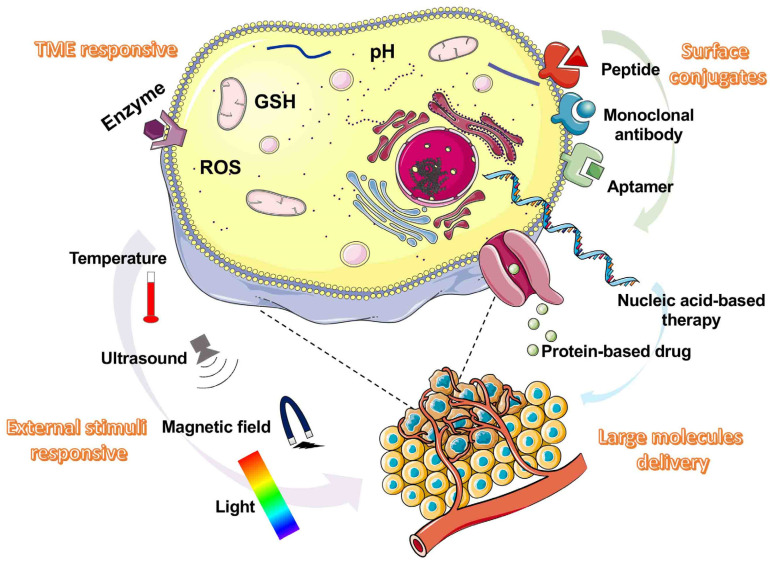
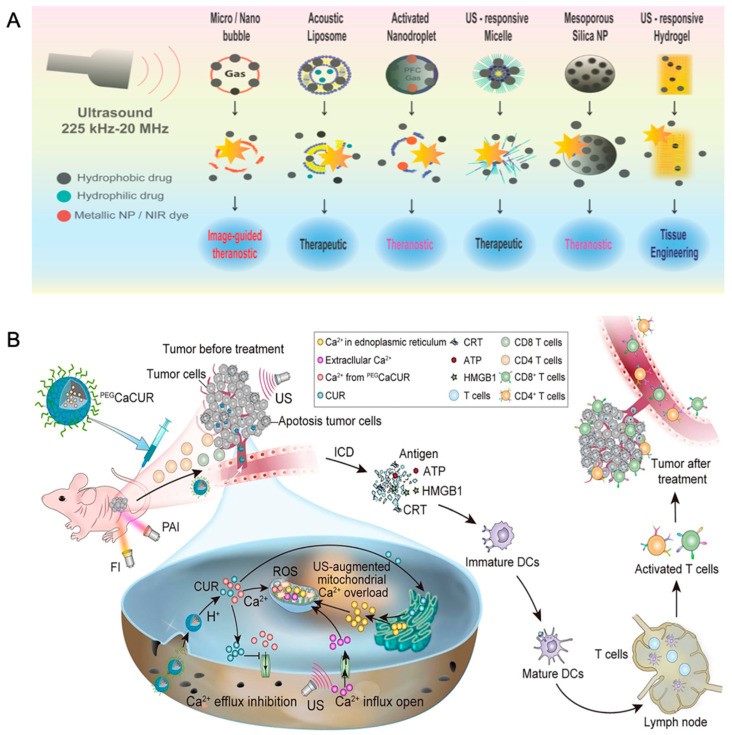
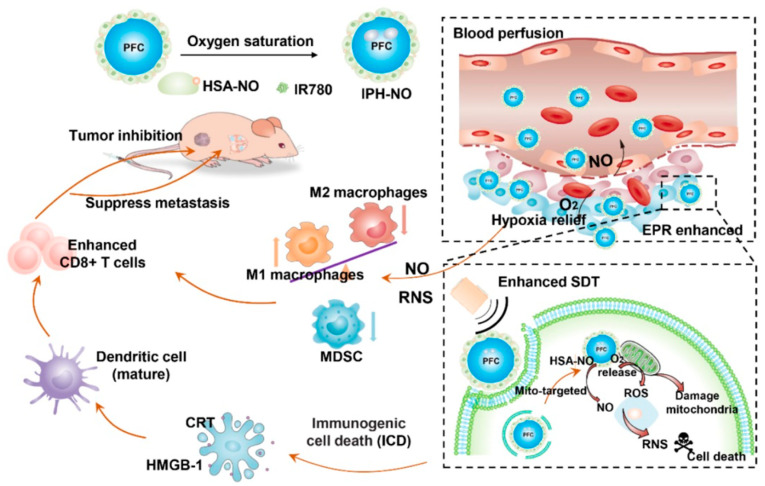
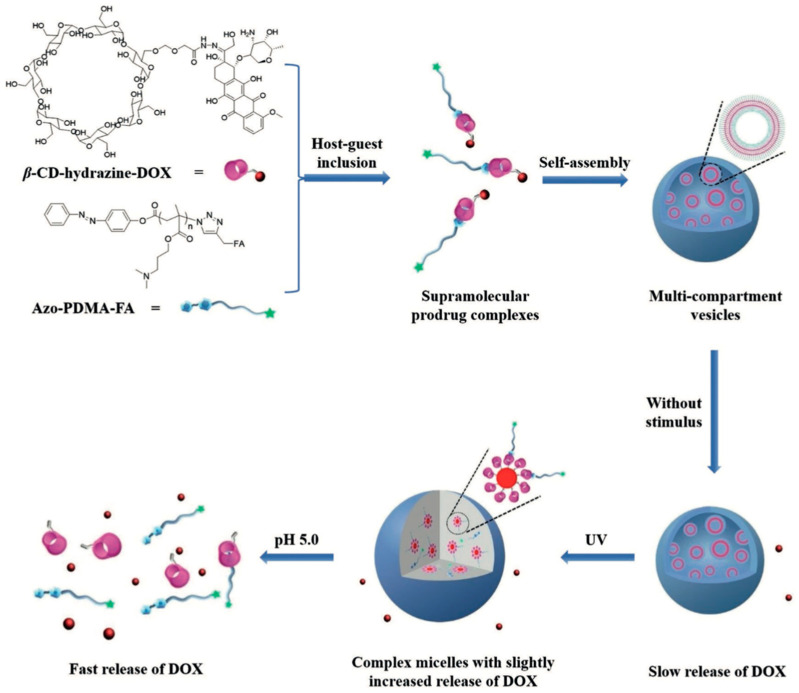
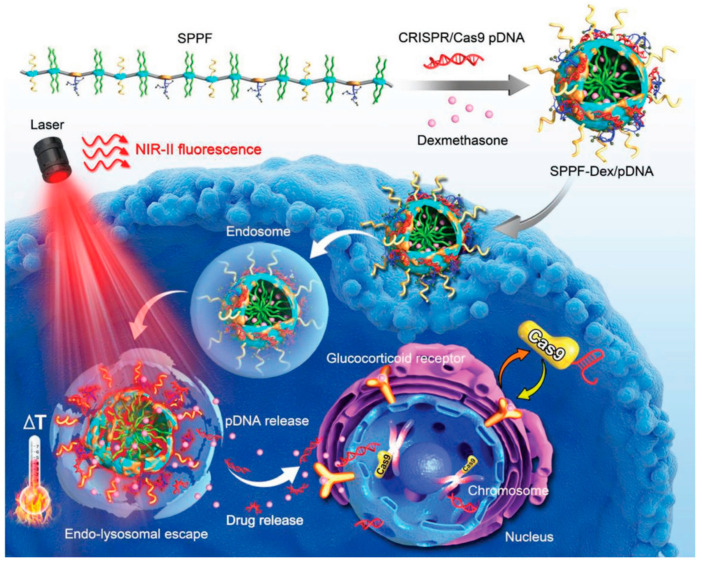
Cancer is the leading cause of death in people worldwide. The conventional therapeutic approach is mainly based on chemotherapy, which has a series of side effects. Compared with traditional chemotherapy drugs, nanoparticle-based delivery of anti-cancer drugs possesses a few attractive features. The application of nanotechnology in an interdisciplinary manner in the biomedical field has led to functional nanoparticles achieving much progress in cancer therapy. Nanoparticles have been involved in the diagnosis and targeted and personalized treatment of cancer. For example, different nano-drug strategies, including endogenous and exogenous stimuli-responsive, surface conjugation, and macromolecular encapsulation for nano-drug systems, have successfully prevented tumor procession. The future for functional nanoparticles is bright and promising due to the fast development of nanotechnology. However, there are still some challenges and limitations that need to be considered. Based on the above contents, the present article analyzes the progress in developing functional nanoparticles in cancer therapy. Research gaps and promising strategies for the clinical application are discussed.
癌症是全球人类的主要死因。传统的治疗方法主要基于化疗,而化疗有一系列副作用。与传统化疗药物相比,基于纳米颗粒的抗癌药物递送具有一些吸引人的特性。纳米技术在生物医学领域的跨学科应用已使功能性纳米颗粒在癌症治疗方面取得了很大进展。纳米颗粒已参与癌症的诊断以及靶向和个性化治疗。例如,不同的纳米药物策略,包括用于纳米药物系统的内源性和外源性刺激响应、表面共轭和大分子封装,已成功阻止肿瘤进展。由于纳米技术的快速发展,功能性纳米颗粒的未来前景光明且充满希望。然而,仍有一些挑战和限制需要考虑。基于上述内容,本文分析了功能性纳米颗粒在癌症治疗方面的发展进展。讨论了临床应用的研究差距和有前景的策略。