Tian Kexin, Li Heping, Zhao Bin, Su Yue, Zou Zhiming, Wang Wenli
College of Chemistry and Bioengineering, Guilin University of Technology, Guilin 541004, China.
China National Textile and Apparel Council Key Laboratory of Natural Dyes, College of Textile and Clothing Engineering, Soochow University, Suzhou 215123, China.
Polymers (Basel). 2022 Aug 22;14(16):3432. doi: 10.3390/polym14163432.
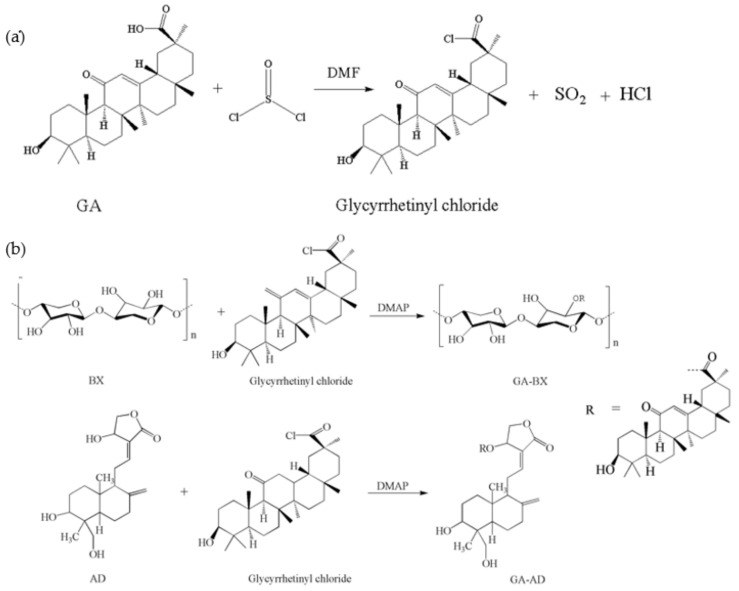
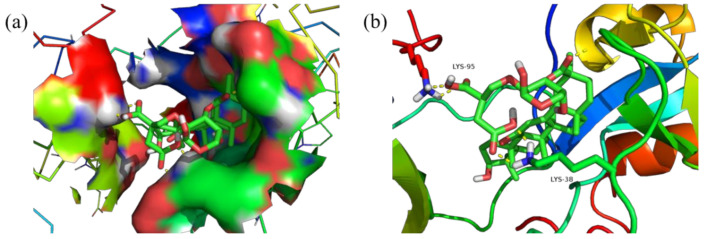
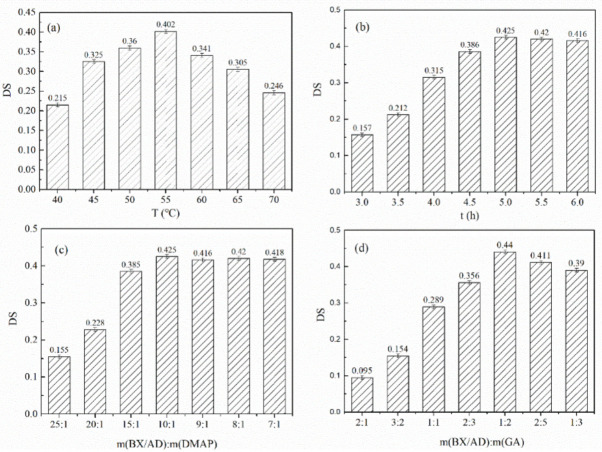
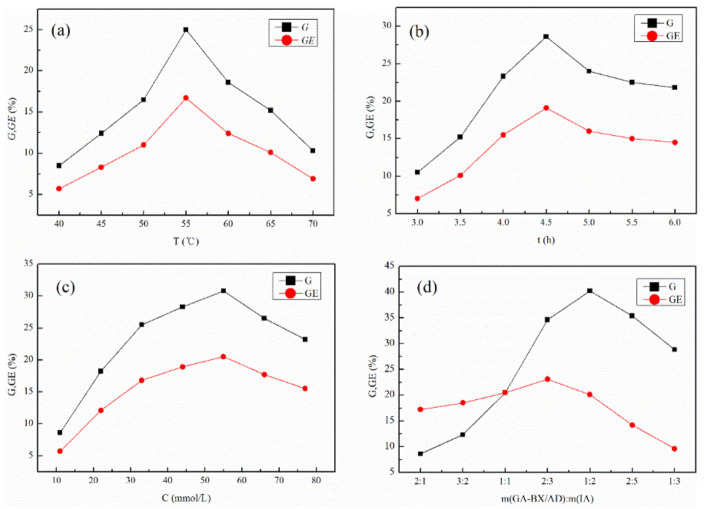
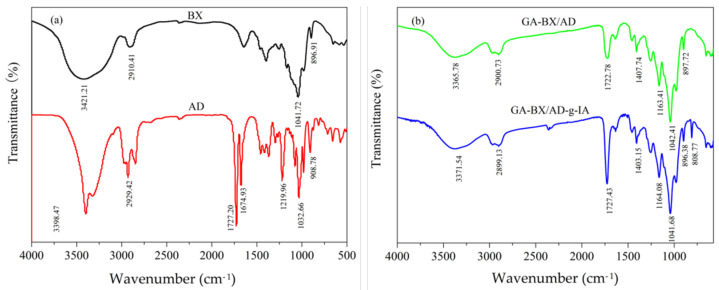
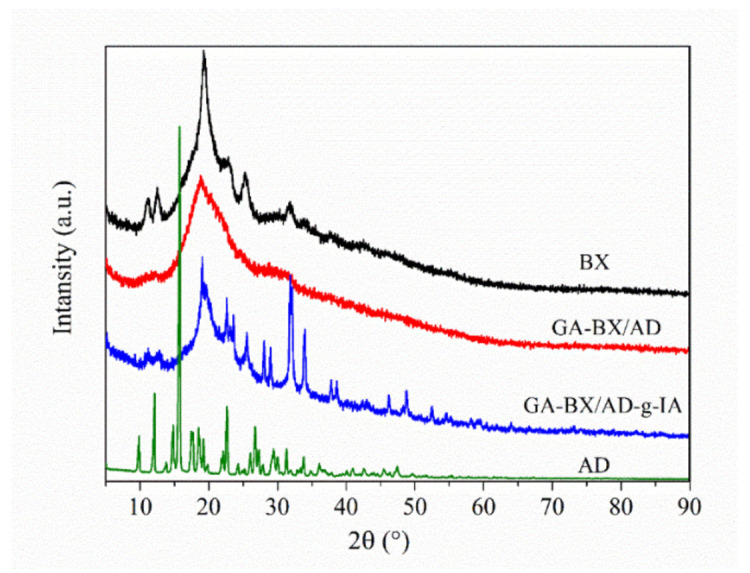
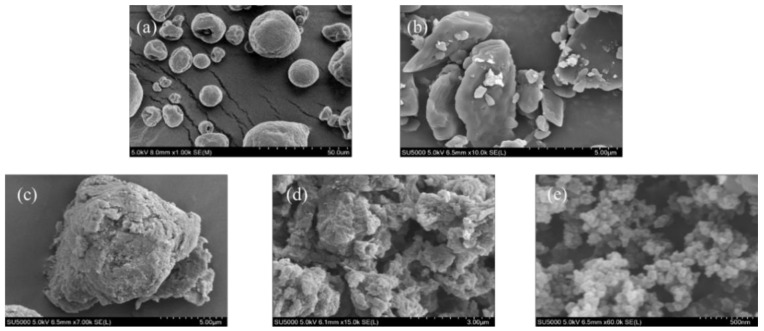
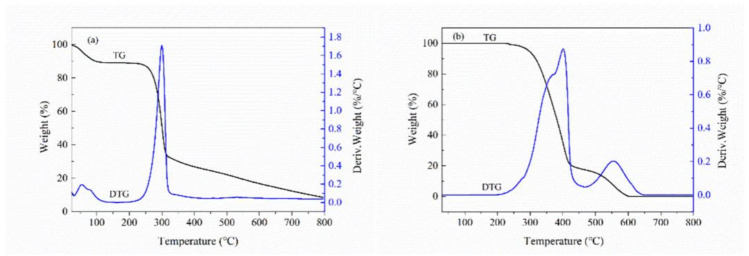
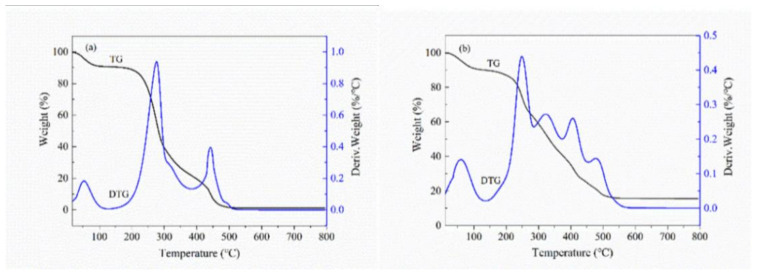
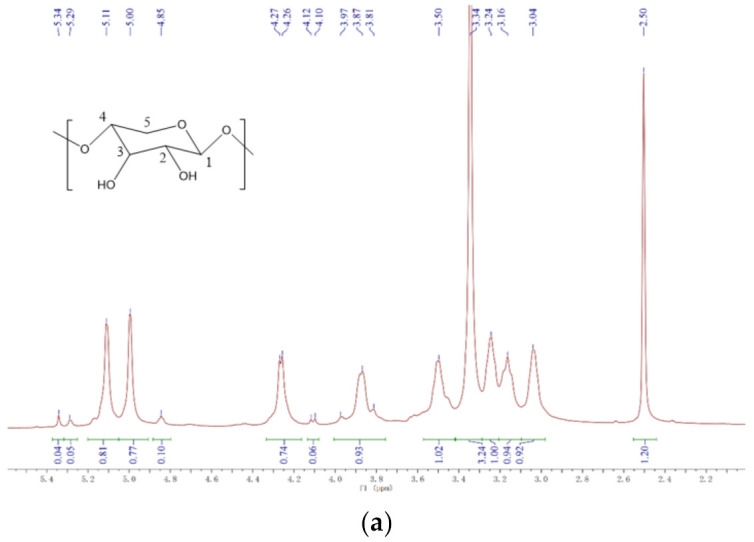
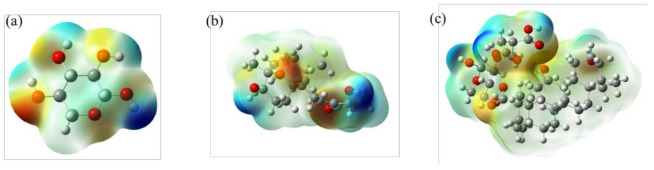
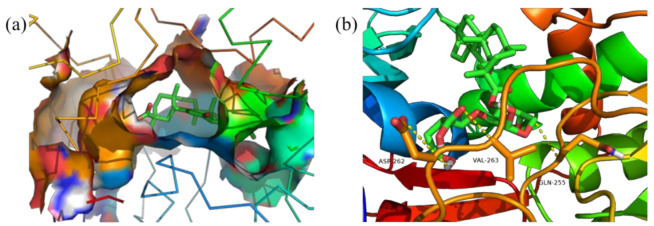
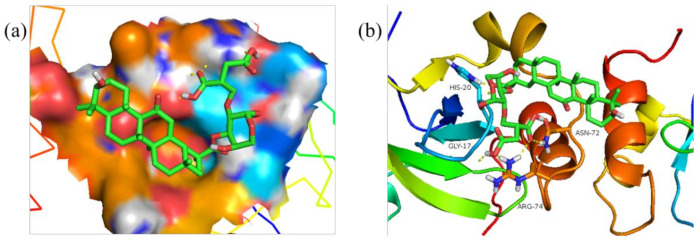
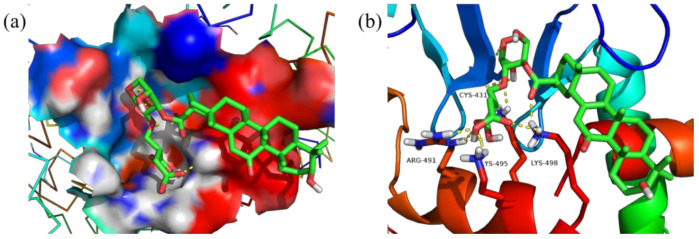
In the in-depth research that has been conducted on nanometer biomaterials, how to use the biomass resources with high activity and low toxicity to prepare nanomaterials for biomedical applications has attracted much attention. To realize efficient and comprehensive utilization of biomass, bagasse xylan/andrographolide (BX/AD) was ued as a raw material and glycyrrhetinic acid (GA) as an esterification agent to synthesize bagasse xylan/andrographolide esterified derivative (GA-BX/AD). Then, the bagasse xylan/andrographolide grafted and esterified derivative (GA-BX/AD-g-IA) was synthesized by the graft crosslinking reactions using itaconic acid (IA) as graft monomer. The better synthesis conditions were optimized by single factor experiments, the degree of esterification substitution () was 0.43, and the grafting rate () of the product reached 42%. The structure and properties of the product were characterized by FTIR, XRD, DTG, SEM, and H NMR. The results showed that the product morphology was significantly changed, and the nanoparticles were spherical with a particle size of about 100 nm. The anti-cancer activity of the product was measured. The molecular docking simulations revealed that the product had good docking activity with human glucocorticoid protein (6CFN) with a binding free energy of 14.38 kcal/mol. The MTT assay showed that the product had a strong inhibitory effect on the growth of human liver cancer cells (BEL-7407) and gastric cancer cells (MGC80-3), with inhibition ratio of 38.41 ± 5.32% and 32.69 ± 4.87%. Therefore, this nanomaterial is expected to be applied to the development and utilization of drug carriers and functional materials.
在对纳米生物材料进行的深入研究中,如何利用高活性、低毒性的生物质资源制备用于生物医学应用的纳米材料备受关注。为实现生物质的高效综合利用,以甘蔗渣木聚糖/穿心莲内酯(BX/AD)为原料,甘草次酸(GA)为酯化剂合成甘蔗渣木聚糖/穿心莲内酯酯化衍生物(GA-BX/AD)。然后,以衣康酸(IA)为接枝单体,通过接枝交联反应合成甘蔗渣木聚糖/穿心莲内酯接枝酯化衍生物(GA-BX/AD-g-IA)。通过单因素实验优化出较好的合成条件,酯化取代度()为0.43,产物的接枝率()达到42%。采用傅里叶变换红外光谱(FTIR)、X射线衍射(XRD)、差示扫描量热-热重联用(DTG)、扫描电子显微镜(SEM)和核磁共振氢谱(H NMR)对产物的结构和性能进行表征。结果表明,产物形态发生显著变化,纳米颗粒呈球形,粒径约为100 nm。测定了产物的抗癌活性。分子对接模拟显示,产物与人糖皮质激素蛋白(6CFN)具有良好的对接活性,结合自由能为14.38 kcal/mol。MTT法检测表明,产物对人肝癌细胞(BEL-7407)和胃癌细胞(MGC80-3)的生长具有较强的抑制作用,抑制率分别为38.41±5.32%和32.69±4.87%。因此,这种纳米材料有望应用于药物载体和功能材料的开发利用。