Department of Computer Science, University of Management and Technology, Lahore 54000, Pakistan.
Department of Software Engineering, School of Systems and Technology, University of Management and Technology, Lahore 54000, Pakistan.
Sensors (Basel). 2022 Aug 9;22(16):5950. doi: 10.3390/s22165950.
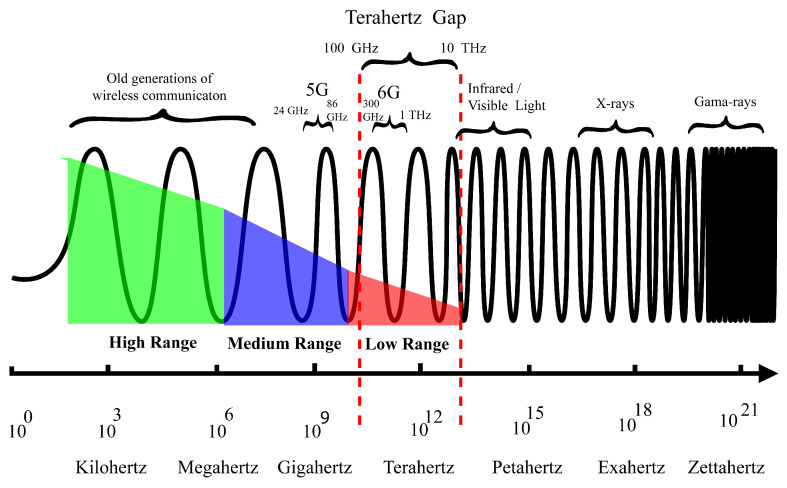
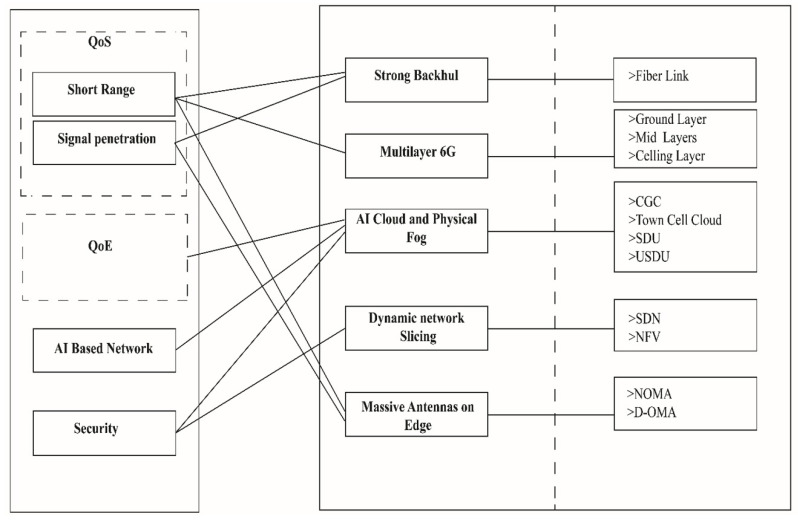
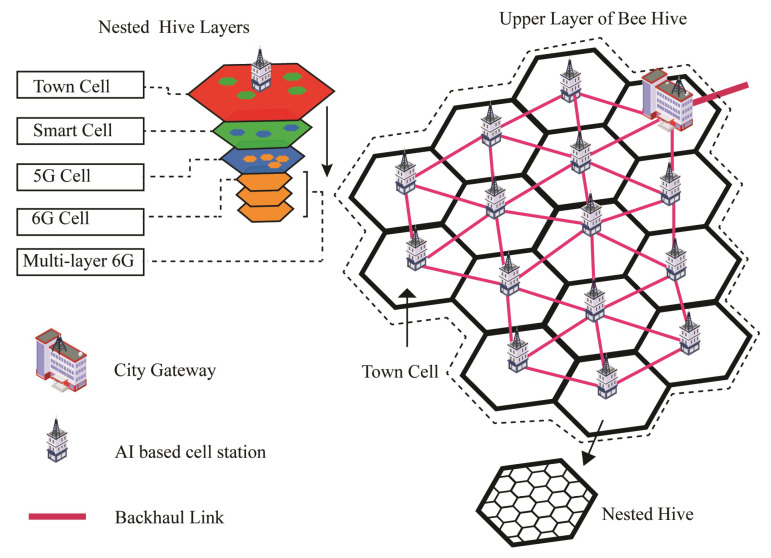
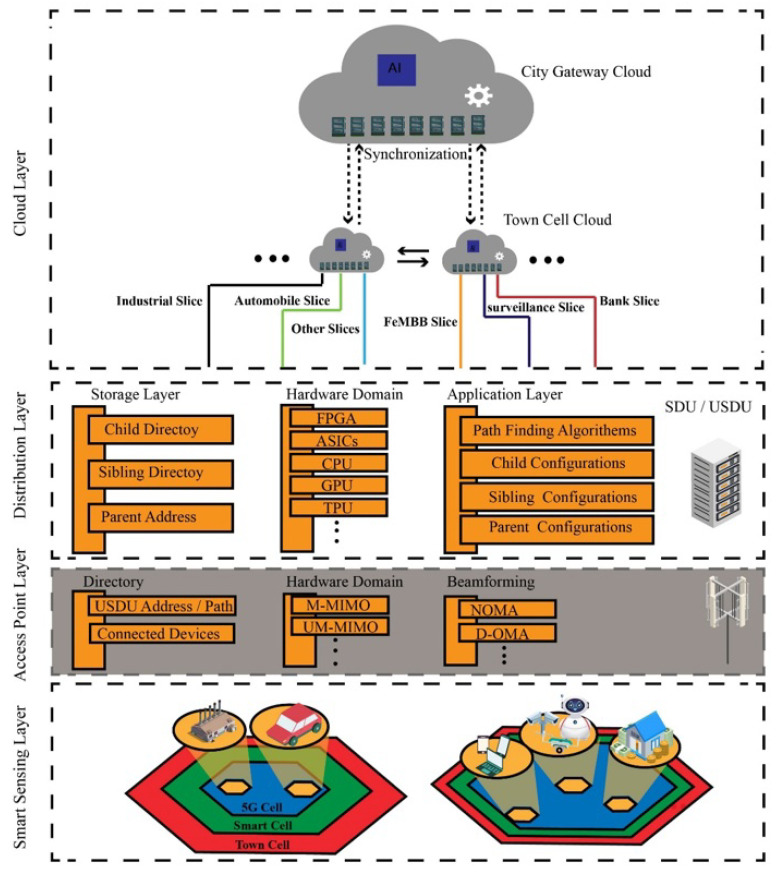
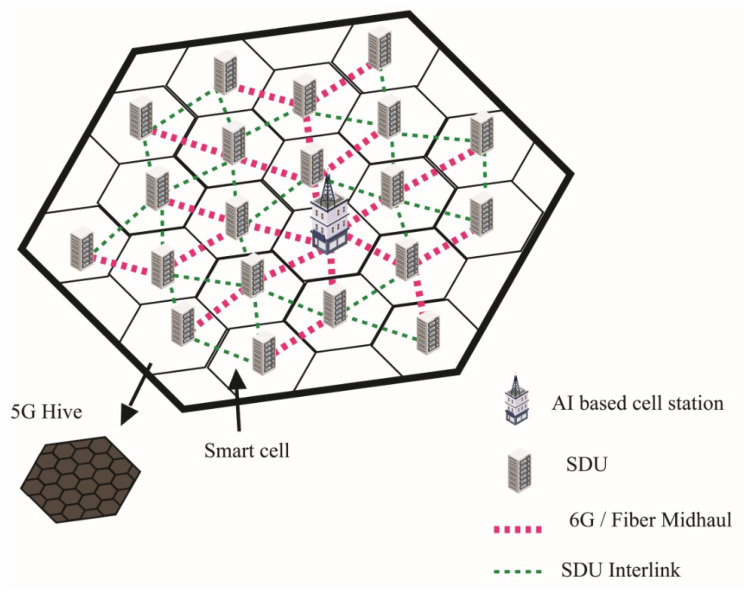
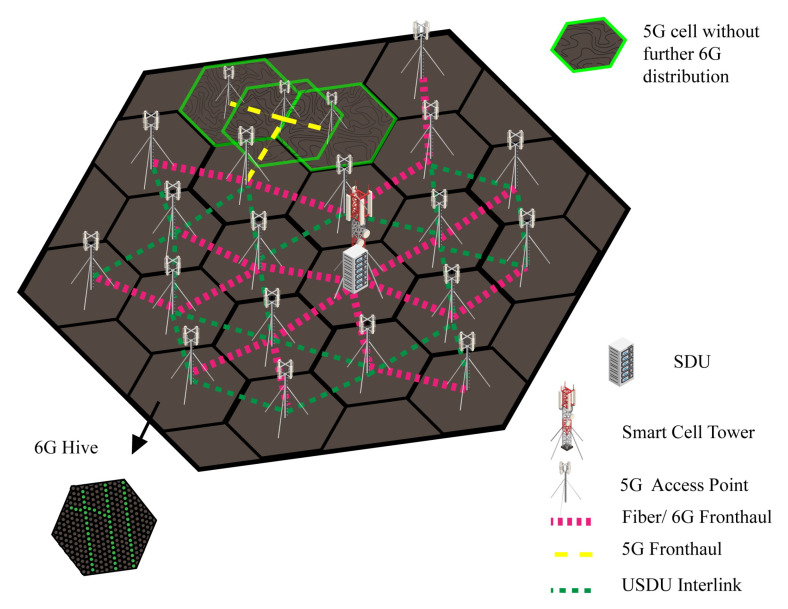
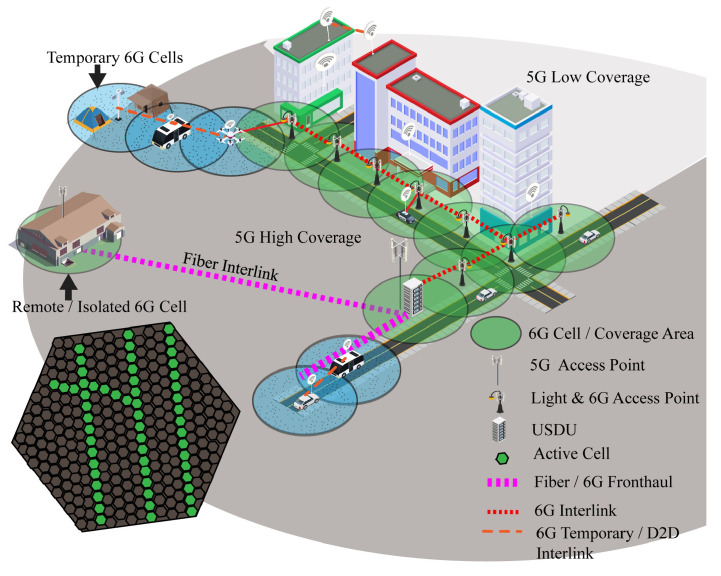
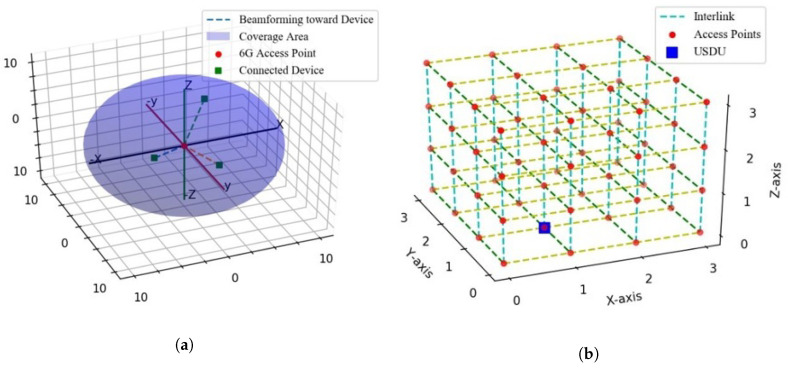
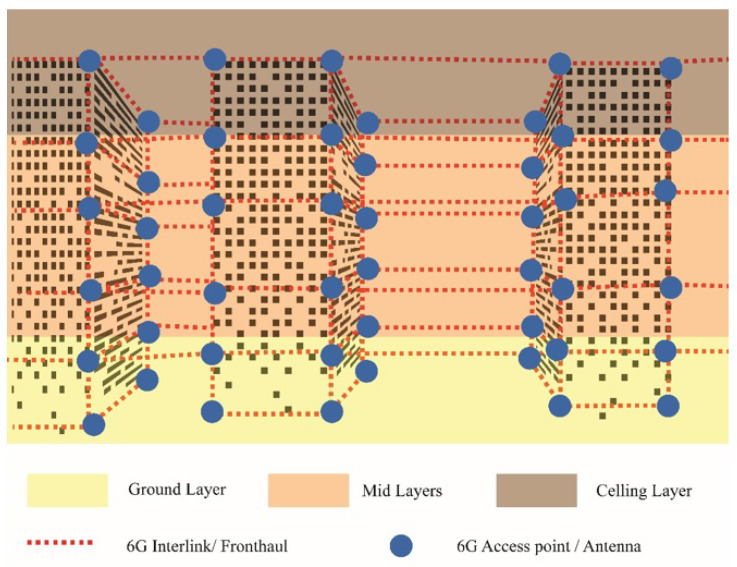
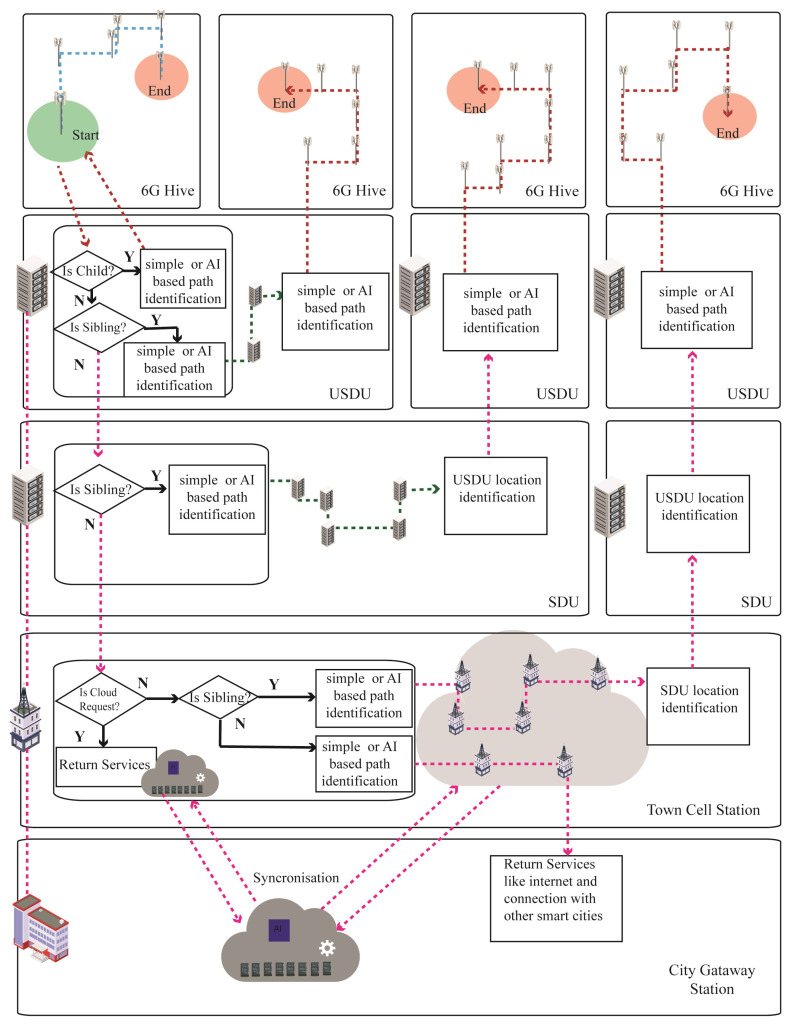
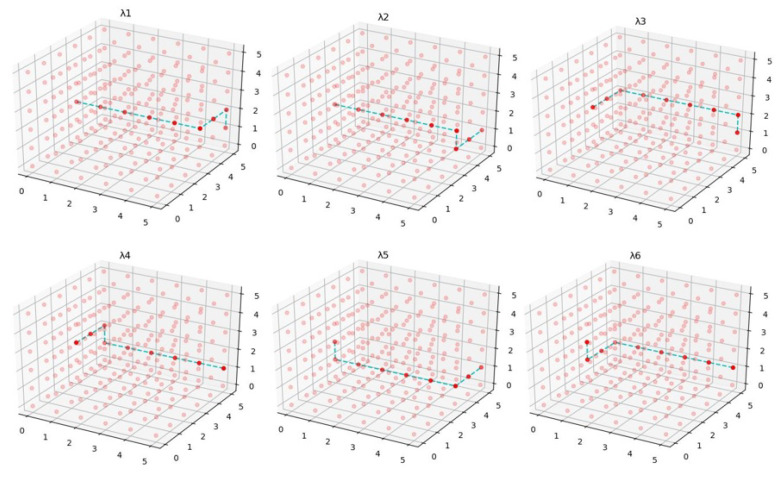
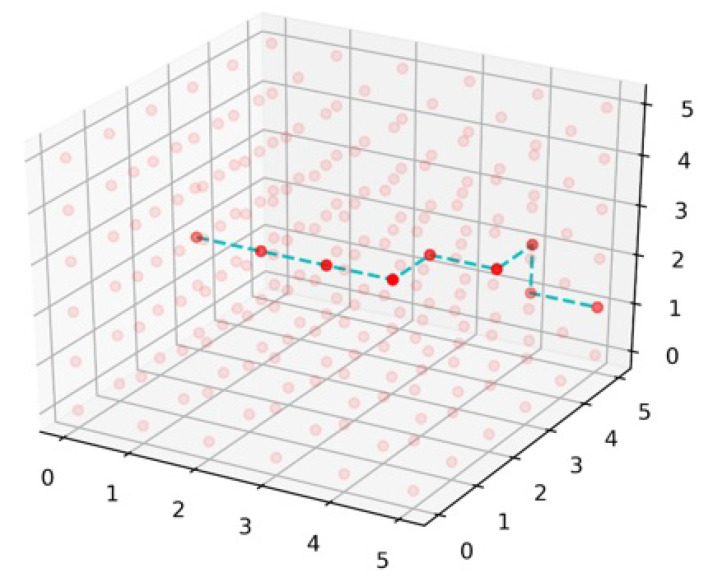
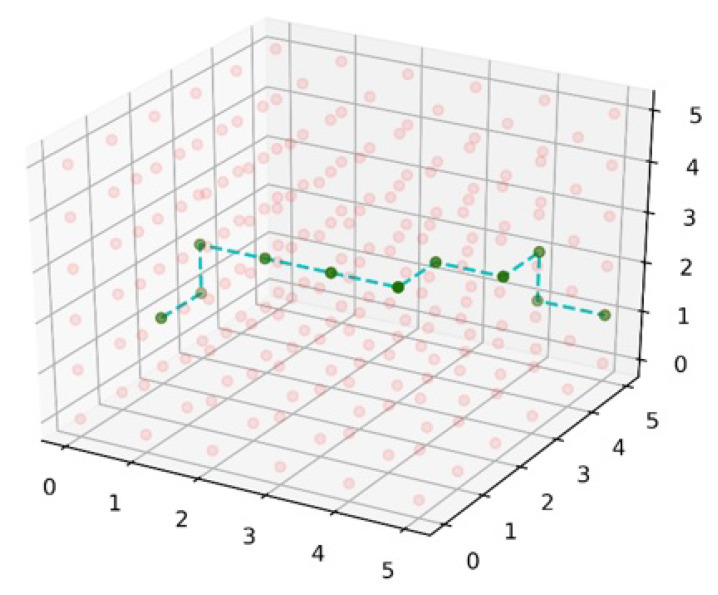
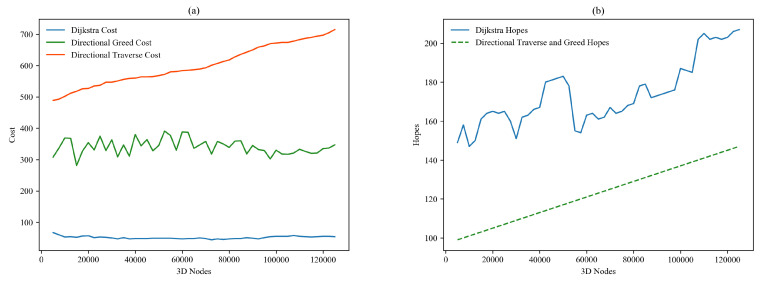
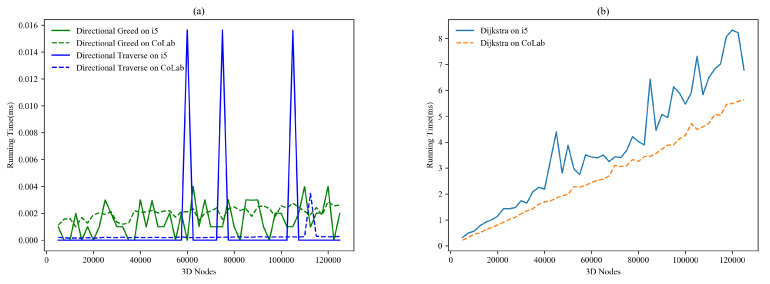
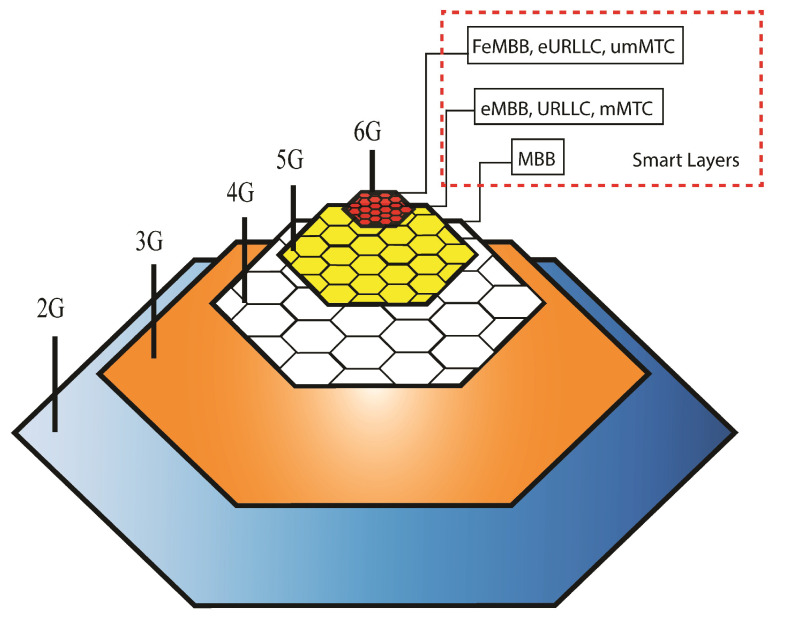
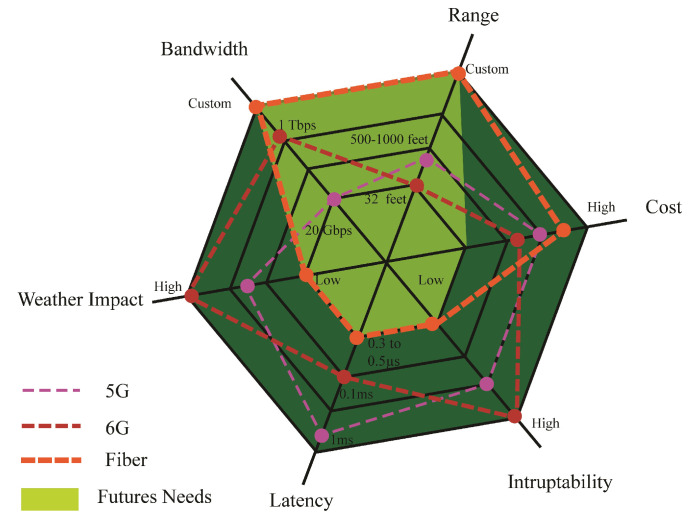
Several smart city ideas are introduced to manage various problems caused by overpopulation, but the futuristic smart city is a concept based on dense and artificial-intelligence-centric cities. Thus, massive device connectivity with huge data traffic is expected in the future where communication networks are expected to provide ubiquity, high quality of service, and on-demand content for a large number of interconnected devices. The sixth-generation (6G) network is considered the problem-solving network of futuristic cities, with huge bandwidth and low latency. The expected 6G of the radio access network is based on terahertz (THz) waves with the capability of carrying up to one terabit per second (Tbps). THz waves have the capability of carrying a large amount of data but these waves have several drawbacks, such as short-range and atmospheric attenuation. Hence, these problems can introduce complications and hamper the performance of the 6G network. This study envisions futuristic smart cities using 6G and proposes a conceptual terrestrial network (TN) architecture for 6G. The nested Bee Hive is a scalable multilayer architecture designed to meet the needs of futuristic smart cities. Moreover, we designed the multilayer network infrastructure while considering the expectations from a network of futuristic smart cities and the complications of THz waves. Extensive simulations are performed using different pathfinding algorithms in the 3D multilayer domain to evaluate the performance of the proposed architecture and set the dynamics of futuristic communication of 6G.
引入了一些智慧城市理念来管理人口过剩带来的各种问题,但未来主义的智慧城市是一个基于密集型和以人工智能为中心的城市的概念。因此,未来预计将有大量设备连接并产生大量数据流量,通信网络有望为大量互联设备提供无处不在、高质量的服务和按需内容。第六代 (6G) 网络被认为是未来城市的问题解决网络,具有巨大的带宽和低延迟。预期的基于太赫兹 (THz) 波的无线电接入网络 6G 能够承载高达每秒 1 太比特 (Tbps) 的数据。THz 波具有承载大量数据的能力,但这些波有几个缺点,例如短距离和大气衰减。因此,这些问题可能会带来复杂性并影响 6G 网络的性能。本研究设想使用 6G 的未来主义智慧城市,并提出了一种用于 6G 的概念性地面网络 (TN) 架构。嵌套的蜂巢是一种可扩展的多层架构,旨在满足未来主义智慧城市的需求。此外,我们在设计多层网络基础设施时考虑了未来主义智慧城市网络的期望以及 THz 波的复杂性。在 3D 多层域中使用不同的寻路算法进行了广泛的模拟,以评估所提出架构的性能并设置 6G 的未来通信动态。