Liu Yanlong, Ao Kexin, Bao Fuxiang, Cheng Yi, Hao Yanxia, Zhang Huimin, Fu Shan, Xu Jiaqi, Wu Qiyao
College of Veterinary Medicine, Inner Mongolia Agricultural University, Huhhot 010010, China.
Key Laboratory of Clinical Diagnosis and Treatment Techniques for Animal Disease, Ministry of Agriculture and Rural Affairs (LDTA), Huhhot 010010, China.
Vaccines (Basel). 2022 Aug 17;10(8):1335. doi: 10.3390/vaccines10081335.
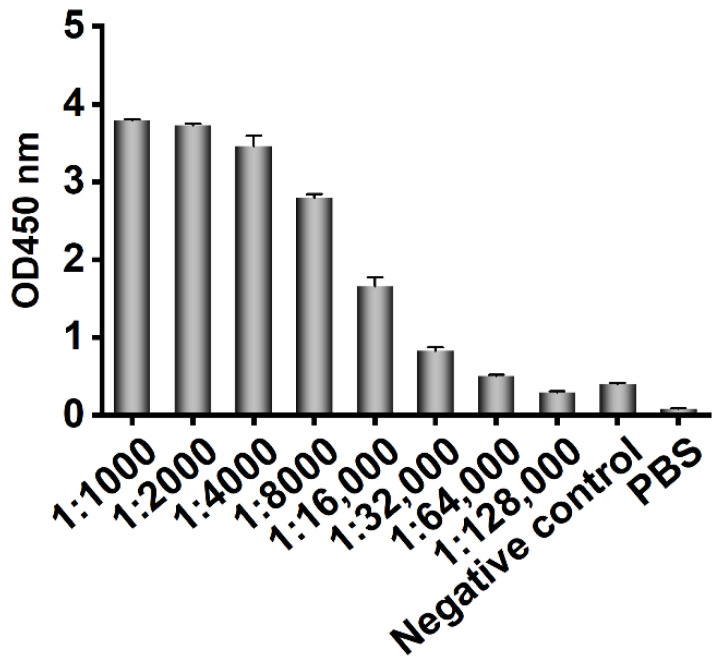
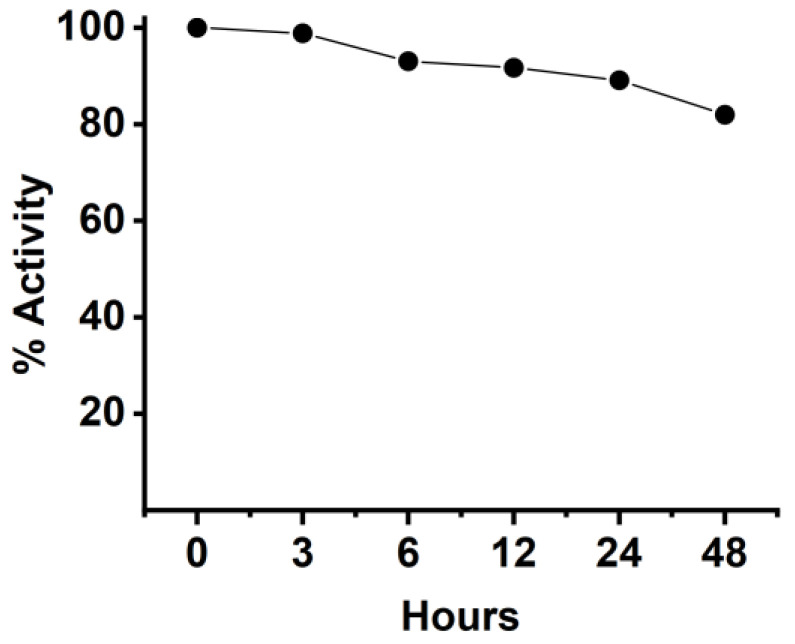
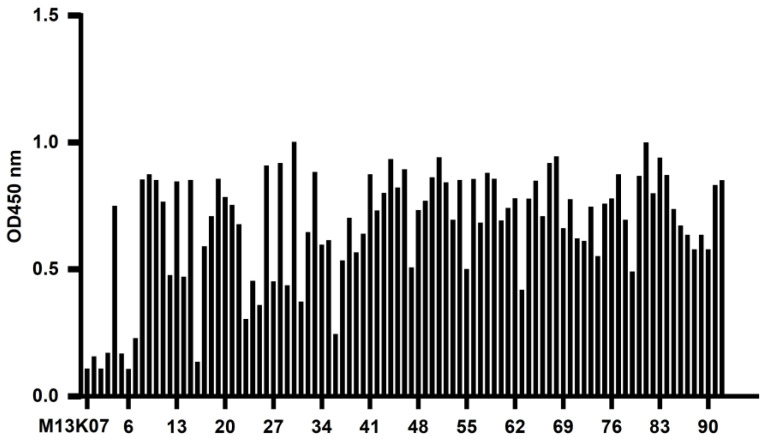
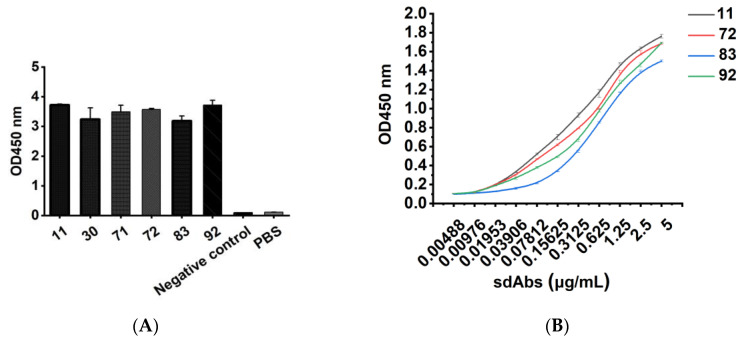
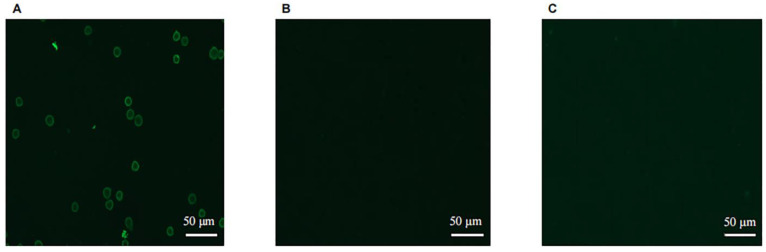
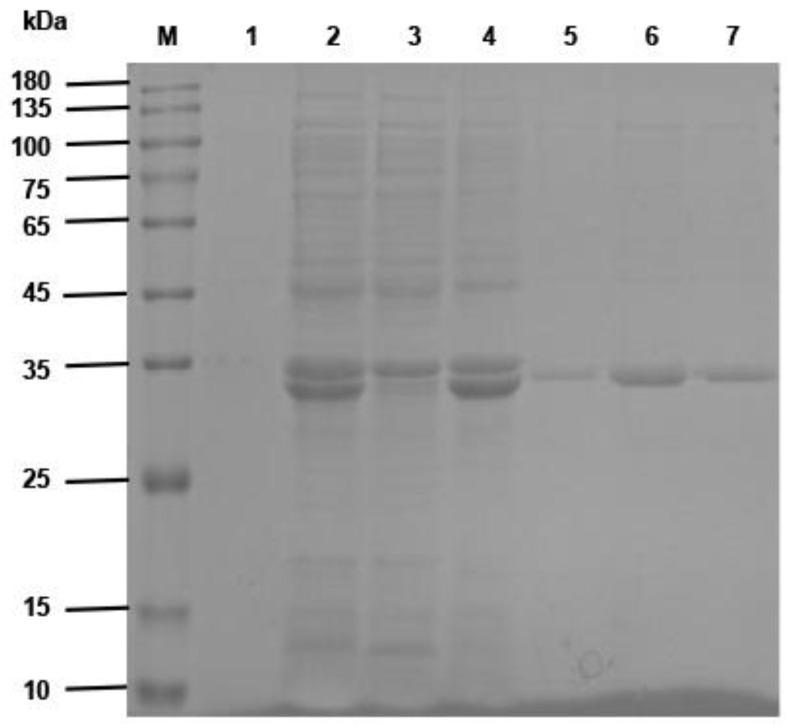
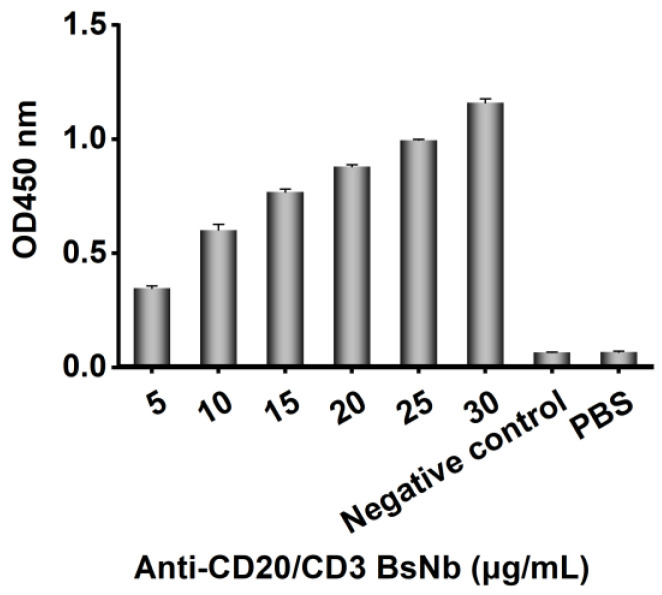
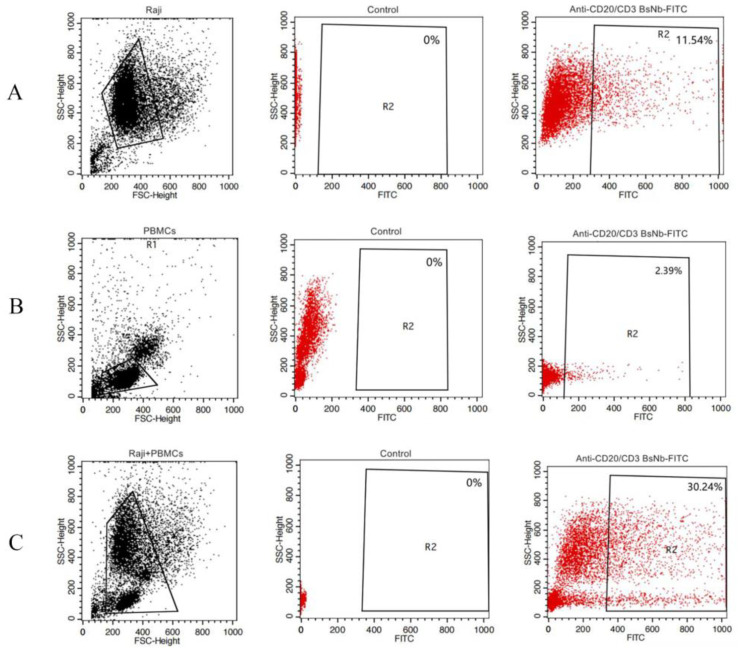
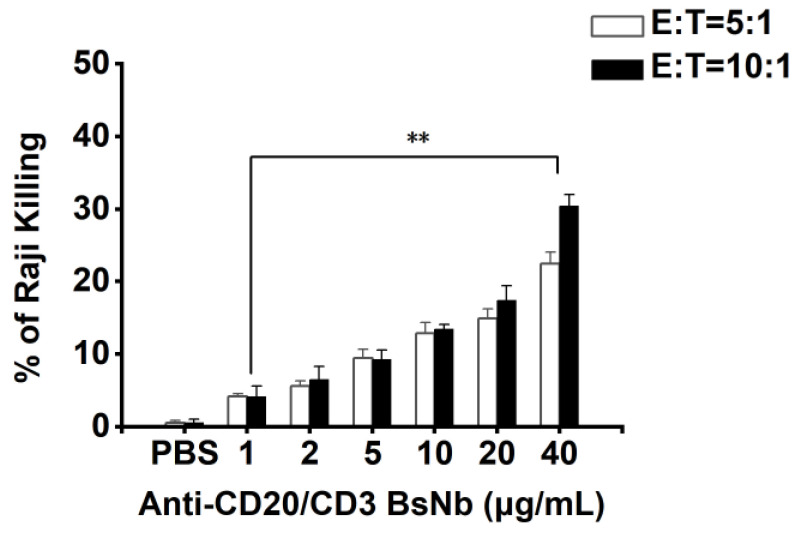
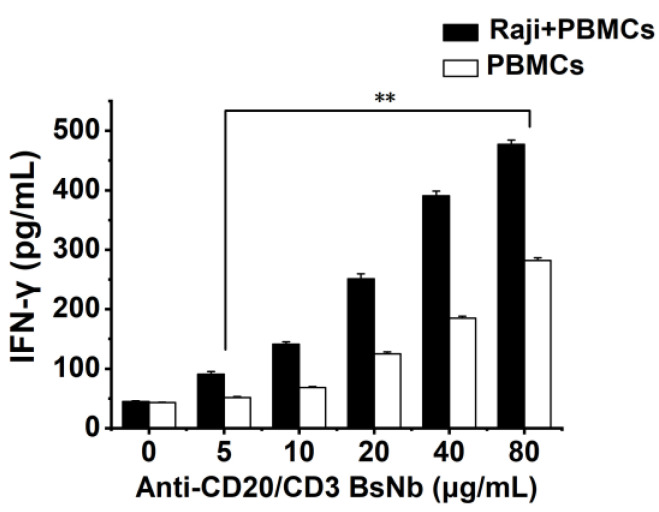
B-cell lymphoma is a group of malignant proliferative diseases originating from lymphoid tissue with different clinical manifestations and biological characteristics. It can occur in any part of the body, accounting for more than 80% of all lymphomas. The present study aimed to construct bispecific single-domain antibodies against CD20 and CD3 and to evaluate their function in killing tumor cells in vitro. A Bactrian camel was immunized with a human CD20 extracellular peptide, and the VHH gene was cloned and ligated into a phagemid vector to construct the phage antibody display library. A phage antibody library with a size of 1.2 × 10⁸ was successfully constructed, and the VHH gene insertion rate was 91.7%. Ninety-two individual clones were randomly picked and screened by phage ELISA. Six strains with the high binding ability to human CD20 were named 11, 30, 71, 72, 83, and 92, and induced expression and purification were performed to obtain soluble CD20 single-domain antibodies. The obtained single-domain antibodies could specifically bind to human CD20 polypeptide and cell surface-expressed CD20 molecules in ELISA, Western blot, and cell immunofluorescence assays. The anti-CD20/CD3 bispecific nanobody (BsNb) was successfully constructed by fusing the anti-CD20 VHH gene with the anti-CD3 VHH and the bispecific single-domain antibody was expressed, purified, and validated. Anti-CD20/CD3 BsNb can specifically bind CD20 molecules on the surface of human lymphoma Raji cells and CD3 molecules on the surface of T cells in flow cytometry analysis and effectively mediate peripheral blood mononuclear cells (PBMCs) target Raji cells with a killing efficiency of up to 30.4%, as measured by the lactate dehydrogenase (LDH) method. The release of hIFN-γ from PBMCs during incubation with anti-CD20/CD3 BsNb was significantly higher than that of the control group (p < 0.01). The anti-CD20/CD3 BsNb could maintain 80% binding activity after incubation with human serum at 37 °C for 48 h. These results indicated the strong antitumor effect of the constructed anti-CD20/CD3 BsNb and laid the foundation for the further development of antitumor agents and the clinical application of anti-CD20/CD3 BsNb.
B细胞淋巴瘤是一组起源于淋巴组织的恶性增殖性疾病,具有不同的临床表现和生物学特征。它可发生于身体的任何部位,占所有淋巴瘤的80%以上。本研究旨在构建抗CD20和CD3的双特异性单域抗体,并评估其在体外杀伤肿瘤细胞的功能。用人类CD20细胞外肽免疫双峰驼,克隆VHH基因并连接到噬菌粒载体中构建噬菌体抗体展示文库。成功构建了库容为1.2×10⁸的噬菌体抗体文库,VHH基因插入率为91.7%。随机挑选92个单克隆,通过噬菌体ELISA进行筛选。将6株与人CD20结合能力高的菌株命名为11、30、71、72、83和92,并进行诱导表达和纯化以获得可溶性CD20单域抗体。在ELISA、Western印迹和细胞免疫荧光分析中,所获得的单域抗体能够特异性结合人CD20多肽和细胞表面表达的CD20分子。通过将抗CD20 VHH基因与抗CD3 VHH融合,成功构建了抗CD20/CD3双特异性纳米抗体(BsNb),并对双特异性单域抗体进行了表达、纯化和验证。在流式细胞术分析中,抗CD20/CD3 BsNb能够特异性结合人淋巴瘤Raji细胞表面的CD20分子和T细胞表面的CD3分子,并有效介导外周血单个核细胞(PBMCs)靶向Raji细胞,通过乳酸脱氢酶(LDH)法测定杀伤效率高达30.4%。在与抗CD20/CD3 BsNb孵育期间,PBMCs中hIFN-γ的释放明显高于对照组(p<0.01)。抗CD20/CD3 BsNb在37℃与人血清孵育48小时后可保持80%的结合活性。这些结果表明所构建的抗CD20/CD3 BsNb具有强大的抗肿瘤作用,为抗肿瘤药物的进一步研发及抗CD20/CD3 BsNb的临床应用奠定了基础。