Yang Yang, Li Wang, You Benshuai, Zhou Chenglin
Taizhou People's Hospital Affiliated to Nanjing Medical University, Taizhou, China.
Clinical Laboratory Center, Jiangsu Taizhou People's Hospital, Taizhou, China.
Front Cardiovasc Med. 2022 Aug 9;9:968752. doi: 10.3389/fcvm.2022.968752. eCollection 2022.
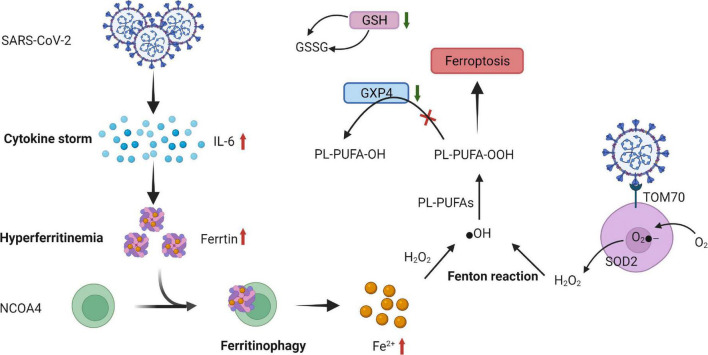
Viral myocarditis is an acute inflammatory disease of the myocardium. Although many etiopathogenic factors exist, coxsackievirus B3 is a the leading cause of viral myocarditis. Abnormal cardiomyocyte death is the underlying problem for most cardiovascular diseases and fatalities. Various types of cell death occur and are regulated to varying degrees. In this review, we discuss the different cell death mechanisms in viral myocarditis and the potential interactions between them. We also explore the role and mechanism of cardiomyocyte death with severe acute respiratory syndrome coronavirus 2 (SARS-CoV-2) infection. Exploring the mechanisms may help in the early identification and the development of effective treatments, thus improving the quality of life of patients with viral myocarditis. We believe that the inhibition of cardiomyocyte death has immense therapeutic potential in increasing the longevity and health of the heart.
病毒性心肌炎是一种心肌的急性炎症性疾病。尽管存在多种致病因素,但柯萨奇病毒B3是病毒性心肌炎的主要病因。心肌细胞异常死亡是大多数心血管疾病和死亡的根本问题。各种类型的细胞死亡都会发生,并且受到不同程度的调控。在本综述中,我们讨论了病毒性心肌炎中不同的细胞死亡机制以及它们之间潜在的相互作用。我们还探讨了严重急性呼吸综合征冠状病毒2(SARS-CoV-2)感染导致心肌细胞死亡的作用和机制。探索这些机制可能有助于早期识别和开发有效的治疗方法,从而改善病毒性心肌炎患者的生活质量。我们相信,抑制心肌细胞死亡在延长心脏寿命和改善心脏健康方面具有巨大的治疗潜力。