Department of Biotechnology, University of Verona, Verona, Italy.
Department of Biomedicine and Prevention, Medical Genetics Section, University of Rome Tor Vergata, Rome, Italy.
Elife. 2022 Aug 26;11:e80229. doi: 10.7554/eLife.80229.
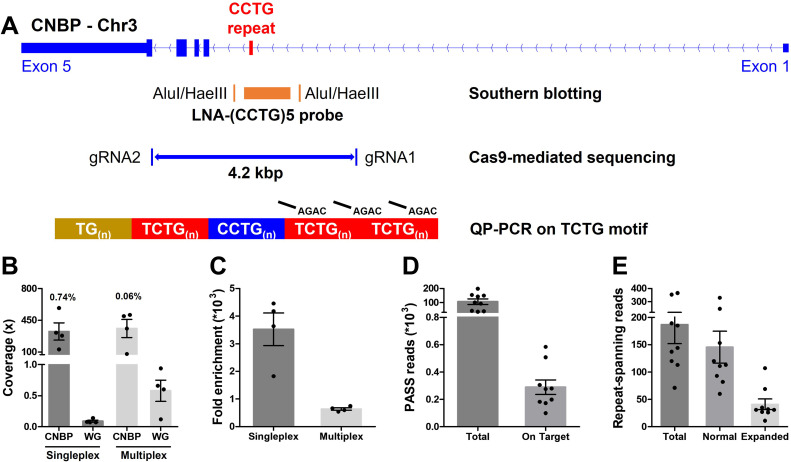
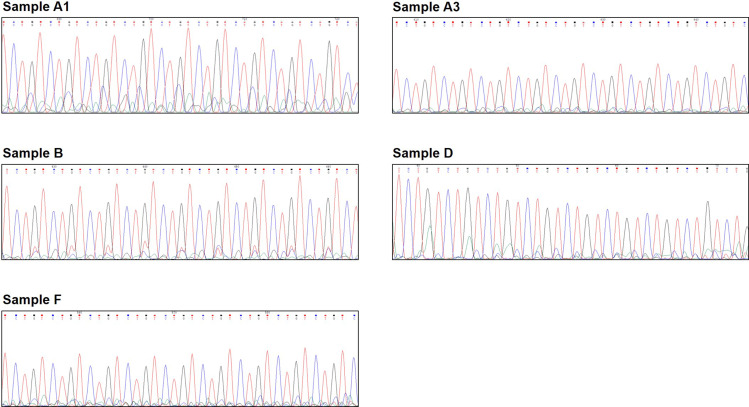
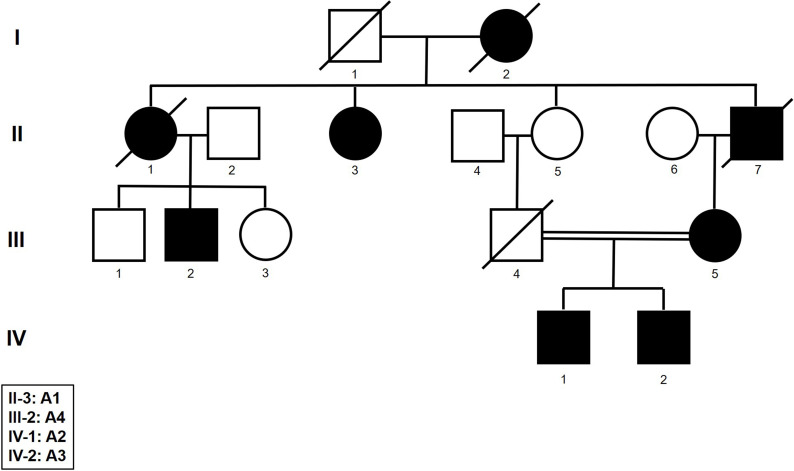
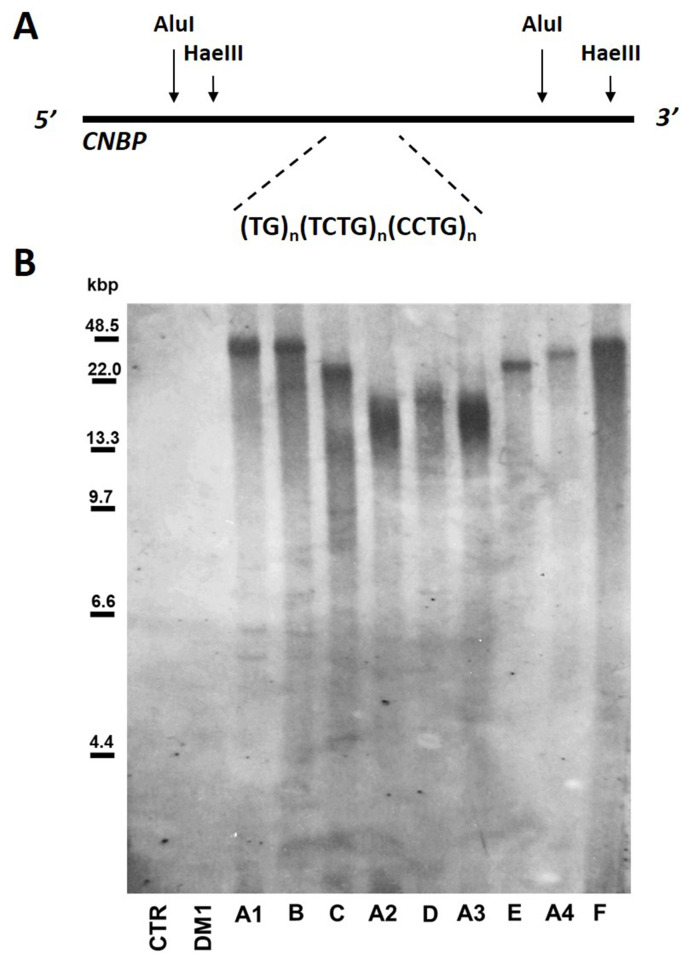
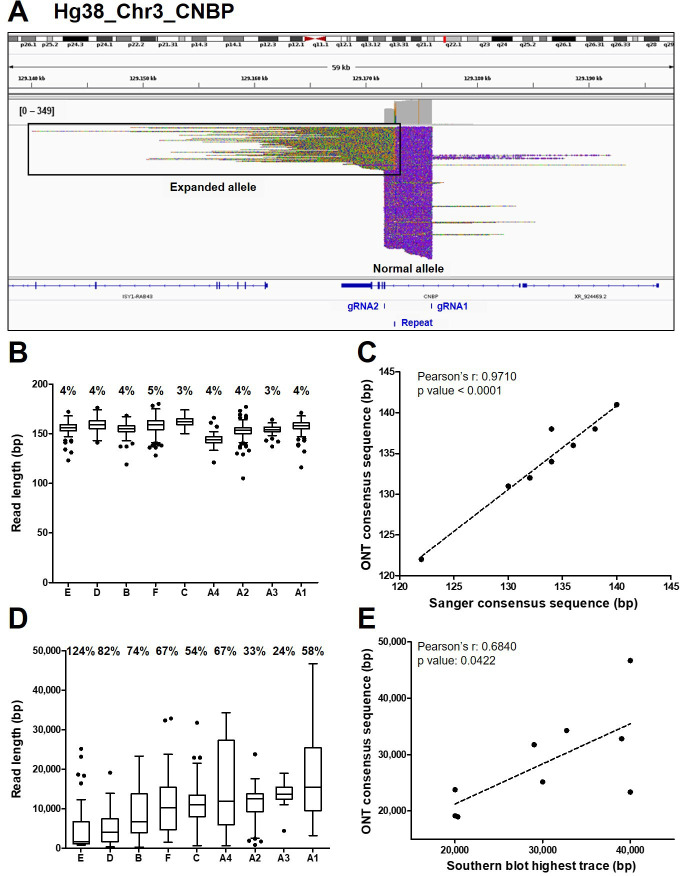
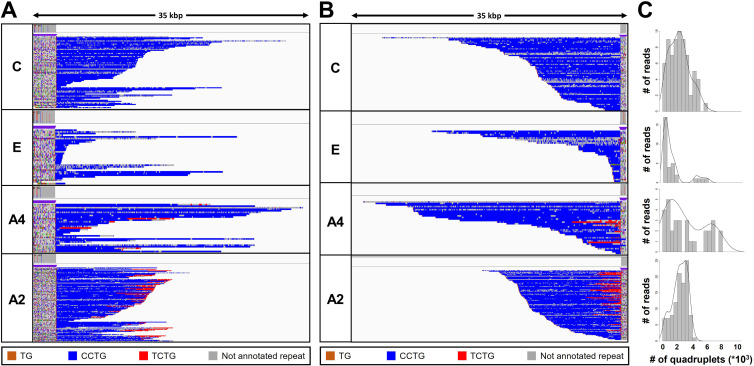
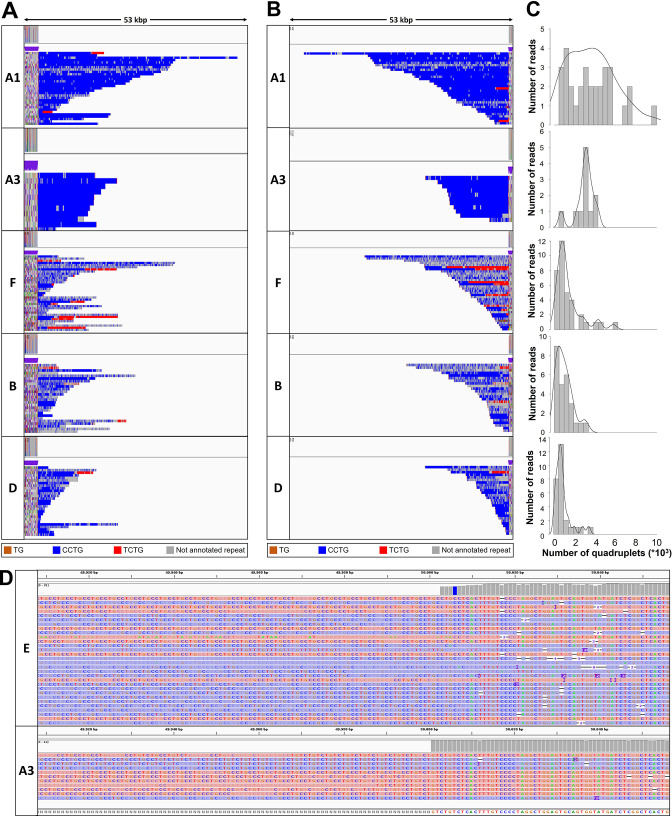
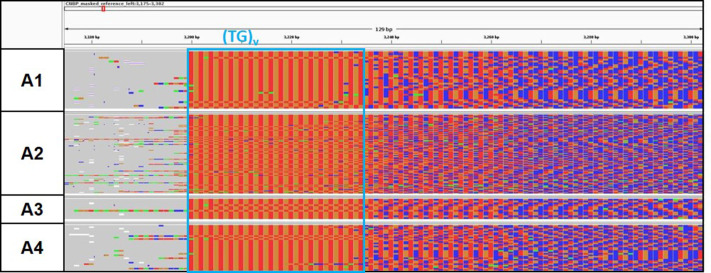
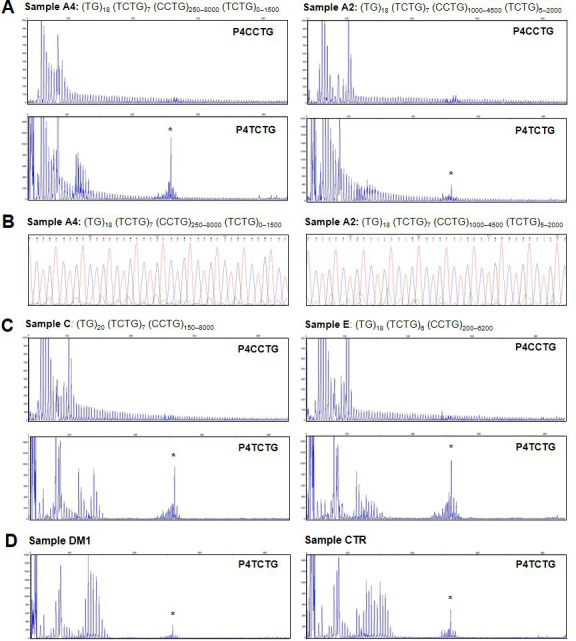
Myotonic dystrophy type 2 (DM2) is caused by CCTG repeat expansions in the gene, comprising 75 to >11,000 units and featuring extensive mosaicism, making it challenging to sequence fully expanded alleles. To overcome these limitations, we used PCR-free Cas9-mediated nanopore sequencing to characterize repeat expansions at the single-nucleotide level in nine DM2 patients. The length of normal and expanded alleles can be assessed precisely using this strategy, agreeing with traditional methods, and revealing the degree of mosaicism. We also sequenced an entire ~50 kbp expansion, which has not been achieved previously for DM2 or any other repeat-expansion disorders. Our approach precisely counted the repeats and identified the repeat pattern for both short interrupted and uninterrupted alleles. Interestingly, in the expanded alleles, only two DM2 samples featured the expected pure CCTG repeat pattern, while the other seven presented also TCTG blocks at the 3' end, which have not been reported before in DM2 patients, but confirmed hereby with orthogonal methods. The demonstrated approach simultaneously determines repeat length, structure/motif, and the extent of somatic mosaicism, promising to improve the molecular diagnosis of DM2 and achieve more accurate genotype-phenotype correlations for the better stratification of DM2 patients in clinical trials.
肌强直性营养不良 2 型(DM2)是由 CCTG 重复扩展引起的,包含 75 到> 11000 个单位,具有广泛的镶嵌现象,使得完全测序扩展等位基因具有挑战性。为了克服这些限制,我们使用无 PCR Cas9 介导的纳米孔测序技术,在九名 DM2 患者中以单核苷酸水平对重复扩展进行特征描述。使用这种策略可以精确评估正常和扩展等位基因的长度,与传统方法一致,并揭示镶嵌程度。我们还对整个约 50 kbp 的扩展进行了测序,这在 DM2 或任何其他重复扩展疾病中以前都没有实现过。我们的方法精确地计数了重复次数,并确定了短中断和不中断等位基因的重复模式。有趣的是,在扩展等位基因中,只有两个 DM2 样本具有预期的纯 CCTG 重复模式,而其他七个样本在 3'端还具有 TCTG 块,这在 DM2 患者中以前没有报道过,但在此通过正交方法得到证实。所展示的方法同时确定重复长度、结构/基序和体细胞镶嵌程度,有望改善 DM2 的分子诊断,并实现更准确的基因型-表型相关性,以便更好地对临床试验中的 DM2 患者进行分层。