Department of Chemistry, University of Garmian, Kalar, Kurdistan Region, Iraq.
Department of Biology, College of Education, Head of International Academic Relations (IRO) University of Garmian, Kalar, Kurdistan Region, Iraq.
J Med Virol. 2022 Dec;94(12):5867-5876. doi: 10.1002/jmv.28098. Epub 2022 Sep 9.
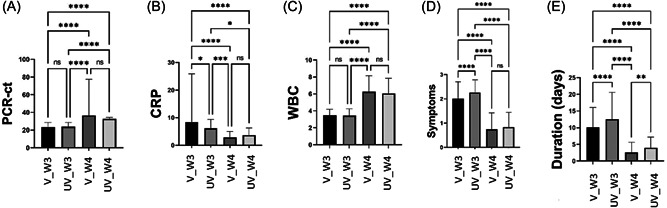
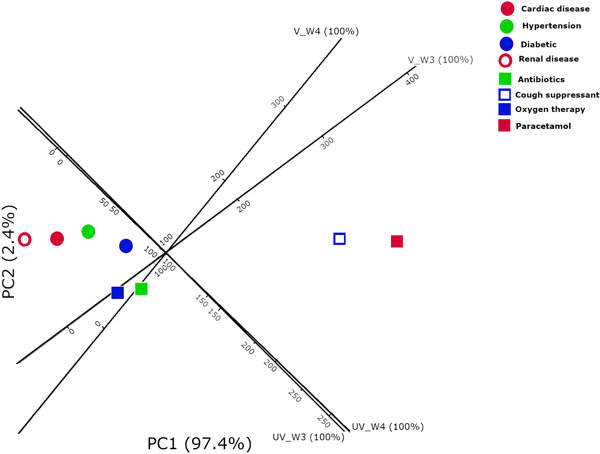
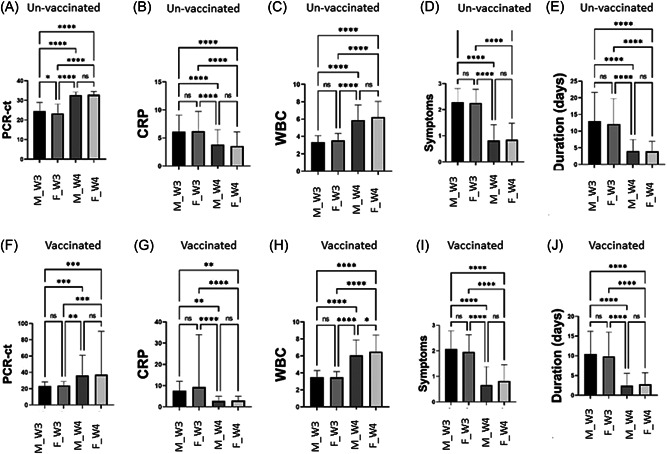
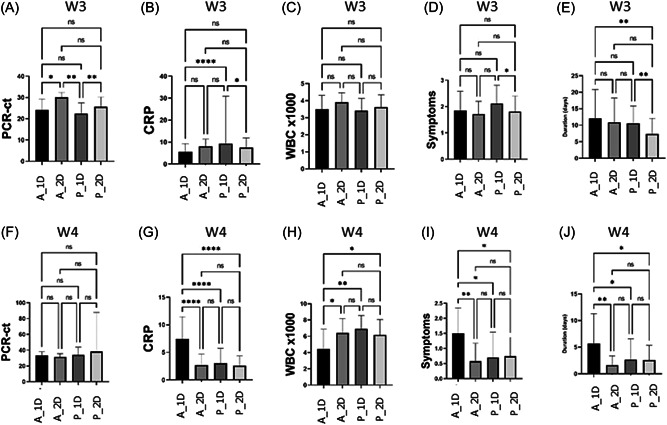
From March 2021, various countries including Iraq issued prompted recommendations for increased COVID-19 vaccine protection in individuals especially those at risk of catching the virus (i.e., lifestyle, health sector workers, and chronic diseases). It is critically important to understand the impact of COVID-19 vaccinations with the most commonly used vaccines (Pfizer and AstraZeneca) among populations either on the severity of the disease or the transmissibility of SARS-CoV-2 variants of concern (VOCs) and in sequential waves. This study was conducted to establish the clinical severity of COVID-19 caused by Delta and Omicron SARS-CoV-2 variants among patients who either attended or were admitted to hospitals and to compare the effectiveness of Pfizer and AstraZeneca COVID-19 vaccines (single or double doses) at least to prevent hospitalizations if not eradicating the pandemic. A case-control study was done of 570 hospitalized patients; including 328 COVID-19 confirmed patients (166 males, 160 females) who received homologous vaccinations and 242 unvaccinated patients (128 males, 114 females) during the studied waves. The study showed that unvaccinated COVID-19 patients in both waves had expressed significantly a higher number and longer periods of symptoms than vaccinated ones. Additionally, there was no significant effect of vaccine types, Pfizer and AstraZeneca or vaccine shot numbers on the PCR-Ct in the last (Omicron) wave of the pandemic. However, in the previous (Delta) wave of the pandemic, fully vaccinated (double doses) COVID-19 patients had higher PCR-Ct values. Whether among vaccinated or unvaccinated patients, lower CRP levels recorded during the Omicron wave than that of the Delta wave, and regardless of the vaccine type or shot numbers, there were no significant differences between the two waves. Lower WBCs were observed in patients (vaccinated and unvaccinated) infected with the Delta variant in comparison to those infected with the Omicron variant and without any remarkable effect of the vaccine type or shot numbers. This is the first molecular and investigational study of the Delta variant and circulated Omicron in Iraq, regarding the severity of these two waves of SARS-CoV-2 pandemic and the efficacy of homologous vaccination, indicating the insufficiency of two doses and the demand for booster dose(s) as the most effective way of keeping on the safe-side against SARS-CoV-2.
自 2021 年 3 月以来,包括伊拉克在内的多个国家发布了有关增加 COVID-19 疫苗对个体保护的提示性建议,特别是对那些有感染病毒风险的人群(即生活方式、卫生部门工作人员和慢性病患者)。了解 COVID-19 疫苗(辉瑞和阿斯利康)在人群中的接种效果非常重要,这些人群要么处于疾病的严重程度,要么处于关注的 SARS-CoV-2 变体(VOCs)的传染性和连续波。本研究旨在确定接受或住院治疗的患者中,Delta 和 Omicron SARS-CoV-2 变体引起的 COVID-19 的临床严重程度,并比较辉瑞和阿斯利康 COVID-19 疫苗(单剂或双剂)的有效性,至少在不消除大流行的情况下预防住院。对 570 名住院患者进行了病例对照研究;包括在研究波次中接受同源疫苗接种的 328 例 COVID-19 确诊患者(男性 166 例,女性 160 例)和 242 例未接种疫苗患者(男性 128 例,女性 114 例)。研究表明,在两个波次中,未接种疫苗的 COVID-19 患者的症状数量和持续时间明显高于接种疫苗的患者。此外,在大流行的最后一个(Omicron)波次中,疫苗类型、辉瑞和阿斯利康或疫苗接种次数对 PCR-Ct 没有显著影响。然而,在前一个(Delta)波次中,完全接种(双剂量)的 COVID-19 患者的 PCR-Ct 值更高。无论是在接种疫苗还是未接种疫苗的患者中,Omicron 波次的 CRP 水平均低于 Delta 波次,且与疫苗类型或接种次数无关,两个波次之间没有显著差异。与感染 Omicron 变体的患者相比,感染 Delta 变体的患者的白细胞计数(WBC)更低,且疫苗类型或接种次数无明显影响。这是针对伊拉克的 Delta 变体和循环 Omicron 变体的第一个分子和研究性研究,涉及这两种 SARS-CoV-2 大流行波次的严重程度和同源疫苗接种的效果,表明两剂剂量不足,需要加强剂量作为预防 SARS-CoV-2 的最有效方法。