PhyMedExp, Université de Montpellier, INSERM, CNRS, Montpellier, France.
Imaging Core Facility, Biocenter, University of Würzburg, Am Hubland, 97074, Würzburg, Germany.
Redox Biol. 2022 Oct;56:102450. doi: 10.1016/j.redox.2022.102450. Epub 2022 Aug 22.
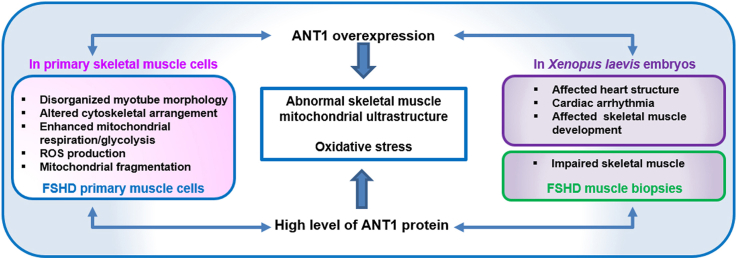
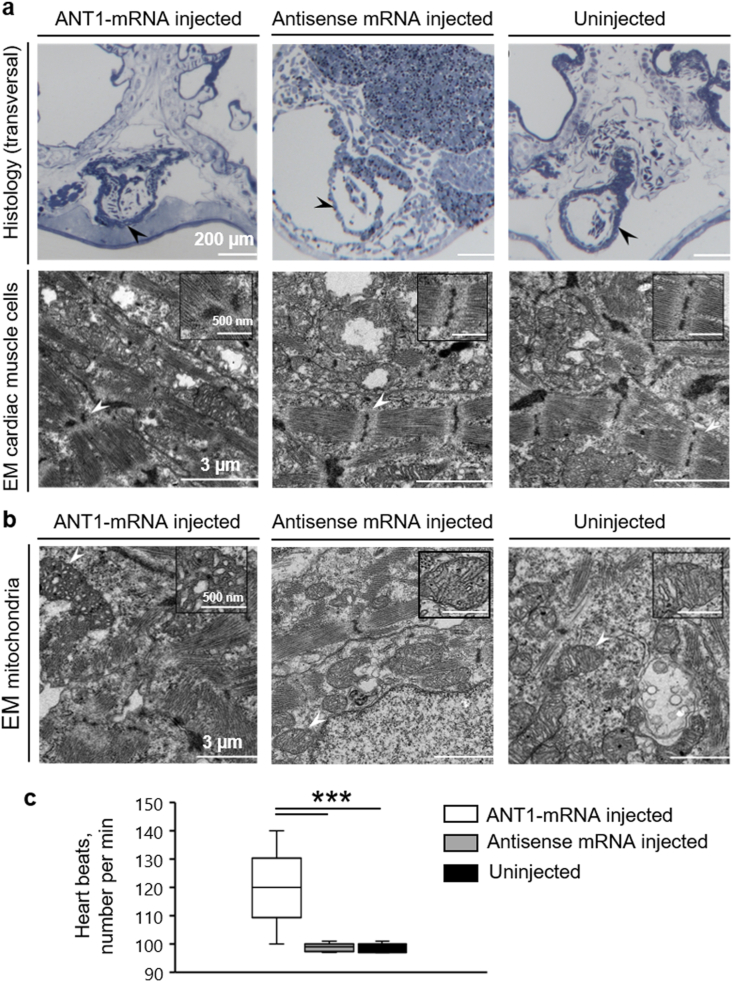
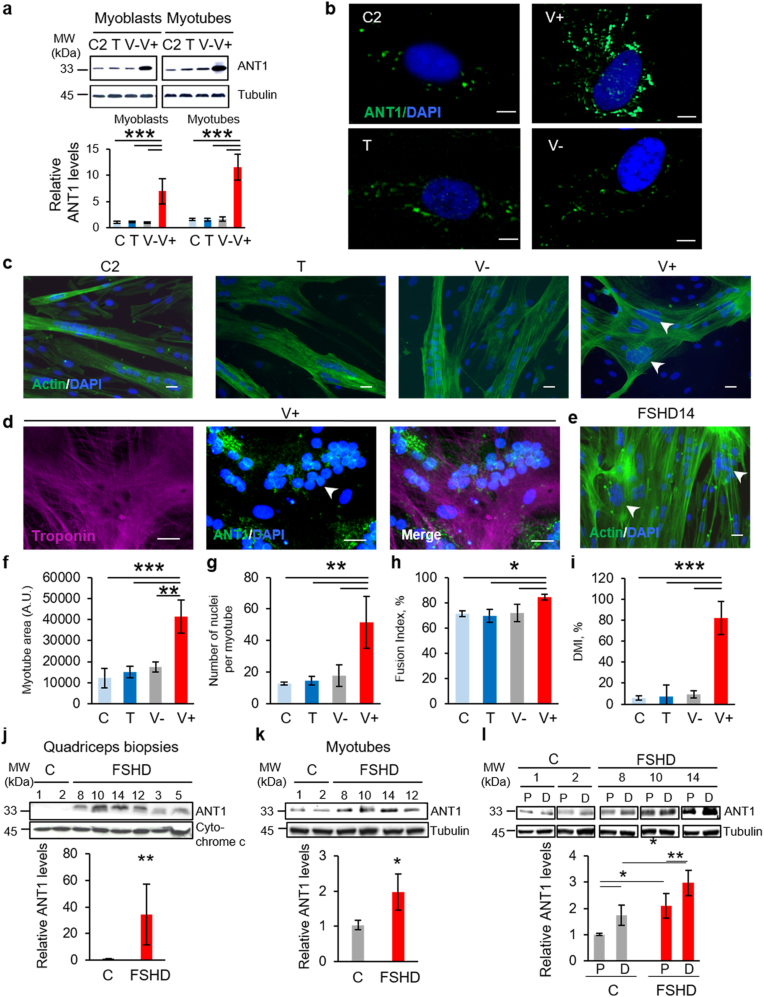
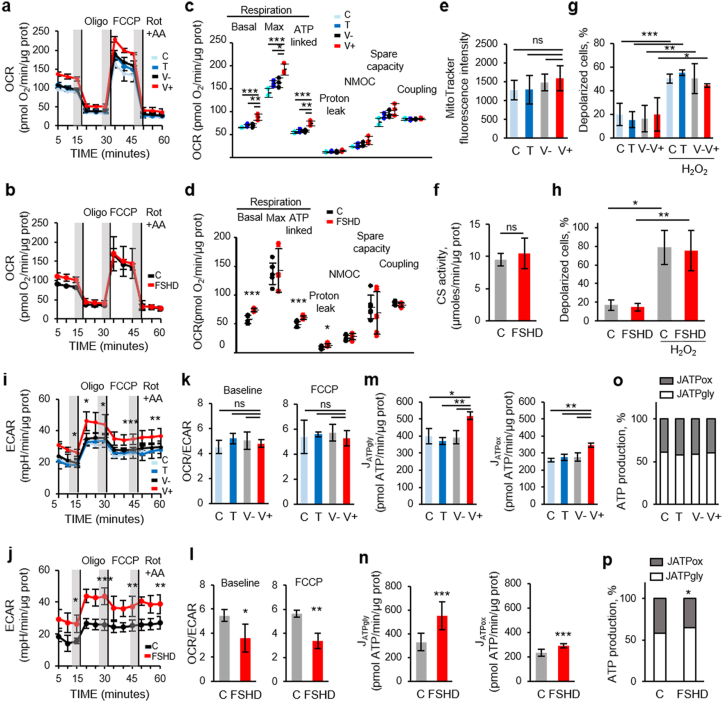
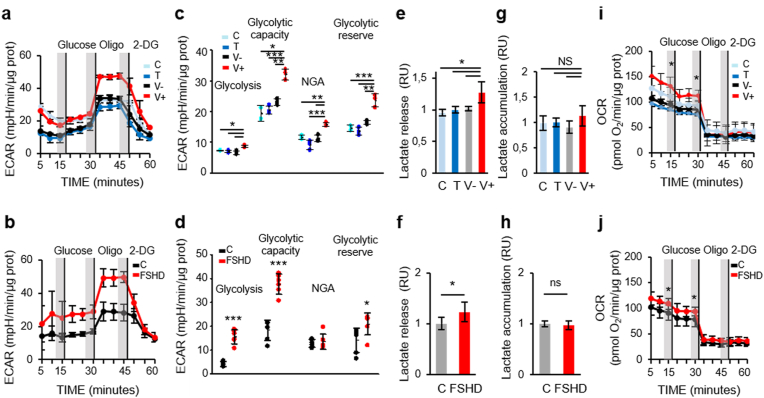
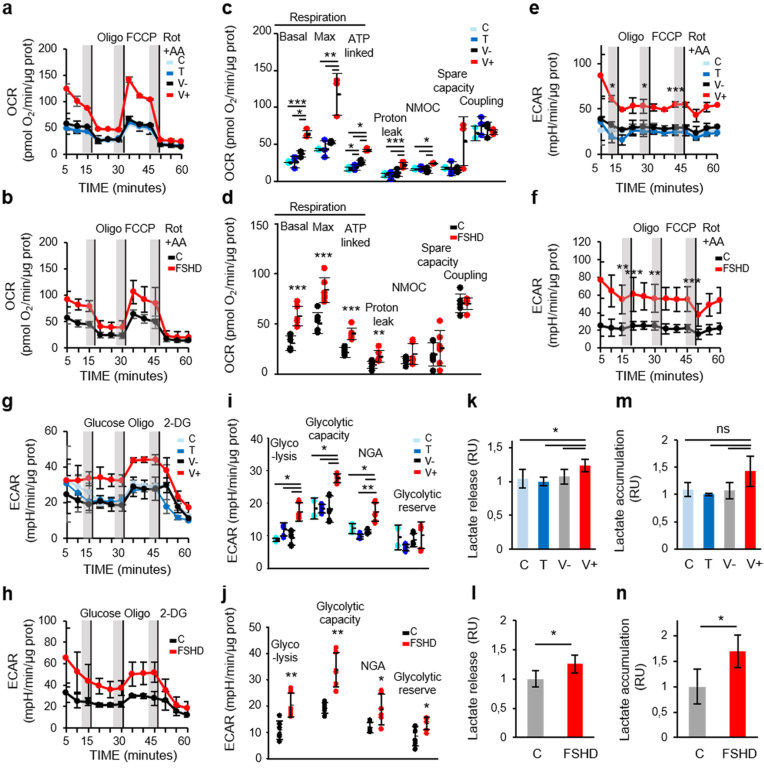
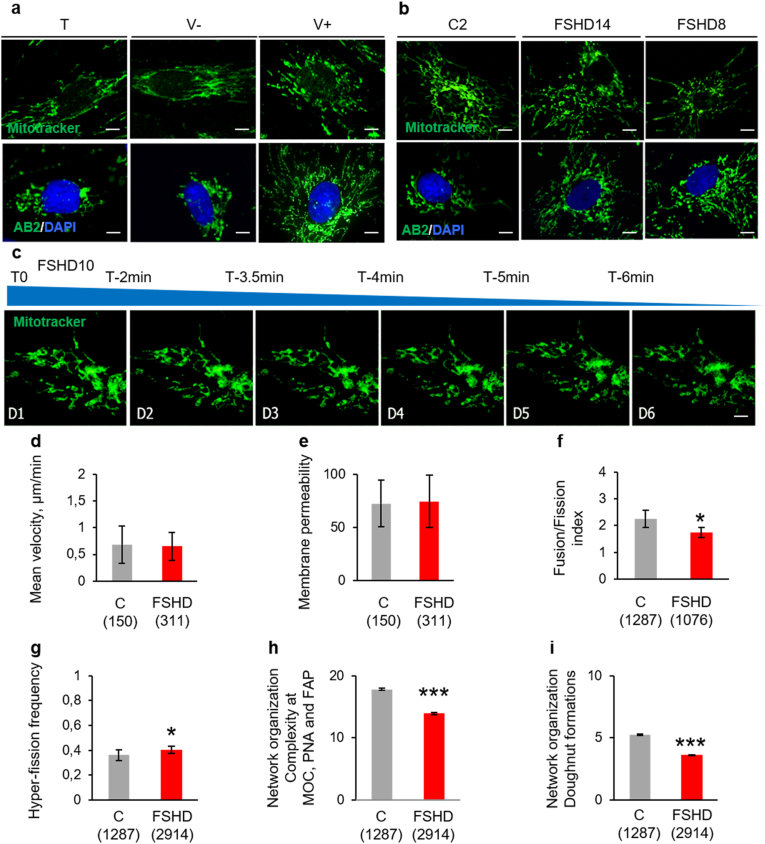
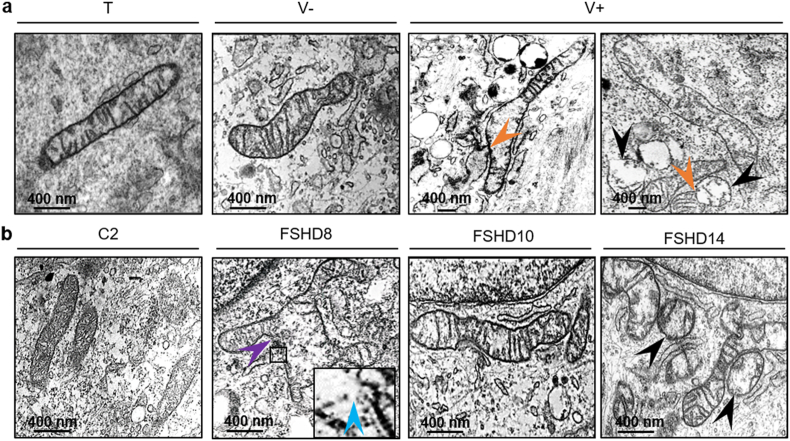
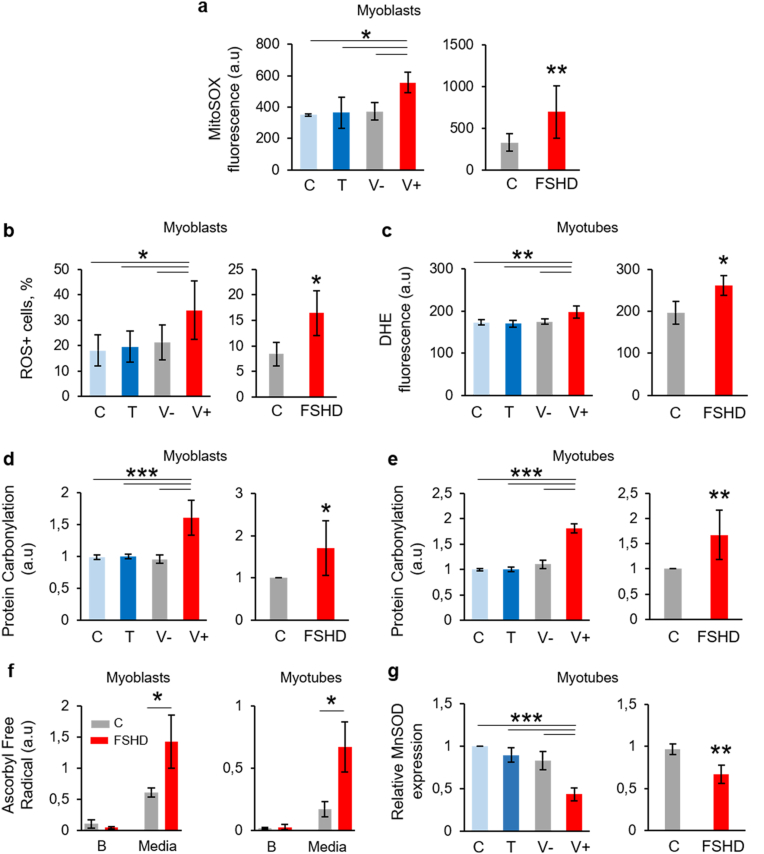
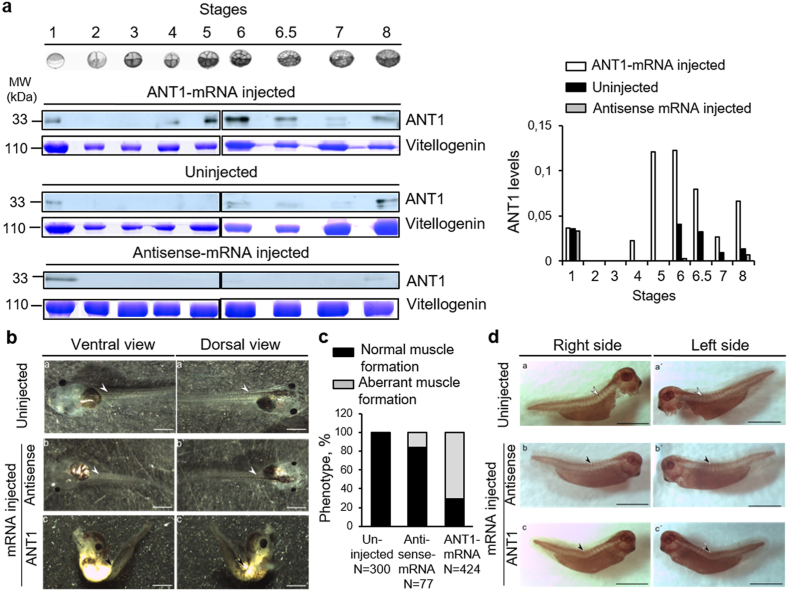
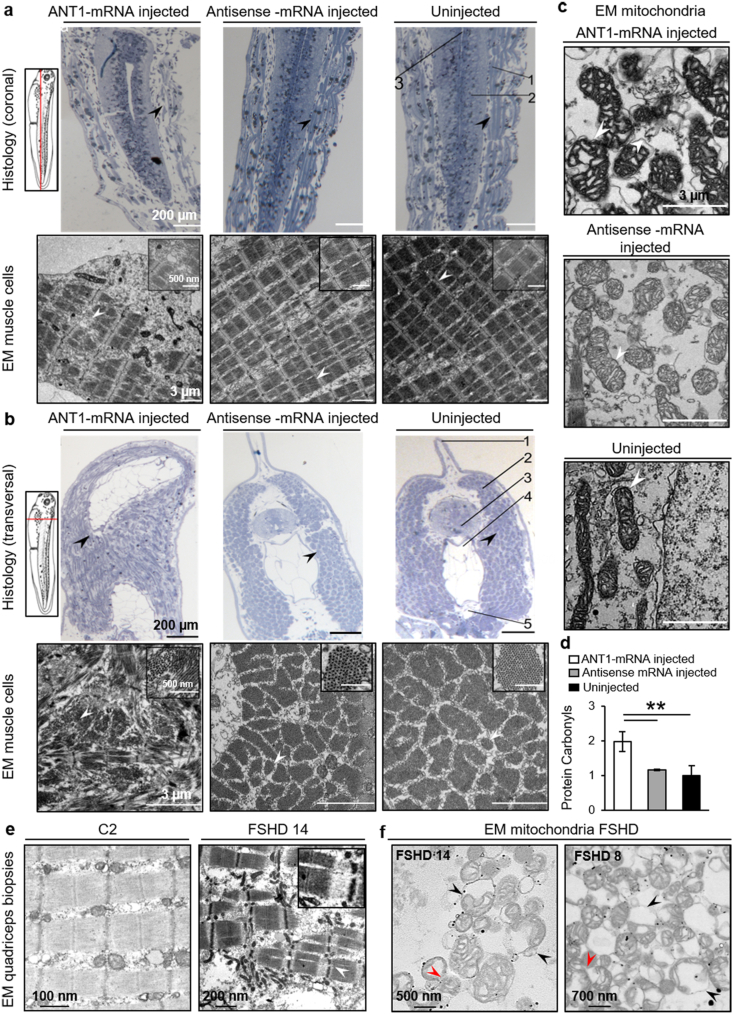
Facioscapulohumeral muscular dystrophy (FSHD) is an autosomal dominant disorder characterized by progressive muscle weakness. Adenine nucleotide translocator 1 (ANT1), the only 4q35 gene involved in mitochondrial function, is strongly expressed in FSHD skeletal muscle biopsies. However, its role in FSHD is unclear. In this study, we evaluated ANT1 overexpression effects in primary myoblasts from healthy controls and during Xenopus laevis organogenesis. We also compared ANT1 overexpression effects with the phenotype of FSHD muscle cells and biopsies. Here, we report that the ANT1 overexpression-induced phenotype presents some similarities with FSHD muscle cells and biopsies. ANT1-overexpressing muscle cells showed disorganized morphology, altered cytoskeletal arrangement, enhanced mitochondrial respiration/glycolysis, ROS production, oxidative stress, mitochondrial fragmentation and ultrastructure alteration, as observed in FSHD muscle cells. ANT1 overexpression in Xenopus laevis embryos affected skeletal muscle development, impaired skeletal muscle, altered mitochondrial ultrastructure and led to oxidative stress as observed in FSHD muscle biopsies. Moreover, ANT1 overexpression in X. laevis embryos affected heart structure and mitochondrial ultrastructure leading to cardiac arrhythmia, as described in some patients with FSHD. Overall our data suggest that ANT1 could contribute to mitochondria dysfunction and oxidative stress in FSHD muscle cells by modifying their bioenergetic profile associated with ROS production. Such interplay between energy metabolism and ROS production in FSHD will be of significant interest for future prospects.
面肩肱型肌营养不良症(FSHD)是一种常染色体显性遗传病,其特征是进行性肌肉无力。腺嘌呤核苷酸转运蛋白 1(ANT1)是唯一涉及线粒体功能的 4q35 基因,在 FSHD 骨骼肌活检中强烈表达。然而,其在 FSHD 中的作用尚不清楚。在这项研究中,我们评估了 ANT1 在健康对照者的原代成肌细胞中的过表达效应,以及在非洲爪蟾器官发生过程中的过表达效应。我们还比较了 ANT1 过表达效应与 FSHD 肌肉细胞和活检的表型。在这里,我们报告 ANT1 过表达诱导的表型与 FSHD 肌肉细胞和活检具有一些相似之处。ANT1 过表达的肌肉细胞表现出形态紊乱、细胞骨架排列改变、增强的线粒体呼吸/糖酵解、ROS 产生、氧化应激、线粒体碎片化和超微结构改变,这些与 FSHD 肌肉细胞相似。ANT1 在非洲爪蟾胚胎中的过表达影响骨骼肌发育,损害骨骼肌,改变线粒体超微结构,并导致氧化应激,类似于 FSHD 肌肉活检。此外,ANT1 在非洲爪蟾胚胎中的过表达影响心脏结构和线粒体超微结构,导致心律失常,如一些 FSHD 患者所述。总的来说,我们的数据表明,ANT1 通过改变与 ROS 产生相关的生物能量谱,可以导致 FSHD 肌肉细胞中线粒体功能障碍和氧化应激。FSHD 中能量代谢和 ROS 产生之间的这种相互作用将是未来研究的重要关注点。