Bhidayasiri Roongroj, Phuenpathom Warongporn, Tan Ai Huey, Leta Valentina, Phumphid Saisamorn, Chaudhuri K Ray, Pal Pramod Kumar
Chulalongkorn Centre of Excellence for Parkinson's Disease and Related Disorders, Department of Medicine, Faculty of Medicine, Chulalongkorn University, King Chulalongkorn Memorial Hospital, Thai Red Cross Society, Bangkok, Thailand.
Academy of Science, Royal Society of Thailand, Bangkok, Thailand.
Front Aging Neurosci. 2022 Aug 11;14:979826. doi: 10.3389/fnagi.2022.979826. eCollection 2022.
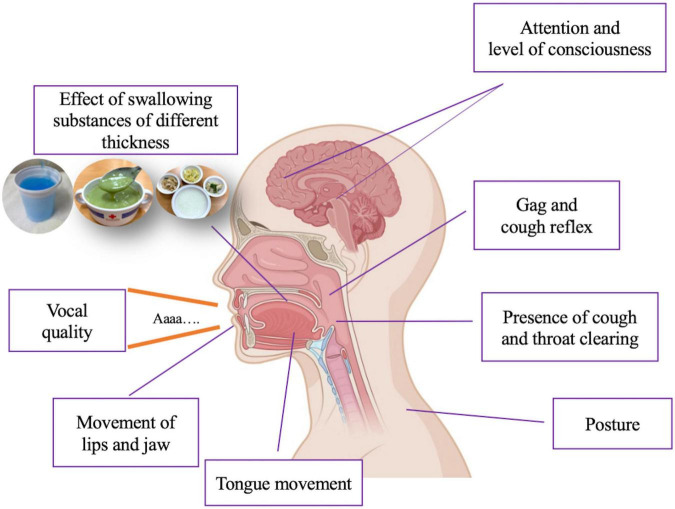
Gastrointestinal (GI) issues are commonly experienced by patients with Parkinson's disease (PD). Those that affect the lower GI tract, such as constipation, are the most frequently reported GI problems among patients with PD. Upper GI issues, such as swallowing dysfunction (dysphagia) and delayed gastric emptying (gastroparesis), are also common in PD but are less well recognized by both patients and clinicians and, therefore, often overlooked. These GI issues may also be perceived by the healthcare team as less of a priority than management of PD motor symptoms. However, if left untreated, both dysphagia and gastroparesis can have a significant impact on the quality of life of patients with PD and on the effectiveness on oral PD medications, with negative consequences for motor control. Holistic management of PD should therefore include timely and effective management of upper GI issues by utilizing both non-pharmacological and pharmacological approaches. This dual approach is key as many pharmacological strategies have limited efficacy in this setting, so non-pharmacological approaches are often the best option. Although a multidisciplinary approach to the management of GI issues in PD is ideal, resource constraints may mean this is not always feasible. In 'real-world' practice, neurologists and PD care teams often need to make initial assessments and treatment or referral recommendations for their patients with PD who are experiencing these problems. To provide guidance in these cases, this article reviews the published evidence for diagnostic and therapeutic management of dysphagia and gastroparesis, including recommendations for timely and appropriate referral to GI specialists when needed and guidance on the development of an effective management plan.
帕金森病(PD)患者常出现胃肠道(GI)问题。那些影响下消化道的问题,如便秘,是PD患者中最常报告的GI问题。上消化道问题,如吞咽功能障碍(吞咽困难)和胃排空延迟(胃轻瘫),在PD中也很常见,但患者和临床医生对此认识不足,因此常常被忽视。与PD运动症状的管理相比,医疗团队可能也认为这些GI问题不那么重要。然而,如果不进行治疗,吞咽困难和胃轻瘫都会对PD患者的生活质量以及口服PD药物的疗效产生重大影响,进而对运动控制产生负面影响。因此,PD的整体管理应包括通过采用非药物和药物方法及时有效地管理上消化道问题。这种双重方法很关键,因为许多药物策略在这种情况下疗效有限,所以非药物方法往往是最佳选择。虽然采用多学科方法管理PD患者的GI问题是理想的,但资源限制可能意味着这并不总是可行的。在“现实世界”的实践中,神经科医生和PD护理团队经常需要对出现这些问题的PD患者进行初步评估,并做出治疗或转诊建议。为了在这些情况下提供指导,本文回顾了关于吞咽困难和胃轻瘫诊断与治疗管理的已发表证据,包括在需要时及时、适当地转诊至胃肠专科医生的建议以及制定有效管理计划的指导。