Zhang Xiu-Xia, Luo Jun-Hua, Wu Li-Qiang
Department of Thyroid and Breast Surgery, Linping Campus, The Second Affiliated Hospital of Zhejiang University School of Medicine, Hangzhou, Zhejiang, China.
Department of Hematology, Zhejiang Provincial Hospital of Chinese Medicine, Hangzhou, Zhejiang, China.
Front Genet. 2022 Aug 12;13:913659. doi: 10.3389/fgene.2022.913659. eCollection 2022.
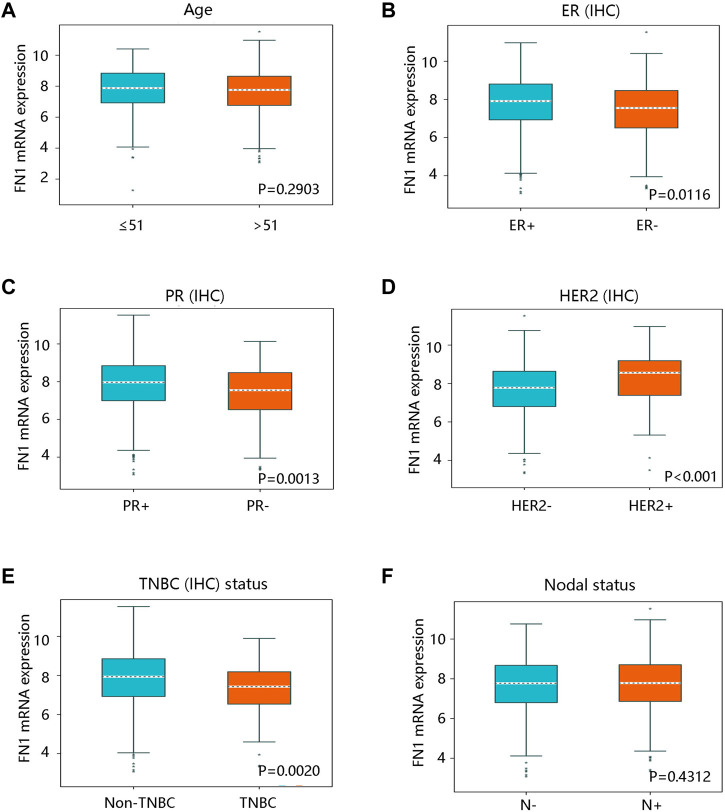
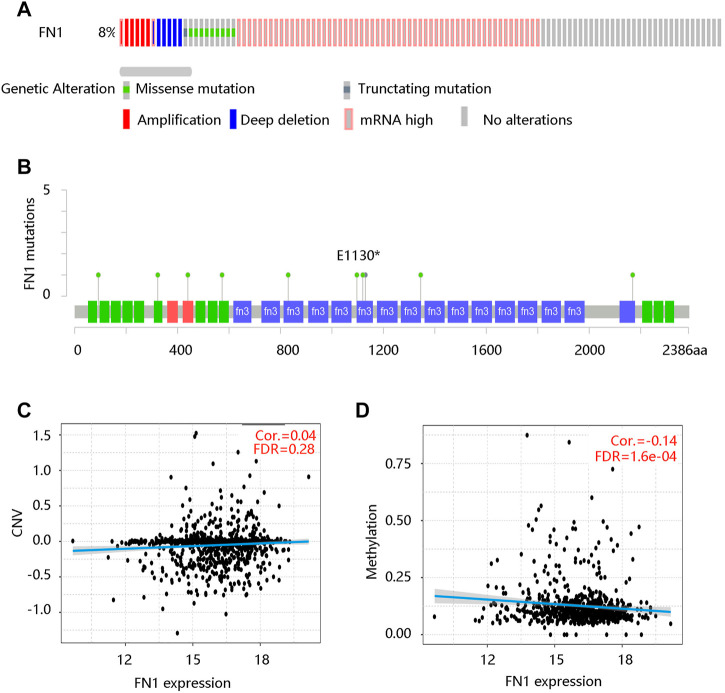
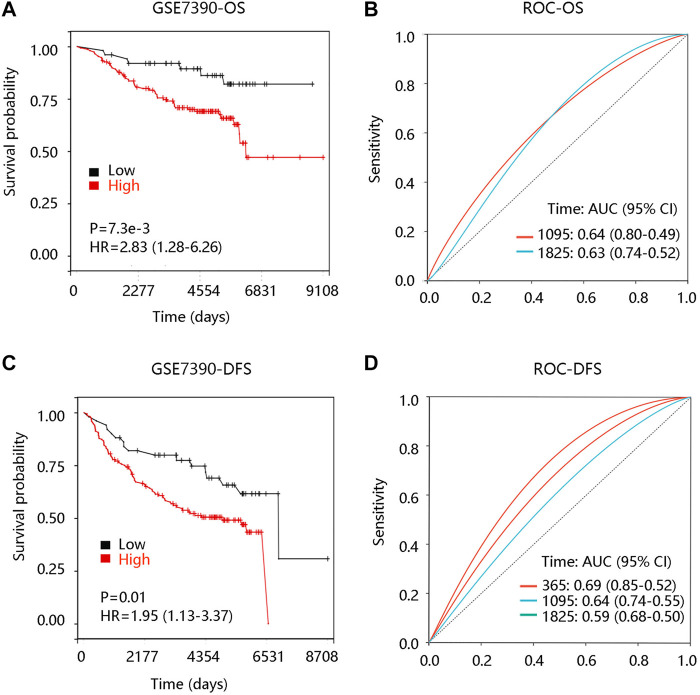
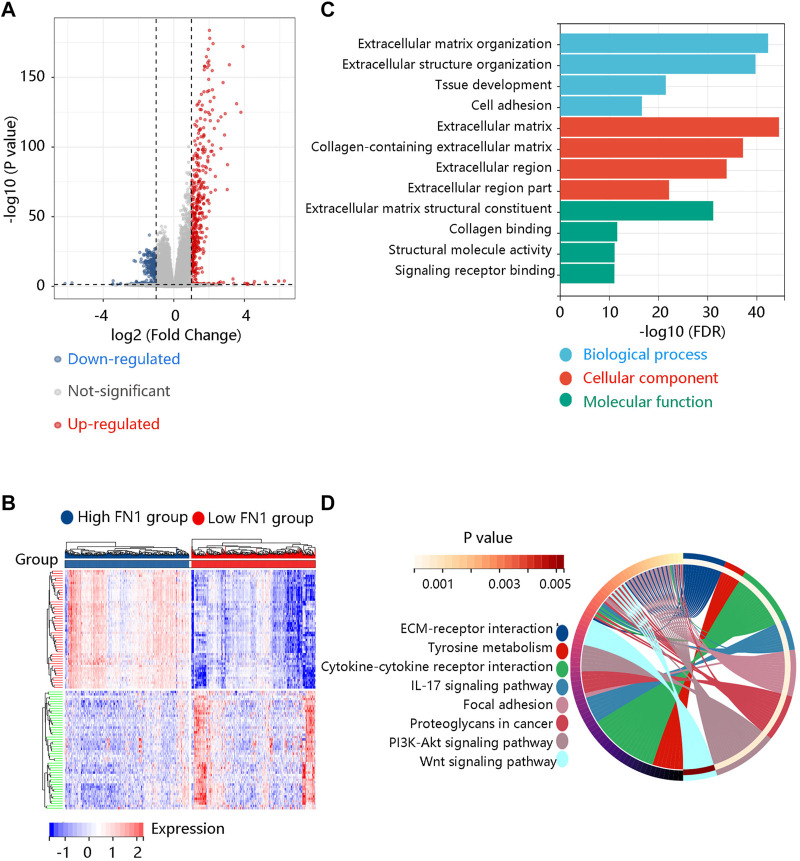
To investigate the correlation of fibronectin 1 (FN1) expression with prognosis and tumor-infiltrating immune cells in breast cancer (BRCA). FN1 mRNA and protein expressions were analyzed through Tumor Immune Estimation Resource (TIMER), Gene Set Cancer Analysis (GSCA), Human Protein Atlas (HPA) databases, and immunohistochemical analysis. The clinicopathological characteristics and genetic factors affecting the FN1 mRNA expression were assessed by various public databases. Then, we analyzed the prognostic value of FN1 in BRCA by Kaplan-Meier plotter, receiver operating characteristic, and Cox regression analyses. Further, the UCSC Xena database was used to retrieve TCGA-BRCA expression profiles for functional enrichment analysis and immune cell infiltration analysis. The potential drugs for the BRCA patients with high- FN1 expression were identified using the connectivity map analysis. FN1 was upregulated in BRCA tissues compared with normal tissues. High FN1 mRNA expression was correlated with poor clinical outcomes and had good performance in predicting the survival status of BRCA patients. Further, Cox regression analysis showed that FN1 was an independent prognostic factor for predicting the overall survival of patients with BRCA. Moreover, hypermethylation of FN1 contributed to a better prognosis for BRCA patients. Functional enrichment analyses revealed the ECM-receptor interaction pathway and focal adhesion as the common pathways. Moreover, FN1 showed a significant association with tumor-infiltrating immune cells and immune checkpoint inhibitors. Several drugs such as telmisartan, malotilate, and seocalcitol may have therapeutic effects in BRCA patients with high FN1 expression. FN1 might serve as a novel prognostic biomarker and a novel therapeutic target for BRCA. Besides, the association of FN1 with immune cells and immune checkpoint inhibitors may provide assistance for BRCA treatment.
研究纤连蛋白1(FN1)表达与乳腺癌(BRCA)预后及肿瘤浸润免疫细胞的相关性。通过肿瘤免疫评估资源(TIMER)、基因集癌症分析(GSCA)、人类蛋白质图谱(HPA)数据库以及免疫组织化学分析,对FN1的mRNA和蛋白表达进行分析。利用各种公共数据库评估影响FN1 mRNA表达的临床病理特征和遗传因素。然后,通过Kaplan-Meier绘图仪、受试者工作特征曲线和Cox回归分析,分析FN1在BRCA中的预后价值。此外,使用加州大学圣克鲁兹分校(UCSC)的Xena数据库检索TCGA-BRCA表达谱,进行功能富集分析和免疫细胞浸润分析。通过连通性图谱分析,确定了FN1高表达的BRCA患者的潜在药物。与正常组织相比,BRCA组织中FN1表达上调。FN1 mRNA高表达与不良临床结局相关,在预测BRCA患者生存状态方面表现良好。此外,Cox回归分析表明,FN1是预测BRCA患者总生存的独立预后因素。而且,FN1的高甲基化有助于BRCA患者获得更好的预后。功能富集分析揭示细胞外基质-受体相互作用途径和粘着斑是常见途径。此外,FN1与肿瘤浸润免疫细胞和免疫检查点抑制剂显著相关。替米沙坦、马洛替酯和司骨化醇等几种药物可能对FN1高表达的BRCA患者有治疗作用。FN1可能成为BRCA的一种新型预后生物标志物和新型治疗靶点。此外,FN1与免疫细胞及免疫检查点抑制剂的关联可能为BRCA治疗提供帮助。