Cognitive Psychology Laboratory, Department of Psychology, Babeș-Bolyai University, Cluj-Napoca, Romania.
Department of Socio-Human Research, Romanian Academy, Cluj-Napoca Branch, Cluj-Napoca, Romania.
Psychol Res. 2023 Jun;87(4):1057-1074. doi: 10.1007/s00426-022-01709-4. Epub 2022 Aug 29.
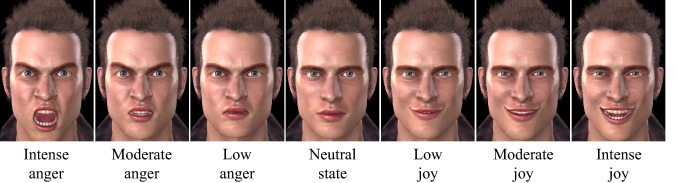
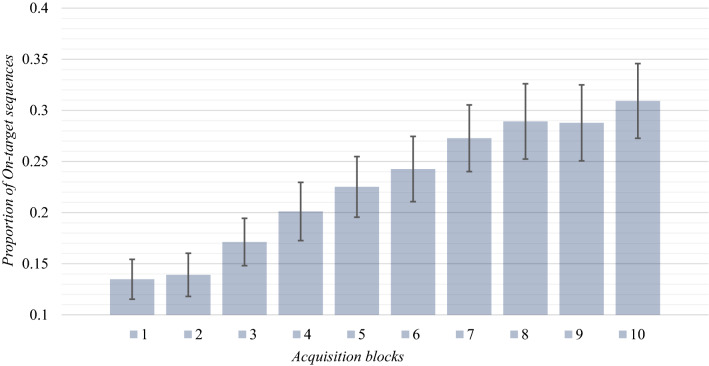
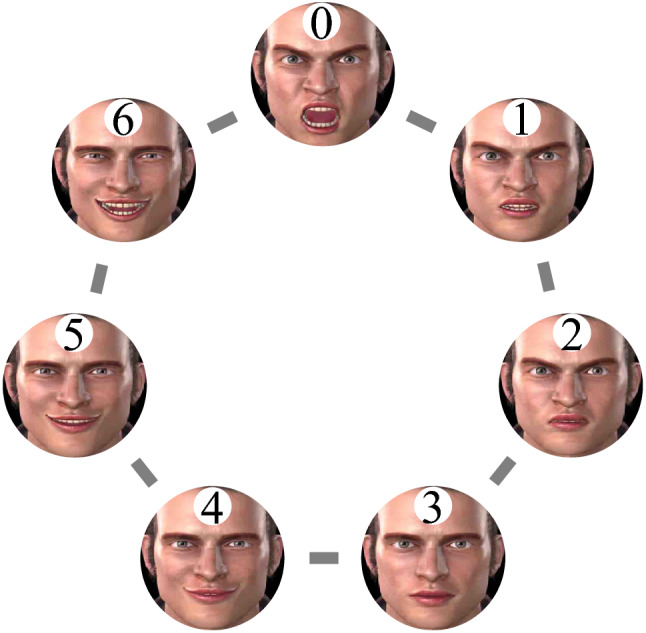
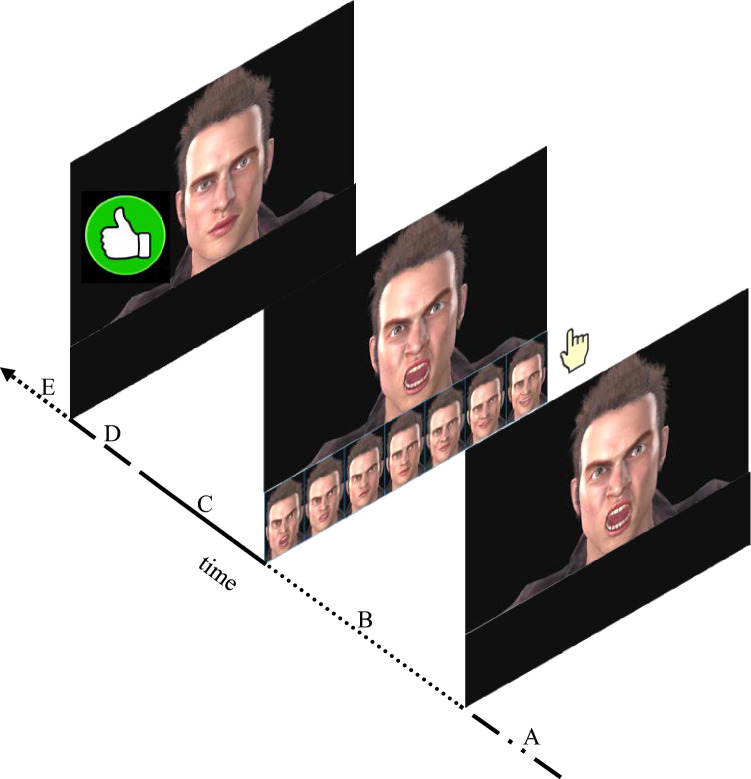
Implicit learning (IL) deals with the non-conscious acquisition of structural regularities from the environment. IL is often deemed essential for acquiring regularities followed by social stimuli (e.g., other persons' behavior), hence is hypothesized to play a role in typical social functioning. However, our understanding of how this process might operate in social contexts is limited for two main reasons. First, while IL is highly sensitive to the characteristics of the surface stimuli upon which it operates, most IL studies have used surface stimuli with limited social validity (e.g., letters, symbols, etc.). Second, while the social environment is dynamic (i.e., our behaviors and reactions influence those of our social partners and vice-versa), the bulk of IL research employed noninteractive paradigms. Using a novel task, we examine whether IL is involved in the acquisition of regularities from a dynamic interaction with a realistic real-life-like agent. Participants (N = 115) interacted with a cinematic avatar that displayed different facial expressions. Their task was to regulate the avatar's expression to a specified level. Unbeknownst to them, an equation mediated the relationship between their responses and the avatar's expressions. Learning occurred in the task, as participants gradually increased their ability to bring the avatar in the target state. Subjective measures of awareness revealed that participants acquired both implicit and explicit knowledge from the task. This is the first study to show that IL operates in interactive situations upon socially relevant surface stimuli, facilitating future investigations of the role that IL plays in (a)typical social functioning.
内隐学习(IL)涉及从环境中无意识地获取结构规律。IL 通常被认为对于获取后续社会刺激(例如其他人的行为)的规律至关重要,因此假设它在典型的社会功能中发挥作用。然而,由于以下两个主要原因,我们对内隐学习在社会环境中如何运作的理解有限。首先,尽管 IL 对其操作的表面刺激的特征高度敏感,但大多数 IL 研究使用具有有限社会有效性的表面刺激(例如字母、符号等)。其次,尽管社会环境是动态的(即,我们的行为和反应会影响我们的社交伙伴,反之亦然),但 IL 研究的大部分都采用了非互动的范式。我们使用一种新颖的任务来检验 IL 是否参与了从与现实生活中类似的真实代理人的动态交互中获取规律。参与者(N=115)与显示不同面部表情的电影化化身进行互动。他们的任务是将化身的表情调节到指定的水平。他们不知道的是,一个方程介导了他们的反应和化身表情之间的关系。在任务中发生了学习,因为参与者逐渐提高了将化身带入目标状态的能力。对意识的主观衡量揭示了参与者从任务中获得了内隐和外显知识。这是第一项表明 IL 在涉及社会相关表面刺激的互动情况下运作的研究,为未来研究 IL 在(a)典型社会功能中的作用提供了基础。