Ghasemi Hooman, Darvishi Niloofar, Salari Nader, Hosseinian-Far Amin, Akbari Hakimeh, Mohammadi Masoud
Student Research Committee, Kermanshah University of Medical Sciences, Kermanshah, Iran.
Department of Biostatistics, School of Health, Kermanshah University of Medical Sciences, Kermanshah, Iran.
Trop Med Health. 2022 Aug 31;50(1):60. doi: 10.1186/s41182-022-00456-x.
Polypharmacy has traditionally been defined in various texts as the use of 5 or more chronic drugs, the use of inappropriate drugs, or drugs that are not clinically authorized. The aim of this study was to evaluate the prevalence of polypharmacy among the COVID-19 patients, and the side effects, by systematic review and meta-analysis.
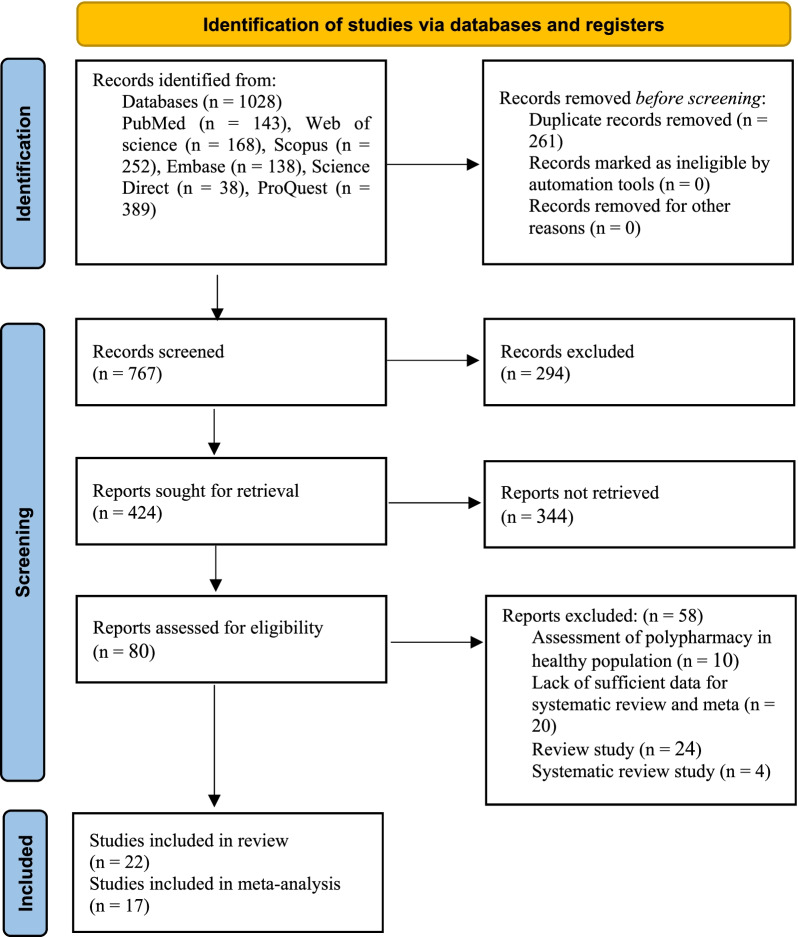
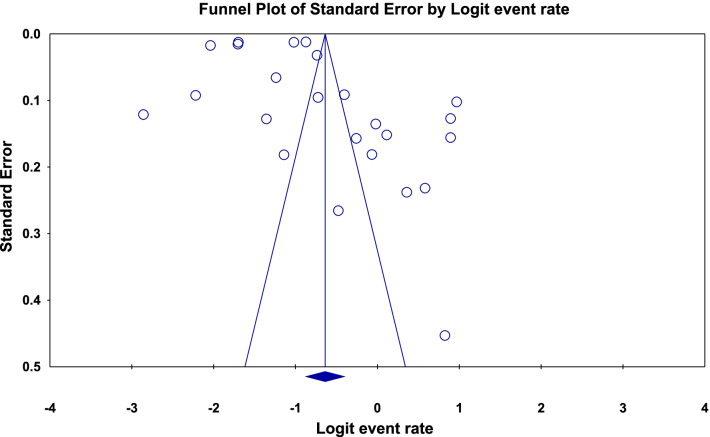
This study was performed by systematic review method and in accordance with PRISMA 2020 criteria. The protocol in this work is registered in PROSPERO (CRD42021281552). Particular databases and repositories have been searched to identify and select relevant studies. The quality of articles was assessed based on the Newcastle-Ottawa Scale checklist. Heterogeneity of the studies was measured using the I test.
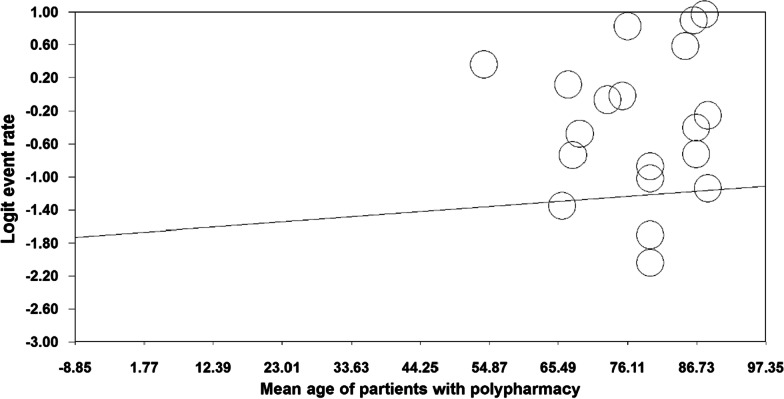
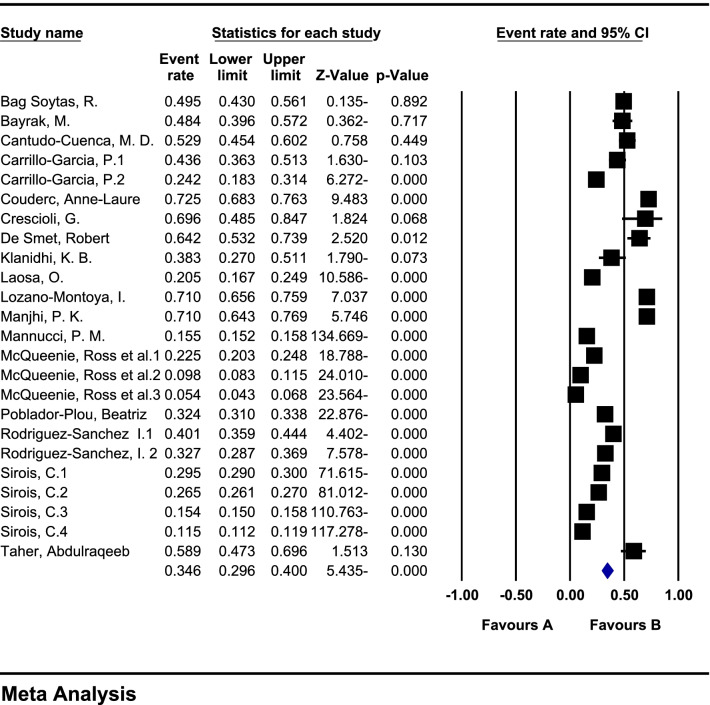
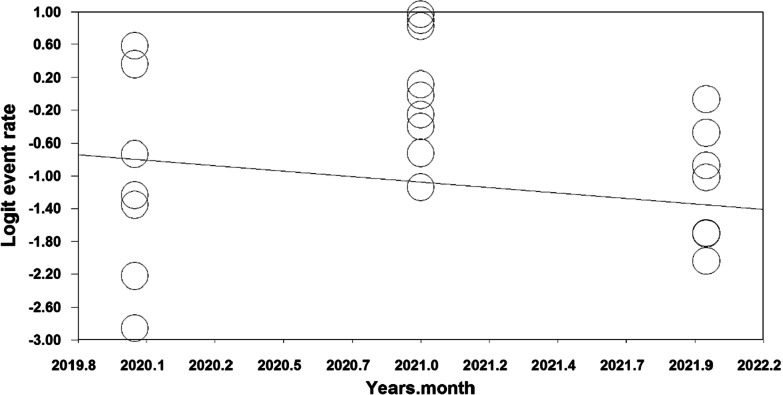
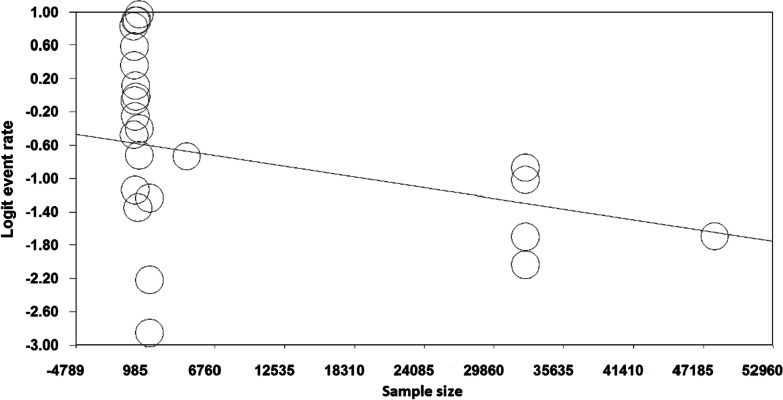
The results of meta-analysis showed that the prevalence of polypharmacy in 14 studies with a sample size of 189,870 patients with COVID-19 is 34.6% (95% CI: 29.6-40). Studies have shown that polypharmacy is associated with side effects, increased morbidity and mortality among patients with COVID-19. The results of meta-regression analysis reported that with increasing age of COVID-19 patients, the prevalence of polypharmacy increases (p < 0.05).
The most important strength of this study is the updated search to June 2022 and the use of all databases to increase the accuracy and sensitivity of the study. The most important limitation of this study is the lack of proper definition of polypharmacy in some studies and not mentioning the number of drugs used for patients in these studies.
Polypharmacy is seen in many patients with COVID-19. Since there is no definitive cure for COVID-19, the multiplicity of drugs used to treat this disease can affect the severity of the disease and its side effects as a result of drug interactions. This highlights the importance of controlling and managing prescription drugs for patients with COVID-19.
在各类文献中,多重用药传统上被定义为使用5种或更多种慢性药物、使用不适当的药物或未经临床批准的药物。本研究的目的是通过系统评价和荟萃分析,评估新冠病毒病(COVID-19)患者中多重用药的患病率及其副作用。
本研究采用系统评价方法,符合PRISMA 2020标准。本研究方案已在国际前瞻性系统评价注册库(PROSPERO,注册号CRD42021281552)注册。通过检索特定的数据库和知识库来识别和选择相关研究。基于纽卡斯尔-渥太华量表清单评估文章质量。使用I²检验衡量研究的异质性。
荟萃分析结果显示,在14项样本量为189,870例COVID-19患者的研究中,多重用药的患病率为34.6%(95%置信区间:29.6-40)。研究表明,多重用药与COVID-19患者的副作用、发病率和死亡率增加有关。荟萃回归分析结果显示,随着COVID-19患者年龄的增加,多重用药的患病率上升(p<0.05)。
本研究最重要的优势是更新检索至2022年6月,并使用所有数据库以提高研究的准确性和敏感性。本研究最重要的局限性是部分研究对多重用药缺乏恰当定义,且未提及这些研究中患者使用的药物数量。
许多COVID-19患者存在多重用药情况。由于COVID-19尚无确切治愈方法,用于治疗该疾病的多种药物可能因药物相互作用而影响疾病严重程度及其副作用。这凸显了控制和管理COVID-19患者处方药的重要性。