Peng Kejun, Deng Nianhua, Meng Yao, He Qianchuan, Meng Hao, Luo Ting, Wei Yanru, Kang Yue, Zhou Xiaodong, Shen Fubing
School of Laboratory Medicine, Chengdu Medical College, Chengdu, People's Republic of China.
Public Health Sciences Division, Fred Hutchinson Cancer Research Center, Seattle, WA, 98109, USA.
J Inflamm Res. 2022 Aug 24;15:4853-4872. doi: 10.2147/JIR.S372306. eCollection 2022.
Alpha-momorcharin (α-MMC) is a natural medicine derived from bitter melon and has been found to exert immunomodulatory effects. Our previous study indicated that α-MMC can regulate cytokine release from monocytes, but it remains unknown about its regulatory effect on different types of cytokines, such as inflammatory cytokines or anti-inflammatory cytokines.
LPS-induced M1-type macrophages model and IL-4-induced M2-type macrophages model were established, and the expression of proinflammatory cytokines and anti-inflammatory cytokines were assessed by ELISA after α-MMC was administered. Then, a LPS-induced acute pneumonia mouse model was established, the proinflammatory cytokines levels and inflammatory lesions in lung tissues were examined by ELISA or H&E staining. Furthermore, omics screening analysis and Western blotting verification were performed on TLR4 and JAK1-STAT6 signalling pathway-related proteins to elucidate the regulatory mechanism of α-MMC in those M1 macrophages and M2 macrophages.
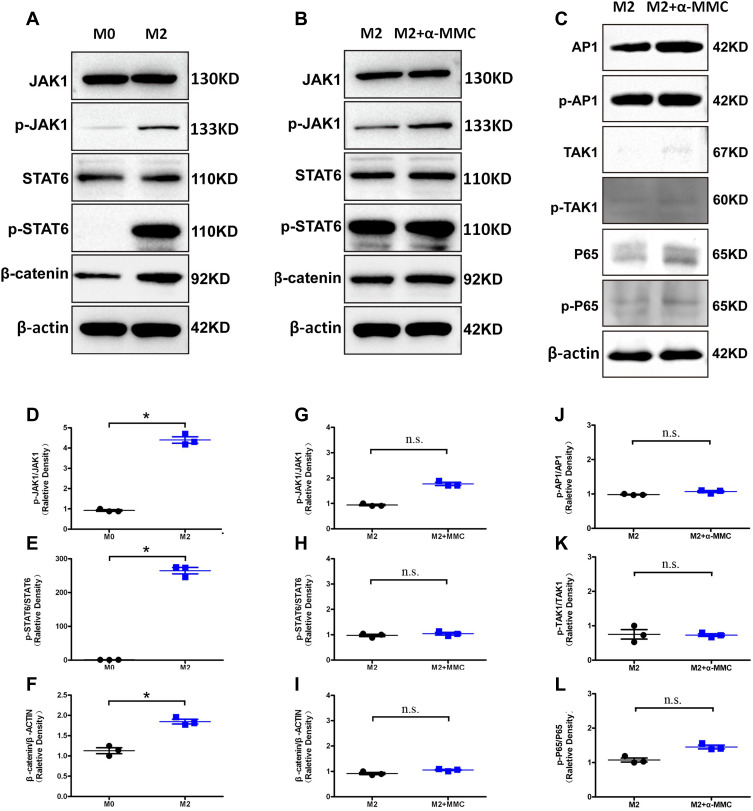
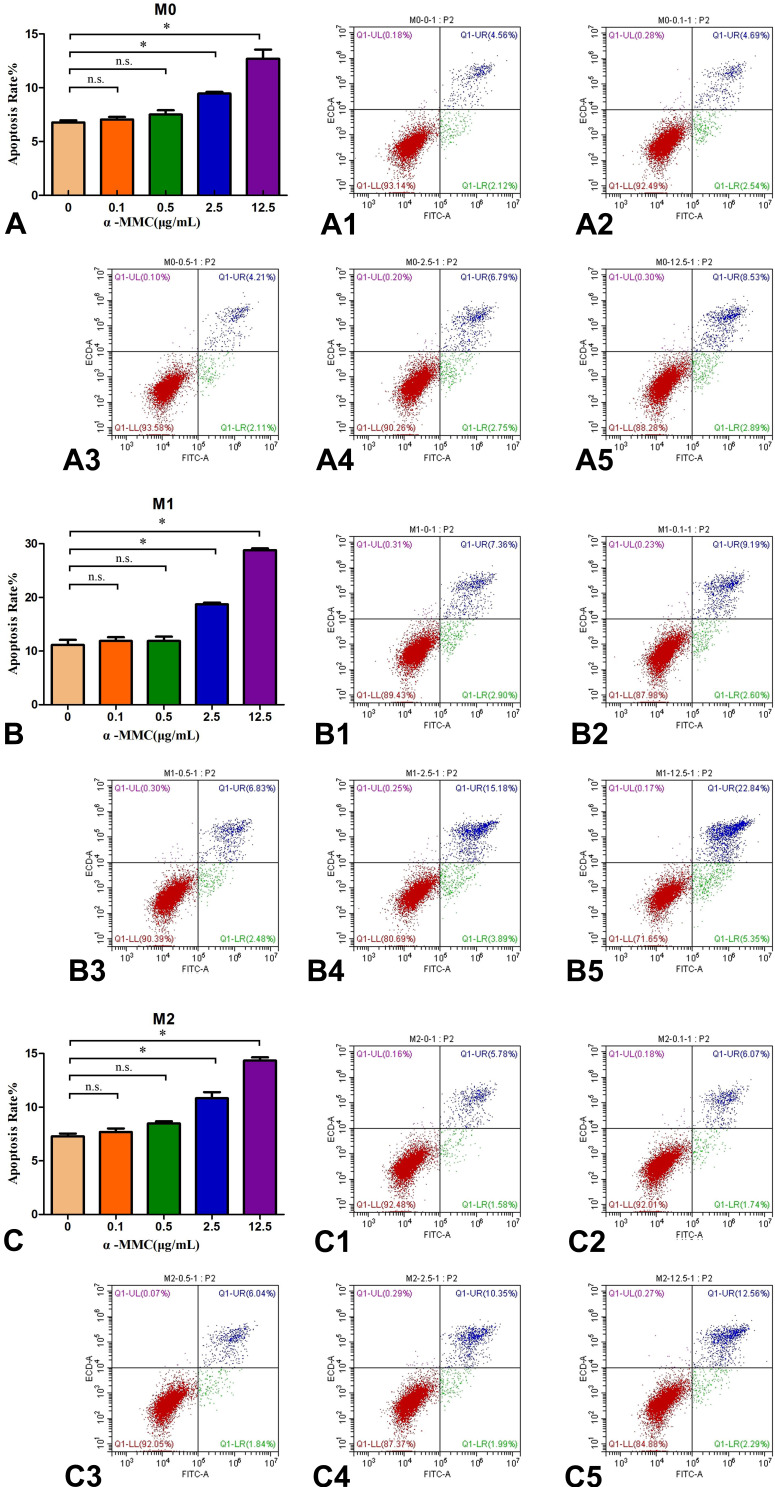
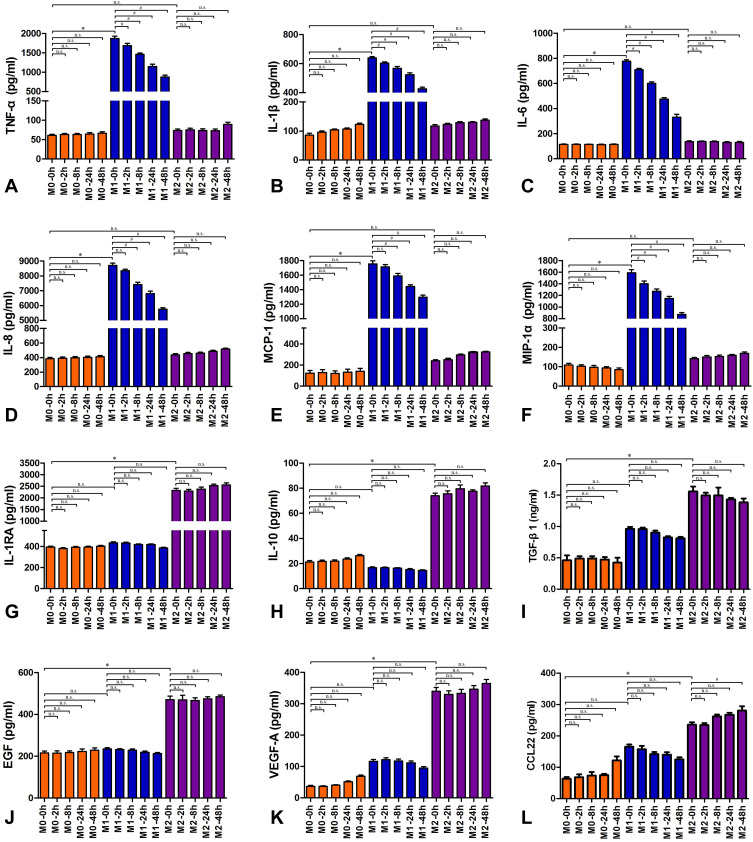
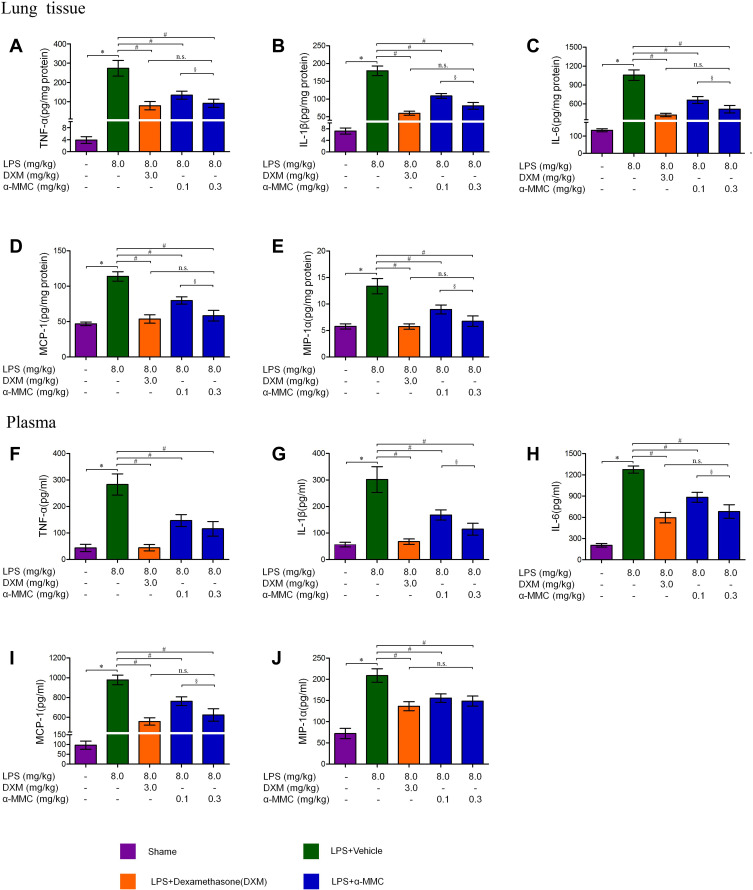
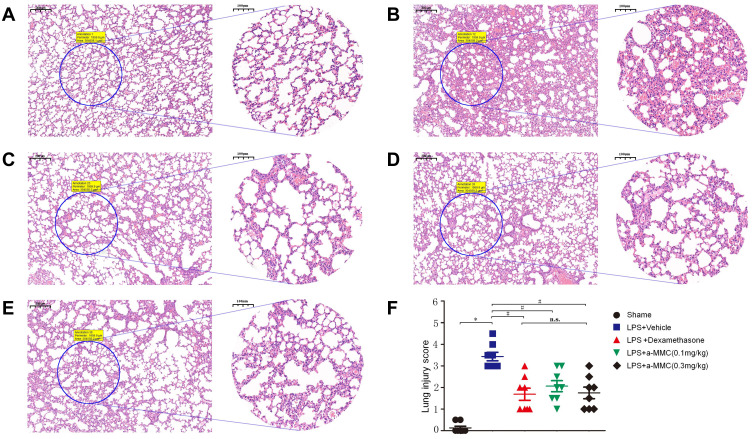
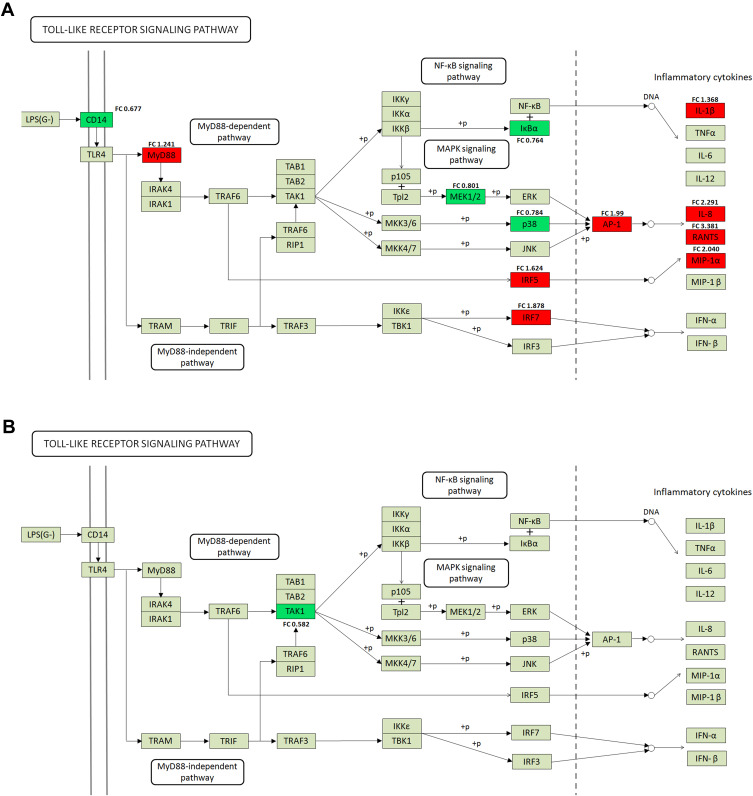
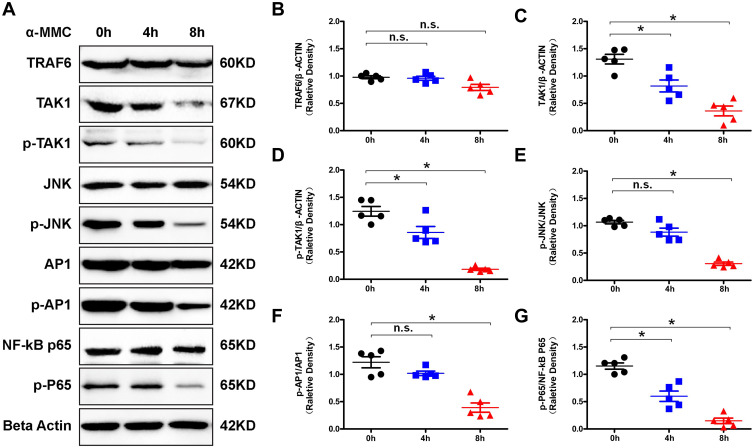
At a noncytotoxic dose of 0.3 μg/mL, α-MMC significantly inhibited the LPS-induced expression of inflammatory cytokines, such as TNF-α, IL-1β, IL-6, IL-8, MIP-1α and MCP-1, by M1 macrophages in a time-dependent manner, but α-MMC did not inhibit the IL-4-induced synthesis of anti-inflammatory cytokines, such as IL-10, IL-1RA, EGF, VEGF, TGF-β and CCL22, by M2 macrophages. Moreover, α-MMC also inhibited inflammatory cytokine expression in an LPS-induced acute pneumonia mouse model and alleviated inflammation in lung tissues. Furthermore, omics screening and Western blotting analysis confirmed that α-MMC inhibited TAK1/p-TAK1 and subsequently blocked the downstream MAPK and NF-κB pathways, thus inhibiting the LPS-induced inflammatory cytokine expression.
Our results reveal that α-MMC inhibits proinflammatory cytokine expression by M1 macrophages but not anti-inflammatory cytokine expression by M2 macrophages. The efficacy of α-MMC in selectively inhibiting proinflammatory cytokine expression renders it particularly suitable for the treatment of severe inflammation and autoimmune diseases characterized by cytokine storms.
α-苦瓜素(α-MMC)是一种从苦瓜中提取的天然药物,已发现其具有免疫调节作用。我们之前的研究表明,α-MMC可以调节单核细胞释放细胞因子,但其对不同类型细胞因子(如炎性细胞因子或抗炎细胞因子)的调节作用尚不清楚。
建立脂多糖(LPS)诱导的M1型巨噬细胞模型和白细胞介素-4(IL-4)诱导的M2型巨噬细胞模型,给予α-MMC后,通过酶联免疫吸附测定(ELISA)评估促炎细胞因子和抗炎细胞因子的表达。然后,建立LPS诱导的急性肺炎小鼠模型,通过ELISA或苏木精-伊红(H&E)染色检测肺组织中促炎细胞因子水平和炎性病变。此外,对Toll样受体4(TLR4)和Janus激酶1-信号转导子和转录激活子6(JAK1-STAT6)信号通路相关蛋白进行组学筛选分析和蛋白质印迹验证,以阐明α-MMC在这些M1巨噬细胞和M2巨噬细胞中的调节机制。
在0.3μg/mL的无细胞毒性剂量下,α-MMC以时间依赖性方式显著抑制LPS诱导的M1巨噬细胞炎性细胞因子(如肿瘤坏死因子-α、白细胞介素-1β、白细胞介素-6、白细胞介素-8、巨噬细胞炎性蛋白-1α和单核细胞趋化蛋白-1)的表达,但α-MMC不抑制IL-4诱导的M2巨噬细胞抗炎细胞因子(如白细胞介素-10、白细胞介素-1受体拮抗剂、表皮生长因子、血管内皮生长因子、转化生长因子-β和CCL22)的合成。此外,α-MMC还抑制LPS诱导的急性肺炎小鼠模型中炎性细胞因子的表达,并减轻肺组织炎症。此外,组学筛选和蛋白质印迹分析证实,α-MMC抑制转化生长因子-β激活激酶1/磷酸化转化生长因子-β激活激酶1(TAK1/p-TAK1),随后阻断下游丝裂原活化蛋白激酶(MAPK)和核因子κB(NF-κB)通路,从而抑制LPS诱导的炎性细胞因子表达。
我们的结果表明,α-MMC抑制M1巨噬细胞促炎细胞因子的表达,但不抑制M2巨噬细胞抗炎细胞因子的表达。α-MMC在选择性抑制促炎细胞因子表达方面的功效使其特别适合治疗以细胞因子风暴为特征的严重炎症和自身免疫性疾病。