Malta ICOM Educational, Gżira, Malta.
Education Department of Osteopathy, Istituto Superiore di Osteopatia, Milan, Italy.
Chiropr Man Therap. 2022 Aug 31;30(1):32. doi: 10.1186/s12998-022-00444-2.
Despite controversy regarding its validity and clinical usefulness, manual examination findings still have an important role for manipulative therapies. As an example, somatic dysfunction (SD) remains central to osteopathic practice.This study aims to explore the experienced osteopaths' attitudes concerning SD and its role in osteopathic practice. This qualitative research could contribute to building a consistent paradigm for manual intervention in all musculoskeletal manipulations.
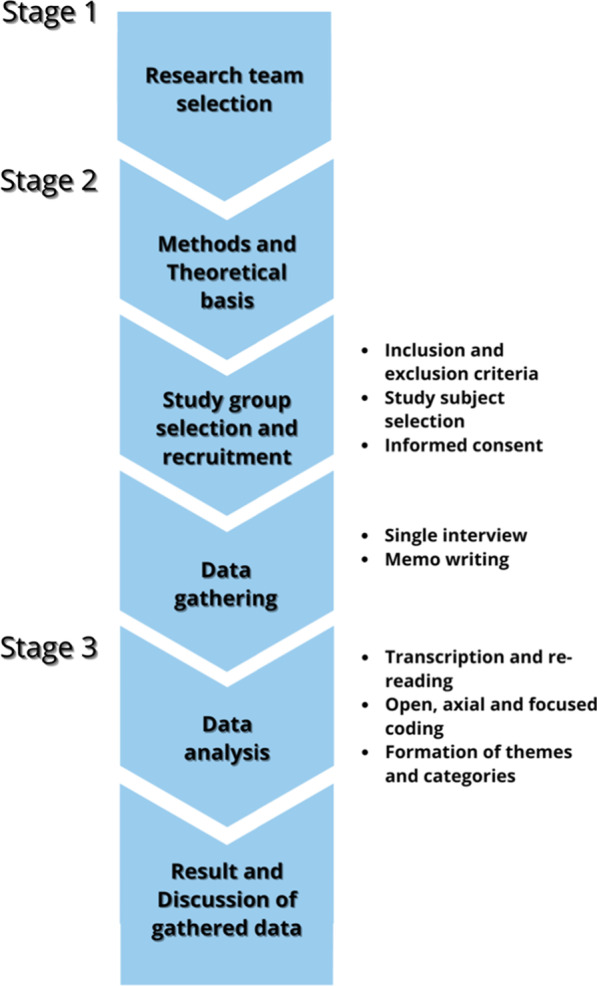
A thematic analysis with grounded theory elements was used. Data were collected through semi-structured interviews carried out between February and April 2021. A purposive sample of twenty professional osteopaths with past experience in osteopathic care was chosen to reflect the phenomenon's variety. The data analysis was done inductively and in tandem with the recruiting to keep track of data saturation.
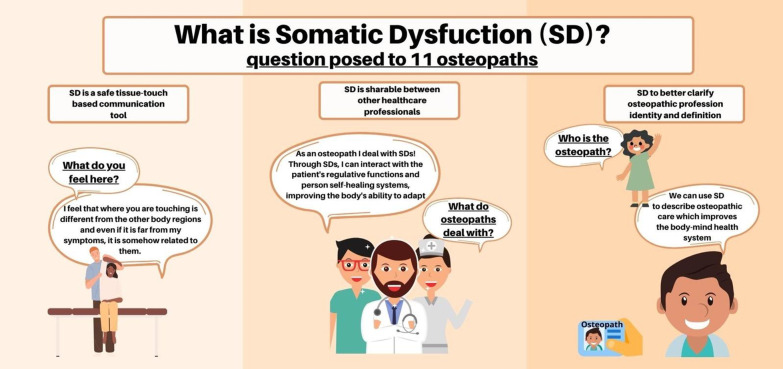
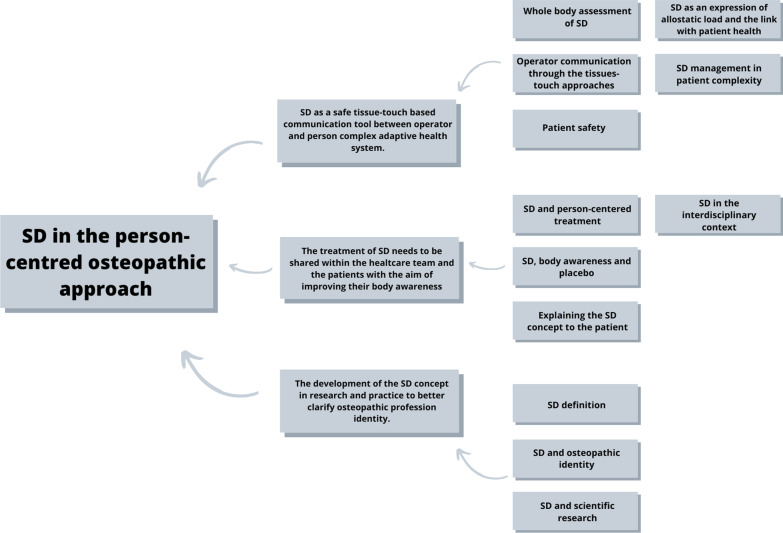
Eleven osteopaths participated in the study. Three main themes emerged from the data analysis: (1) SD as a safe tissue-touch-based communication tool between operator and person complex adaptive health system; (2) The treatment of SD is shareable between osteopaths, other health professionals, and the patients involved in the therapeutic pathway improving body awareness and health; (3) The development of the SD concept in research and practice to better clarify osteopathic profession identity and definition.
A panel of expert osteopaths consider the concept of SD as a valuable tool integrated into the osteopathic evaluation and treatment process. The shared concept and clinical application of SD is informed by person-centered care concepts and from the fields of neuroscience, cognitive and complexity science. Our study reports a common need among osteopaths to develop an evidence-based framework of SD to allow the best development of the osteopathic profession.
尽管手动检查结果的有效性和临床实用性存在争议,但对于手法治疗来说,其仍然具有重要作用。例如,躯体功能障碍(SD)仍然是整骨实践的核心。本研究旨在探讨有经验的整骨医生对 SD 及其在整骨实践中的作用的态度。这项定性研究有助于为所有肌肉骨骼手法干预建立一致的范例。
采用主题分析与扎根理论元素相结合的方法。数据收集于 2021 年 2 月至 4 月期间通过半结构化访谈进行。选择了 20 名具有过往整骨护理经验的专业整骨医生作为具有代表性的样本,以反映该现象的多样性。数据分析是通过归纳法和与招募并行进行的,以跟踪数据的饱和情况。
11 名整骨医生参与了研究。数据分析得出了三个主要主题:(1)SD 作为操作者与复杂适应健康系统之间基于安全组织触诊的沟通工具;(2)SD 的治疗可由整骨医生、其他健康专业人员和参与治疗过程的患者共享,从而提高身体意识和健康水平;(3)在研究和实践中发展 SD 概念,以更好地阐明整骨专业的身份和定义。
一组专家整骨医生认为 SD 概念是一种有价值的工具,整合到整骨评估和治疗过程中。SD 的共同概念和临床应用受到以患者为中心的护理概念以及神经科学、认知和复杂性科学领域的启发。我们的研究报告了整骨医生普遍需要开发基于证据的 SD 框架,以允许整骨专业的最佳发展。